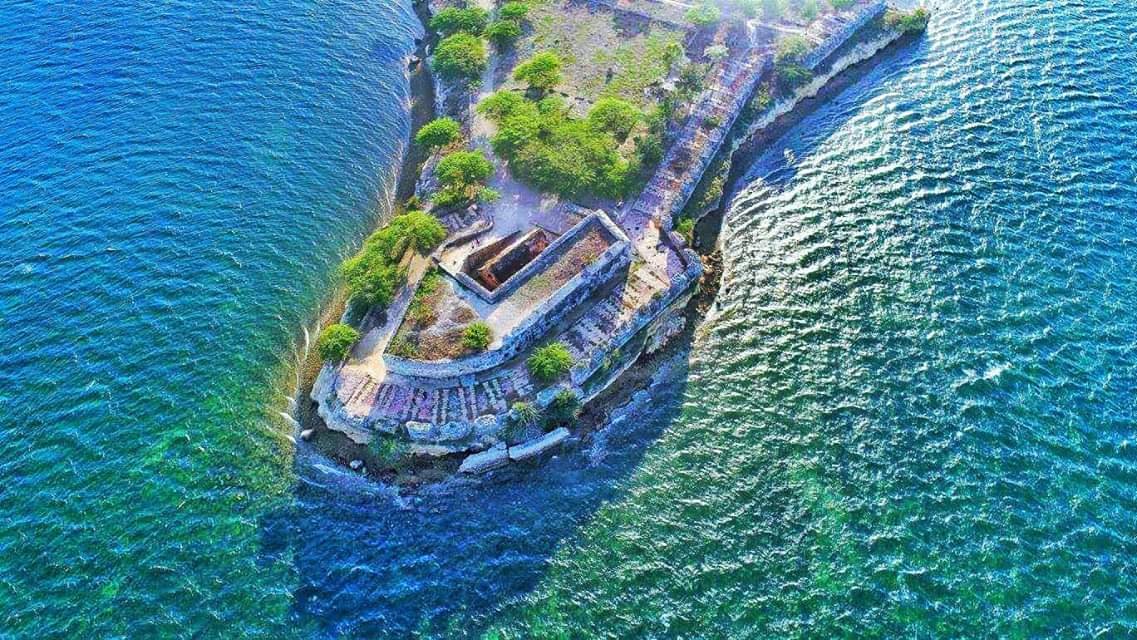
Cap-Haïtien or Jacmel: Which is the tourist capital of Haiti?
Haïti is full of natural and cultural treasures, and two cities stand out as the country’s top tourist capitals: Cap-Haïtien in the north and Jacmel in the southeast. Each of these cities offers unique experiences, reflecting Haiti’s rich history, culture, and nature. Let’s explore why these two destinations are must-sees for any traveler.
Nicknamed "The City of 365 Doors," Cap-Haïtien is a city steeped in history and colonial charm.
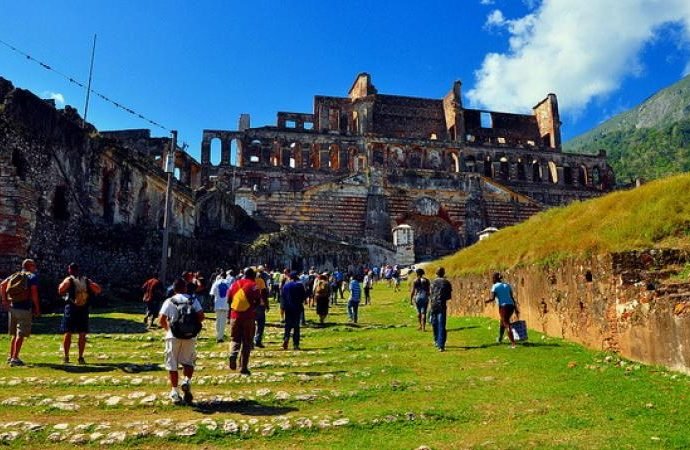
- Historical Heritage: Cap-Haïtien is the birthplace of many significant events in Haitian history, including the revolution that led to independence. Visitors can explore the Citadelle Laferrière, the largest fort in the Caribbean and a UNESCO World Heritage Site, as well as the ruins of the Sans-Souci Palace, often compared to Versailles for its grandeur.
- Colonial architecture: Its cobblestone streets and colorful houses are a testament to its past as a French colonial capital.
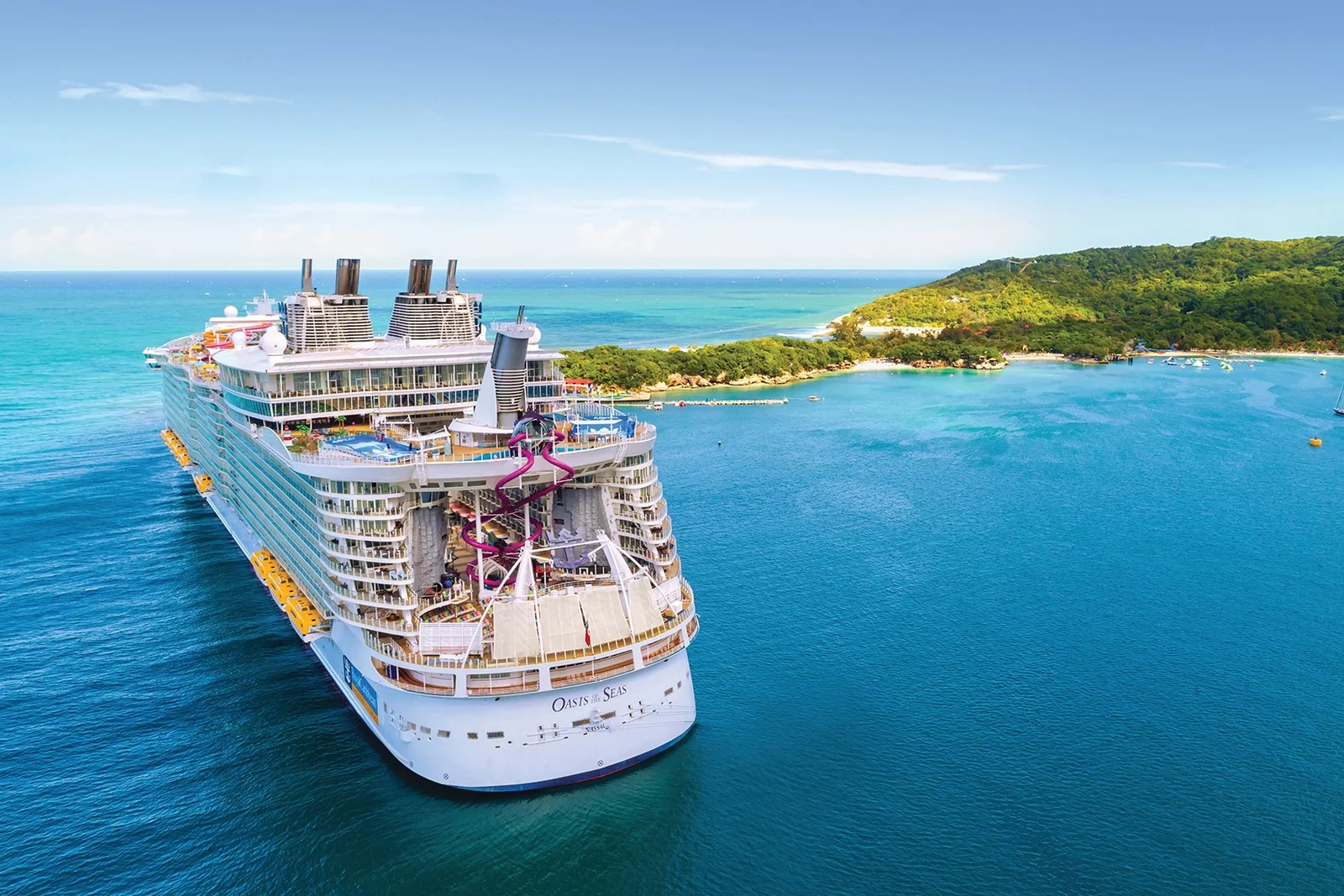
- Idyllic beaches: Labadie, a nearby private beach, is a popular stopover for cruise passengers and offers activities like diving, kayaking, and boat tours.
Cap-Haïtien is a top destination for history and culture lovers, combining heritage with natural beauty.
If Cap-Haïtien is an ode to history, Jacmel is a vibrant tableau of art and festivities.
- Artistic heritage: Known as the capital of Haitian art, Jacmel is full of galleries, craft markets, and murals that tell the story of local history and traditions.
- Jacmel Carnival: This annual event attracts thousands of visitors with its papier-mâché masks, colorful costumes, and lively rhythms.
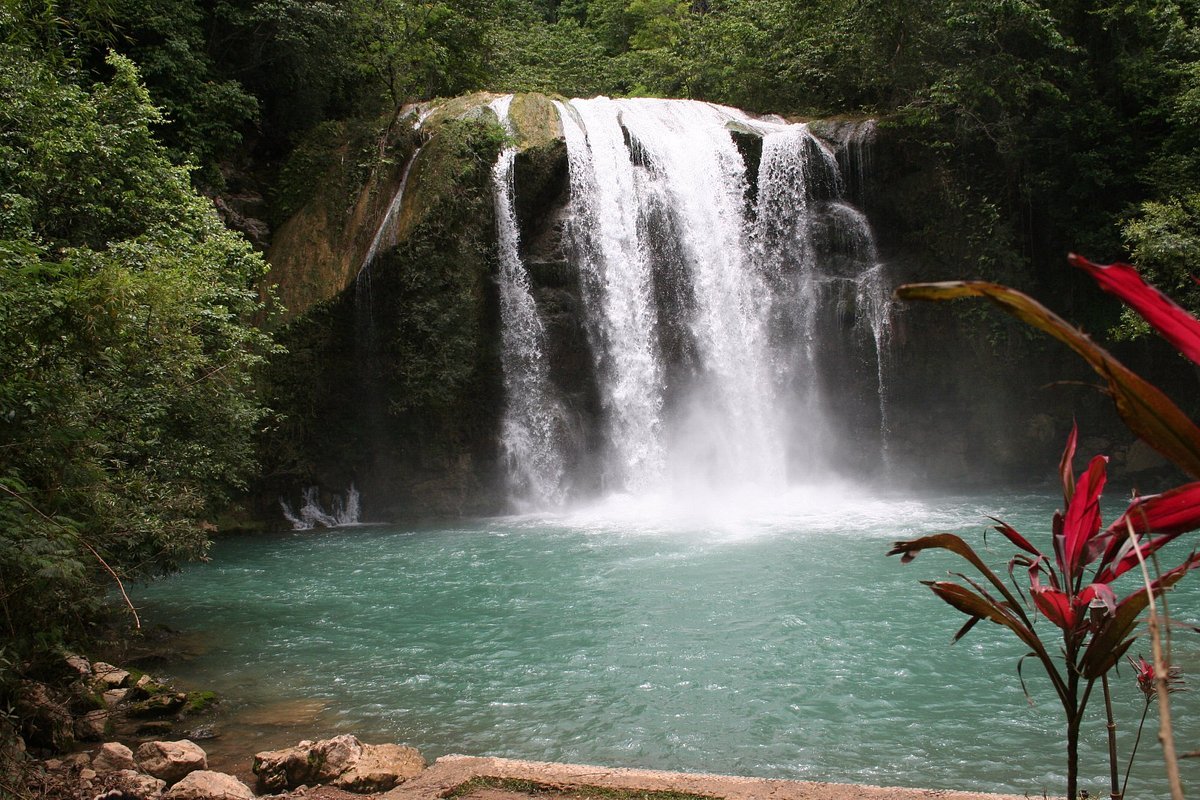
- Beaches and natural sites: Jacmel is surrounded by beautiful beaches like Raymond-les-Bains and natural wonders like Bassins Bleu, a series of crystal-clear natural pools nestled in the mountains.
Jacmel seduces visitors with its bohemian atmosphere and festive energy, making it a must-see jewel of Haitian tourism.
Although Cap-Haïtien and Jacmel are different in essence, they share major assets:
- Accessibility: Cap-Haïtien has an international airport, facilitating the arrival of international tourists. Jacmel, on the other hand, is easily accessible from Port-au-Prince in just a two-hour drive.
- Cultural and natural wealth: Both cities offer a mix of history, art and breathtaking landscapes.
- Festivals: Whether it is the Jacmel carnival or the cultural festivities in Cap, both destinations vibrate to the rhythm of Haitian traditions.
These cities embody the diversity and unique identity of Haiti, offering unforgettable experiences to travelers.
- 1804: Year of the proclamation of Haiti’s independence, marked by major events in Cap-Haïtien. - 200,000 inhabitants: Approximate population of Cap-Haïtien, making it one of the largest cities in the country.
- 5,000 visitors: Estimated annual participation in the Jacmel carnival before the pandemic.
- 300 years: Approximate age of the oldest historic buildings in Jacmel.
These data underline the importance of these two cities in the Haitian tourist landscape.
Choosing between Cap-Haïtien and Jacmel can be difficult, but each city has its own charm:
- For history: Cap-Haïtien is a must-see to understand the origins and heritage of the first independent black Republic.
- For art and celebration: Jacmel is an invitation to discover the artistic and festive soul of Haiti.
- For relaxation: The beaches of the two cities compete in beauty, offering heavenly settings to relax.
By visiting these two destinations, you will discover complementary facets of Haiti, a country with a thousand and one riches.
So, what are you waiting for to plan your trip? Share your impressions or memories of Cap-Haïtien and Jacmel in the comments!
First black nation to free itself from slavery and gain independence from France in 1804 and influenced other liberation movements around the world, inspiring struggles for freedom and equality.
Natural beauty
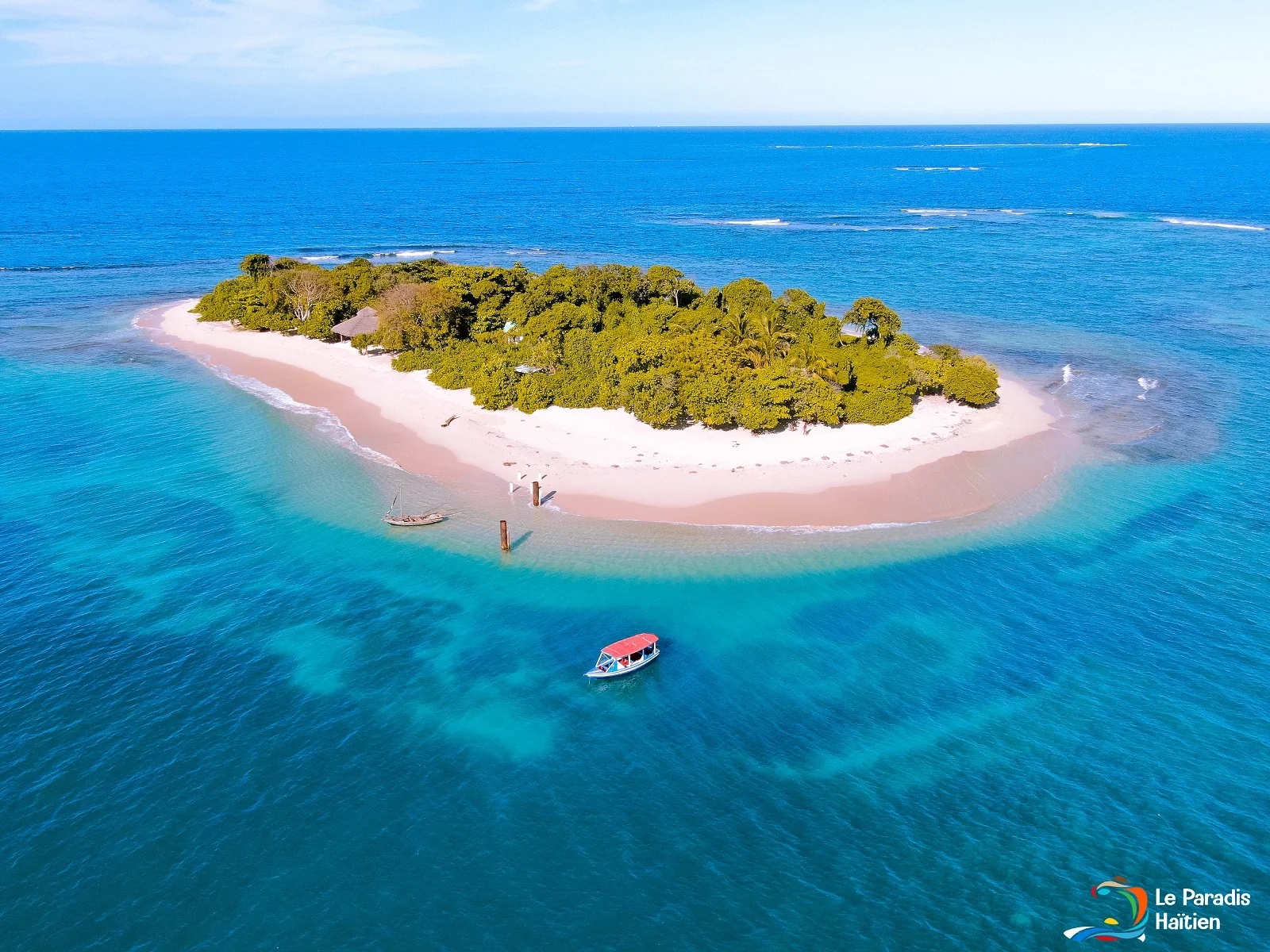
Haïti is blessed with spectacular natural landscapes, including white sand beaches, mountains and rich biodiversity.
Heritage
Haïti has a rich historical heritage, including sites like the Citadelle Laferrière and the Sans-Souci Palace, listed as UNESCO World Heritage Sites.
Culture
Haïti has a rich and diverse culture, influenced by African, European and indigenous elements. Haitian music, dance, art and cuisine are celebrated around the world.