Who Founded Haiti? History of the Nation’s Creation
Haiti, the world’s first independent black republic, is a universal symbol of freedom and resistance. But who founded Haïti and how was this nation born? This journey through history leads us to explore the role of heroic figures, significant events, and the context that gave birth to this unique nation.
At the end of the 18th century, Haiti, then called Saint-Domingue, was a French colony renowned for its production of sugar, coffee, and indigo. However, this prosperity was based on the backs of African slaves subjected to inhumane working conditions.
- Colonial Society: The population was divided into three major classes: European settlers, freedmen (former free slaves), and slaves, who represented approximately 90% of the population.
- Injustice and Rebellion: Inspired by the ideals of liberty and equality of the French Revolution, slaves and freedmen began to demand their rights.
It was in this context of revolt that leaders emerged to lead the fight against colonial oppression.
The birth of Haïti is the fruit of the combined efforts of several personalities, but three names stand out in particular.
1. Toussaint Louverture:
- Nicknamed the "Precursor of Independence", Toussaint Louverture is a former slave turned general.
- He led the first slave revolts in 1791, organizing a disciplined army that defeated French, Spanish and British troops.
- Although he was captured and exiled to France in 1802, his leadership paved the way for independence.
2. Jean-Jacques Dessalines:
- Toussaint’s successor, Dessalines was the main architect of Haitian independence.
- In 1804, after leading the Haitian army to victory against the French, he proclaimed independence and renamed Saint-Domingue Haiti, paying homage to the island’s Taíno name.
- Dessalines became Haiti’s first emperor under the title of Jacques I.
3. Henri Christophe and Alexandre Pétion:
- Christophe, another key general in the revolution, and Pétion, a republican leader, played vital roles in establishing the young nation after independence.
The Proclamation of Independence: January 1, 1804
The defining moment in the founding of Haïti occurred on January 1, 1804.
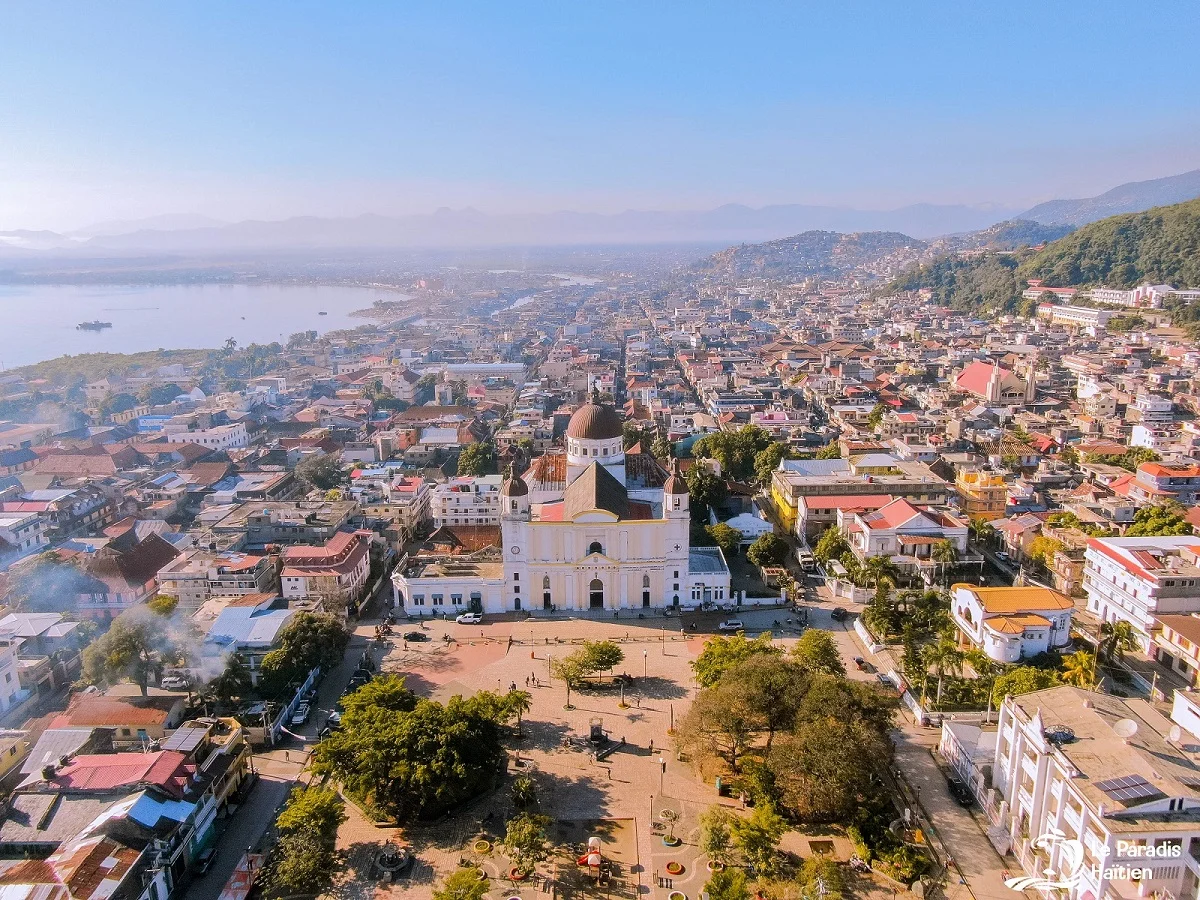
- The Gonaïves Ceremony: In Gonaïves, Dessalines officially proclaimed Haiti’s independence.
- A Universal Act of Freedom: Haïti became the first independent nation led by former slaves and the first free black republic.
- A Message to the World: Haiti’s independence inspired other liberation movements, becoming a symbol of the struggle for freedom.
Haiti’s founding is a unique historical event that continues to influence the world.
- A Symbol of Resilience: Haïti is proof that the quest for freedom and dignity can triumph even against colossal odds.
- A Complex Legacy: The young nation faced internal and external challenges, including debts imposed by France and hostility from colonial powers.
- A Global Inspiration: Haiti’s history is taught as an example of courage and determination in the face of oppression.
Haïti is not just a nation; it is an idea, a revolution that changed the course of history. By celebrating its founders, we honor the values of liberty, equality, and justice that they fought for at the cost of their lives.
Today, the story of Haiti’s founding remains a powerful reminder that even in the darkest of times, humanity can rise up and fight for its dignity.
What do you know about the Haitian struggle for independence? Share your thoughts and let’s honor those who built this heroic nation.
First black nation to free itself from slavery and gain independence from France in 1804 and influenced other liberation movements around the world, inspiring struggles for freedom and equality.
Natural beauty
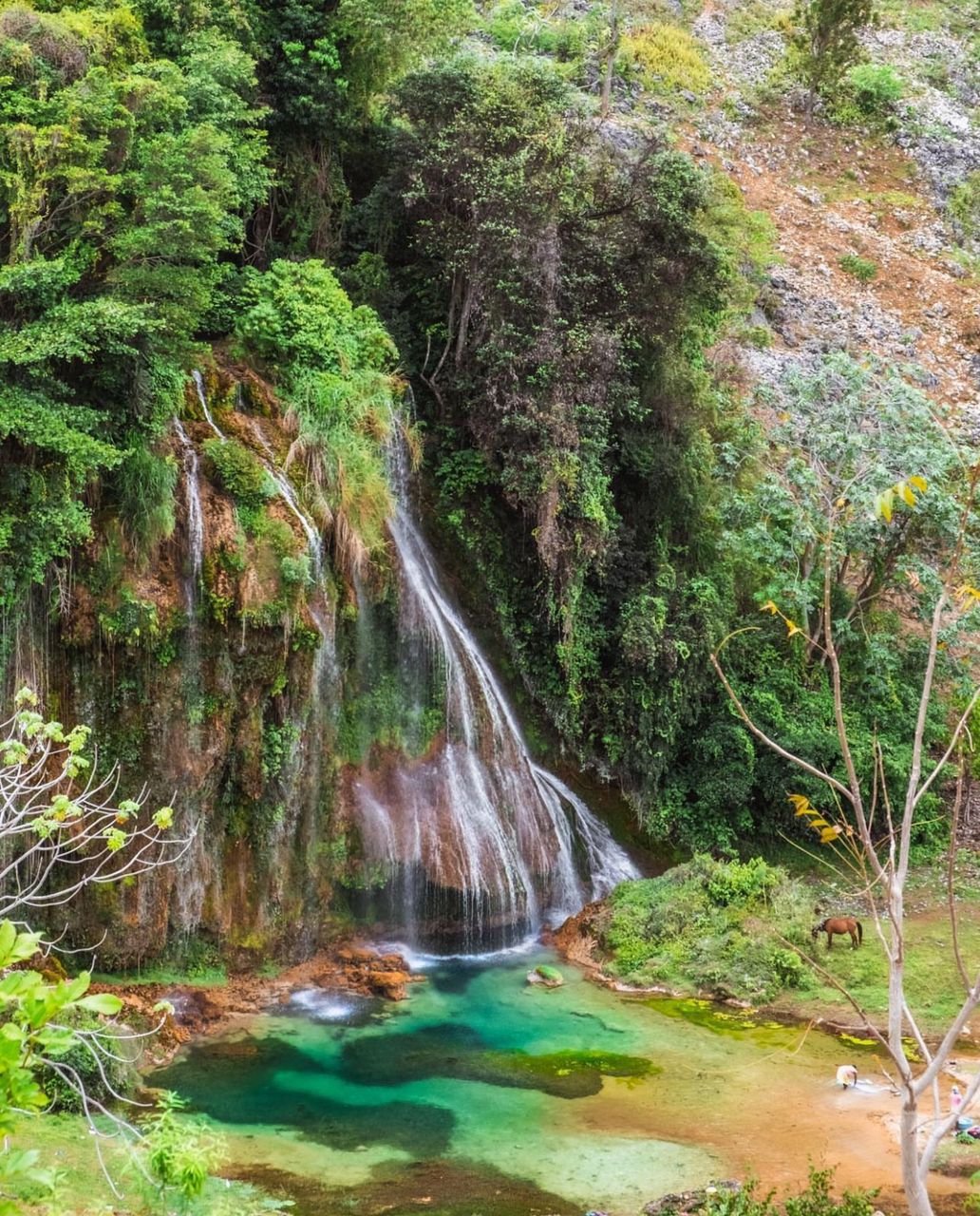
Haïti is blessed with spectacular natural landscapes, including white sand beaches, mountains and rich biodiversity.
Heritage
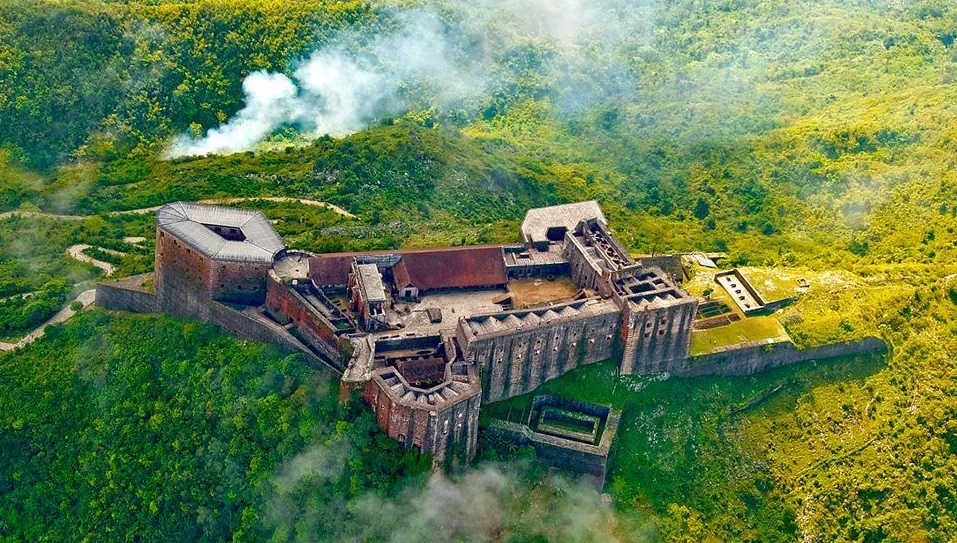
Haïti has a rich historical heritage, including sites like the Citadelle Laferrière and the Sans-Souci Palace, listed as UNESCO World Heritage Sites.
Culture
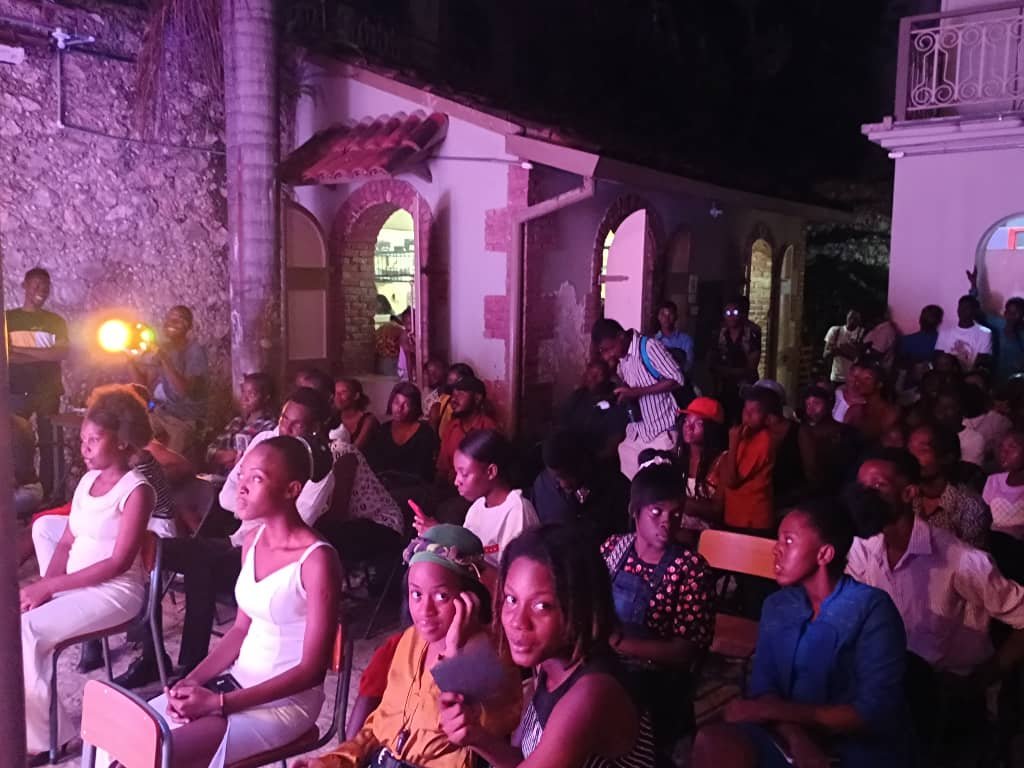
Haïti has a rich and diverse culture, influenced by African, European and indigenous elements. Haitian music, dance, art and cuisine are celebrated around the world.