
contact@haitiwonderland.com+509 36184317

Discover

Shopping Cart

What sea bathes Haiti?

What sea bathes Haiti?

Haiti, pearl of the Caribbean, is surrounded by turquoise waters that enrich its landscape and maritime culture. But what sea bathes this island country? Let’s discover together the sea that borders Haiti, its geographical importance and the activities it offers.

Read the article in :

French : Quelle mer baigne Haïti ?

Spanish : ¿Qué mar baña Haití?

Creole : Ki lanmè ki lave Ayiti?

Reference page : What sea bathes Haiti?

Other version : What sea bathes Haiti?

Haïti
Haïti
Haïti

The Caribbean Sea: A Jewel of Beauty for Haiti

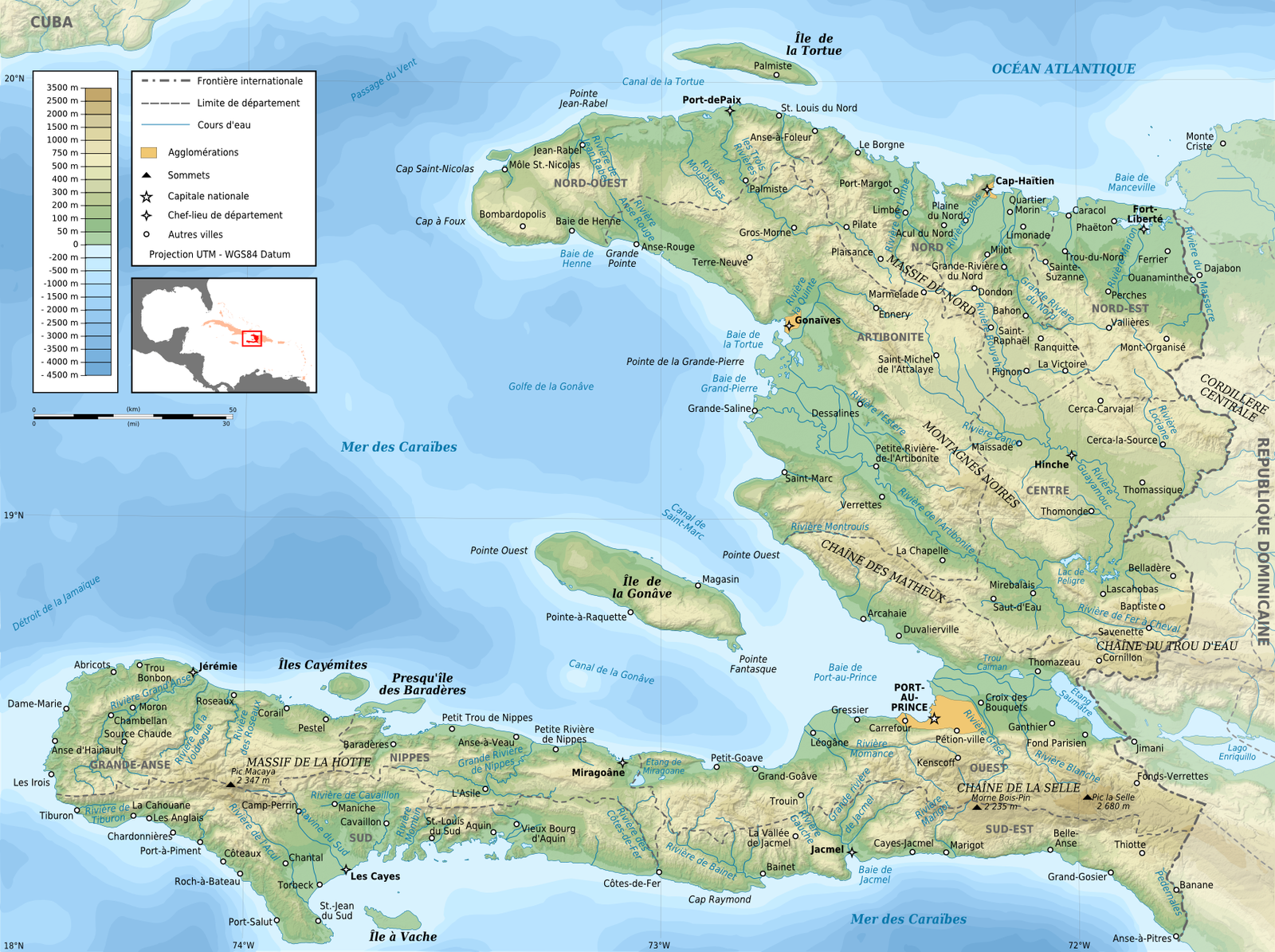
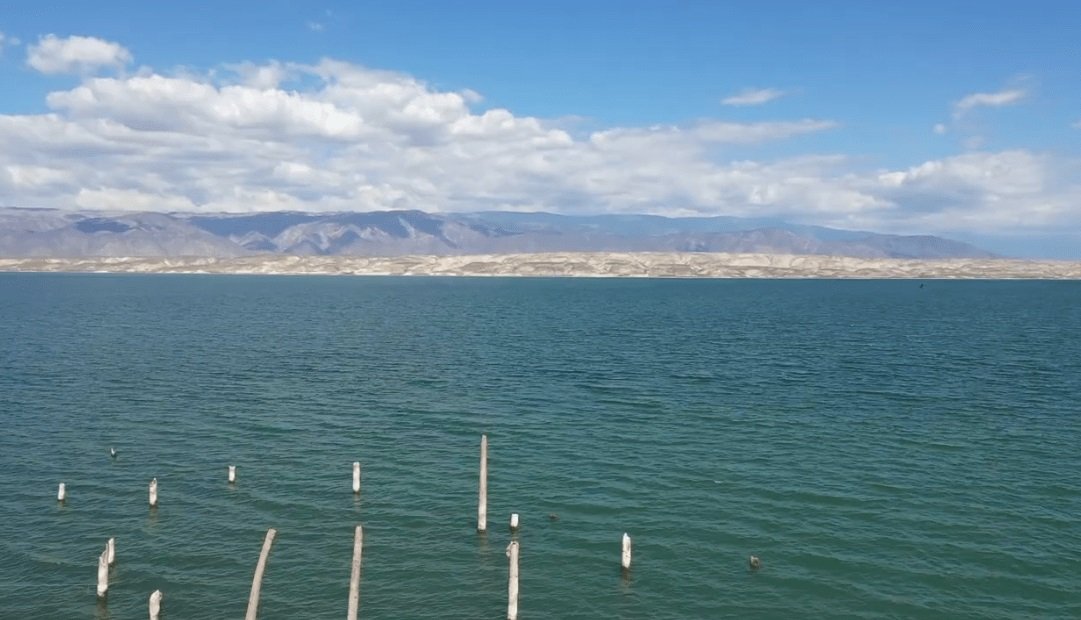
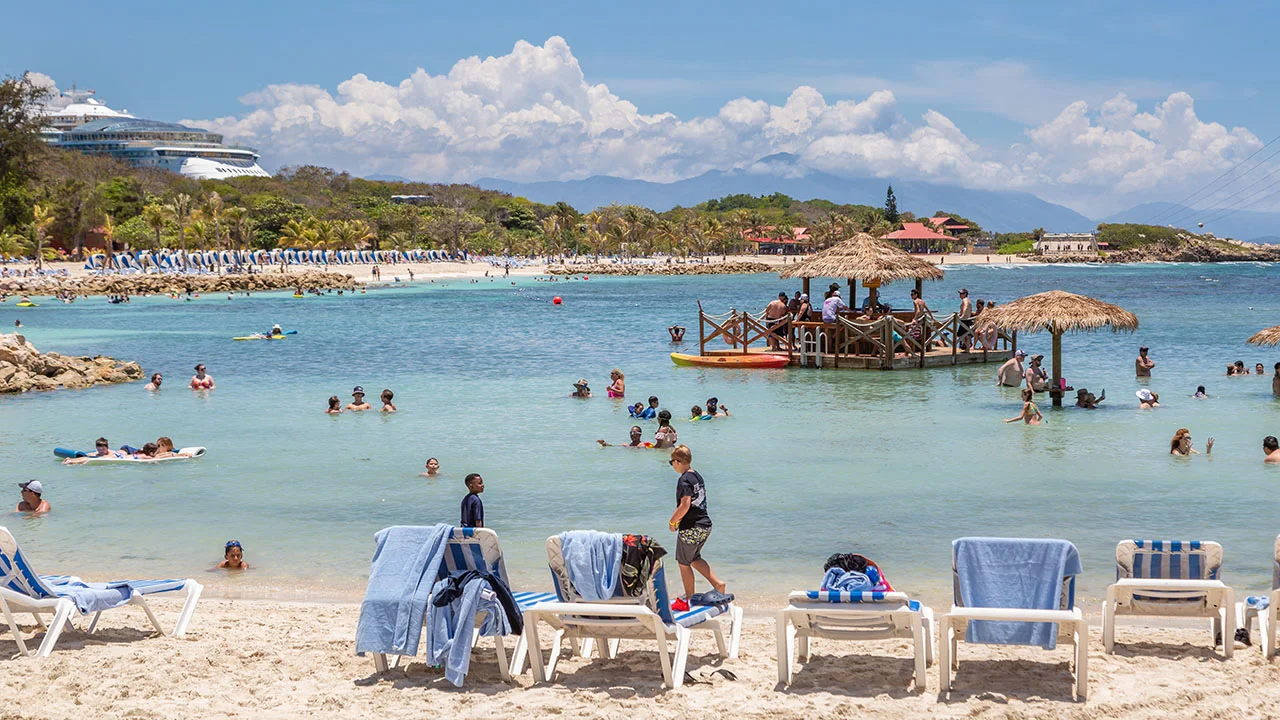
Haïti is bathed by the Caribbean Sea, one of the most beautiful sea basins in the world. Located in the south of the country, this tropical sea is part of the Atlantic Ocean and borders several Caribbean islands. It is famous for its warm waters, coral reefs and exceptional biodiversity.

Haïti
Haïti
Haïti

Rivers That Flow into the Caribbean Sea

Many rivers crossing Haïti flow into the Caribbean Sea, contributing to the maritime ecosystem. Among them:
- The Artibonite River: The longest river in Haiti.
- The Momance River: Which irrigates several regions before reaching the sea.
- The Froide River: Known for its high flow.

These rivers carry essential nutrients for coral reefs and marine species.

Haïti
Haïti
Haïti

Haiti’s Bays and Coasts

Haïti has several bays and beaches that draw their charm from the Caribbean Sea:
- Port-au-Prince Bay: Located near the capital, it is a central point for maritime activities.
- Les Cayes Bay: Renowned for its breathtaking landscapes and white sand beaches.
- Jacmel: A popular destination for its picturesque seaside and cultural festivals.

A Sea Rich in Biodiversity

The Caribbean Sea is teeming with marine life. It is home to:
- Coral reefs, the lungs of the oceans, which protect the Haitian coasts.
- A diversity of tropical fish, sea turtles and marine mammals such as dolphins.
- Seabirds that nest in coastal areas.

This biodiversity makes the Caribbean Sea a precious space for ecology and the local economy.

Haïti
Haïti
Haïti

A Cultural and Economic Heritage

The Caribbean Sea plays an essential role in Haiti’s culture and economy:
- Fishing: A vital activity for coastal communities, providing fish and seafood to local markets.
- Tourism: Haitian beaches, such as Labadie and Cormier Plage, attract visitors from all over the world.
- Maritime traditions: The sea is a source of inspiration for many Haitian songs, stories and celebrations.

Haïti
Haïti
Haïti

Water Activities in Haiti

The warm waters of the Caribbean Sea allow for various activities:
- Scuba diving: To explore coral reefs and historic wrecks.
- Sailing and kayaking: Ideal for enjoying the calm waves.
- Sport fishing: Practiced in several coastal regions.

The Caribbean Sea: A Treasure to Preserve

As in many regions of the world, the Caribbean Sea faces environmental challenges, such as:
- Marine pollution, particularly plastic waste.
- Overexploitation of fisheries resources.
- Global warming, which threatens coral reefs.

It is crucial to raise awareness among local populations and visitors about the importance of preserving this unique ecosystem.

Haïti
Haïti
Haïti

A Sea That Enchants and Connects

The Caribbean Sea, which bathes Haiti, is not just a body of water. It is a fundamental element of Haitian identity, offering economic opportunities, cultural pleasures and spectacular landscapes. Whether for its heavenly beaches or its ecological wealth, it is a source of inspiration and pride for Haitians and lovers of the Caribbean.

Share
About the Author
Appolon Guy Alain
Appolon Guy Alain
Appolon Guy Alain

Full Stack Developer, Créatif, expérimenté, passionné des nouvelles technologies et de l’art.

See other articles from Appolon Guy Alain
Leave a comment

Recently Posted

Newsletter

Subscribe to our newsletter to stay informed of all our activities and news on Haiti.

Belle-Anse, a village between tradition, nature and tourist potential

Nestled in the southeast of Haiti, Belle-Anse is a destination that fascinates with its natural beauty and rich history. This small town, still often ignored by major tourist routes, is full of treasures that deserve to be discovered. Its wild beaches, its imposing mountains and its unique historical heritage make Belle-Anse a hidden pearl, ready to seduce travelers in search of authenticity and tranquility. Belle-Anse, founded in the 18th century, still bears the traces of its past. Its history, marked by changes of names and identity, bears witness to the political and social upheavals that have given the region. From the colonial era to the birth of the Republic, each corner of the city tells a part of the history of Haiti. This rich past is combined with a vibrant cultural life, where local festivals, such as the celebration of the Patron Saint every December 10, offer an authentic glimpse into the lives of the inhabitants. The historical remains scattered throughout the city are not only a reminder of the era of colonization, but also of the struggles for independence. These witnesses of the past, combined with a calm and preserved atmosphere, make Belle-Anse a place where history and nature intertwine harmoniously. What distinguishes Belle-Anse is undoubtedly its spectacular natural environment. Ultimately, these beaches before the deserts invite you to relax. Lagan Beach, lined with palm trees and crystal clear waters, offers an idyllic setting for lovers of wild nature, far from the crowds of more frequent tourist destinations. The nearby Bay of Jacmel is a true natural bliss, promising moments of calm and escape. The city is also surrounded by majestic mountains, ideal for those who wish to explore the Haitian landscapes on foot, while discovering a unique biodiversity. While Belle-Anse’s natural resources are rich, they are also fragile, and preserving these areas remains an important issue for the future of the region.

Recently Posted

History

History

First black nation to free itself from slavery and gain independence from France in 1804 and influenced other liberation movements around the world, inspiring struggles for freedom and equality.

Natural beauty

Natural beauty

Haïti is blessed with spectacular natural landscapes, including white sand beaches, mountains and rich biodiversity.

Heritage

Heritage

Haïti has a rich historical heritage, including sites like the Citadelle Laferrière and the Sans-Souci Palace, listed as UNESCO World Heritage Sites.

Culture

Culture

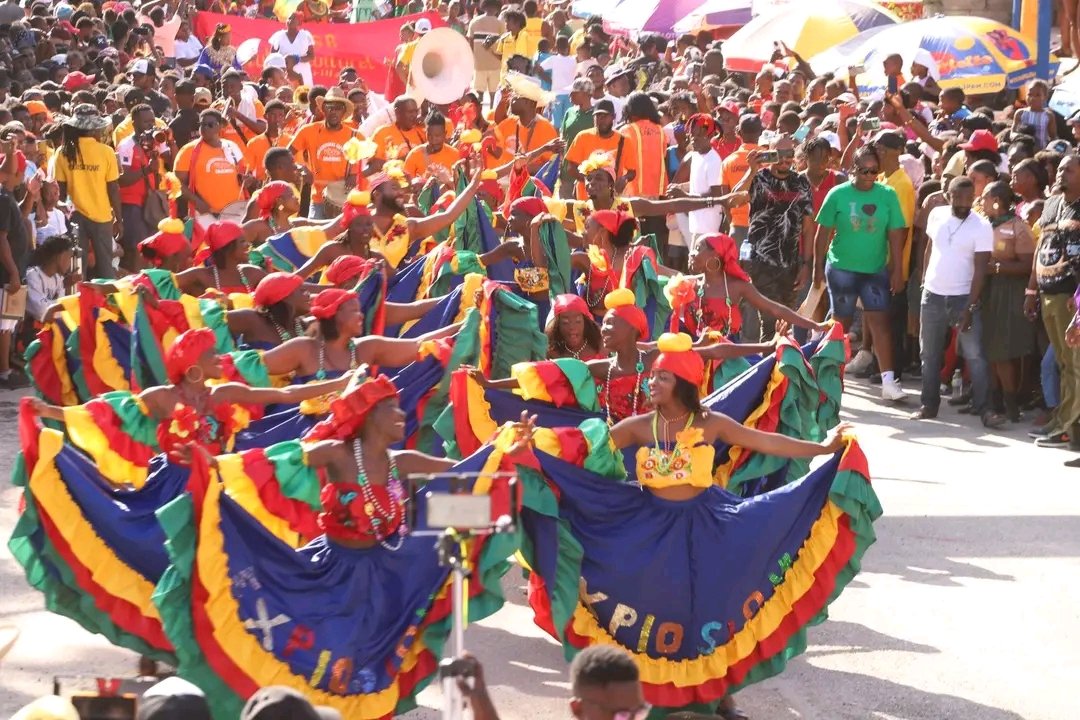
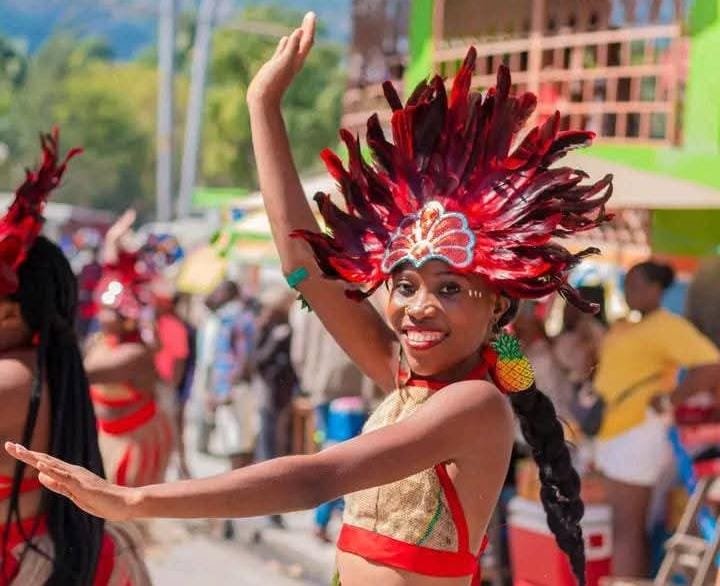
Haïti has a rich and diverse culture, influenced by African, European and indigenous elements. Haitian music, dance, art and cuisine are celebrated around the world.

  • +
    • Post