contact@haitiwonderland.com+509 36184317

Discover

Shopping Cart

Where is Haïti located in the Caribbean?

Where is Haïti located in the Caribbean?

Haiti, a nation rich in history and culture, occupies a special position in the Caribbean region. But where exactly is Haïti located in this tropical archipelago? Discover its geographical location and what makes this country stand out among its island neighbors.

Haïti
Haïti
Haïti

Haïti in the Greater Antilles

Haïti is located in the Greater Antilles archipelago, a subset of the Caribbean that also includes Cuba, Jamaica, and Puerto Rico. It shares the island of Hispaniola with the Dominican Republic, occupying the western part of this island, the second largest in the Greater Antilles.

Haïti
Haïti
Haïti

A Strategic Position in the Caribbean

Haïti is bordered to the north by the Atlantic Ocean and to the south by the Caribbean Sea. To the west, the country is separated from Cuba by the Windward Canal, while to the east, it shares a 376 km land border with the Dominican Republic. This geographical location places Haïti at a key maritime crossroads in the region.

Haïti
Haïti
Haïti

Haiti’s Coordinates in the Caribbean

To locate Haïti precisely:
- Latitude: between 18° and 20° North.
- Longitude: between 71° and 75° West.

This location gives it a tropical climate, characterized by two main seasons: a dry season and a rainy season, influenced by its proximity to the sea.

Haïti
Haïti
Haïti

Haiti’s Maritime Neighbors

In addition to its land border with the Dominican Republic, Haïti is close to several other Caribbean territories:
- Cuba: located approximately 80 km to the northwest, on the other side of the Windward Channel.
- The Bahamas: to the north, across the Atlantic Ocean.
- Jamaica: to the southwest, separated by the Caribbean Sea.

This proximity to other islands makes Haïti a central point for historical and cultural exchanges in the region.

Haiti’s Unique Surface Area and Topography

Haïti covers an area of ​​27,750 km² and is famous for its mountainous terrain, which has earned it the nickname "country of mountains". This landscape contrasts with the heavenly beaches along its coasts. The capital, Port-au-Prince, is located in the West department, on the edge of the bay of the same name.

Haïti
Haïti
Haïti

Haiti: A Country with an Unmissable History in the Caribbean

Haïti occupies a unique place in the Caribbean region. It was on its lands that Christopher Columbus landed in 1492, marking the beginning of European colonization in the Americas. In 1804, Haïti became the first independent country in the Caribbean and the first black state to abolish slavery, making it a symbol of freedom in the region.

How to Locate Haïti in the Caribbean?

On a map, simply locate the Greater Antilles in the northwestern part of the Caribbean. Hispaniola, the island that Haïti shares with the Dominican Republic, is easily spotted as the second largest island in this region, close to Cuba and Puerto Rico. Haïti occupies the western part of this island, between sea and mountains.

Haïti
Haïti
Haïti

Haiti: A Geographic Treasure in the Heart of the Caribbean

Haïti is not just a dot on the Caribbean map, it is a historical, cultural and geographical crossroads. Its strategic position, diverse landscapes and rich history make it a must-see destination in this region of the world.

Whether you are interested in its beaches, its mountains or its role in the history of the Caribbean, Haïti shines with its location and its unique heritage in this vast tropical archipelago.

Share
About the Author
Appolon Guy Alain
Appolon Guy Alain
Appolon Guy Alain

Full Stack Developer, Créatif, expérimenté, passionné des nouvelles technologies et de l’art.

See other articles from Appolon Guy Alain
Kermeus

J'adore Haitï mais c'est pas facile d'être haïtien au yeux des autres nations mais au moins je sais que nous sommes unique dans ce monde Free Haiti 🇭🇹 🇭🇹 🔥 🫣

August 08, 2025 - 05:15:36 AM
Leave a comment

Recently Posted

Haïti : Boukanye

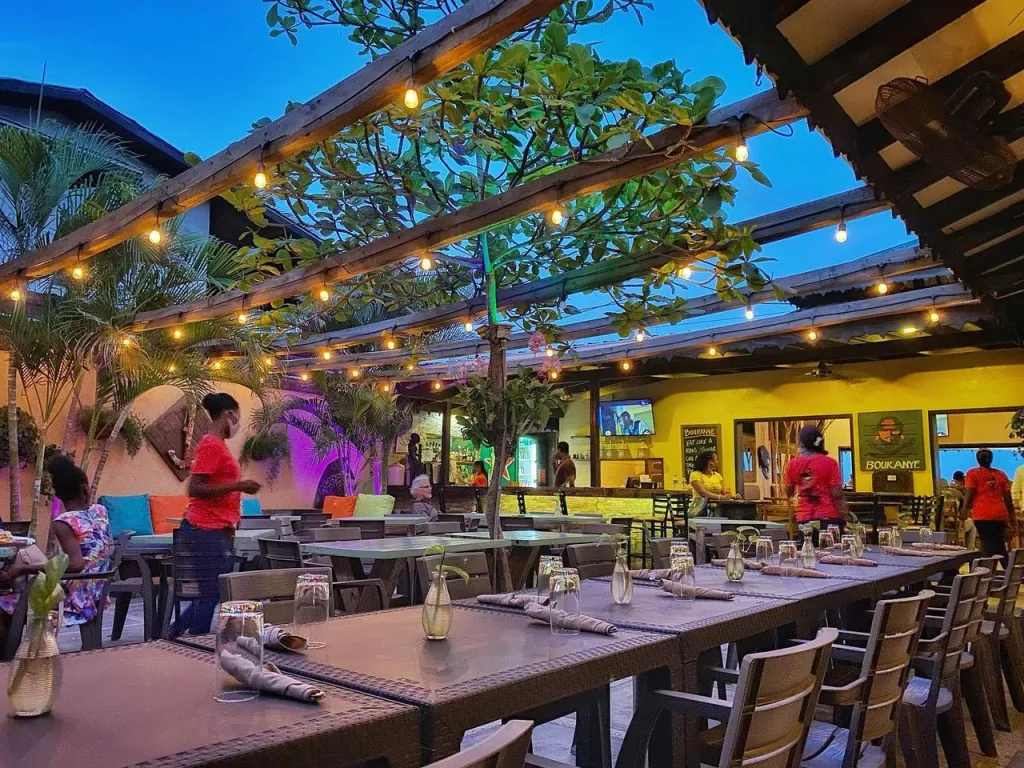
In the picturesque landscape of Cap Haïtien, stands a place that embodies the very essence of Haitian art and cuisine: Boukanye. This pirate house, founded in July 2016, has quickly become a must-see gem among area restaurants, attracting visitors from around the world for its rustic atmosphere and innovative menu. Located on the boulevard, Boukanye is much more than just a restaurant; it’s an experience in its own right. As soon as you walk through its doors, you are greeted by decor that celebrates local craftsmanship and the history of the pirates who once sailed these waters. Walls adorned with vibrant paintings and sculptures demonstrate the venue’s commitment to Haitian art, creating a warm and authentic ambiance. But Boukanye is not content to seduce with its aesthetic; its cuisine is just as captivating. Inspired by local flavors, the restaurant offers an inventive fusion of traditional Haitian dishes and contemporary culinary techniques. Whether for breakfast, lunch or dinner, Boukanye’s menu offers a tantalizing variety of seasonal dishes, accompanied by exquisite cocktails that celebrate local ingredients. What also sets Boukanye apart is his commitment to innovation. By launching a virtual tour accessible via smartphone or virtual reality headset, the restaurant has pushed the boundaries of the culinary experience. Thanks to this immersive technology, visitors from around the world can now explore the charms of Boukanye from home, immersing themselves in its captivating atmosphere and discovering its unique culinary delights. https://haitiwonderland.com/haiti-virtual-reality-ht/bar--restaurant/haiti--boukanye--visite-virtuelle/7 Whether you are a resident of Cap Haïtien or a traveler eager for authentic experiences, Boukanye offers an unforgettable getaway into the very heart of Haitian culture. By combining art, cuisine and innovation, this restaurant perfectly embodies the vibrant and dynamic spirit of Haiti, inviting everyone to embark on an unparalleled sensory journey.

The Haitian Carnival: A Festival of Colors, Music and Traditions

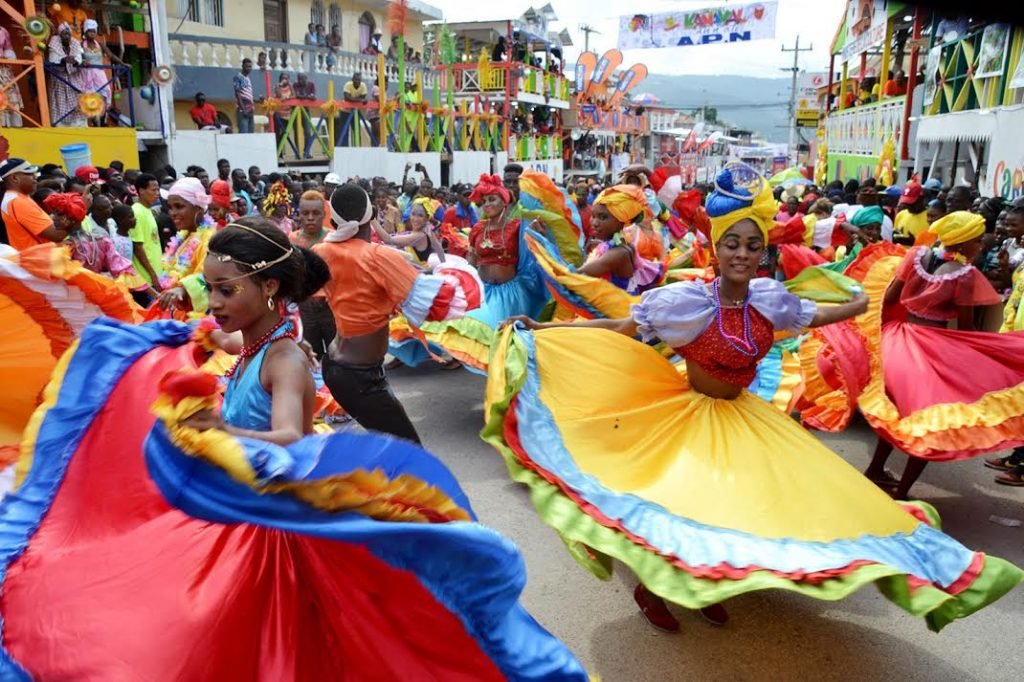
The Haitian carnival, an emblematic and essential celebration of the country’s festive calendar, is much more than a simple party. It embodies the very essence of Haitian culture, joyfully blending ancestral traditions, intoxicating music and a deep sense of community. Each year, this vibrant celebration transforms the streets into a vibrant and colorful spectacle, attracting thousands of participants and spectators eager to take part in this one-of-a-kind celebration. Haitian carnival has deep roots in the country’s history, dating back to colonial times. It has evolved over the centuries, incorporating elements of African, French and Creole culture to create a distinct and captivating celebration. The carnival period in Haïti traditionally begins in January and culminates with extravagant festivities that take place over several days. One of the most striking features of the Haitian carnival is the profusion of colors. Traditional costumes, called "masks", are elaborate and beautifully designed. They feature vivid patterns and vibrant decorations, creating a vivid picture of Haitian cultural identity. Participants, dressed in these elaborate costumes, parade through the streets to the sound of lively music, creating an electric atmosphere. Music is at the heart of the Haitian carnival. The captivating rhythms of compass, rasin, rara and other local musical genres resonate throughout the city, inviting people to dance to the rhythm of the party. Orchestras parade through the streets, accompanying the dancers and creating a unique symbiosis between the music and the graceful movements of the participants. The Haitian carnival parade is not just about the music and costumes; it also celebrates the richness of street arts. Talented artists create giant sculptures, art installations and theatrical performances that tell deep stories of Haitian history and culture. These artistic expressions contribute to the transmission of values ​​and stories that shape the identity of the Haitian people.

Newsletter

Subscribe to our newsletter to stay informed of all our activities and news on Haiti.

Recently Posted

History

History

First black nation to free itself from slavery and gain independence from France in 1804 and influenced other liberation movements around the world, inspiring struggles for freedom and equality.

Natural beauty

Natural beauty

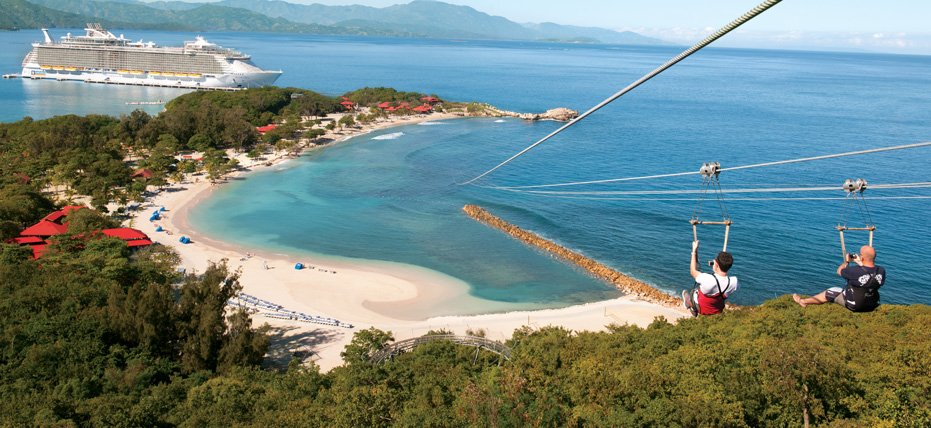
Haïti is blessed with spectacular natural landscapes, including white sand beaches, mountains and rich biodiversity.

Heritage

Heritage

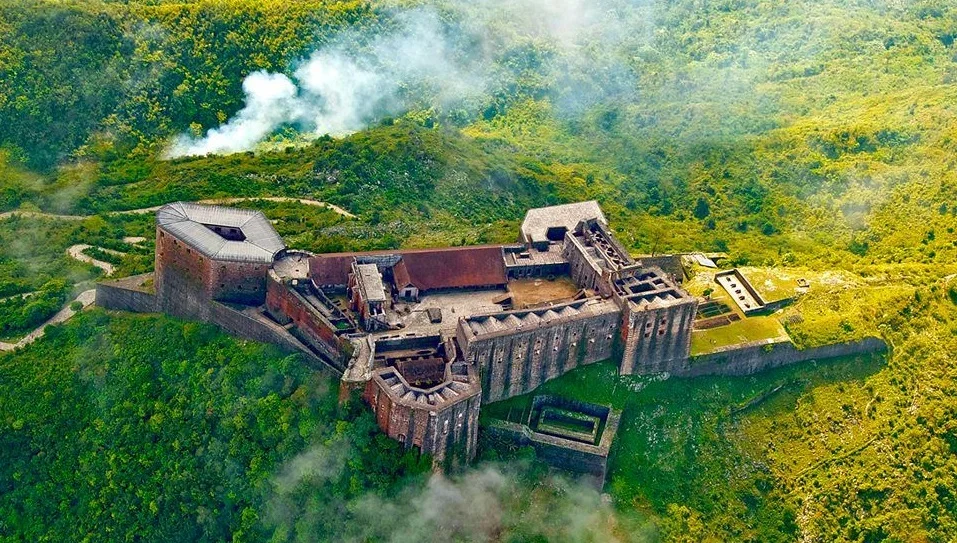
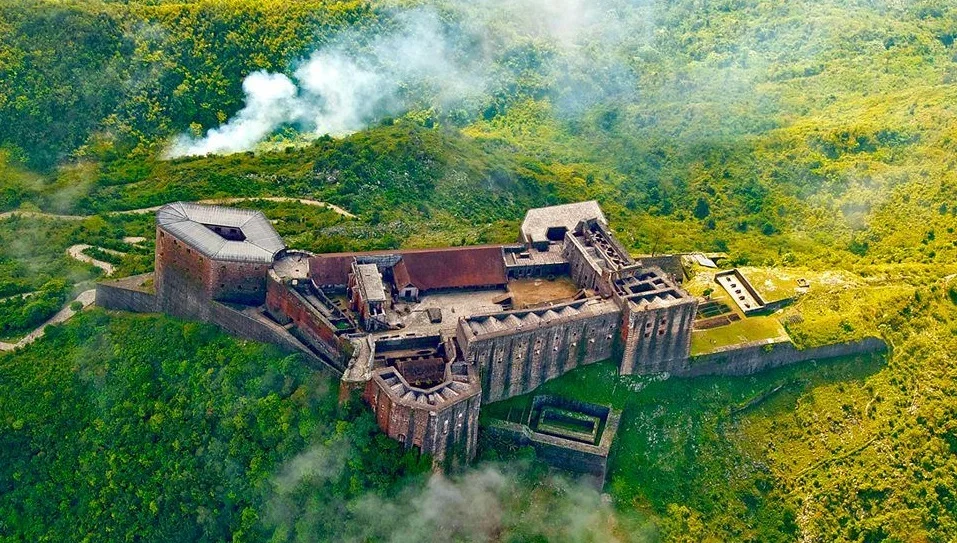
Haïti has a rich historical heritage, including sites like the Citadelle Laferrière and the Sans-Souci Palace, listed as UNESCO World Heritage Sites.

Culture

Culture

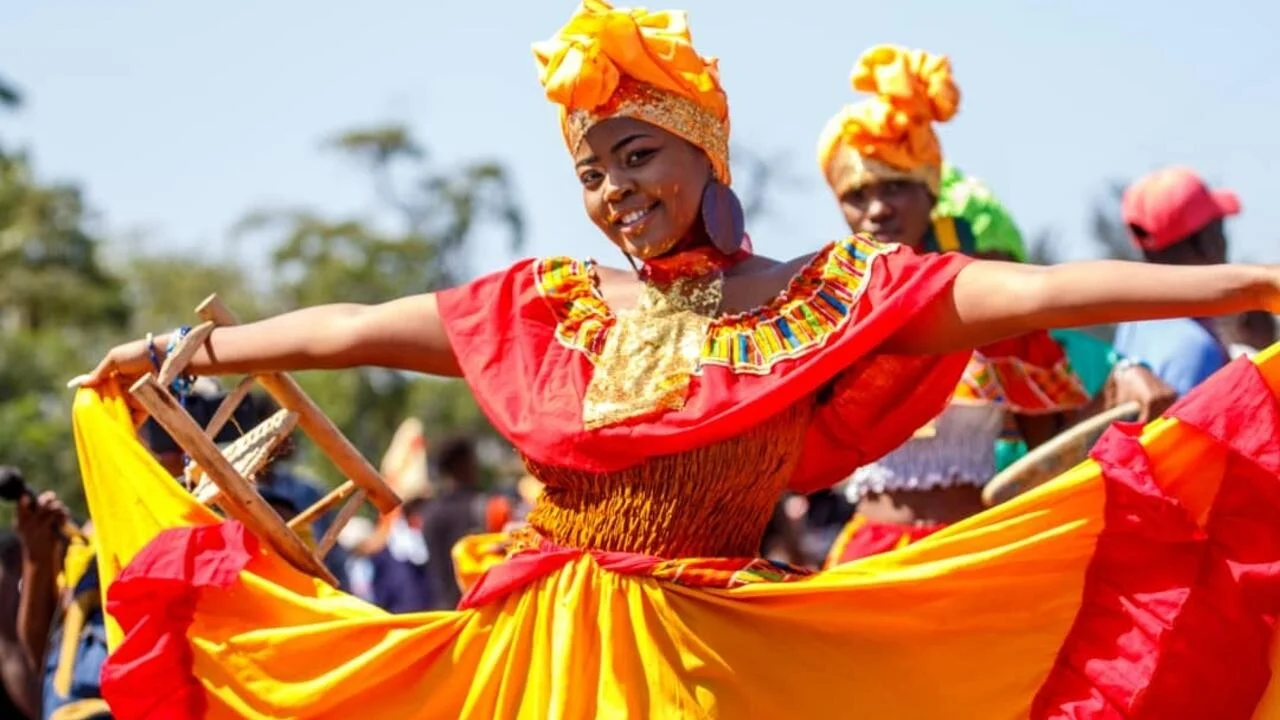
Haïti has a rich and diverse culture, influenced by African, European and indigenous elements. Haitian music, dance, art and cuisine are celebrated around the world.

  • +
    • Post