contact@haitiwonderland.com+509 36184317

Discover

Shopping Cart

Full Definition of the Word Haiti: Origin, History and Meaning

Full Definition of the Word Haiti: Origin, History and Meaning

The name Haïti embodies a rich history, marked by struggles for freedom, an indigenous heritage and an exceptional destiny. This word, today synonymous with the first independent black Republic, carries within it centuries of transformation and resilience. Discover the origin, history and meaning of this emblematic name.

Origin of the Name Haiti: A Land of Mountains

The word Haïti originates from the Taínos, the first inhabitants of the island. Indeed, Haïti is the French version of the word Ayiti, which in their language means "land of high mountains" or "mountainous country".

- A tribute to geography: This name refers to the geographical characteristics of the island, which is dominated by impressive mountain ranges and a steep relief.
- A symbol of resistance: For the Tainos, this name represented not only their territory, but also their deep connection with nature.

Thus, Ayiti reflected a vision of the land as a space of natural beauty and resource, a theme that remains central to Haitian identity.

The arrival of Europeans and the change of name

When Christopher Columbus landed on the island in 1492, he named it Hispaniola or La Española, in homage to the Spanish crown. This name remained in use for several centuries, at a time when the island became the center of colonial trade.

- A colonization marked by exploitation: Under Spanish and then French domination, the island, especially the western part, was one of the world’s leading producers of sugar, coffee and indigo thanks to the work of African slaves.
- The name Hispaniola therefore represents a period of submission and colonization, when Europeans sought to impose their authority on the island.

During this period, the name Ayiti was lost to Hispaniola and Saint-Domingue (the name of the French colony on the western part of the island).

Saint-Domingue: a colonial era marked by slavery

In the 17th century, France took possession of the western part of the island, which it called Saint-Domingue. This name was closely linked to the prosperity of the colony, which became one of the world’s largest producers of sugar and coffee. However, this economic development was based on the brutal system of slavery.

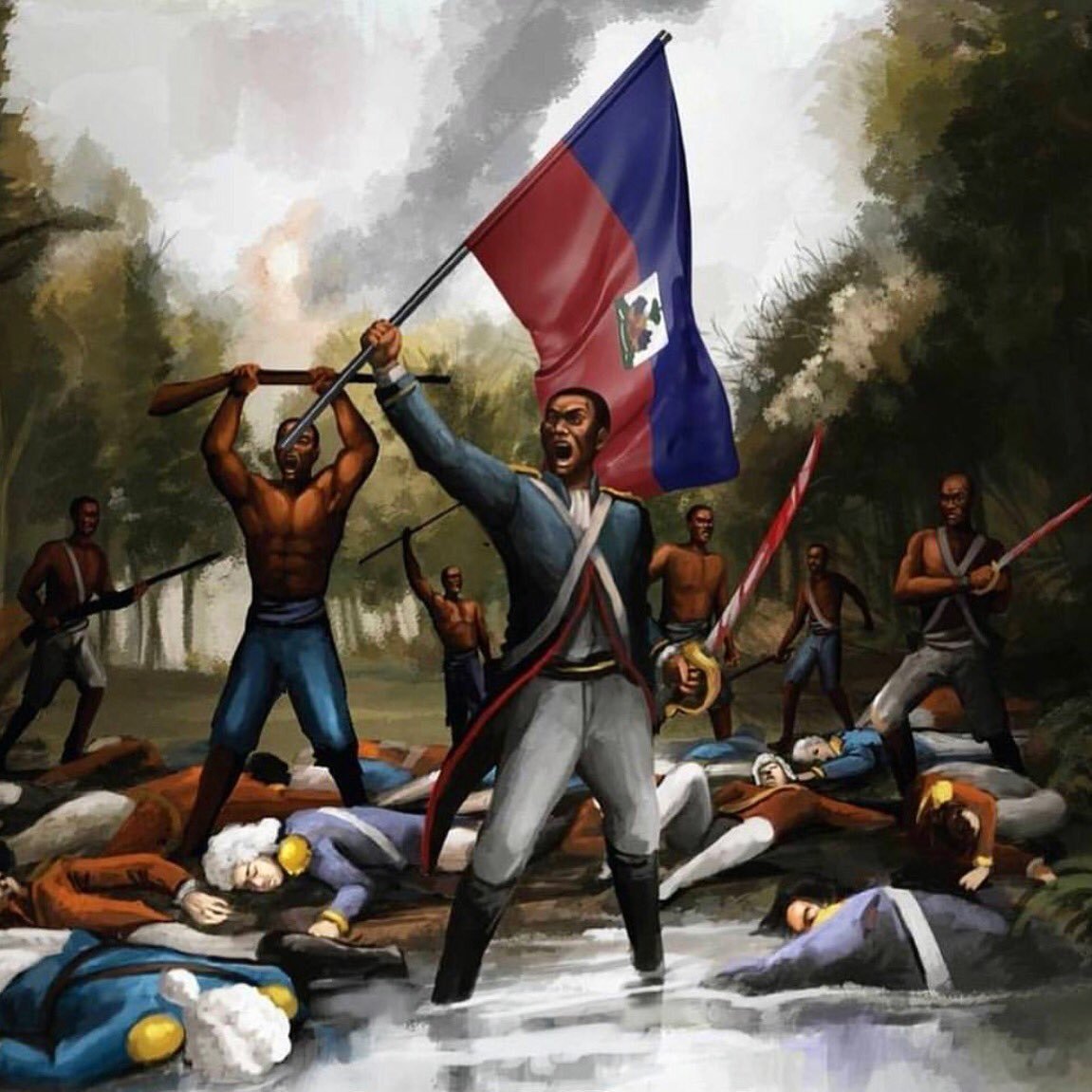
- A prosperity based on exploitation: Saint-Domingue was a model of colonial prosperity, but this wealth was the fruit of the suffering of hundreds of thousands of African slaves. - A breeding ground for revolution: It was in this context of injustice and suffering that the Haitian revolution was born, a massive uprising against slavery, led by emblematic figures such as Toussaint Louverture and Jean-Jacques Dessalines.

This revolution marked the end of the name Saint-Domingue and a return to the original identity of Ayiti.

Haiti: a name of freedom and independence

On January 1, 1804, after more than a decade of struggle, Haïti proclaimed its independence and chose to reclaim the name Ayiti, Frenchified in Haiti, to symbolize the return to indigenous roots and victory over oppression. This choice marked the end of colonial domination and the establishment of the first independent black Republic in the world.

- A symbol of resistance: The name Haïti represents above all an act of liberation, an affirmation of the right of peoples to self-determination. It embodies the fight against slavery and oppression, and the birth of an autonomous nation, proud of its origins.
- The heritage of a people: The name Haïti is now a symbol of the independence, resilience and freedom of a people who refused to submit to colonial forces.

Thus, Haïti is not simply a geographical name, but a word loaded with deep and universal meanings.

Meaning and impact of the name Haiti

The word Haïti is much more than just a geographical name: it embodies the very essence of the history of this country, marked by the struggle for freedom, resistance to oppression, and the resilience of a people. This name carries within it the echoes of past struggles and the hope for a better future.

- A symbol of freedom: Haïti remains a beacon of independence and dignity for black and colonized peoples throughout the world. - A collective memory: The name Haïti recalls the heroism of the slaves and freedmen who fought for their freedom and that of future generations.

Thus, each time the name Haïti is pronounced, it evokes centuries of history, struggle and national pride.

Haiti: a name that carries pride and hope

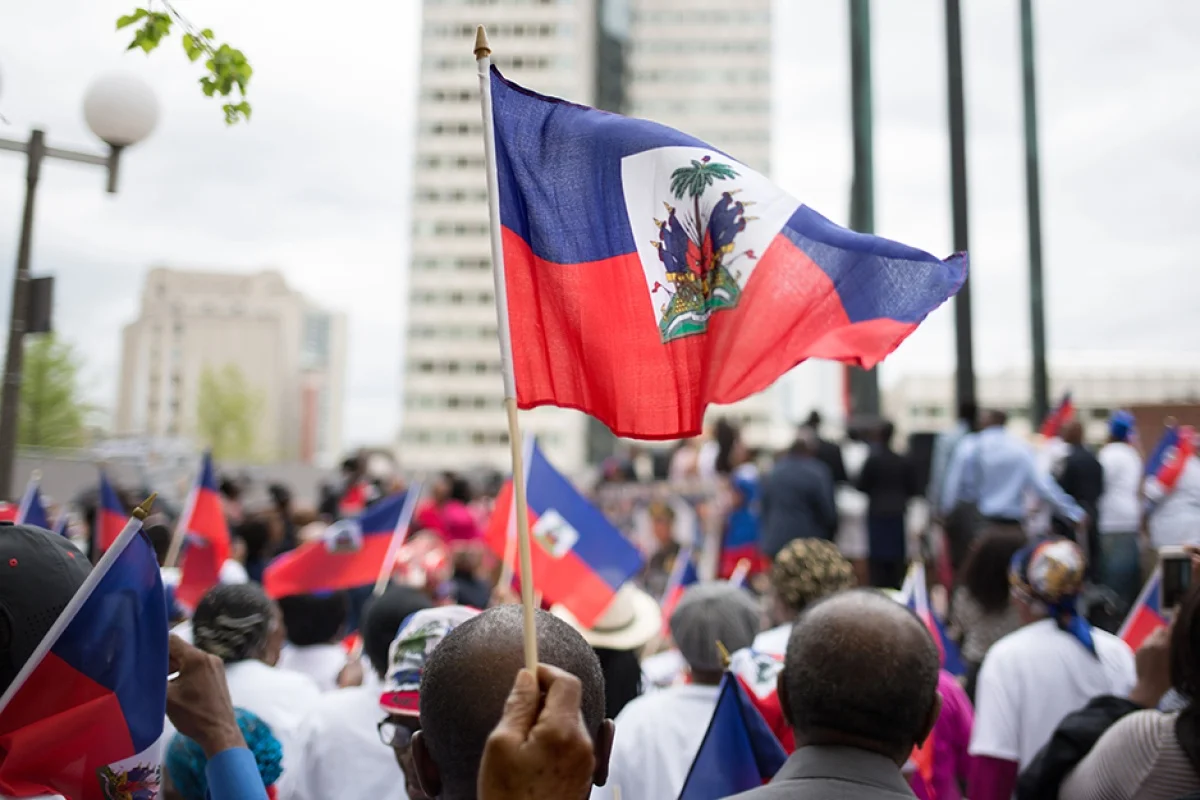
The word Haïti continues to be a source of pride for Haitians around the world, a constant reminder of the strength, resilience, and heritage of their country. By honoring its name and history, Haïti remains an example to nations around the world, leading the way toward freedom and human dignity.

And what does Haïti mean to you? Share your thoughts and let’s celebrate the beauty and resilience of this unique country.

Share
About the Author
Appolon Guy Alain
Appolon Guy Alain
Appolon Guy Alain

Full Stack Developer, Créatif, expérimenté, passionné des nouvelles technologies et de l’art.

See other articles from Appolon Guy Alain
Leave a comment

Recently Posted

Plan your trip to Haïti

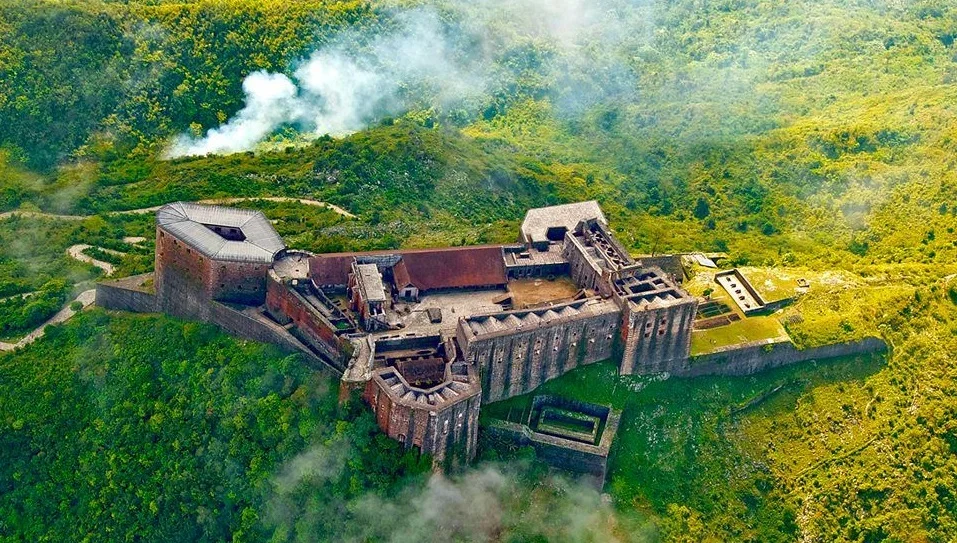
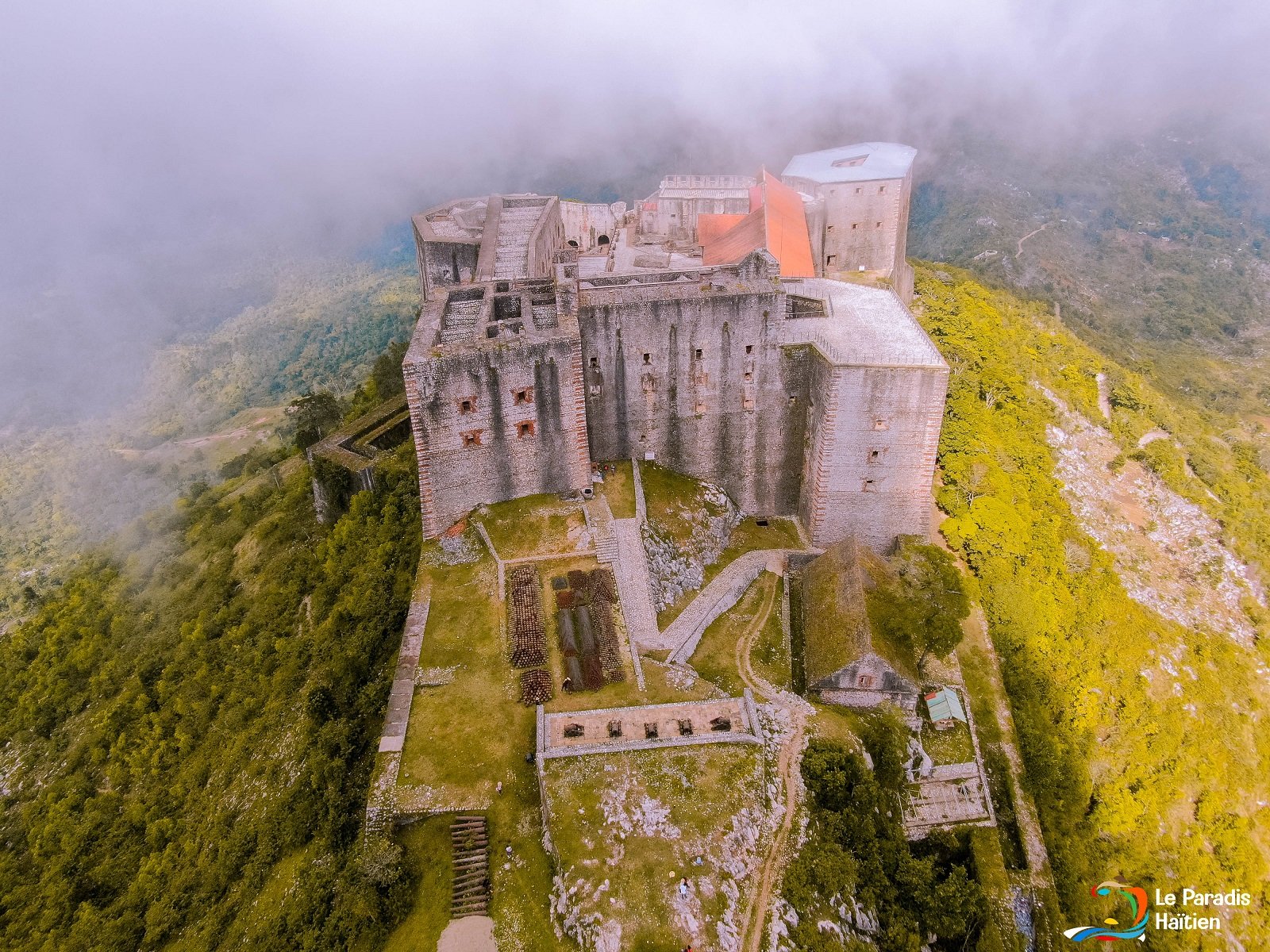
Haïti, the pearl of the Caribbean nestled west of the island of Hispaniola, offers a captivating combination of natural beauty and rich history. For an unforgettable trip, follow these wise tips to plan your stay. b~Prior Research~b Before you begin your trip, immerse yourself in Haïti’s rich culture, fascinating history, delicious cuisine and top attractions. This prior immersion will allow you to make the most of your stay and connect more easily with locals. b~Ideal time to travel~b Haïti’s mild climate throughout the year makes it an attractive tourist destination at any time. Your choice of period will depend on your preferences. If you’re passionate about cultural festivities, don’t miss the Haïtian Carnival in February, a vibrant celebration leading up to Lent. For lovers of paradise beaches like Labadee, La Côte des Arcadins, and others, summer offers a perfect mix of sun and fun times in crystal clear waters. If spirituality appeals to you, August 15 marks the Feast of the Assumption, a religious celebration marking the Virgin Mary’s ascension into heaven. And also November 1st and 2nd are dedicated to the Day of the Dead. Families go to the cemetery to honor and decorate the graves of their deceased loved ones, creating an atmosphere steeped in memory and tradition. History buffs may choose to visit on national holidays such as National Independence Day on January 1, Flag Day on May 18, and other significant events. b~Choice of Accommodation~b Haïti offers a range of accommodation options, from luxury hotels to family-friendly B&Bs. Adapt your choice according to your budget and preferences, favoring local accommodation for a more authentic experience. b~Unmissable Tourist Sites~b Among the gems to explore, discover the majestic Citadelle Laferrière, listed as a UNESCO world heritage site, the Sans Souci Palace, the La Visite National Park, the Milot Cathedral, Fort Jacques, the Heroes of Vertières, the Bassin Bleu , the Saut-Mathurine Waterfall, the Marie-Jeanne Cave, Kenscoff and Furcy, as well as the Saut d’Eau Waterfall. Also explore the artistic wealth of Haïti through its artisan markets. b~Taste Local Cuisine~b Haïtian cuisine is a symphony of exotic flavors. Be sure to sample local dishes such as griot and pea-sticky rice at local markets for an authentic culinary experience. b~Local Culture~b Haïtian culture, influenced by a rich history, is diverse and vibrant. Respect local customs, be open-minded and willing to learn. The warmth and hospitality of the Haïtians add a unique dimension to your experience. b~Means of Transport~b Opt for modern means of land transport such as Capital Coach Line, Transport Chic, Sans-Souci Tours, Le Transporteur, Grand Nord. For aerial explorers, easily book your flight with Sunrise Airways. Car rental is also an option for those looking for a more private experience. b~Language and Communication~b Although Haïtian Creole is the main language, French is also widely used. Learn a few basic phrases in Creole to facilitate exchanges and enrich your experience. By meticulously planning your trip to Haïti, you open yourself up to discovering the natural beauty, cultural richness, and warm hospitality of this Caribbean gem. Get ready to experience a unique and memorable adventure in Haïti.



Newsletter

Subscribe to our newsletter to stay informed of all our activities and news on Haiti.

Vertières, Fort Mazi: Beyond historical truth;

If you look up the word vertière in a French dictionary, you will not find it for fear that the world does not know this place represents the Achilles heels of the most powerful European army. What’s more, this one had just successfully won the eastern campaign. French historians of the time erased this geographical location from the radar of history because they did not want to tell the story as it is in the sense of explaining the first great humiliation of the expeditionary army French by bands of slaves who were totally ignorant in the art of waging war, much less in the handling of weapons. However, these illiterate wars routed the Napoleonic army, the most powerful at that time, using the means at hand. This expeditionary army, after having brought Europe to its knees, would experience its first rout by slaves in this geographical location, located in the Northern department of Haiti. Funny story, this city is not on the list of French words even though given its historical importance, it should be at the heart of universal history, far from putting an end to the invincibility of the undefeated army army. So as not to offend the white masters, no political leader has ever asked why vertière does not appear in any French dictionary? However, they celebrate this battle with great fanfare every November 18. What historic hypocrisy among our leaders! After Vertière many other historical places are strangled by historians in order to hide the extremes of atrocities of the French colonists on the slaves. It is in this context of historical strangulation that “Fort Mazi” is not mentioned in school history textbooks. This is located in Petit-Goave, 2nd municipal section, Arnoux locality. We came across this mega fort, during a mobile clinic entirely financed by the Ernest Junior foundation, a charitable foundation which works in the social sector, particularly in the field of art and music. According to residents , the oldest in this locality, this fort was built on at least 20 squares of earth by the settlers. It was a huge military complex divided into compartments, outposts, turtle rooms, rooms for treating colonists, a large Catholic church, and a cemetery. However, we never talk about this fort so much so that it is ignored by history teachers in the town of Petit-Goave. Certainly, the desired disappearance of this fort under the radar of history buries the atrocities, the barbarities, the most inhumane punishments of the colonists on the slaves. Looking closely at reality, everything seems true that it is the largest fort ever built during the period of colonization. Moreover, it probably seems the most fortified in relation to its importance. Remember that Vertière only exists in Haitian school history textbooks while Fort Mazi does not appear, much less in French dictionaries or history books. This explains why this fort was a secret place in which the settlers practiced crimes and atrocities that went beyond human understanding. Is it not a clear desire of historians to hide what this immense fort built on at least 20 tiles of earth really was? Discover the history of Haiti: A fascinating story to explore! : https://haitiwonderland.com/haiti/histoire/decouvrez-l-histoire-d-haiti--un-recit-fascinant-a-explorer/81

Recently Posted

History

History

First black nation to free itself from slavery and gain independence from France in 1804 and influenced other liberation movements around the world, inspiring struggles for freedom and equality.

Natural beauty

Natural beauty

Haïti is blessed with spectacular natural landscapes, including white sand beaches, mountains and rich biodiversity.

Heritage

Heritage

Haïti has a rich historical heritage, including sites like the Citadelle Laferrière and the Sans-Souci Palace, listed as UNESCO World Heritage Sites.

Culture

Culture

Haïti has a rich and diverse culture, influenced by African, European and indigenous elements. Haitian music, dance, art and cuisine are celebrated around the world.

  • +
    • Post