contact@haitiwonderland.com+509 36184317

Discover

Shopping Cart

The compas direct: an important part of Haitian identity
  • Music
  • July 03, 2024
  •     2

The compas direct: an important part of Haitian identity

La musique joue un rôle crucial dans la formation de l’identité d’une nation, en haïti, elle occupe une place centrale dans la vie de presque tous les haïtiens. Elle est utilisée comme étant l’un des moyens les plus fiables dont se sert le peuple haïtien pour s’évader face aux nombreux événements qui constituent l’essentiel de son quotidien. Le genre musical qui prédomine en haïti est le compas direct. Créer par l’esprit créatif haïtien, le compas à évoluer au fil des années pour aboutir jusqu’à sa position actuelle.

Music plays a crucial role in shaping the identity of a nation; in Haiti, it occupies a central place in the lives of almost all Haitians. It is used as one of the most reliable means used by the Haitian people to escape from the many events that constitute the majority of their daily lives.

The musical genre that predominates in Haïti is direct compass. Created by the Haitian creative spirit, the compass evolved over the years to reach its current position. Today we can say with certainty that it is a musical genre that transcends generations and borders, becoming a symbol of pride and an inspiring sign for Haitians around the world.

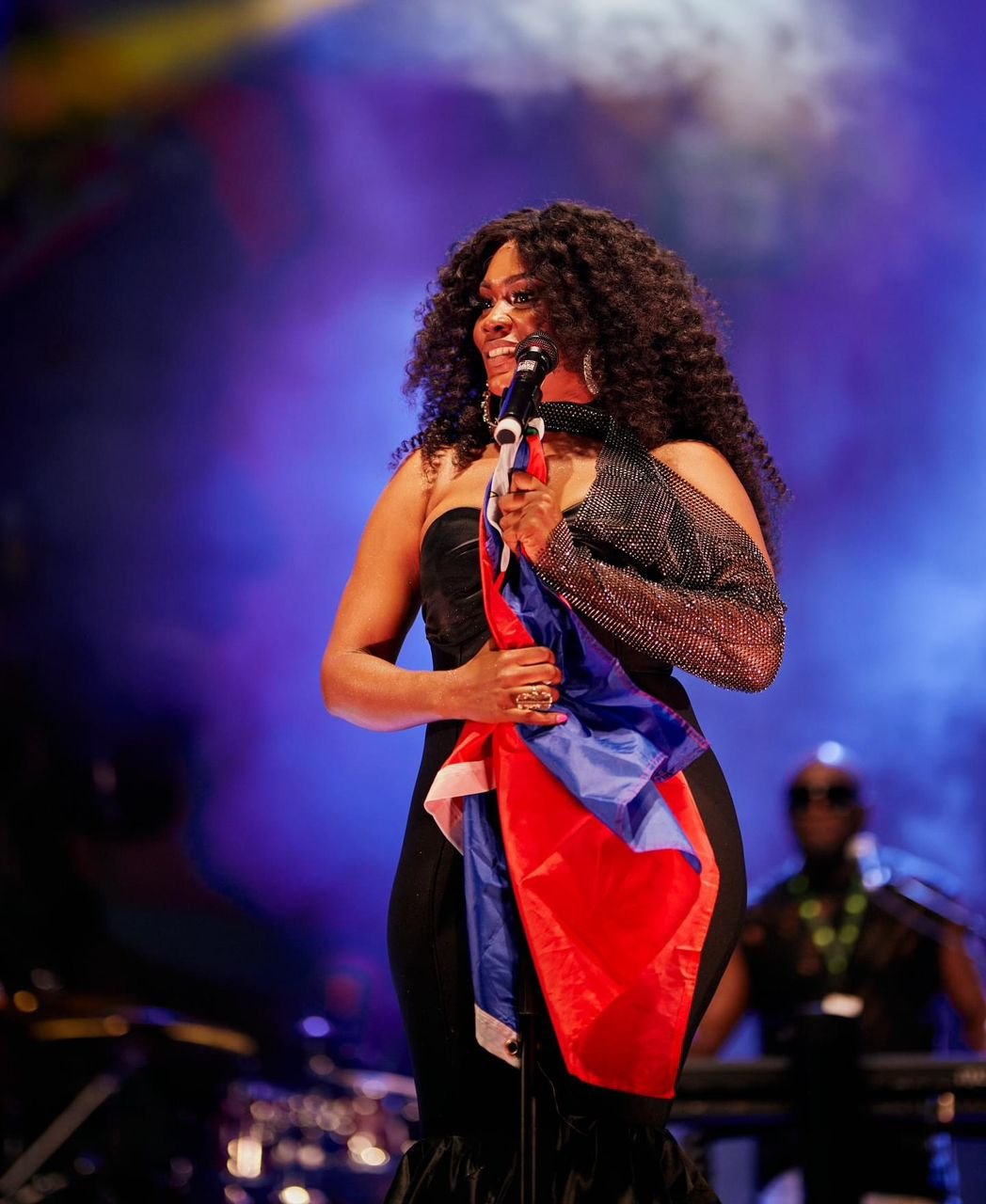
Compas
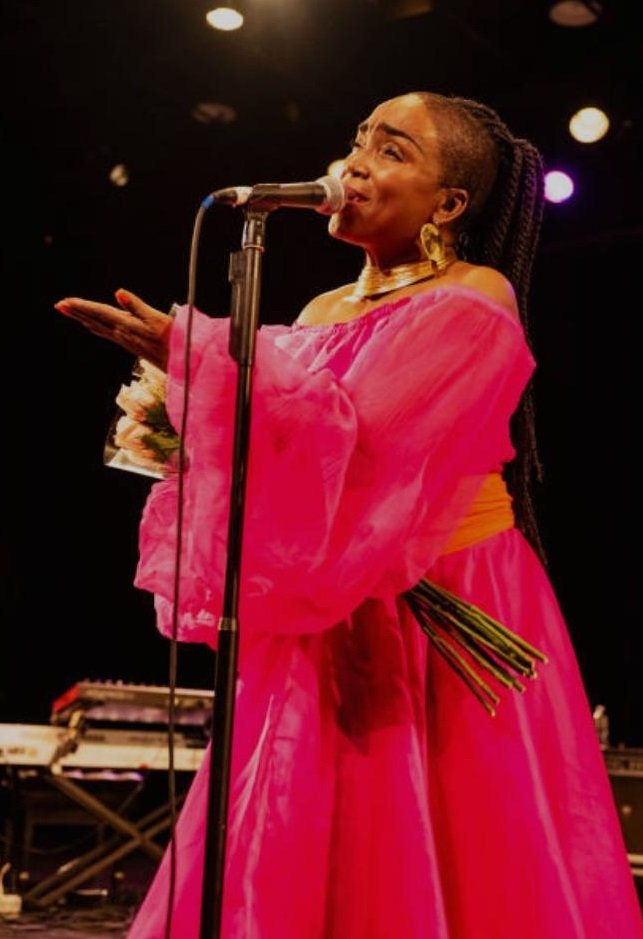
Compas
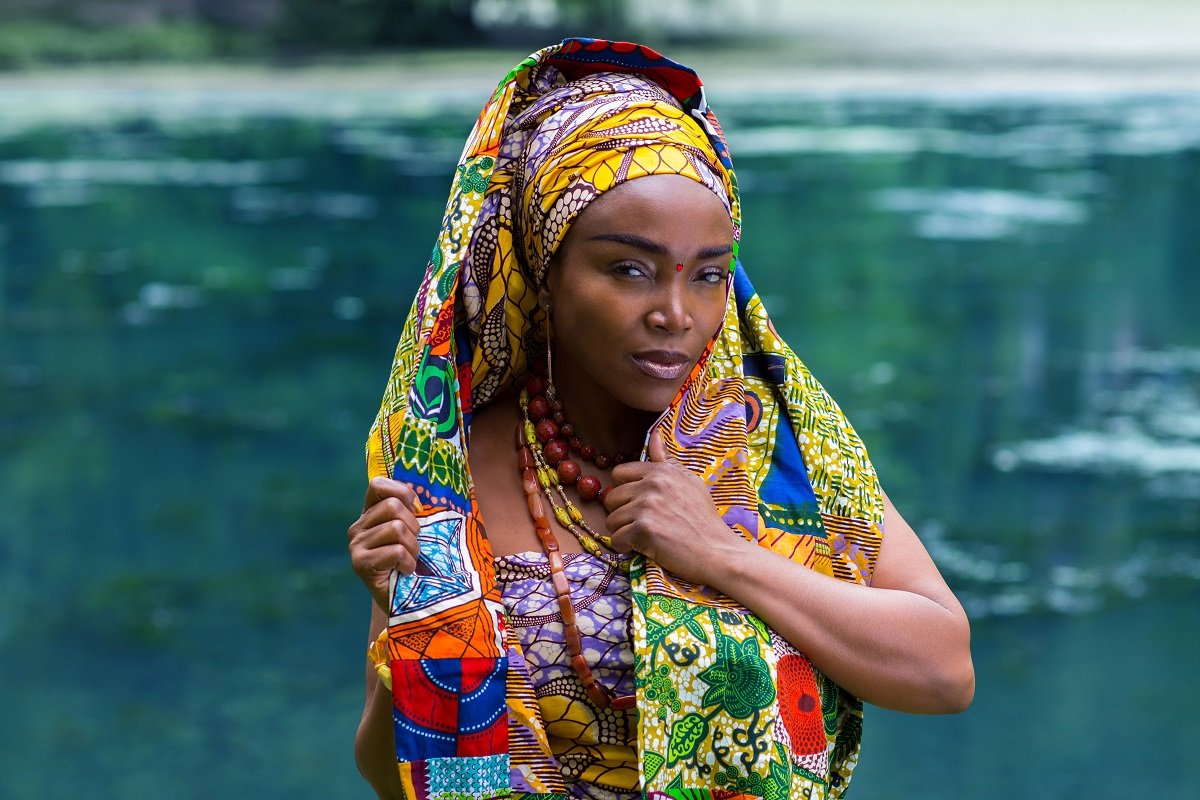
Compas

The compass a real instrument of social cohesion

The privileged place occupied by the compass allows it to be an omnipresent musical genre in Haitian society. It is found both in the most exclusive salons and in the neighborhoods most exposed to poverty. It manifests itself strongly in all religious cults (Protestants; Catholics; Vodouists); popular festivities, including political movements. It is also a means of celebration, protest, and above all, preservation of Haitian cultural identity in the face of the challenges of acculturation due to the strong exposure of young Haitians to dominant external cultures.

See as well

Compas
Compas
Compas

The origin of the direct compass.

The direct compass was born in the middle of the 20th century and then was popularized by Nemours Jean-Baptiste, a famous Haitian musician, internationally recognized and considered the father of the direct compass, it was he who launched the genre in 1955 with his orchestra musical.

Technically the compass is a mixture of Afro-Caribbean rhythms, meringue and African-American jazz influences, characterized by driving rhythms and bass lines. This fusion gave birth to a distinctive sound that quickly captured the hearts of Haitians and West Indians in general.

Compas
Compas
Compas

The influence of the compass in life in Haïti and within the Haitian diaspora.

The compass is not just a musical genre; it is a way of life for many Haitians. For the Haitian diaspora, the compass is a means of attachment to the country. It is an effective tool for combating exile and feeling in the middle of your culture just by listening to a piece of music.

The lyrics of compas songs most often reflect the social and political realities of the country and those of Haitians in the diaspora. We can cite as examples the works of ti manno, with his group dipi-exprès those of skacha #1, a group of internationally recognized compass, whose sounds recount the daily adventures of Haitians, the beauty of Haitian women and the joys of Haitians despite their difficulties. We can take "koupé klouré" as an example to conclude, Gesner Henry, his real name, is the greatest phenomenon of the compass. Listening to him we feel very clearly the intimacy of Haitians which is revealed in broad daylight, thus becoming a mirror of Haitian society. Generally speaking, compass artists are emblematic figures who inspire and mobilize in society. Their voice matters a lot.

Compas
Compas
Compas

The evolution of the compass.

Since its creation, the compass has undergone numerous developments. In the 1970s and 1980s it went international with bands like Tabou Combo and Magnum Band who brought the genre to the world stage. In the 1990s and 2000s, Compass incorporated elements of electronic music, rap and reggae, while still retaining its roots. Today, the compass continues to reinvent itself, influencing and being influenced by other musical genres, while remaining true to its essence.
At first glance, the nemours compass is not that of zenglen, djakout, or even zafèm to cite the current group of superstars of the direct compass at the moment. It is a music reworked almost from top to bottom and whose most necessary tools and instruments have been reworked in order to be able to adapt to the demands of our time.

Compas
Compas
Compas

The compass at the origin of zouk

The impact of the direct compass on zouk and West Indian music in general is very considerable. And can only be measured on a multiple variation scale.
Departing from this significant impact, the Antilles remain favorable terrain for the development of the compass outside of Haiti. And it is practically from this influence that the greatest classics of West Indian music emerge.

In the 1980s, Guadeloupean and Martinican musicians, such as the founders of the group Kassav’, were inspired by the compass to create zouk. This new genre which had quickly gained popularity in the Caribbean, Africa and beyond, establishing a musical bridge between the West Indians and the rest of the world. Enriching the Caribbean musical heritage, by uniting all the West Indian peoples through a common musical history.
The compass can boast of being at the origin of West Indian zouk.

In other words, beyond the painful memories of slavery and the socio-economic challenges that characterize the West Indies, the direct compass from its great influence stands out as a unifying element which Haitians and West Indians use to create a common voice. It represents the resilience, creativity and joy of living of the Haitian people who refuse to stay on the ground.

In short, direct compass is much more than a musical genre; it is a reflection of the Haitian soul and a testimony to the cultural richness of the Antilles. It continues to evolve, and will continue to unite and inspire, affirming its central place in the identity of an entire region. And Haïti has the precious privilege of being at the origin of this highly impactful musical phenomenon. It is one of the elements which confirms the great cultural wealth of this beautiful little Caribbean country.

Share
About the Author
Moise Francois
Moise Francois
Moise Francois

Journalist editor, poet and apprentice lawyer.

See other articles from Moise Francois
François Dordy

Mwen ta renmen aprann plis sou kilti m avèk Wonderland.
Mèsi anpil pou gwo travay sa a.
Kenbe djanm.

November 01, 2024 - 06:40:10 AM
Allian Gentille

Felisitasyon!

May 18, 2026 - 07:57:17 AM
Leave a comment

Recently Posted

Newsletter

Subscribe to our newsletter to stay informed of all our activities and news on Haiti.

Haïti / Fort Saint-Joseph: Historical Vestige of the Resistance

Located in the Bay of Cap-Haitien, Fort Saint-Joseph stands like a silent guardian of Haiti’s tumultuous history. Built in two stages, in 1748 and 1774, this defensive work was once a crucial element of the city’s protection system against French colonial assaults. Alongside other forts such as Picolet and Magny, its mission was to control maritime passages and defend Haitian sovereignty. However, its history is not limited to its defensive function. In 1802, then under the control of General Henry Christophe, the fort became the scene of a heroic act of resistance. Faced with the French expeditionary army, Christophe ordered the destruction of the powder magazine and the entrance gate to the fort, thus rendering it temporarily unusable. This courageous gesture, although tactical, left indelible scars on the very structure of the fort, testifying to the fierce clashes between French colonial forces and Haitian resistance fighters. These historic marks, still visible today, offer a window into the country’s tumultuous past. They allow visitors and historians to interpret the fierce struggles that forged Haitian identity. Fort Saint-Joseph, as a witness to the resistance and the struggle for freedom, embodies the indomitable spirit of the Haitian people. Recognizing its historical significance, the Haitian government officially classified Fort Saint-Joseph as national heritage in 1995. This recognition paved the way for restoration efforts aimed at preserving this precious vestige of Haitian military heritage. Thanks to collaboration between the public sector and local private funding, the fort has recently been restored and enhanced. Thus, Fort Saint-Joseph remains much more than a simple stone structure. It is a living symbol of the resilience and determination of the Haitian people, reminding all visitors that Haiti’s history is deeply rooted in the struggle for freedom and human dignity. To virtually discover this jewel of Haitian history, you can visit the following link: https://haitiwonderland.com/haiti-virtual-reality-ht/monuments-histoire/haiti--fort-saint-joseph--visite- virtual/11

Guédés: When Haïti celebrates its ancestors with color and fervor

Every November 1st and 2nd, Haïti comes alive with the colors black and purple to celebrate the Guédés, spirits venerated in the voodoo religion, symbols of a powerful bond between the living and the dead. Fascinating, indomitable and provocative, the Guédés form a true family in the pantheon of Haitian voodoo, where they are respected for their role as spiritual guides of the deceased to the afterlife. Led by iconic figures such as the legendary Baron Samedi and his companion Grann Brigitte, the Guédés embody the paradoxes of life and death. Each Baron has a unique personality: Baron Cimetière, Baron Kriminel, and Baron La Croix are the guardians of the souls that wander on the borders of the world of the dead. Together, they form a powerful and somewhat frightening presence, but one that is deeply rooted in Haitian culture. The Guédés are not like other voodoo spirits; they demonstrate their fearlessness in a spectacular way. Accustomed to death, they are fearless and are provocative: they eat glass, raw peppers, and coat their sensitive parts with rum and pepper. These gestures mark their indifference to danger and remind us that they have already known earthly life. They are thus psychopomps – these beings who lead the souls of the dead – and act as bridges between the world of the living and that of the dead. Some Guédés, like Guédé Nibo, wear black, purple, and white clothing, each with unique characteristics. They are many and varied: Guédé Fouillé, Guédé Loraj, Papa Guédé, and many others. These are the spirits who, each year, remind Haitians of the importance of remembering and honoring the deceased. The cult of the Guédés is not only religious; it is also cultural and historical. According to tradition, their spiritual territory, or “Fètomè” – nicknamed the “Country without Hats” – is a place where the souls of ancestors reside. According to stories, the origins of this cult go back to the Abomey plateau, the ancient capital of the kingdom of Dahomey, in Africa, where death and life coexist in a form of symbiosis. This celebration in Haïti even finds echoes in ancient history. The Romans also honored their dead with the “Fête des Lémuria”, which took place in February, to ward off spirits and restore peace between the world of the living and that of the deceased. For Haitians, honoring the Guédés is about accepting death as a part of life and celebrating the invisible bonds that unite us with those who have left us. It is also a way of resisting, because life, despite its challenges, must be celebrated in all its complexity and depth.

Christmas in Haiti: Between Magic, Discoveries and Delicacies

The joyful ringing of bells echoes through the streets of Haïti as the holiday season approaches. Christmas is a magical time when the streets light up, families gather and a warm atmosphere invades the island. Between traditions, cultural discoveries and gourmet feasts, Christmas in Haïti promises a unique experience. b~The Magic of Lights and Decorations~b From the beginning of December, Haïti is adorned with sparkling lights and festive decorations. The markets come alive with shimmering garlands, twinkling stars and ornate fir trees. The streets of Port-au-Prince in Jacmel shine with a special magic, inviting locals and visitors to immerse themselves in the festive spirit. b~Haitian Traditions at Christmas~b Christmas in Haïti is celebrated with a unique combination of religious traditions and local customs. Midnight Mass is a deeply rooted tradition, drawing worshipers to churches to celebrate the birth of Jesus in a vibrant atmosphere of song and prayer. A popular tradition is the "Dawn Mass" which takes place at dawn on December 25. The faithful gather to welcome Christmas Day with special fervor, testifying to the deep spirituality that permeates the festivities. The festivities are not limited to churches. Street parades, folk dances and concerts are commonplace, creating a joyful atmosphere throughout the country. Traditional Haitian music, such as direct compass and voodoo, adds a special dimension to these celebrations. b~Cultural Discoveries: Haitian Crafts~b Christmas is also an ideal opportunity to discover unique Haitian crafts. Christmas markets offer a variety of handicrafts, such as wooden sculptures, vivid paintings, wrought iron items and traditional jewelry. These works of art reflect the artistic talent of the Haitian people and provide unique and meaningful gifts. Local markets, such as the Ferrier market in Cap-Haitien and the Jacmel market, are essential places to discover the authenticity of Haitian crafts. These purchases also help support local artists and the community economy. b~Gourmet Feasts: Christmas Cuisine~b Christmas in Haïti is also a gastronomic celebration. Families gather around festive tables laden with traditional culinary delights. “Joumou soup”, a pumpkin soup, is an essential specialty of the holiday season. Pork, lamb and chicken dishes are also common, accompanied by rice and local vegetables. Traditional desserts, such as “Pen patat” and “Tablèt Pistach,” add a sweet touch to the celebration. Tropical fruits, such as mangoes and bananas, are also often present on Christmas tables, recalling the richness of Haitian biodiversity. Christmas in Haïti is a vibrant celebration that blends the magic of lights, religious traditions, local crafts and delicious cuisine. It is a time when joy and generosity are in the spotlight, and when Haitians open their hearts to share the magic of the season with the world.

Recently Posted

History

History

First black nation to free itself from slavery and gain independence from France in 1804 and influenced other liberation movements around the world, inspiring struggles for freedom and equality.

Natural beauty

Natural beauty

Haïti is blessed with spectacular natural landscapes, including white sand beaches, mountains and rich biodiversity.

Heritage

Heritage

Haïti has a rich historical heritage, including sites like the Citadelle Laferrière and the Sans-Souci Palace, listed as UNESCO World Heritage Sites.

Culture

Culture

Haïti has a rich and diverse culture, influenced by African, European and indigenous elements. Haitian music, dance, art and cuisine are celebrated around the world.

  • +
    • Post