contact@haitiwonderland.com+509 36184317

Discover

Shopping Cart

Haitian Pain Patate: Traditional Soft Recipe with Sweet Potato and Coconut Milk

Haitian Pain Patate: Traditional Soft Recipe with Sweet Potato and Coconut Milk

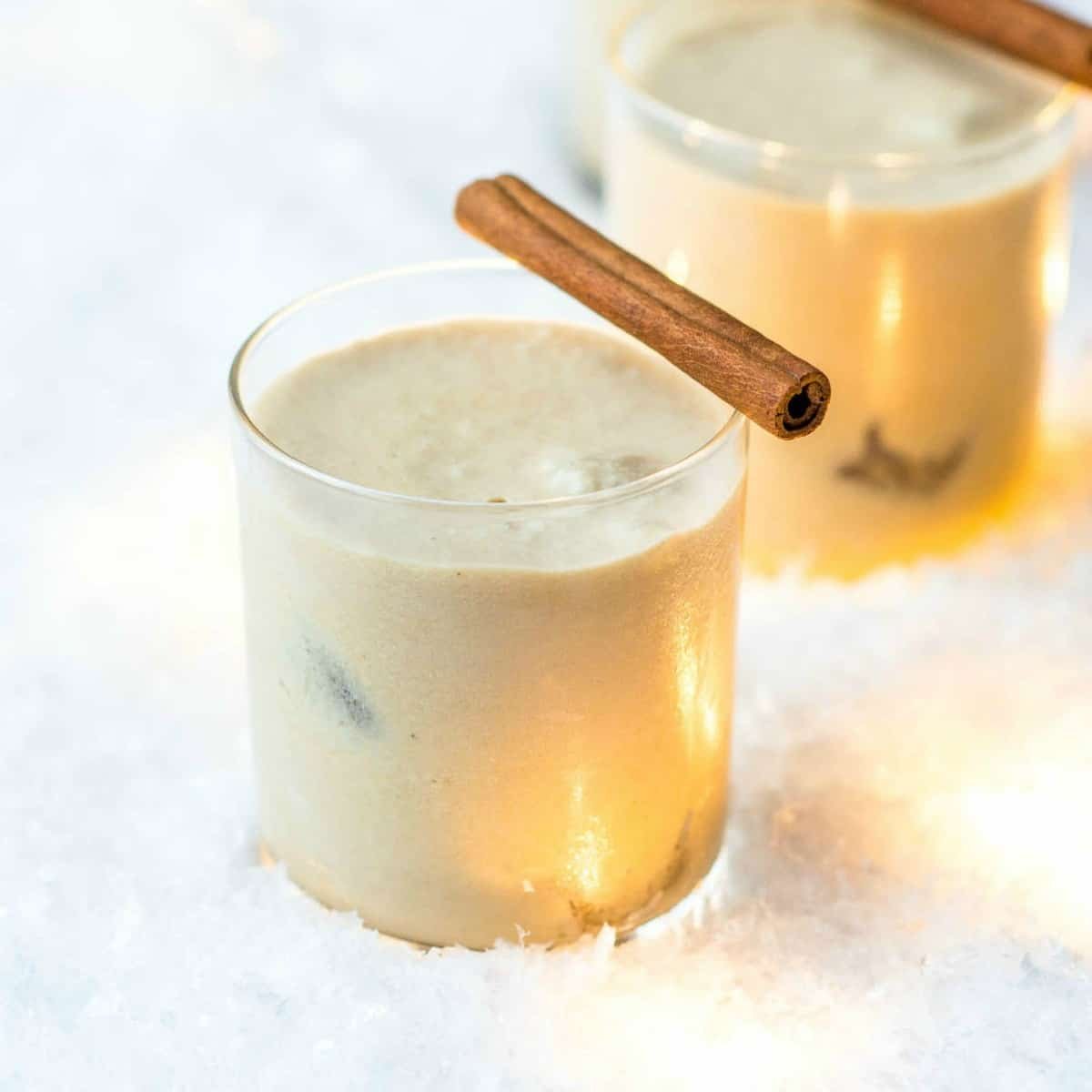
Haitian pain patate is a staple of traditional Haitian cuisine, often prepared for special occasions, holidays, or simply for the pleasure of enjoying a homemade dessert rich in flavor. This soft cake made with sweet potato, coconut milk, banana, and a savory blend of spices delights with its melt-in-the-mouth texture and irresistible aroma.

Easy to make and full of character, pain patate is a true Proust madeleine for many Haitians. Whether you’re looking for comfort food or eager to discover a classic Caribbean pastry, this recipe will guide you step by step to successfully make this iconic Haitian dessert.

INGREDIENTS

- 500g white-fleshed sweet potatoes (2 large potatoes)
- 400ml unsweetened condensed milk
- 200ml coconut milk
- 100g cane sugar
- 1 very ripe banana
- 50g butter
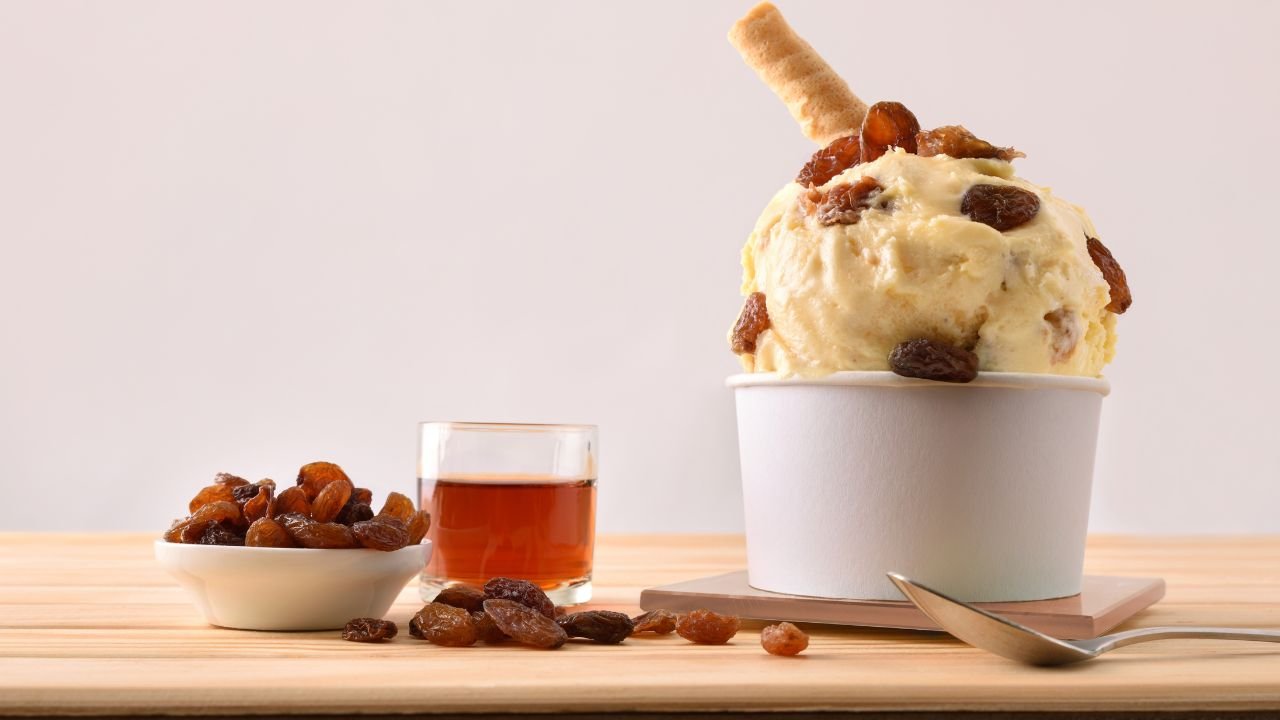
- 5cl aged dark rum
- 1 pinch of salt
- 1 teaspoon ground cinnamon
- 1 teaspoon ground nutmeg
- 1 teaspoon ground ginger
- 1 teaspoon grated lime zest
- 50g raisins
- 1/2 teaspoon vanilla extract

INSTRUCTIONS

1. Soak the raisins in the rum.
2. Wash, peel, and cut the sweet potatoes into small pieces. 3. In a blender, combine the sweet potato pieces, banana, unsweetened condensed milk, and coconut milk.
4. Blend until smooth (without lumps).
5. Pour the mixture into a saucepan. Add the butter, sugar, salt, and spices (cinnamon, nutmeg, ginger, and grated lemon zest).
6. Cook for about 30 minutes over low heat, stirring regularly. Add the raisins, rum, and vanilla extract toward the end of cooking.
7. Preheat the oven to 180°C (350°F).
8. Pour the mixture into a greased pan and bake for 50 minutes, until golden brown.

Share
About the Author
Jeunes Influenceurs
Jeunes Influenceurs
Leave a comment

Recently Posted

Newsletter

Subscribe to our newsletter to stay informed of all our activities and news on Haiti.

Haiti: The Center department, one of the departments most resistant to natural earthquakes

The Center department, commonly called Plateau Central, is one of the ten (10) departments of Haïti most robust in the face of certain natural phenomena. Before becoming one of the ten (10) departments of Haiti, the Center department was part of the Great North. It is renowned for its natural landscapes, its biosphere climate and its resistance to certain natural phenomena. In addition to its natural productions such as corn, millet and livestock, the Center department is also known for its high mountains which constitute a robust defense against certain natural phenomena such as earthquakes and floods. Composed mainly of high mountains, the department of Charlemagne Peralte and Benoît Batravil is the only one of the ten (10) not to have an outlet to the sea. However, its inhabitants take advantage of the vast rivers, rivers and lakes which cross it . With an area of ​​3,487 km², the population of the Center department is estimated at 678,626 according to a study carried out in 2009. On this same area, the department is divided into four (4) districts and twelve (12) communes. Bordered to the east by the Dominican Republic, the Center department connects other departments of the country such as Nord and Artibonite, and connects the two countries of the island through border areas like Balladère, Hinche and Cerca Carvajal. In the Center department, there are sites that could attract tourists for their natural beauty. In Saut d’Eau, there is the Saut d’Eau waterfall, in Hinche we find the Zim basin, the Péligre lake, the Péligre hydroelectric dam, the Artibonite river, and the Deux river (2 ) Rooms in Thomonde, more precisely in "El Manni", not far from the communal section of Caille-Epin. Thanks to its strong mountains and its natural climate, the Center department remains one of the most resistant departments in the event of an earthquake in Haiti.


Recently Posted

History

History

First black nation to free itself from slavery and gain independence from France in 1804 and influenced other liberation movements around the world, inspiring struggles for freedom and equality.

Natural beauty

Natural beauty

Haïti is blessed with spectacular natural landscapes, including white sand beaches, mountains and rich biodiversity.

Heritage

Heritage

Haïti has a rich historical heritage, including sites like the Citadelle Laferrière and the Sans-Souci Palace, listed as UNESCO World Heritage Sites.

Culture

Culture

Haïti has a rich and diverse culture, influenced by African, European and indigenous elements. Haitian music, dance, art and cuisine are celebrated around the world.

  • +
    • Post