contact@haitiwonderland.com+509 36184317

Discover

Shopping Cart

5 cities in Haïti to explore

5 cities in Haïti to explore

Haiti, a Caribbean republic with a rich historical past, is divided into ten departments comprising 140 communes. Its history dates back to pre-Columbian times with the Tainos, followed by European colonization and a historic rebellion against slavery and colonial rule, culminating in its independence in 1804. Despite its current challenges, Haïti offers remarkable natural beauty with its beaches, its mountains and its cultural diversity. Among its municipalities, some stand out for their charm and history. Here is a selection of five of the most remarkable communes in Haiti, inviting you to discover its hidden treasures.

Les Cayes, Haiti
Les Cayes, Haiti
Les Cayes, Haiti

1) Cayes

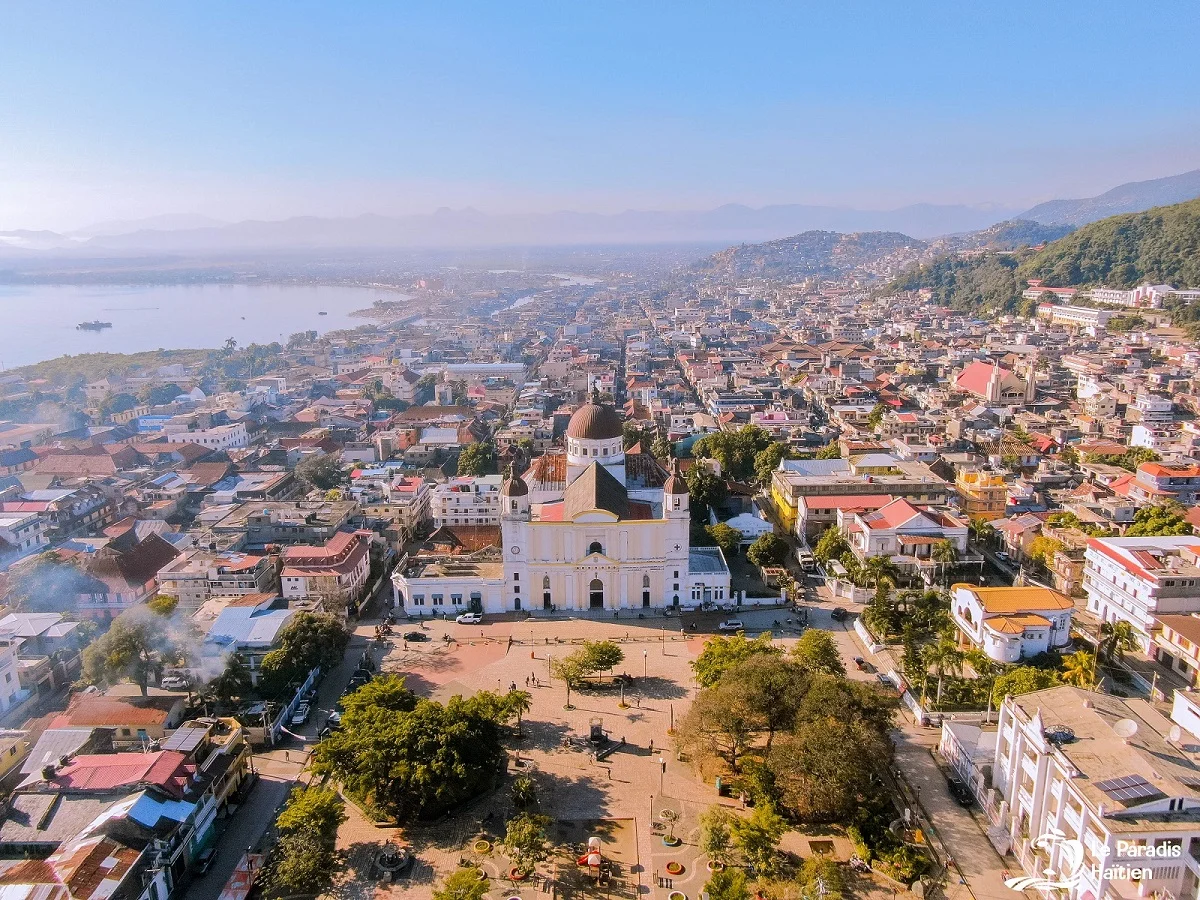
The town of Les Cayes was founded in 1726 according to a plan drawn up by Mr. de la Lance on the site of Salvatierra de la Zabana (Land saved from the waters), a Spanish town created during the government of Nicolás de Ovando in 1503. Now is the third city of Haiti, capital of the Sud department. It is a diverse destination that will delight travelers in search of nature, history and authentic discoveries. In addition to the famous Grotte Marie-Jeanne and the Bergeau botanical garden , visitors can enjoy the magnificent beaches of Gelée and Île à Vache for water activities and moments of relaxation. This city steeped in history, recalls the struggles for Haiti’s independence. The bustling Les Cayes market offers local produce and crafts, while colonial architecture and Haitian cuisine enrich the cultural experience. In summary, the city of Les Cayes is a diverse destination which will delight travelers in search of nature, history and authentic discoveries.

Les irois, Haïti
Les irois, Haïti
Les irois, Haïti

2) Les irois

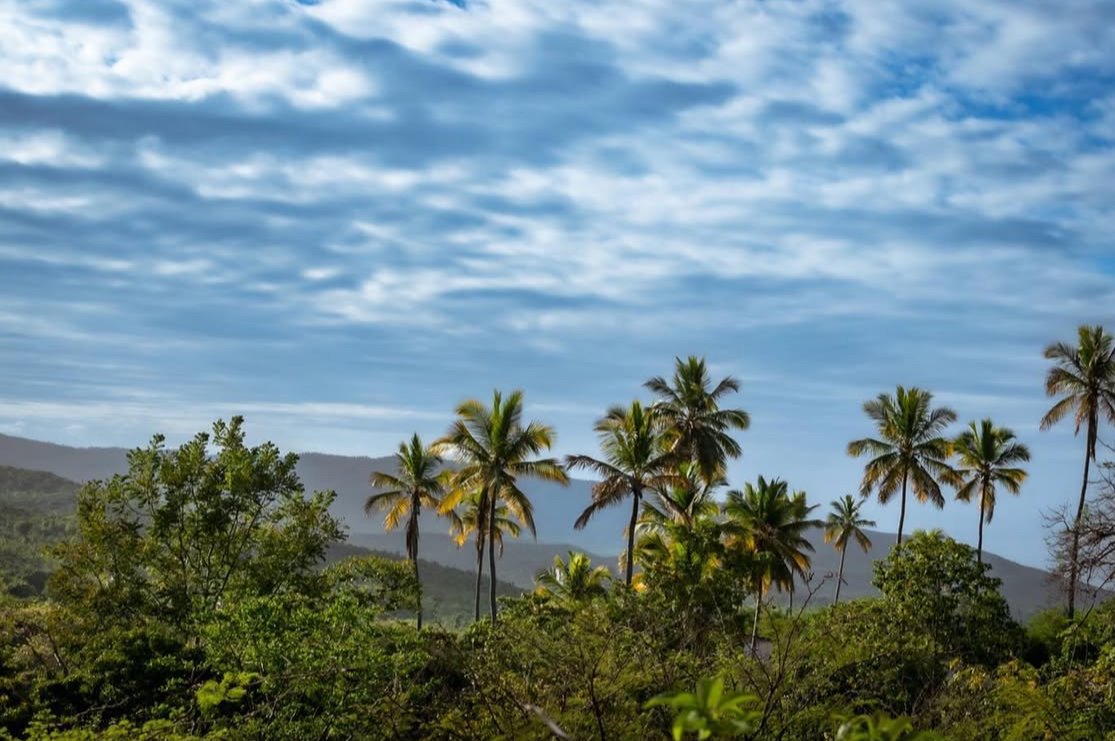
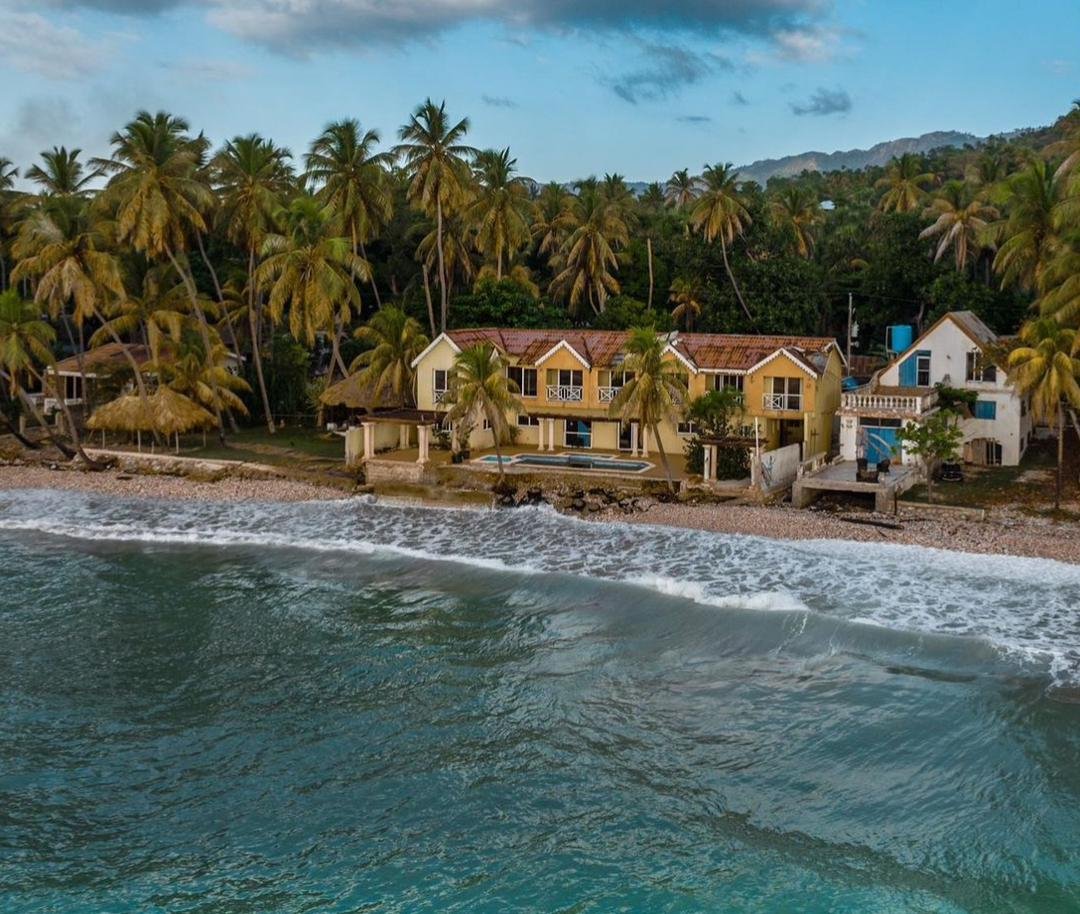
Les Irois is a commune in Haiti, located in the department of Grand’Anse, district of Anse-d’Ainault. Founded in 1625 by two Irishmen, it was elevated to the rank of municipality in 1952. The municipality is bordered by the Caribbean Sea. Its relief is mainly composed of plains, and its climate is hot until November, becoming a little cooler from November to February.

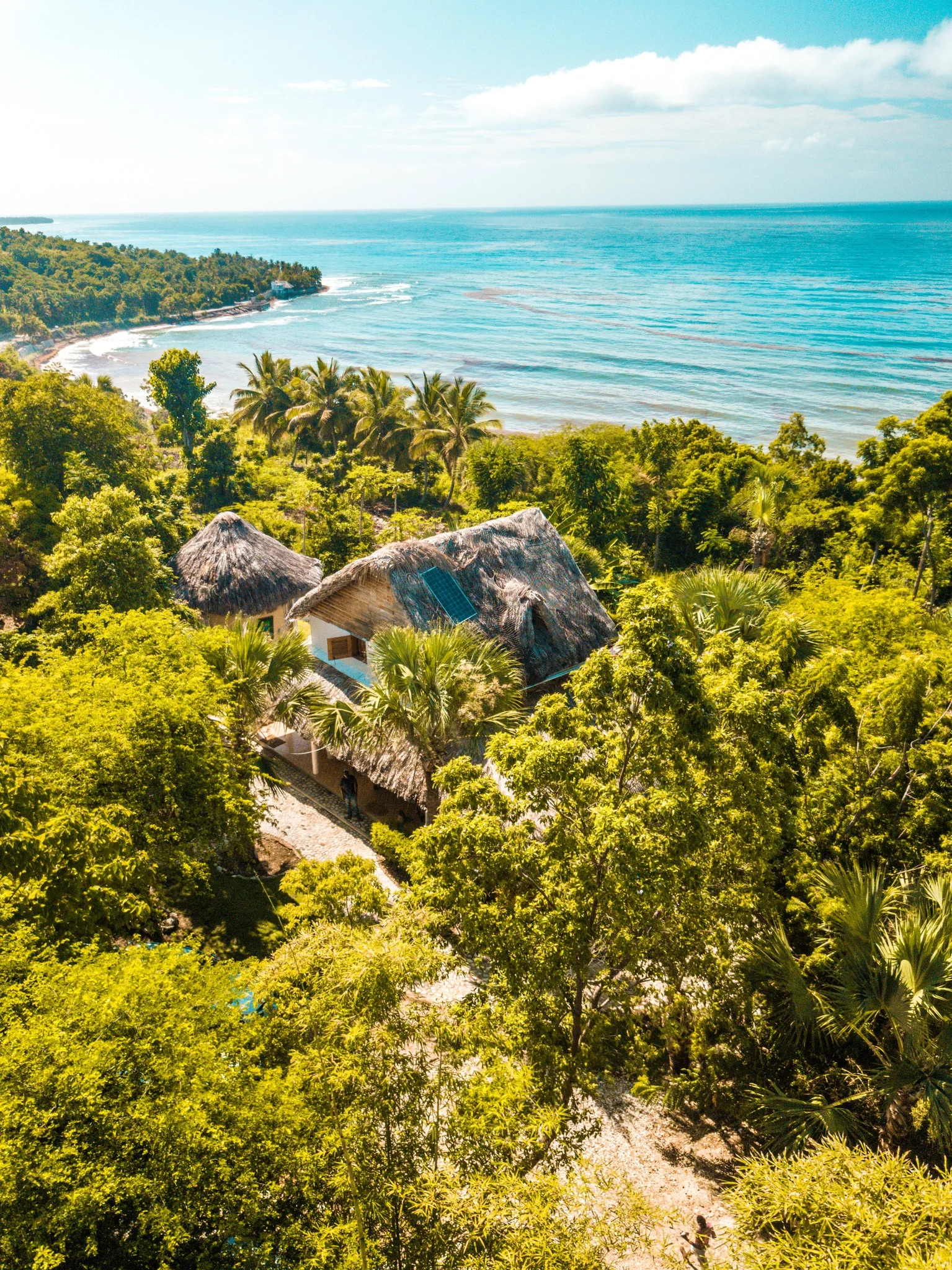
Les Irois benefits from a magnificent coastal location, with Tikwann beach and the surrounding mountains. It thus offers a natural balance between maritime beauty and mountainous landscapes, inviting the discovery and exploration of its geographical and historical riches. .

Lascahobas
Lascahobas
Lascahobas

3) Lascahobas

Lascahobas is a commune and the capital of the district of the same name, located in the Center department, 51 km northwest of Port-au-Prince. Formerly known as Acajoux, Lascahobas was founded in 1760 and elevated to the rank of commune in 1814. From a tourist point of view, it offers a particular attraction thanks to its caves, notably the Nan Remi, Nan Frechè, Nan Kafe and La Peigne, which are just five minutes from the city center. These natural formations add to the beauty of Lascahobas, making it a charming destination to discover in Haiti.

L’Estère, Haïti
L’Estère, Haïti
L’Estère, Haïti

4) L’Estère

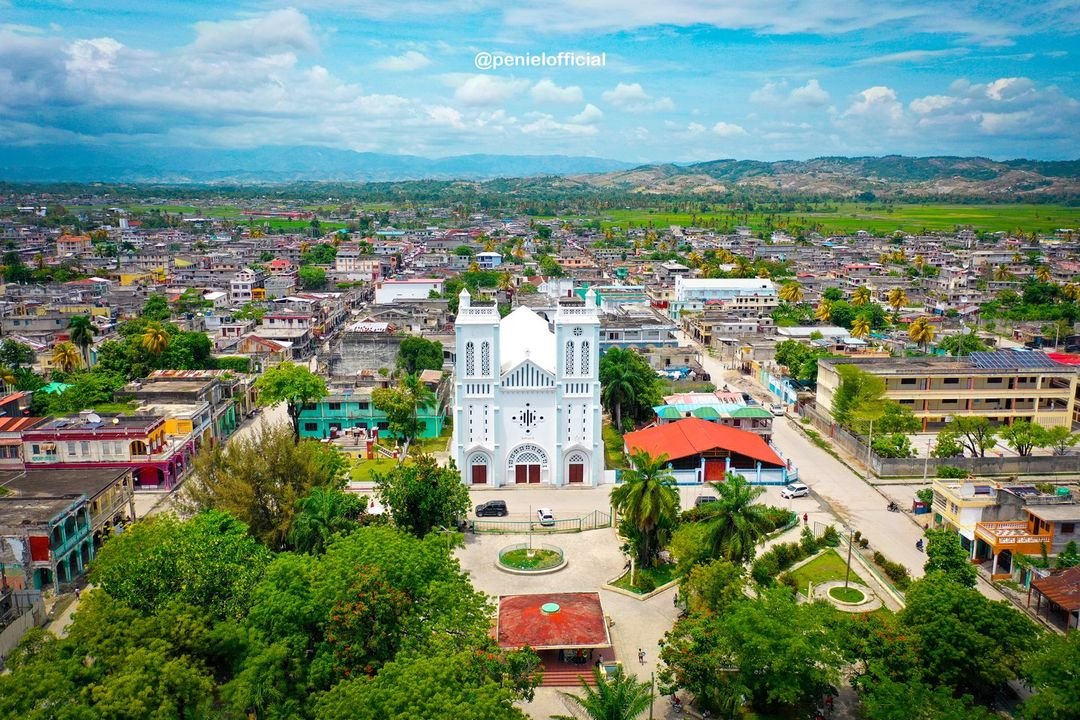
The town of l’Estère, located in the Gonaïves district of the Artibonite department, was established in 1908 and was formerly known as Chicotte. Its landscape mainly consists of a valley in the urban part and mountains (bleak) in other parts of the municipality. Due to its inland location, Estère benefits from a warm climate. It is renowned for its important historical site: La Ravine à Couleuvre de La Croix Périsse. Additionally, the city has natural resources such as the Estère River, lakes, salt marshes and marble quarries, making it a commercial center of national importance. These natural resources contribute greatly to the economic prosperity of Estère and reinforce its importance in the Artibonite region of Haiti.

Mole Saint-Nicolas
Mole Saint-Nicolas
Mole Saint-Nicolas

5) Mole Saint-Nicolas

Môle-Saint-Nicolas, a commune in the North-West department of Haiti, marks the place where Christophe Colomb landed for the first time on December 6, 1492, naming the island "Hispaniola". This bay was considered a "Gibraltar of the Caribbean" after the Seven Years’ War, which led to the founding of the town of Môle-Saint-Nicolas in 1764. On August 31, 1798, the English general Thomas Maitland handed over the keys to the city to Toussaint Louverture, after his victory at Port-au-Prince with an army of ex-slaves.

In terms of tourism, the town of Môle St Nicolas is renowned for its economic potential and the preservation of its heritage. It offers historical sites such as the Poudrière, the Vieux Quartier, Fort Georges, the Vallière battery, and Fort St Charles, representing the French fortifications towards the sea. In addition, vestiges of the English occupation (Fort de Ralliement) and mountainous fortifications from the Haitian period (fort in Cabrit) are also present. The colonial cemetery and the French and English colonial architecture contribute to the historical appeal of the town of Môle.

The selected municipalities illustrate the diversity and splendor of this Caribbean country. From pristine beaches to mysterious caves, historic remains and mountainous landscapes, each destination reveals a unique aspect of Haiti’s cultural and natural wealth. Whether for adventure, relaxation or historical discovery, this country offers authentic experiences that captivate and amaze visitors. Explore these hidden gems and let yourself be seduced by the magic of Haiti.

Share
About the Author
Jarule Laguerre
Jarule Laguerre
Jarule Laguerre

    laguerrejarule916@gmail.com

    See other articles from Jarule Laguerre
    Leave a comment

    Recently Posted

    Newsletter

    Subscribe to our newsletter to stay informed of all our activities and news on Haiti.

    Beven brings Haïti among the elite of world slam

    This Thursday, November 14, 2024, the young slam artist Youven Beaubrun, Beven by his stage name, qualified Haiti, for the very first time in its history, for the final of the Slam World Cup. This competition, which brings together the best slam artists on the planet, took place on African soil, more precisely in Togo. In a country held by the throat, a country that is dying from start to finish, under the dangerous feat of a certain armed part of its youth, Beven’s extraordinary performance in this competition resonates with the echo of a whole piece of the country, in the thirst for beauty. Beven is the symbol of a youth that refuses to give in to the chaos that surrounds the face of its motherland. Art, slam being his field of specialization, is used in the best possible way to make hope resonate. And to continue to believe that a country that made 1804 cannot afford the luxury of sinking so hard in the face of human history. "It is with pride that I advanced in this competition. Especially with the crisis that is going through the country at the moment. My qualification for the final is an eternal sign of hope, which confirms the fact that not everything in this country will end in death," the young slammer told us before going to compete in the final. The final took place on Saturday, November 16, 2024, where Beven had his chance to represent his wounded land well on the doorstep of a world victory, a victory that if it had taken place, would have been initialed in the name of an entire people, in the absolute race against a great chaos that dreams only of suffocating it. Although he failed to win this cup (finishing in sixth place overall), the Haitian slam champion had time to inspire an entire country during his great journey in this competition. This is only a postponement, next time victory will be achieved for sure.

    Here are five compelling reasons why you should definitely visit Haiti’s beaches

    1- Abaka Bay (Île-à-Vache): Start your Haitian adventure with the magnificent Abaka Bay, recently named one of the most beautiful beaches in the world by CNN. Located on the enchanting island of Île à Vache, this bay offers a pristine white sand beach and calm Caribbean waters, framed by lush green hills. Abaka Bay Resort offers a truly exclusive and secluded experience, with bungalows located directly on the beach, offering panoramic views and direct access to the fine sand and crystal clear sea. The dining options are equally impressive, with one restaurant offering breathtaking ocean views and epic sunsets. To get to Île à Vache, simply take a 15-20 minute boat ride from Les Cayes, located off the southern coast of Haiti. 2- Île à Rat (Amiga Island): As soon as you set foot on Île à Rat (also known as Amiga Island), this little slice of paradise will steal your heart. Its smooth white sand beach immediately catches the eye, while gentle waves create a dreamy oasis against the pearly shore. Located in the turquoise waters off the coast of Plaine du Nord in northern Haiti, Île à Rat is a 1.8 hectare piece of white coral covered in a small wild forest. The island is a peaceful retreat, especially for couples looking for a serene getaway. To get to Île à Rat, you can take one of the many water taxis waiting in Labadee, a 30-minute drive from Cap-Haïtien. Keep in mind that the island is uninhabited, so it is important to bring everything you need for a comfortable stay, including drinking water. 3- Côtes des Arcadins: Nestled north of the bay of Port-au-Prince, Côtes des Arcadins stretches over 19 kilometers of white sand beaches lined with palm trees, making it one of the most popular seaside destinations from Haiti. The combination of the deep blue sea, mountains, mangrove forests and the coral reef formed by the Arcadins islets creates a breathtaking spectacle. It is also a great place for divers. To get there, follow the road north of the bay of Port-au-Prince. You will be amazed by the natural beauty of this region. 4- Plage de Gelée: This beach is one of the most popular thanks to its crystal clear waters and soft sand, all with a pastoral landscape in the background. If you are looking for a place to relax and soak up the sun, Gelée Beach is a great choice. 5- Jacmel Beach: Although swimming is not recommended here, Jacmel Beach is famous for its picturesque charm and artistic atmosphere. It is located in the historic town of Jacmel, known for its lively carnival and colorful houses. Explore the beach, admire the architecture and soak up Haitian culture. Don’t forget your swimsuit and sunscreen, and enjoy these hidden treasures of Haiti! 🏖️☀️

    Haïti / Fort Picolet: Historical Guardian of Liberty

    Cap-Haïtien, Haiti’s historic jewel, is home to a fascinating architectural relic: Fort Picolet. Built at the end of the 18th century by the French, this imposing bastion majestically dominates the bay of Cap-Haïtien, bearing witness to the tumults of Haitian history and the fierce struggle for independence. The history of Fort Picolet is closely linked to that of Haiti, particularly at the time of the Haitian Revolution. During this tumultuous period, when slaves and freedmen rose up against colonial oppression, the fort was the scene of epic battles and fierce sieges. Sometimes used by French forces, sometimes by Haitian revolutionaries, Fort Picolet was a silent witness to the events that shaped the destiny of the nation. Designed with a strategic vision, the fort embodies the military architecture of its era. Its thick stone walls, strategically positioned cannons and viewpoints overlooking the bay make it an impregnable bastion. Its name, Fort Picolet, pays homage to General Louis Marie, Marquis de Picolet, French governor of Cap-Français at the end of the 18th century. Today, Fort Picolet remains much more than a simple historical monument. It is a living symbol of the resilience and determination of the Haitian people. Visitors who wander through its ruins can feel the imprint of history and contemplate the remains of a tumultuous past. From up there, a panoramic view of the bay of Cap-Haitien is available to them, offering a unique perspective on the strategic importance of this place in the maritime history of Haiti. As a pillar of Haitian tourism, Fort Picolet attracts visitors from around the world. Its historical aura, combined with the natural beauty of its environment, makes it a must-see destination for history and culture lovers. More than just a tourist attraction, Fort Picolet is a poignant testimony to the endless struggle for freedom and the cultural richness of Haiti. Throughout the centuries, Fort Picolet has survived the test of time, reminding everyone that freedom is an inalienable right, hard won and carefully preserved. By exploring its ramparts, contemplating its silent cannons, visitors find themselves immersed in the tormented history of Haiti, a story of courage, resistance and hope. Live an extraordinary experience by virtually visiting the ruins of Fort Picolet: https://haitiwonderland.com/haiti-virtual-reality-ht/monuments-histoire/haiti--fort-picolet--visite-virtuelle/14

    Recently Posted

    History

    History

    First black nation to free itself from slavery and gain independence from France in 1804 and influenced other liberation movements around the world, inspiring struggles for freedom and equality.

    Natural beauty

    Natural beauty

    Haïti is blessed with spectacular natural landscapes, including white sand beaches, mountains and rich biodiversity.

    Heritage

    Heritage

    Haïti has a rich historical heritage, including sites like the Citadelle Laferrière and the Sans-Souci Palace, listed as UNESCO World Heritage Sites.

    Culture

    Culture

    Haïti has a rich and diverse culture, influenced by African, European and indigenous elements. Haitian music, dance, art and cuisine are celebrated around the world.

    • +
      • Post