Soup joumou, a traditional Haitian dish, is more than just a mealtime treat. For Haitians, the soup is a symbol of their struggle for freedom and national identity. This article explores the history, meaning, and how soup joumou plays a central role in Haitian culture.
Soup joumou is traditionally eaten on January 1st, Haiti’s Independence Day celebration. Indeed, the dish is a powerful symbol of the country’s independence, which was gained in 1804 when Haïti became the first country to abolish slavery and establish a black republic.
During the colonial period, soup joumou was reserved exclusively for French colonists, who enjoyed it as a luxury dish. African slaves were forbidden to consume it. However, after the Haitian Revolution and the victory of the slaves, soup joumou became a symbol of victory over oppression and a sign of freedom for Haitians. Celebrating January 1st with soup joumou is therefore an act of memory, resilience and national pride.
Soup joumou is not only a gourmet recipe: it is an act of family and community gathering. January 1st, in addition to marking independence, is a day when Haitians come together as a family to prepare and share this soup. It is an opportunity to remember past struggles and to pass on the values of unity and freedom to future generations.
In many parts of Haiti, people go to community houses or churches where events are held to share soup joumou with neighbors and friends. This communal meal symbolizes sharing, unity, and the awakening of collective consciousness.
What makes soup joumou so special to Haitians is its emotional history, its cultural value, and its role in preserving national identity. It is much more than just a dish: it is an act of remembrance, a tribute to ancestors, and a symbol of emancipation. Each bite is a reminder of the victory over colonial oppression, and each year on January 1st, Haitians come together to celebrate their freedom and the unity of the Haitian people.
First black nation to free itself from slavery and gain independence from France in 1804 and influenced other liberation movements around the world, inspiring struggles for freedom and equality.
Natural beauty
Haïti is blessed with spectacular natural landscapes, including white sand beaches, mountains and rich biodiversity.
Heritage
Haïti has a rich historical heritage, including sites like the Citadelle Laferrière and the Sans-Souci Palace, listed as UNESCO World Heritage Sites.
Culture
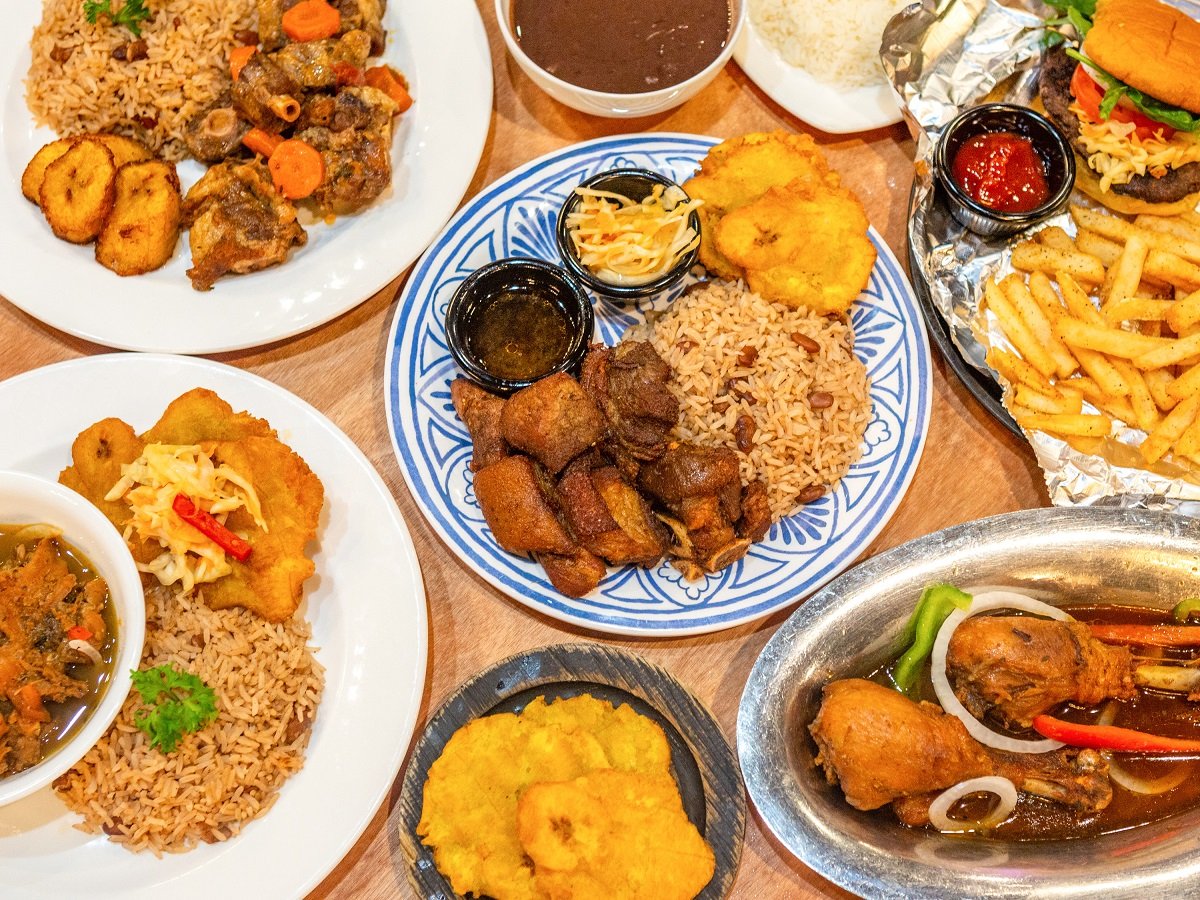
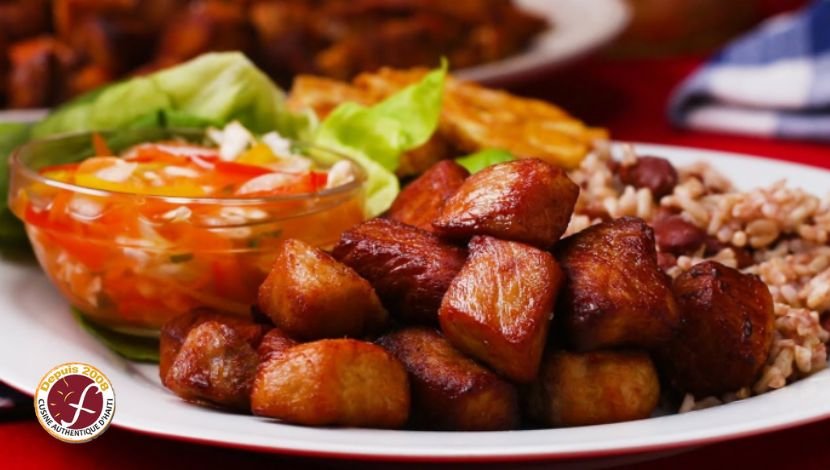
Haïti has a rich and diverse culture, influenced by African, European and indigenous elements. Haitian music, dance, art and cuisine are celebrated around the world.

































Good
June 04, 2025 - 06:53:18 PM