

Ingredients:
500 g smoked herring
1 onion, 1 bell pepper, 1 carrot (finely chopped)
2 garlic cloves, 1 chili pepper (optional)
100 ml white vinegar, 50 ml vegetable oil
Black pepper, fresh parsley, lemon juice (optional)
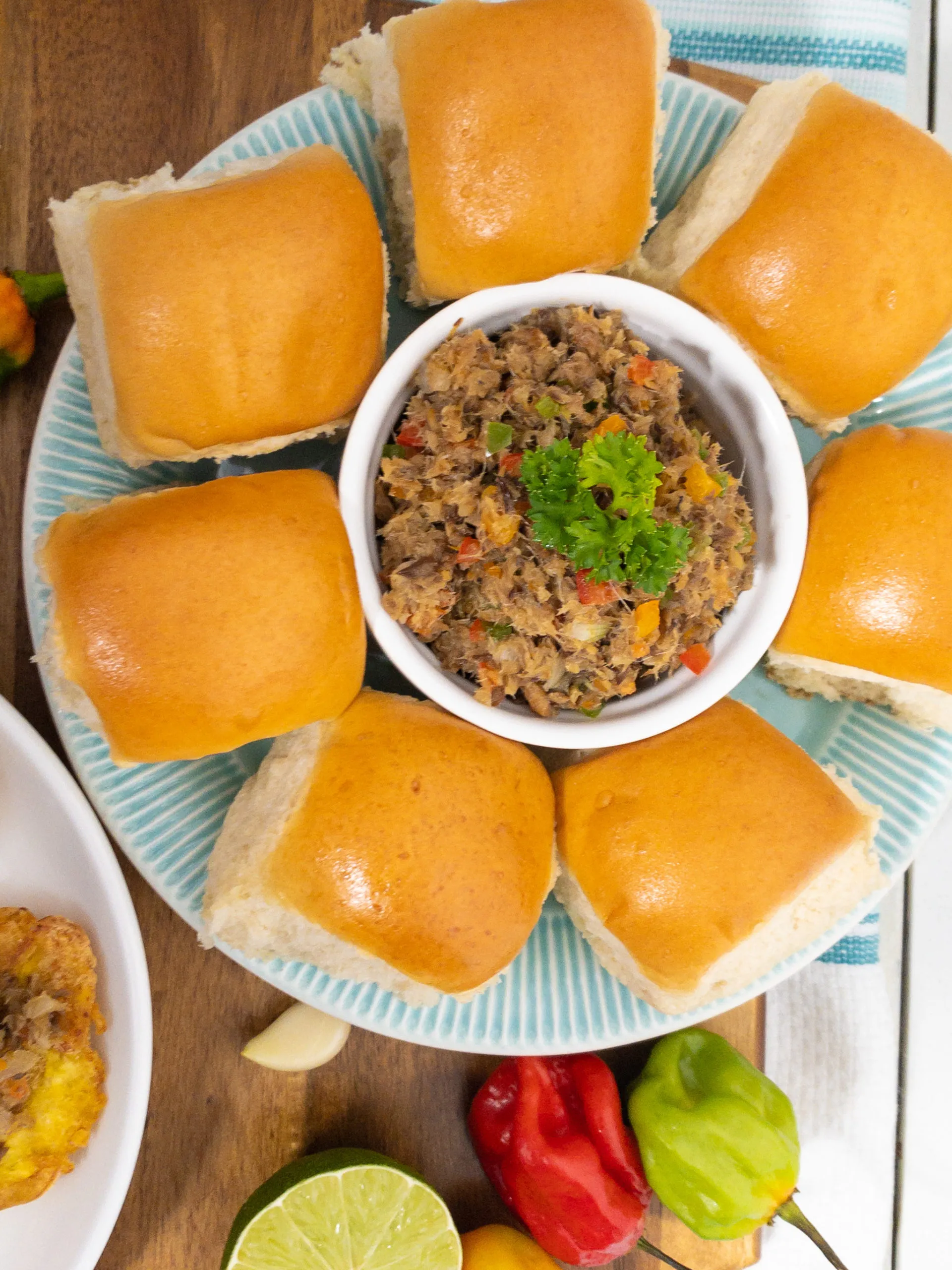
Smoked herring chiquetaille, or chiktay aransò, is perfect as a starter or side dish with bread or cassava.
Read the article in :
500 g smoked herring
1 onion, 1 bell pepper, 1 carrot (finely chopped)
2 garlic cloves, 1 chili pepper (optional)
100 ml white vinegar, 50 ml vegetable oil
Black pepper, fresh parsley, lemon juice (optional)
1. Desalinate the herring: Boil for 1 minute, soak for 10 minutes, drain, and flake.
2. Mix: Add the onion, bell pepper, carrot, garlic, and chili pepper. 3. Season: Stir in the vinegar, oil, and pepper.
4. Let marinate: Refrigerate for at least 2 hours.
5. Serve: Sprinkle with parsley and serve with bread or cassava.

Facebook : https://www.facebook.com/haitiwonderland
Youtube : https://www.youtube.com/@haitiwonderland
Instagram : https://www.instagram.com/haitiwonderland/
Twitter : https://twitter.com/haitiwonderland
Linkedin : https://www.linkedin.com/in/haitiwonderland/
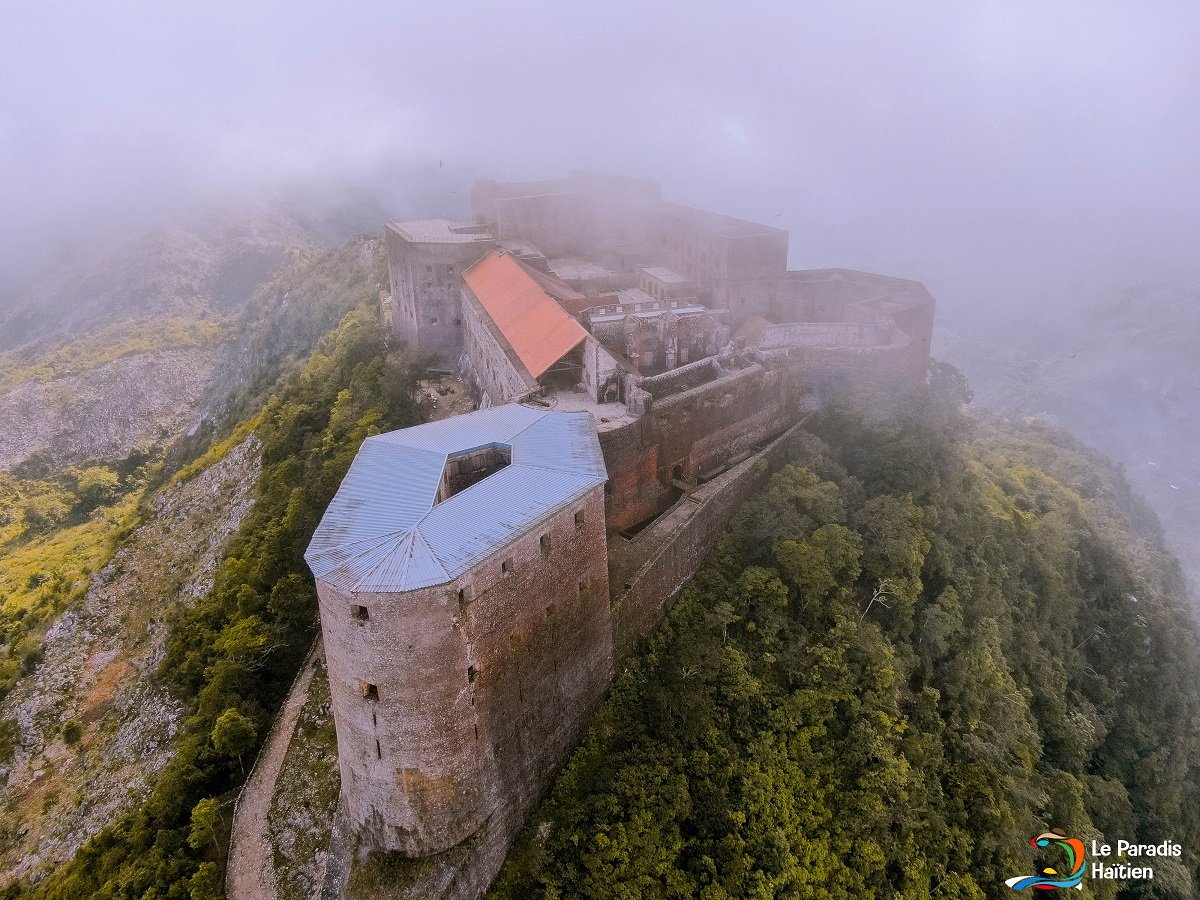
Perched majestically on the verdant mountain peaks of northern Haiti, Citadelle Laferrière stands as an enduring symbol of the resilience and greatness of the Haitian nation. This impressive historical monument is much more than just a stone structure; he embodies the spirit of freedom and pride that animates the Haitian people.
Receive your packages from the United States stress-free, without a credit card, even in difficult times! Waiting for a package from the United States can quickly turn into a nightmare in Haiti: thefts, delays, blocked or lost packages... Lorvenson Don Pierre has experienced these situations. But instead of giving up, this talented young developer decided to take action. He founded Smartcore Express, a simple, reliable, and secure solution to allow all Haitians to receive their packages from the United States, hassle-free.
Subscribe to our newsletter to stay informed of all our activities and news on Haiti.
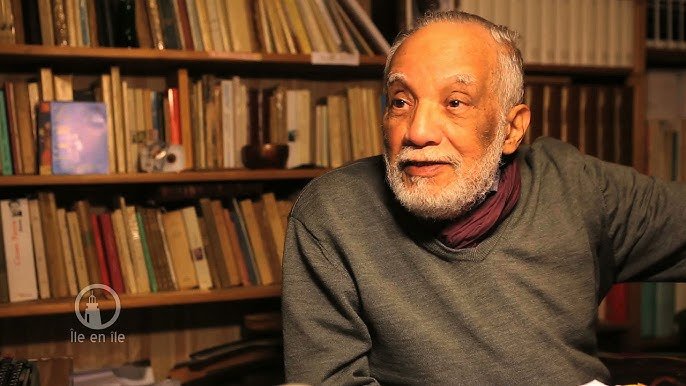
René Depestre had his very first encounter with the Haitian sun on August 29, 1926 in Jacmel, a large coastal city in the southeast of Haïti that welcomed his birth. He completed his primary studies with the Brothers of Christian Instruction in Jacmel. After his father’s death in 1936, he left his mother and brothers and sisters to live with his maternal grandmother. He completed his secondary studies at the Alexandre Pétion high school in Port-au-Prince in 1944. Today, he resides in France, his country of naturalization for several decades, and remains an immense creative, intellectual spirit and great witness to a very important era in the history of men.
Haiti, a country located in the Caribbean, is an exceptional destination offering rich history, vibrant culture and magnificent landscapes. Here is a list of historical monuments and beautiful places to visit in Haïti to immerse yourself in this land full of treasures. Haïti summer: Travel Guide for an Unforgettable Adventure: https://haitiwonderland.com/haiti/tourisme/haiti-ete--guide-de-voyage-pour-une-aventure-inoubliable/93
Ava Lee once again proved her mastery of taekwondo by winning a gold medal at the U21 Pan American Championship, held at the Arteaga Gymnasium in Querétaro, Mexico, on Saturday, July 27, 2024. This resounding triumph, marked by a powerful "kihap", symbolizes the strength and determination of the young Haitian athlete on the international stage.

First black nation to free itself from slavery and gain independence from France in 1804 and influenced other liberation movements around the world, inspiring struggles for freedom and equality.

Haïti is blessed with spectacular natural landscapes, including white sand beaches, mountains and rich biodiversity.

Haïti has a rich historical heritage, including sites like the Citadelle Laferrière and the Sans-Souci Palace, listed as UNESCO World Heritage Sites.

Haïti has a rich and diverse culture, influenced by African, European and indigenous elements. Haitian music, dance, art and cuisine are celebrated around the world.