contact@haitiwonderland.com+509 36184317

Discover

Shopping Cart

10 Typical Haitian Drinks and Desserts to Absolutely Savor

10 Typical Haitian Drinks and Desserts to Absolutely Savor

Haitian cuisine is full of unique flavors that reflect the authenticity and cultural richness of the country. Whether to celebrate a special occasion or simply for pleasure, Haitian drinks and desserts are a must. Discover 10 typical dishes that embody the culinary soul of Haiti.

Haïti
Haïti
Haïti

1. Dous Makòs

Originally from Petit-Goâve, dous makòs is a tricolor fudge that seduces with its melting texture and unique sweet taste. Prepared with condensed milk, sugar and spices, it is one of the most popular confections in Haiti.

This artisanal dessert is often enjoyed with family or offered as a gift, symbolizing the Haitian sweetness of life.

See as well

Haïti
Haïti
Haïti

2. Pain Patate

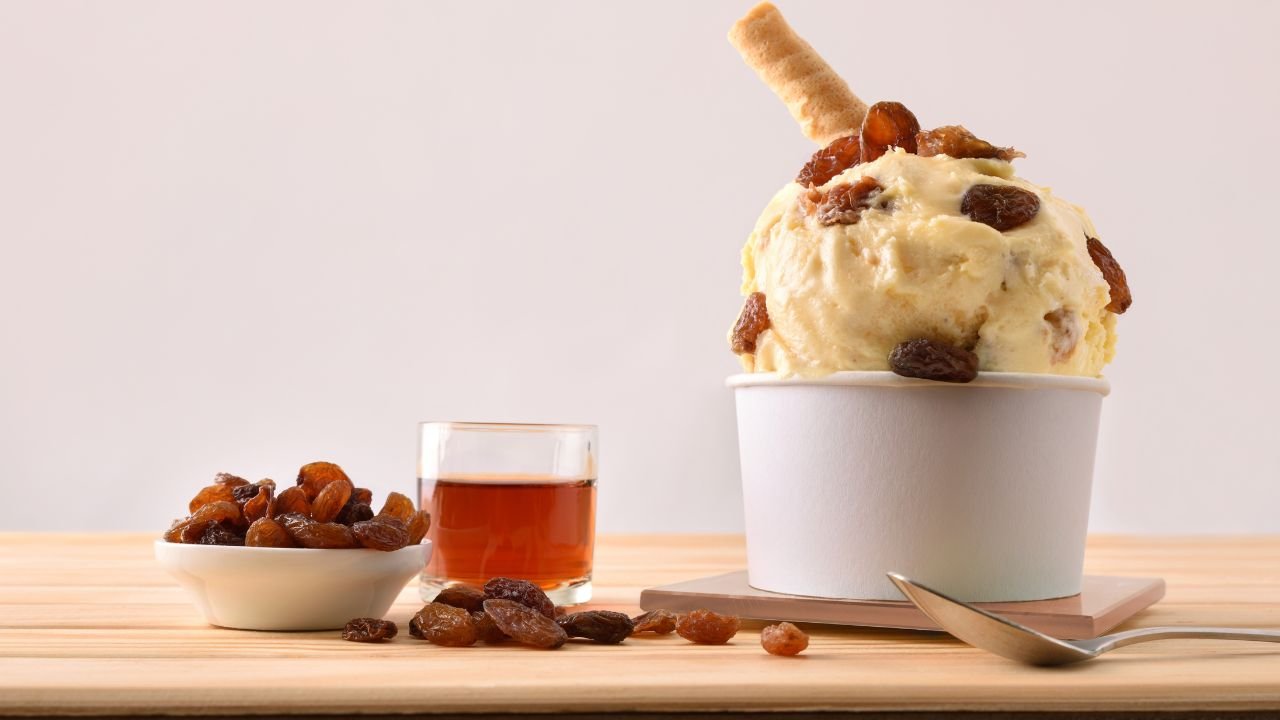
Pain patate is a rich and moist cake, prepared with sweet potatoes, coconut milk, spices like cinnamon, and sometimes raisins. This traditional dessert is a real delight, appreciated for its velvety texture and comforting aromas.

Perfect to accompany a coffee or a cup of tea, it is a must-have on Haitian tables.

Haïti
Haïti
Haïti

3. Bonbon Syrup

Bonbon syrup is a treat made from molasses, ginger and spices. Its slightly crunchy texture and intense taste make it an irresistible sweet.

This dessert is often associated with childhood memories and embodies the simplicity and authenticity of Haitian cuisine.

Haïti
Haïti
Haïti

4. Akasan

A hot and creamy drink, akasan is prepared with corn flour, milk, cinnamon and nutmeg. Comforting and slightly sweet, it is ideal for cool mornings or relaxed evenings.

This drink is a symbol of conviviality and tradition, often shared with family.

Haïti
Haïti
Haïti

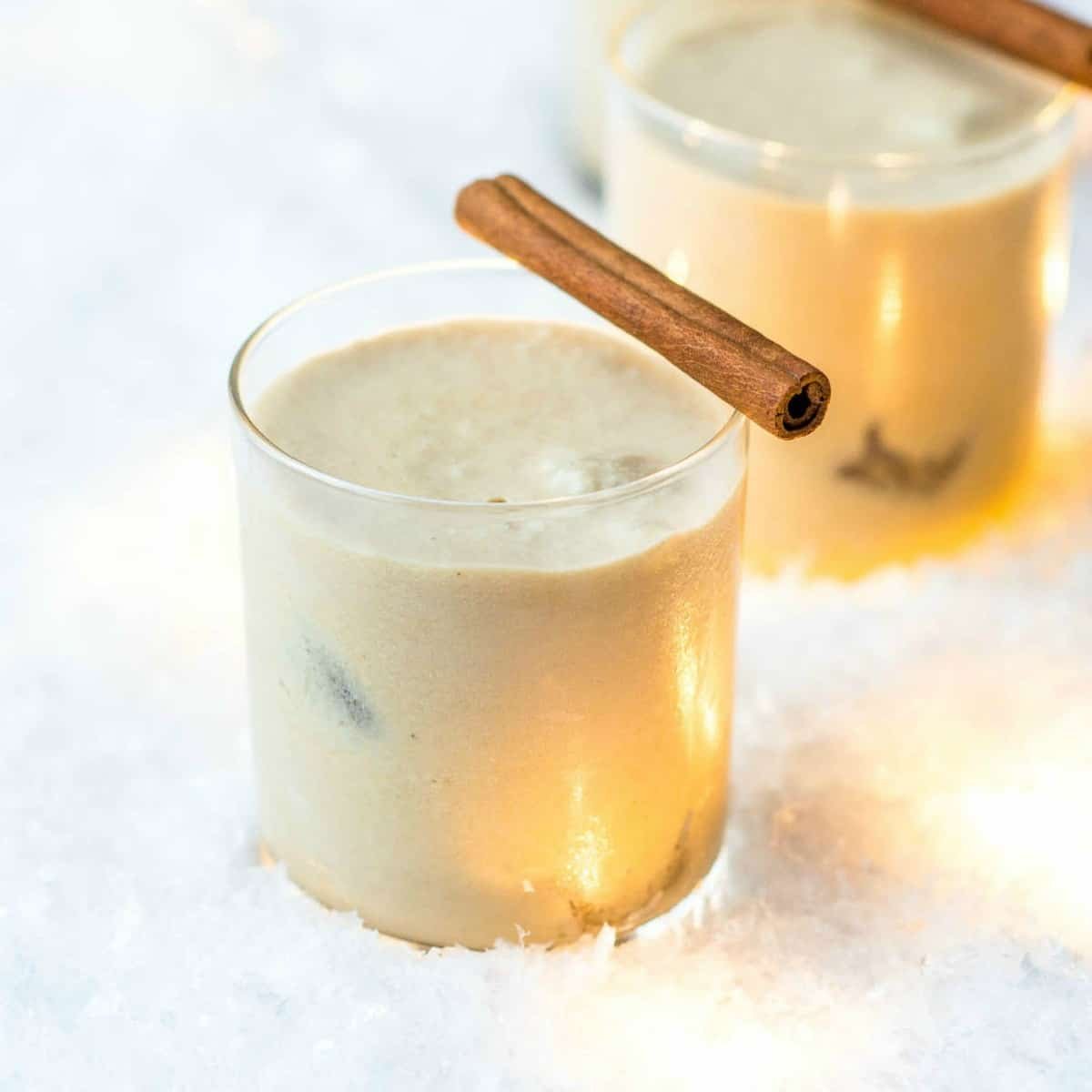
5. Kremas

Kremas is an essential festive drink, prepared with condensed milk, coconut milk, rum and spices. Soft and velvety, it is often served during parties or special celebrations.

With its rich taste and unique character, it is appreciated by all generations.

Haïti : Boukanye
Haïti : Boukanye

Boukanye

In the picturesque landscape of Cap Haïtien, stands a place that embodies the very essence of Haitian art and cuisine: Boukanye. This pirate house, founded in July 2016, has quickly become a must-see gem among area restaurants, attracting visitors from around the world for its rustic atmosphere and innovative menu. Located on the boulevard, Boukanye is much more than just a restaurant; it’s an experience in its own right. As soon as you walk through its doors, you are greeted by decor that celebrates local craftsmanship and the history of the pirates who once sailed these waters. Walls adorned with vibrant paintings and sculptures demonstrate the venue’s commitment to Haitian art, creating a warm and authentic ambiance. But Boukanye is not content to seduce with its aesthetic; its cuisine is just as captivating. Inspired by local flavors, the restaurant offers an inventive fusion of traditional Haitian dishes and contemporary culinary techniques. Whether for breakfast, lunch or dinner, Boukanye’s menu offers a tantalizing variety of seasonal dishes, accompanied by exquisite cocktails that celebrate local ingredients. What also sets Boukanye apart is his commitment to innovation. By launching a virtual tour accessible via smartphone or virtual reality headset, the restaurant has pushed the boundaries of the culinary experience. Thanks to this immersive technology, visitors from around the world can now explore the charms of Boukanye from home, immersing themselves in its captivating atmosphere and discovering its unique culinary delights. https://haitiwonderland.com/haiti-virtual-reality-ht/bar--restaurant/haiti--boukanye--visite-virtuelle/7 Whether you are a resident of Cap Haïtien or a traveler eager for authentic experiences, Boukanye offers an unforgettable getaway into the very heart of Haitian culture. By combining art, cuisine and innovation, this restaurant perfectly embodies the vibrant and dynamic spirit of Haiti, inviting everyone to embark on an unparalleled sensory journey.

Haïti
Haïti
Haïti

6. Konparèt

Originally from the South of Haiti, konparèt is a dense and fragrant pastry, made with coconut, ginger and flour. This spicy dessert is perfect to accompany a coffee or simply to treat yourself.

Its traditional recipe is a culinary heritage that reflects the know-how of Haitian artisans.

Haïti
Haïti
Haïti

7. Tablèt Cocoye

The tablèt cocoye is a treat made from grated coconut and sugar, sometimes flavored with vanilla or spices. This crunchy dessert is simple but incredibly tasty.

It is often enjoyed during parties or moments of relaxation, recalling the importance of local products in Haitian gastronomy.

Haïti
Haïti
Haïti

8. Tablèt Pistach

Similar to the tablèt cocoye, but made with peanuts, the tablèt pistach is a sweet treat that combines the crunch of peanuts and caramel. It is perfect to satisfy small hunger pangs or to accompany a hot drink.

Easy to take away, it is one of Haitians’ favorite sweets.

Haïti
Haïti
Haïti

9. Confiture Chadeque

Made from Haitian grapefruit, chadeque jam is both sweet and slightly bitter. Spread on bread or eaten with a spoon, it brings a refined touch to any meal.

Its artisanal preparation makes it a true culinary treasure.

Haïti
Haïti
Haïti

10. Bonbon Amidon

The bonbon amidon is a delicate dessert made with corn starch, milk and sugar. Its soft and melting texture makes it an ideal sweet to end a meal or to accompany a moment of relaxation.

This traditional dessert is a true classic, appreciated for its simplicity and authenticity.

A Taste Journey Through Haiti

These 10 typical drinks and desserts illustrate the richness and diversity of Haitian cuisine. Each recipe tells a story, reflects a tradition and invites you to discover the soul of Haïti through its unique flavors.

For a memorable culinary journey, indulge in these Haitian delights and savor the authenticity of a culture deeply attached to its roots.

Share
About the Author
Appolon Guy Alain
Appolon Guy Alain
Appolon Guy Alain

Full Stack Developer, Créatif, expérimenté, passionné des nouvelles technologies et de l’art.

See other articles from Appolon Guy Alain
Leave a comment

Recently Posted

Vertières, Fort Mazi: Beyond historical truth;

If you look up the word vertière in a French dictionary, you will not find it for fear that the world does not know this place represents the Achilles heels of the most powerful European army. What’s more, this one had just successfully won the eastern campaign. French historians of the time erased this geographical location from the radar of history because they did not want to tell the story as it is in the sense of explaining the first great humiliation of the expeditionary army French by bands of slaves who were totally ignorant in the art of waging war, much less in the handling of weapons. However, these illiterate wars routed the Napoleonic army, the most powerful at that time, using the means at hand. This expeditionary army, after having brought Europe to its knees, would experience its first rout by slaves in this geographical location, located in the Northern department of Haiti. Funny story, this city is not on the list of French words even though given its historical importance, it should be at the heart of universal history, far from putting an end to the invincibility of the undefeated army army. So as not to offend the white masters, no political leader has ever asked why vertière does not appear in any French dictionary? However, they celebrate this battle with great fanfare every November 18. What historic hypocrisy among our leaders! After Vertière many other historical places are strangled by historians in order to hide the extremes of atrocities of the French colonists on the slaves. It is in this context of historical strangulation that “Fort Mazi” is not mentioned in school history textbooks. This is located in Petit-Goave, 2nd municipal section, Arnoux locality. We came across this mega fort, during a mobile clinic entirely financed by the Ernest Junior foundation, a charitable foundation which works in the social sector, particularly in the field of art and music. According to residents , the oldest in this locality, this fort was built on at least 20 squares of earth by the settlers. It was a huge military complex divided into compartments, outposts, turtle rooms, rooms for treating colonists, a large Catholic church, and a cemetery. However, we never talk about this fort so much so that it is ignored by history teachers in the town of Petit-Goave. Certainly, the desired disappearance of this fort under the radar of history buries the atrocities, the barbarities, the most inhumane punishments of the colonists on the slaves. Looking closely at reality, everything seems true that it is the largest fort ever built during the period of colonization. Moreover, it probably seems the most fortified in relation to its importance. Remember that Vertière only exists in Haitian school history textbooks while Fort Mazi does not appear, much less in French dictionaries or history books. This explains why this fort was a secret place in which the settlers practiced crimes and atrocities that went beyond human understanding. Is it not a clear desire of historians to hide what this immense fort built on at least 20 tiles of earth really was? Discover the history of Haiti: A fascinating story to explore! : https://haitiwonderland.com/haiti/histoire/decouvrez-l-histoire-d-haiti--un-recit-fascinant-a-explorer/81

Newsletter

Subscribe to our newsletter to stay informed of all our activities and news on Haiti.

Recently Posted

History

History

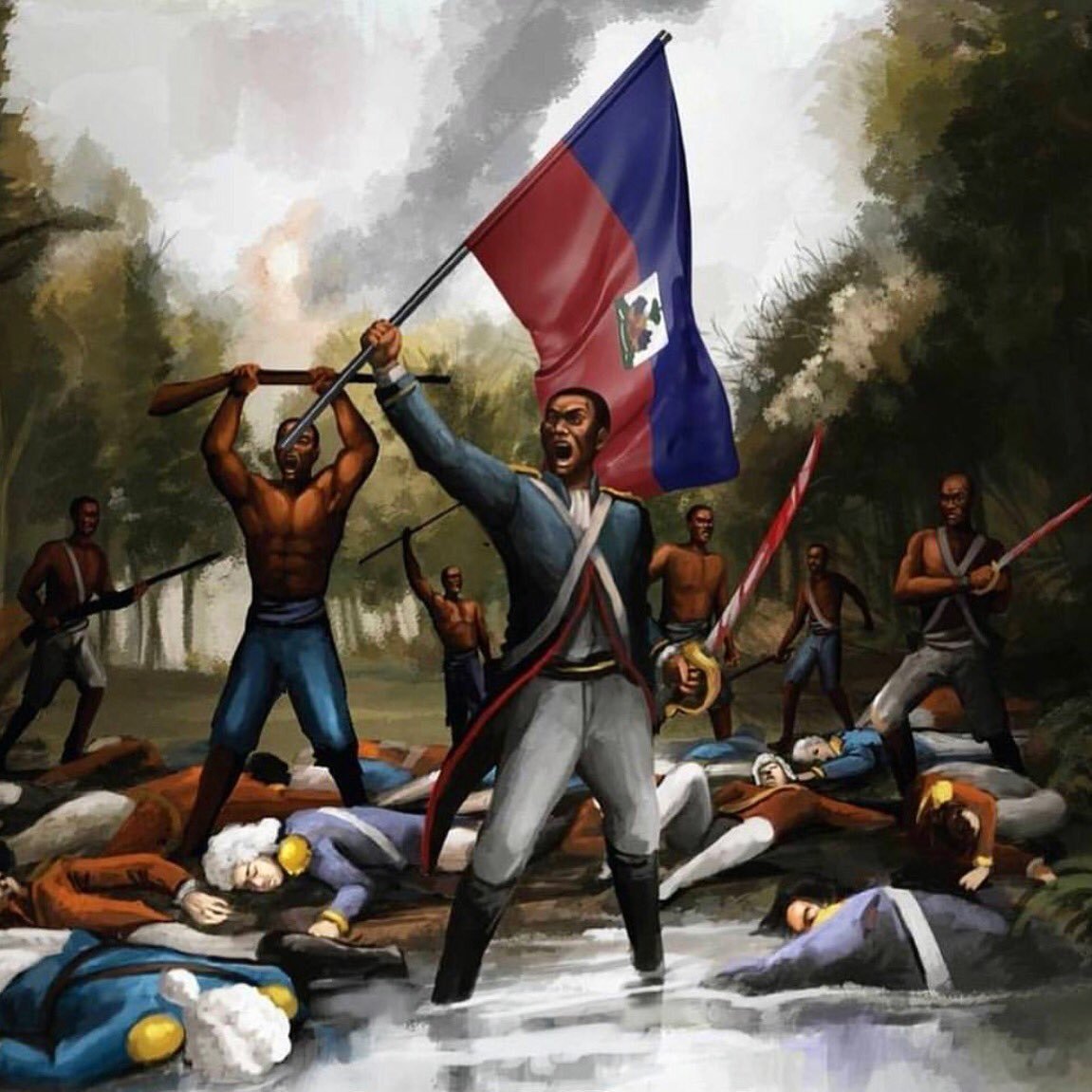
First black nation to free itself from slavery and gain independence from France in 1804 and influenced other liberation movements around the world, inspiring struggles for freedom and equality.

Natural beauty

Natural beauty

Haïti is blessed with spectacular natural landscapes, including white sand beaches, mountains and rich biodiversity.

Heritage

Heritage

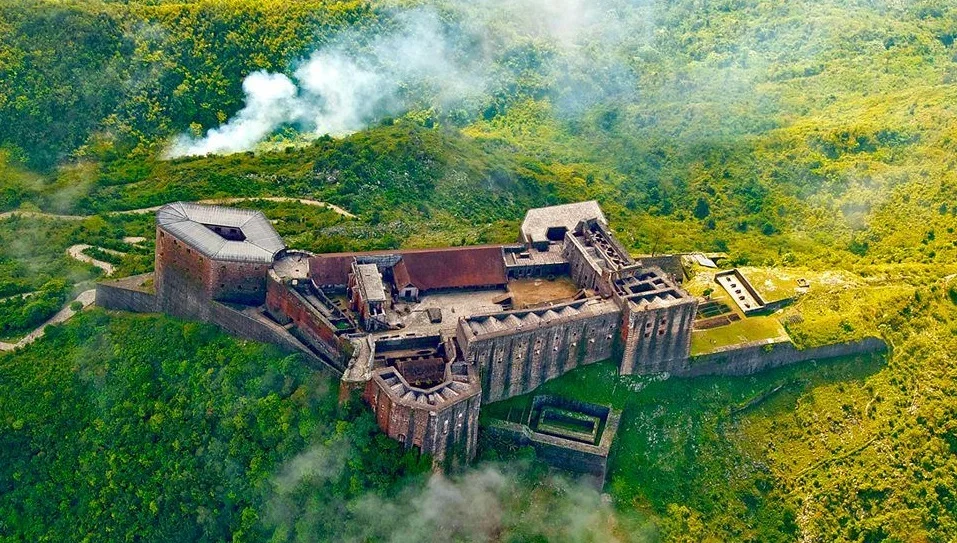
Haïti has a rich historical heritage, including sites like the Citadelle Laferrière and the Sans-Souci Palace, listed as UNESCO World Heritage Sites.

Culture

Culture

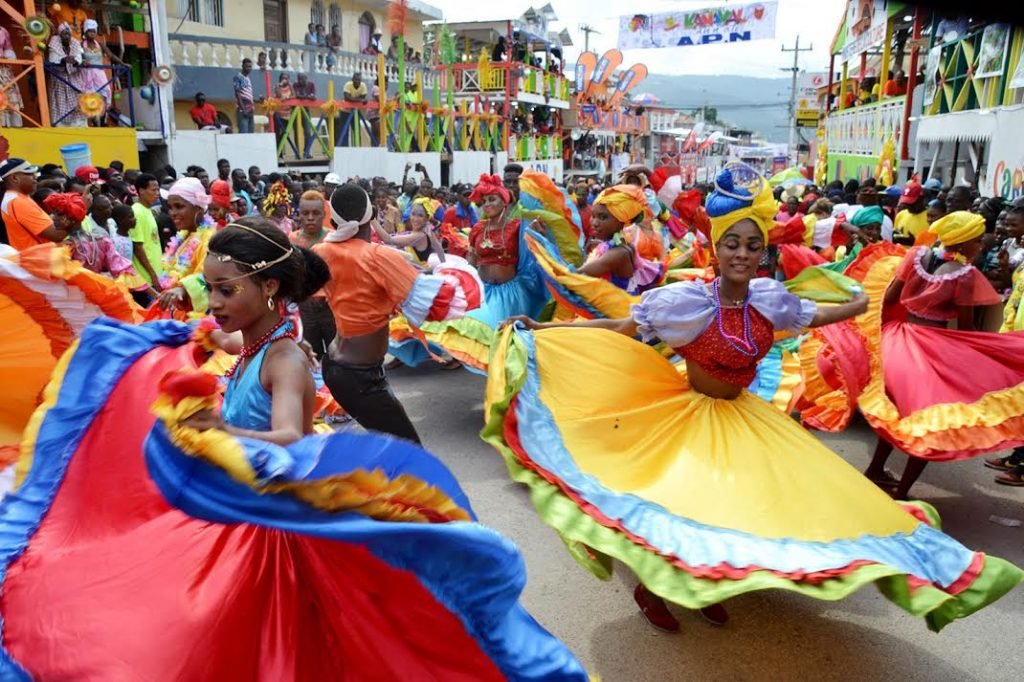
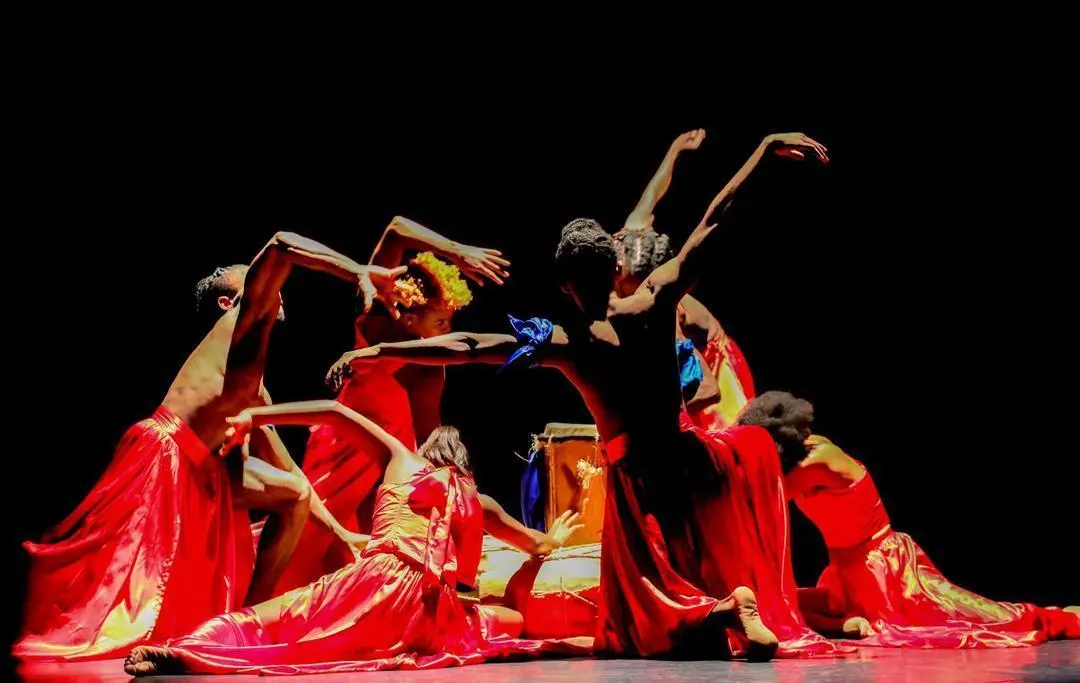
Haïti has a rich and diverse culture, influenced by African, European and indigenous elements. Haitian music, dance, art and cuisine are celebrated around the world.

  • +
    • Post