contact@haitiwonderland.com+509 36184317

Discover

Shopping Cart

November 18 in Haiti: Commemoration of the Battle of Vertières

November 18 in Haiti: Commemoration of the Battle of Vertières

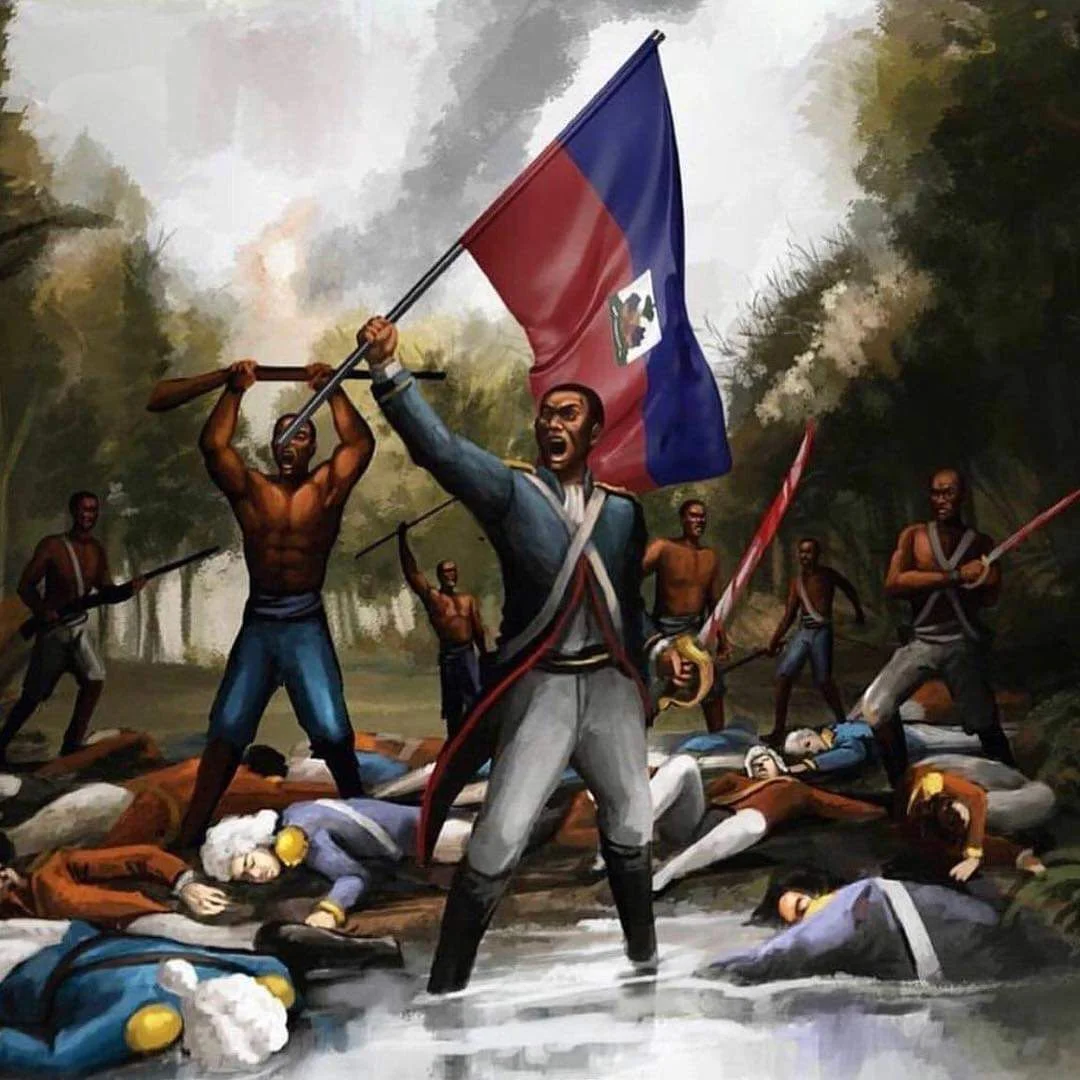
Every year, on November 18, Haïti celebrates one of the most significant events in its history: the Battle of Vertières. This date, a symbol of courage and determination, recalls the decisive victory of Haitian troops over French colonial forces in 1803, thus paving the way for the independence of Haiti, proclaimed on January 1, 1804.

Haïti
Haïti
Haïti

Historical context

The Battle of Vertières was part of the Haitian Revolution, a years-long revolt led by African slaves and their descendants against French colonial oppression. After the abolition of slavery in 1793 by the commissioners of the French Republic, conflicts between the different power groups continued, notably with the reestablishment of slavery by Napoleon Bonaparte in 1802.

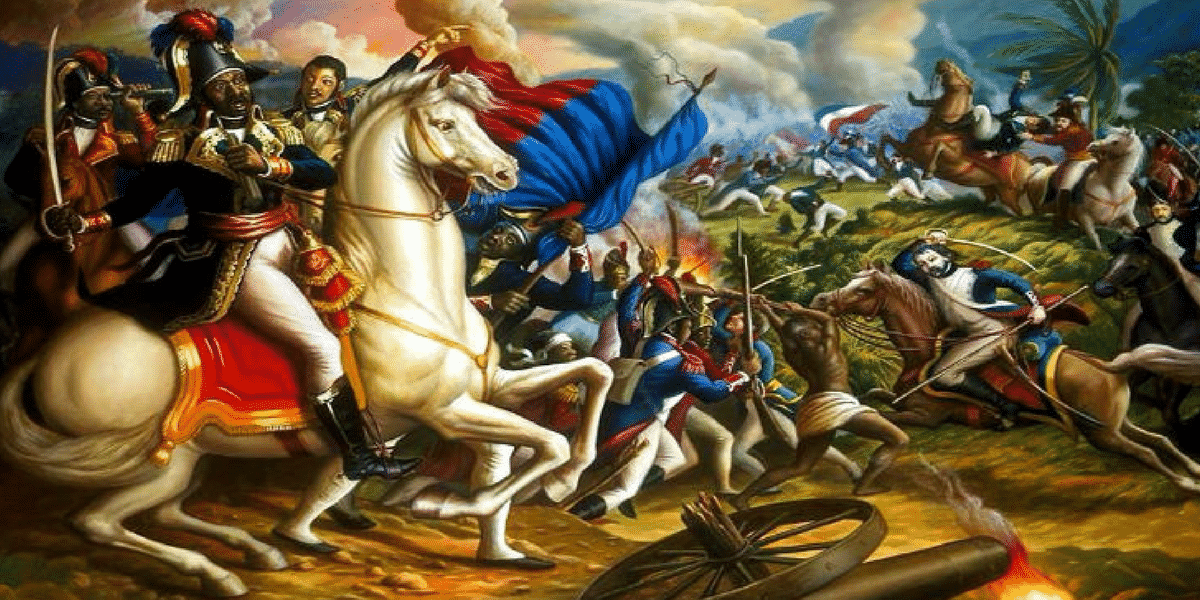
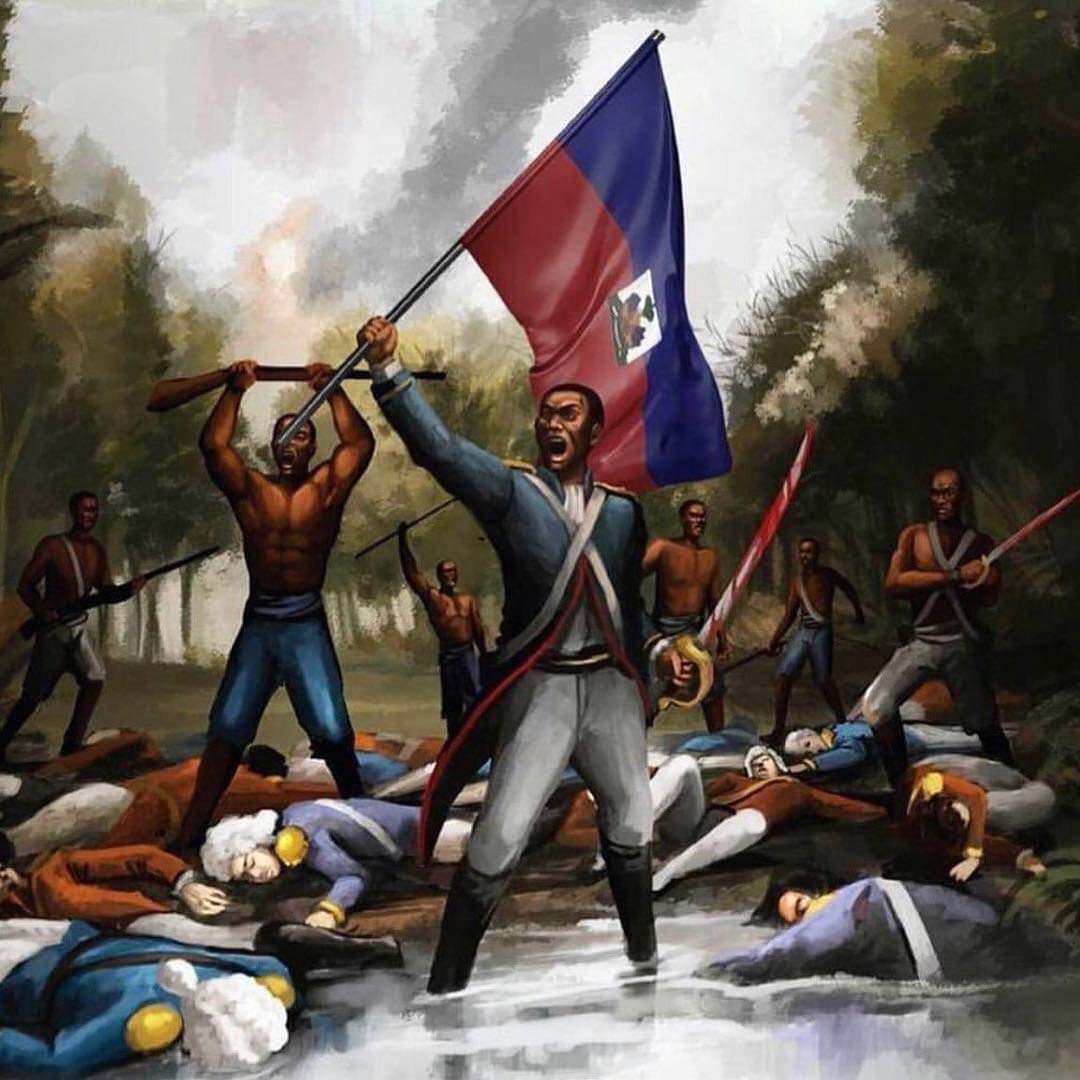
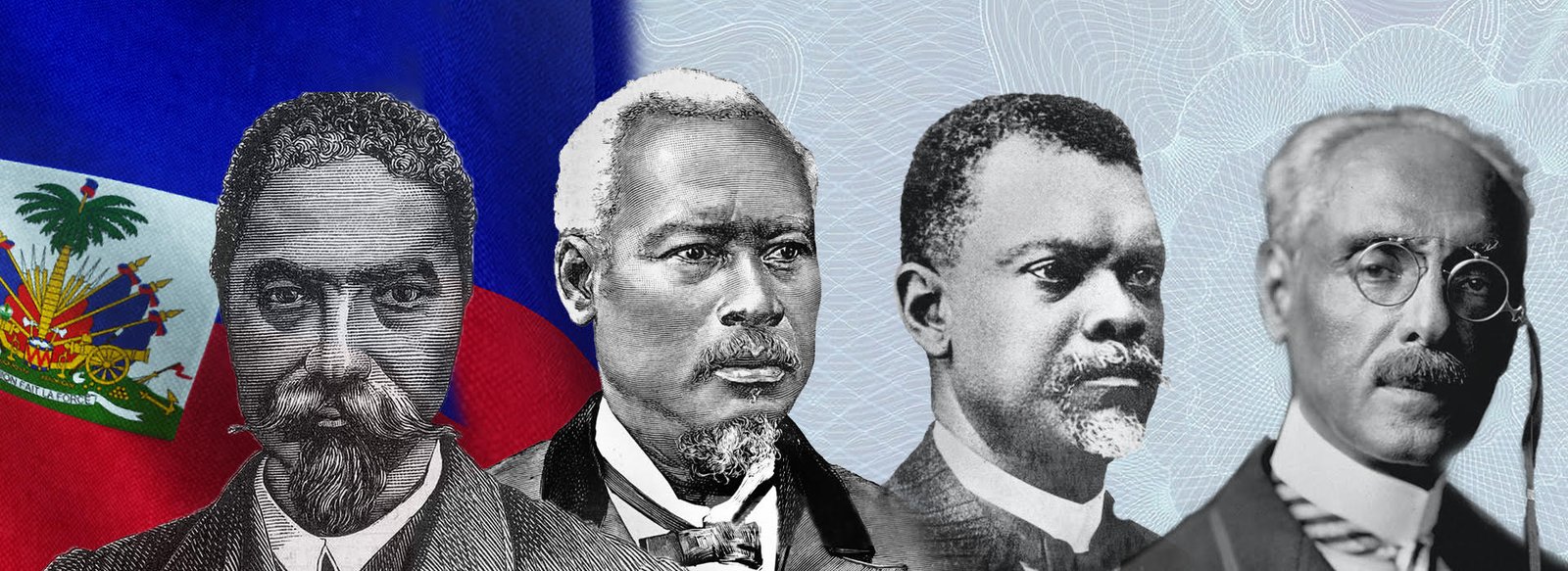
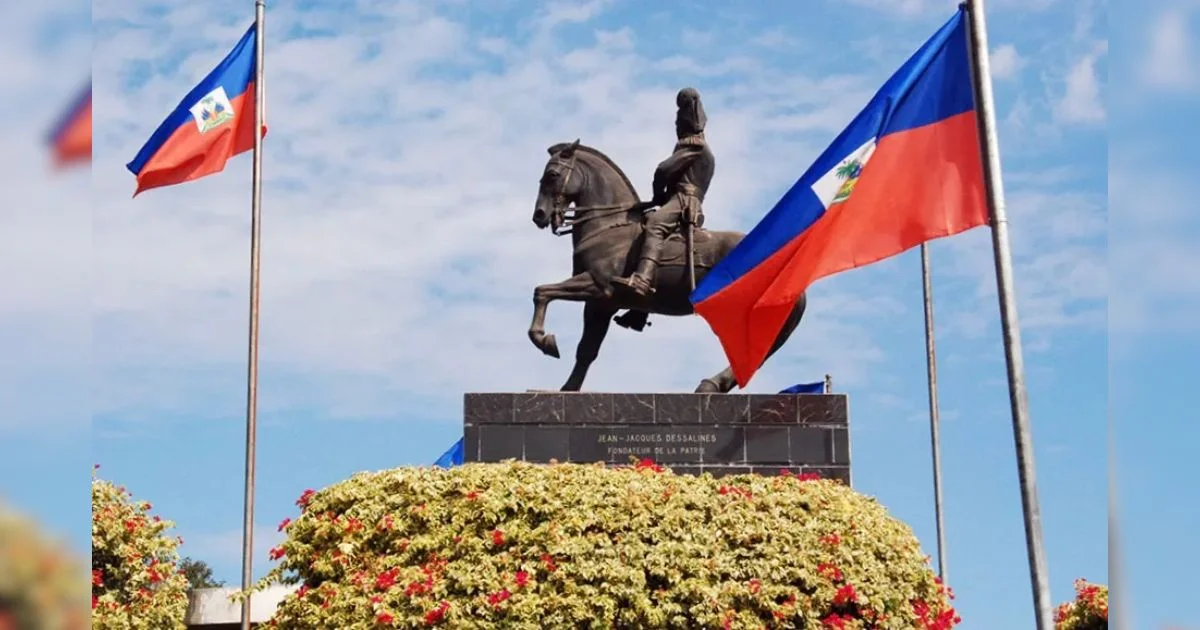
Led by Jean-Jacques Dessalines, Haitian forces fought valiantly against French troops, led by General Rochambeau, during the Battle of Vertières. On November 18, 1803, the Haitians inflicted a decisive defeat on the French, marking the end of the colonial era and the beginning of the world’s first free black republic.

Haïti
Haïti
Haïti

Importance of the Battle of Vertières

The victory at Vertières is more than just a battle won; it represents the end of colonial oppression and the emancipation of a people. It is the symbol of the fight for freedom and equality, fundamental values ​​which have inspired other independence movements around the world.

For Haiti, Vertières is a moment of national pride and commemoration of the bravery of ancestors who sacrificed their lives for freedom. This battle not only changed the destiny of the Haitian nation, but it also had a profound impact on world history by demonstrating that slaves could free themselves and rule their own country.

Haïti
Haïti
Haïti

Celebrations and commemorations

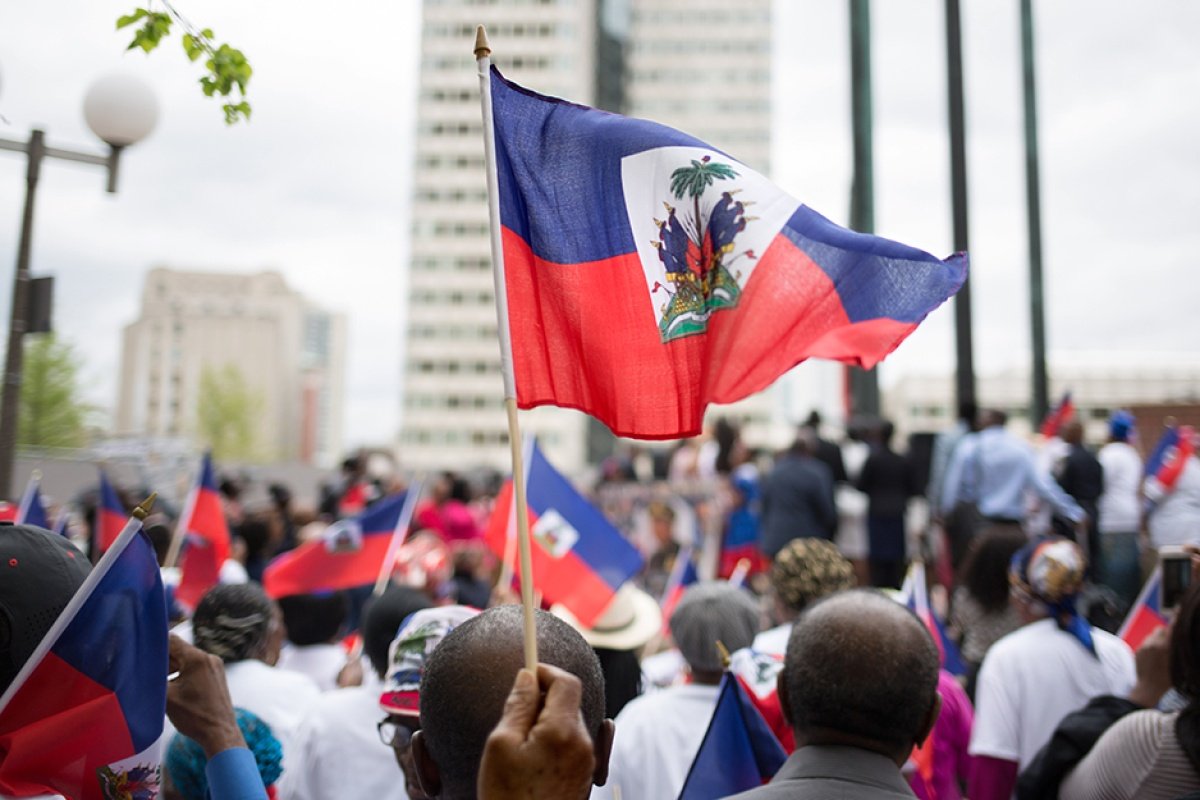
On November 18, the commemoration of the Battle of Vertières is marked by various activities throughout the country. Official ceremonies, military parades, patriotic speeches and cultural events are organized to honor the heroes of the Haitian revolution. Schools, institutions and families actively participate in these celebrations, recalling the importance of this day in national history.

The towns of Cap-Haitien and Vertières, where the battle took place, became centers of commemoration, attracting thousands of visitors and dignitaries. These events help to strengthen the feeling of national unity and pass on to younger generations the legacy of courage and resilience of their ancestors.

Haiti: The History of the World’s First Free Black Nation

Haiti: The History of the World’s First Free Black Nation

Haiti, the pearl of the Antilles, is a Caribbean island with a rich and complex history. However, its special status as the world’s first free black nation gives it a unique place in the annals of history. This small island was the scene of an extraordinary revolution which resulted in independence, thus marking the beginning of a new era for the black community and the abolition of slavery. Let’s delve into the captivating story of the birth of the first black republic, Haiti. b~The colonial era and slavery~b Haiti’s history dates back to the arrival of Europeans in the 15th century, when Christopher Columbus discovered the island. European settlers, mainly Spanish and French, introduced slavery to exploit the island’s resources, including sugar, coffee and cotton. The indigenous Native American population was decimated, paving the way for the massive importation of African slaves. b~The Haitian Revolution~b On August 14, 1791, Haitian slaves rose up against their oppressors, sparking the Haitian Revolution. Under the leadership of iconic figures such as Toussaint Louverture, Jean-Jacques Dessalines and Henri Christophe, the insurgent slaves inflicted defeats on European armies, demonstrating fierce resistance and a desperate quest for freedom. b~The Declaration of Independence and the creation of the Republic of Haiti~b On January 1, 1804, Haïti proclaimed its independence, becoming the world’s first free black nation. This historic declaration symbolized the end of slavery and the triumph of the will of a people determined to live free. The Republic of Haïti was born in struggle and blood, asserting its autonomy in the face of the colonial powers. b~Post-independence challenges~b However, independence did not mean the end of challenges for Haiti. The country had to face external pressure, reparations imposed by France in exchange for recognition of its independence, as well as internal unrest. Despite these obstacles, Haïti strove to build a free and sovereign nation. The story of Haïti is that of a nation that overcame countless challenges to emerge as a pioneer of freedom for the black population. The Haitian Revolution remains a unique example of resistance, courage and determination, and Haïti continues to carry the torch of independence in the contemporary world. The legacy of this small Caribbean island still resonates today, reminding the world that freedom is a universal right that can be won even in the most difficult circumstances.

Haïti
Haïti
Haïti

Contemporary thinking

Over the decades, the commemoration of the Battle of Vertières has taken on varied dimensions, sometimes tinged with reflections on the current state of the nation. Haitians take advantage of this day to not only celebrate the past, but also to reflect on current and future challenges. Political discourses and social analyzes of this day often address questions of freedom, social justice and national development, inspired by the heroism of Vertières’ fighters.

The Battle of Vertières on November 18, 1803 remains a pillar of Haitian identity and a powerful reminder of human potential to overcome adversity. By commemorating this victory, Haïti honors its ancestors, strengthens its national identity and remembers the importance of freedom and justice. It is a day of reflection, celebration and renewal of dedication to the ideals that guided the nation to independence.

Share
About the Author
Appolon Guy Alain
Appolon Guy Alain
Appolon Guy Alain

Full Stack Developer, Créatif, expérimenté, passionné des nouvelles technologies et de l’art.

See other articles from Appolon Guy Alain
Depaneur Charles

I’m always surprised, but yet not at what Haitian people can accomplish. Thank you for enlighten me.

November 17, 2024 - 02:16:11 PM
Ashley

Usa

November 17, 2025 - 03:34:40 PM
Leave a comment

Recently Posted

Haitian traditions

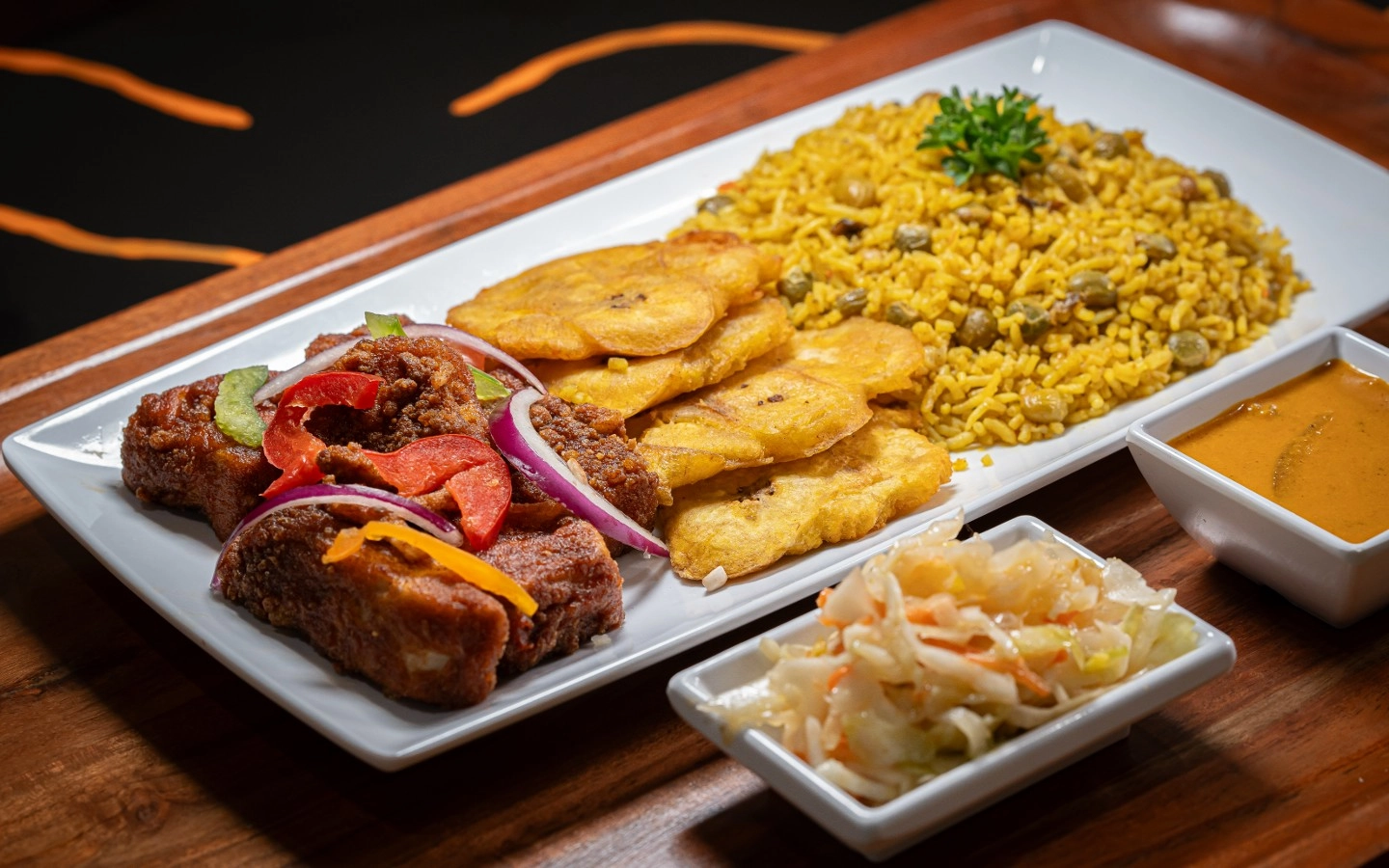
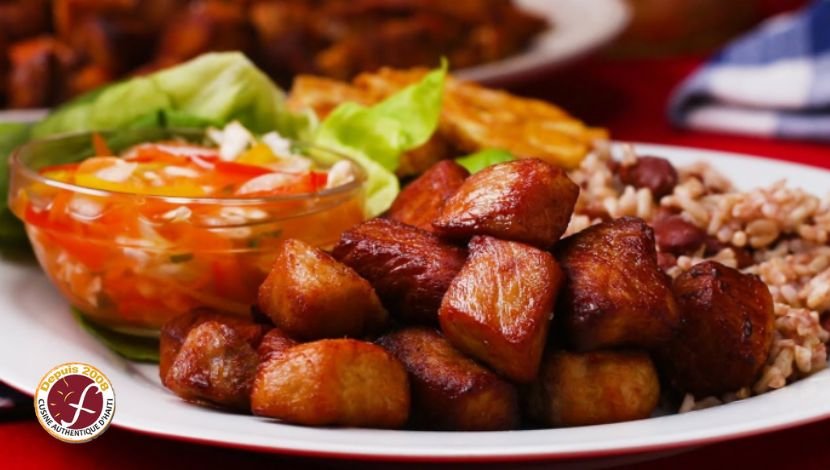
Haiti, the pearl of the Antilles, is a country rich in history and traditions. Its vibrant and diverse culture is reflected through its national holidays, cultural festivities, traditional foods, religious beliefs, folk tales, and traditional games. Let’s immerse ourselves in the social fabric of Haïti to discover the beauty of its traditions. b~National Holidays:~b National holidays in Haïti are moments of pride and national unity as January 1, Independence Day, commemorates the victory of Haitian slaves over French colonial forces in 1804, making Haïti the first independent country in Haiti. Latin America and the Caribbean or the commemoration of the Battle of Vertières on November 18. The Battle of Vertières was one of the last great battles of the revolution. It took place in Vertières, near the town of Cap-Haitien. b~Cultural Festivities:~b Haïti is also famous for its cultural festivities, particularly Carnival, which is an explosion of color, dance, and music. Artistic and craft events, such as the Rara festival, are an opportunity for artists to showcase their talent. The Rara, a musical parade, combines folklore and spirituality, creating a unique experience. b~Traditional Foods:~b Haitian cuisine is a delight for the taste buds. Dishes like griot (fried pork), diri djon djon (rice with black mushrooms), and the legendary joumou (joumou soup) are an integral part of Haitian culinary tradition. Bold flavors, spices and cooking methods inherited from African and French tradition make Haitian cuisine unforgettable. b~Vodou:~b Vodou, often misunderstood, is a synchretic religion that incorporates elements of Catholicism, African animism, and indigenous beliefs. It plays a significant role in the daily lives of Haitians, influencing music, dance, and religious rites. Vodou is a profound expression of Haitian spirituality. The Tales (Krik Krak, Tim Tim, Bwa Sèch): Haitian folk tales, passed down from generation to generation, are rich in morality and wisdom. b~Konbit :~b The concept of Konbit represents community solidarity. Haitians come together to perform community tasks, whether in agricultural fields or for construction projects. It is a living example of the collective spirit that permeates Haitian society. The most recent major project to date concerns the construction of the canal from the Massacre River to Ouanaminthe, which took place between September and December 2023. Thousands of inhabitants of the north of the country mobilized all their forces to erect a canal allowing to collect water intended for irrigation of their plantations, with the aim of obtaining better harvests. Despite their modest means, they were motivated by the slogan "KPK" (Kanal la pap kanpe), a direct response to Dominican President Luis Abinader who warned them and did everything in his power to stop the construction of the canal. This channel represents the deep solidarity of Haitians and reaffirms national pride. Despite economic challenges, the people of northern Haïti have demonstrated exceptional determination to work together for a common goal. The slogan “Kanal la pap kanpe” embodies their resilience in the face of external pressures and demonstrates their unwavering will to continue the construction of the canal. b~Traditional Games:~b Traditional games are an essential part of daily life in Haiti. Games like lido, sote kòd, Yoyo, Ralba, Marèl, TiTaTo, Kay, lago kache, Monte kap, teke mab, woule sèk, twa fwa se manbo, and domino bring people together, promoting camaraderie and fun. Haitian traditions are a harmonious blend of spirituality, community, and cultural diversity. Every aspect, from national holidays to traditional games, helps weave the rich cultural tapestry that makes Haïti proud. These traditions are the beating heart of the nation, a precious heritage that continues to be passed down from generation to generation.

Newsletter

Subscribe to our newsletter to stay informed of all our activities and news on Haiti.

Recently Posted

History

History

First black nation to free itself from slavery and gain independence from France in 1804 and influenced other liberation movements around the world, inspiring struggles for freedom and equality.

Natural beauty

Natural beauty

Haïti is blessed with spectacular natural landscapes, including white sand beaches, mountains and rich biodiversity.

Heritage

Heritage

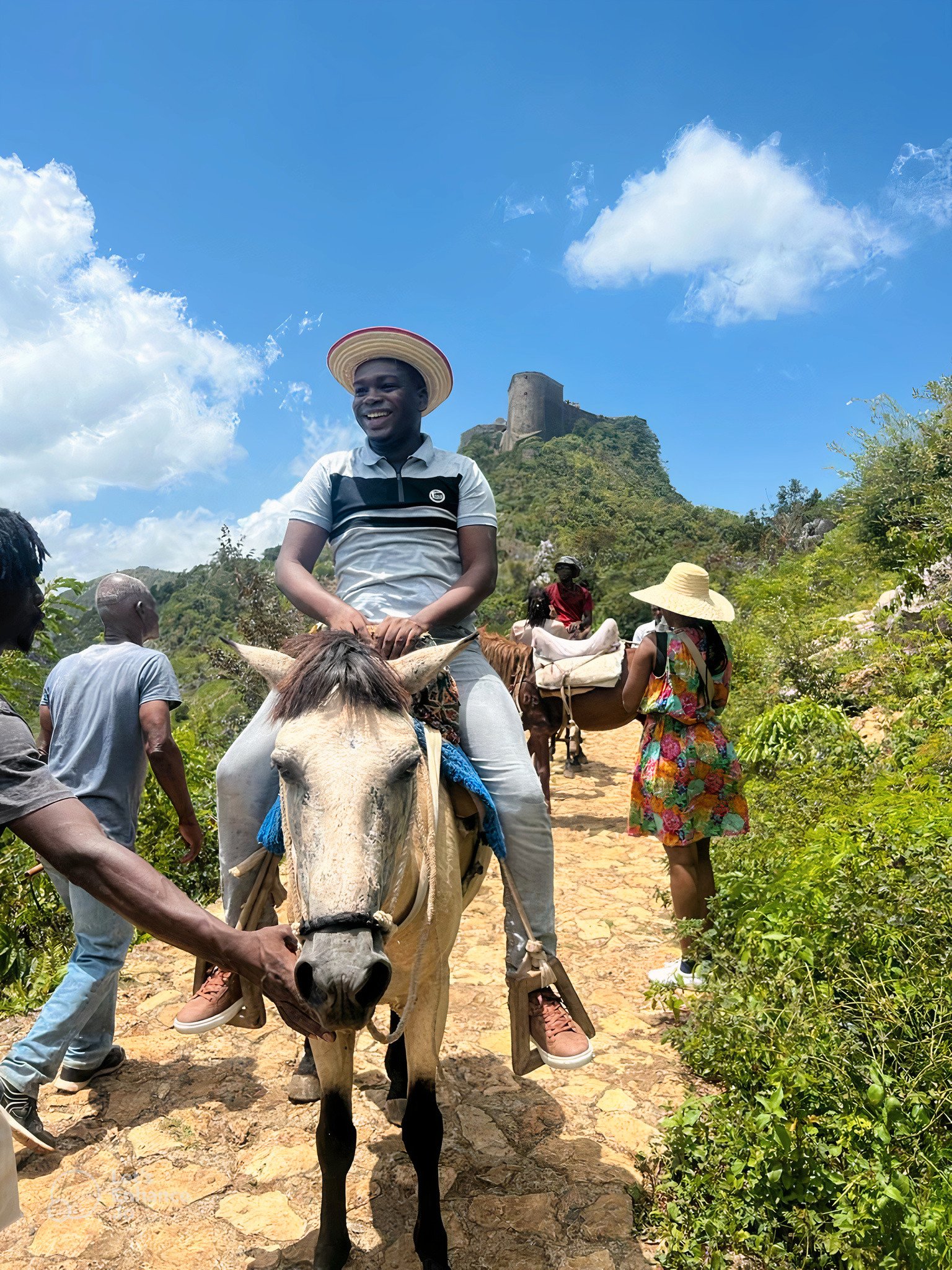
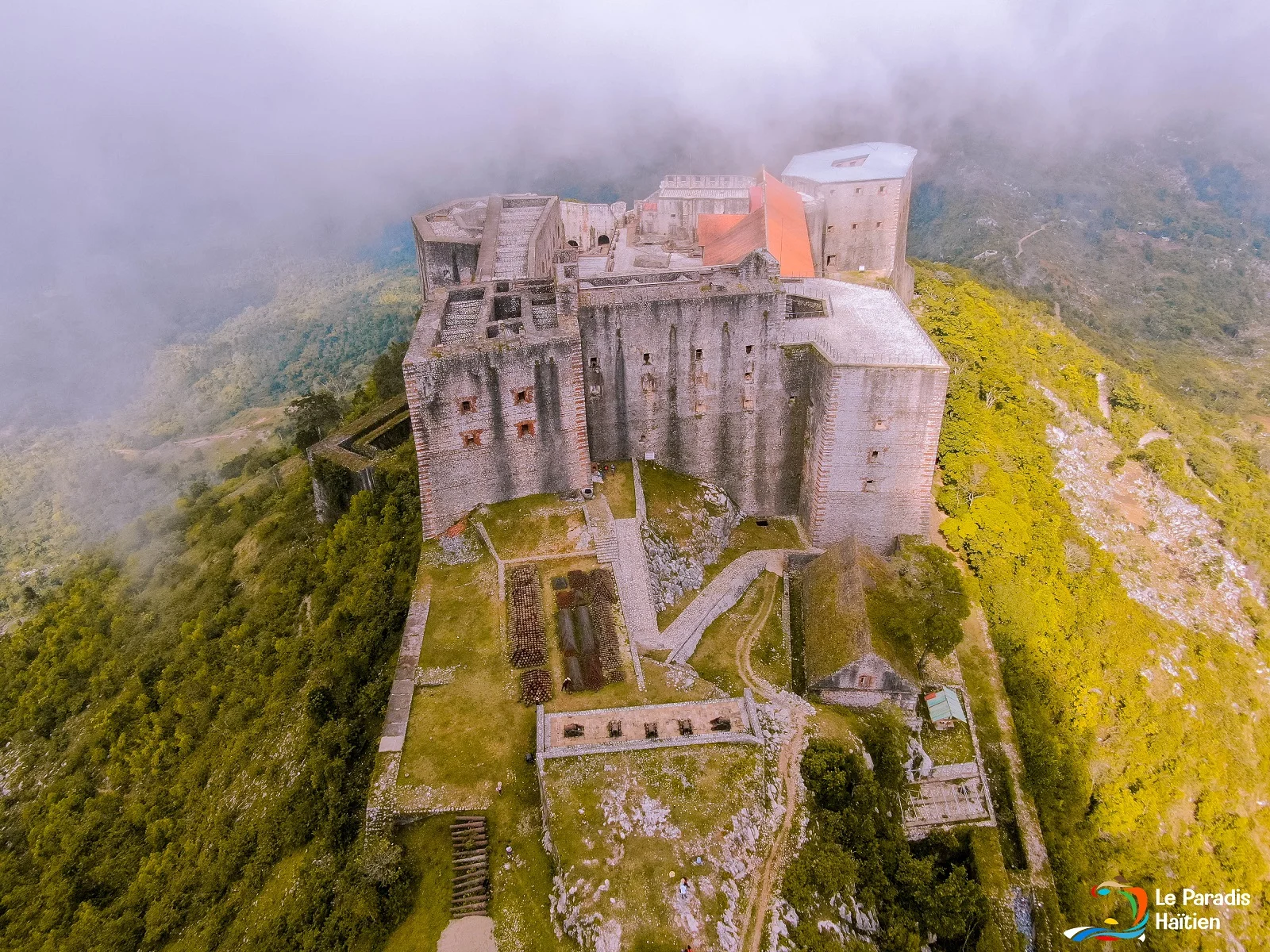
Haïti has a rich historical heritage, including sites like the Citadelle Laferrière and the Sans-Souci Palace, listed as UNESCO World Heritage Sites.

Culture

Culture

Haïti has a rich and diverse culture, influenced by African, European and indigenous elements. Haitian music, dance, art and cuisine are celebrated around the world.

  • +
    • Post