contact@haitiwonderland.com+509 36184317

Discover

Shopping Cart

Bois-Caiman Ceremony: Origin of the Haitian Revolution and Symbol of Resistance

Bois-Caiman Ceremony: Origin of the Haitian Revolution and Symbol of Resistance

In the late 18th century, Saint-Domingue (now Haiti) was a prosperous French colony, producing much of the world’s sugar and coffee through the forced labor of African slaves. This wealth was based on a brutal plantation system, where slaves endured inhumane living conditions. Social tensions were high, exacerbated by racial inequality and the violent repression of slaves by the colonists.

In the face of this oppression, slaves never stopped resisting. Maroons, escaped slaves, led attacks on plantations and maintained pockets of resistance in the mountains. The French Revolution of 1789, with its ideals of liberty, equality and fraternity, also resonated among the slaves of Saint-Domingue, awakening aspirations for emancipation.

Haïti
Haïti
Haïti

The Bois-Caiman Ceremony

The Bois-Caiman Ceremony is often described as a voodoo ritual, in which slaves gathered to invoke their ancestors and protective spirits (loas) to ask for strength in their fight against oppression. Led by Dutty Boukman, a voodoo priest and slave of Jamaican origin, and a priestess named Cécile Fatiman, the ceremony brought together slave leaders and rebels, who vowed to fight to the death for their freedom.

According to tradition, a black pig was sacrificed during this ceremony, a symbolic act representing the rejection of colonial oppression and the sacred connection with the spirits of the land and ancestors. The pig’s blood was shared among the participants, thus sealing their pact of revolt.

The Bois-Caiman ceremony is often considered the starting point of the Haitian Revolution, which would lead to the independence of the world’s first black republic in 1804. The ritual, held on the night of August 14, 1791, near the northern town of Morne-Rouge, is loaded with symbolism and historical significance.

Haïti
Haïti
Haïti

The Ceremony’s Impact and the Haitian Revolution

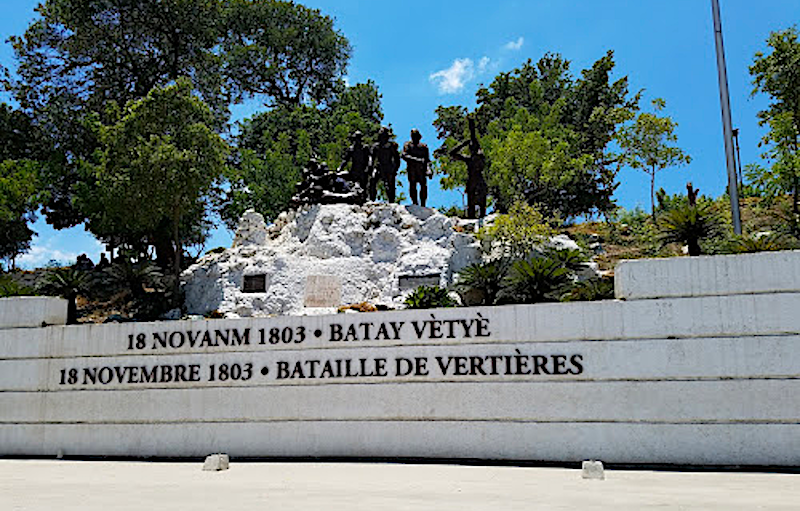
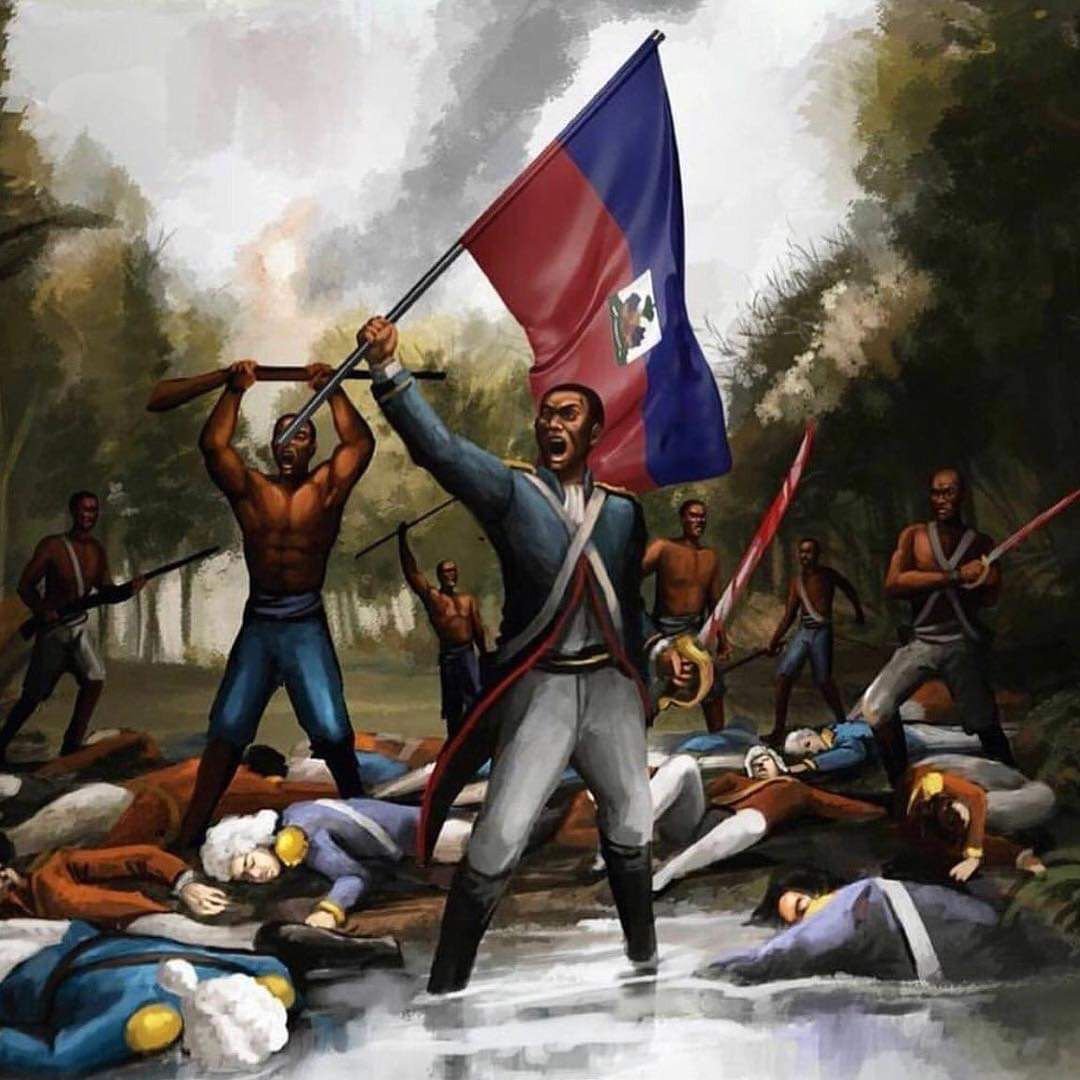
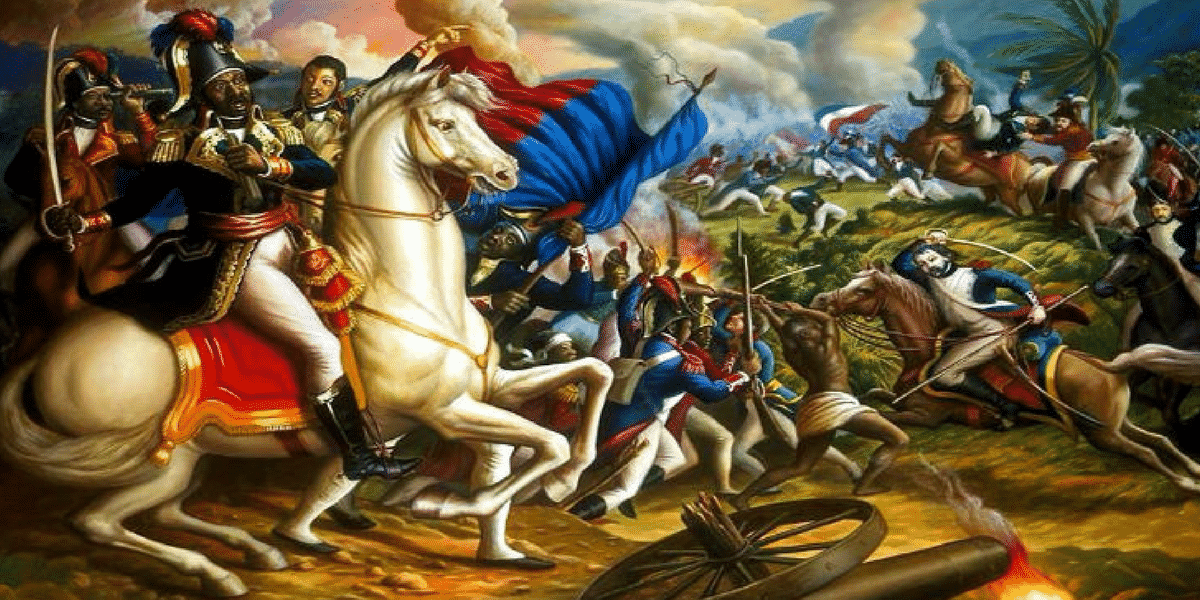
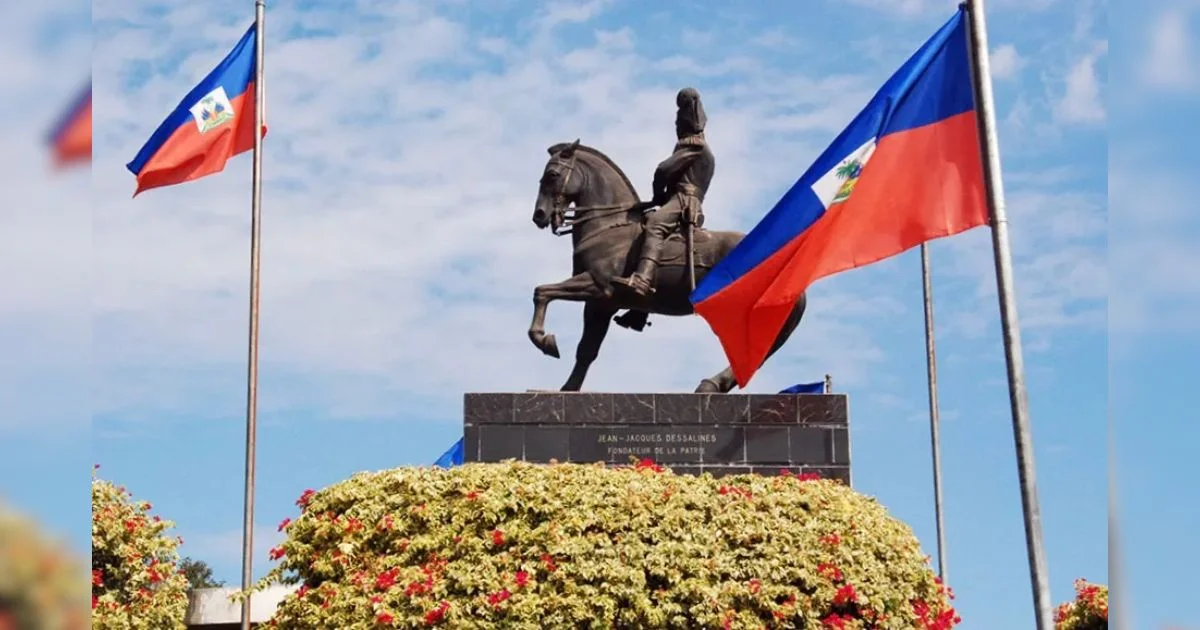
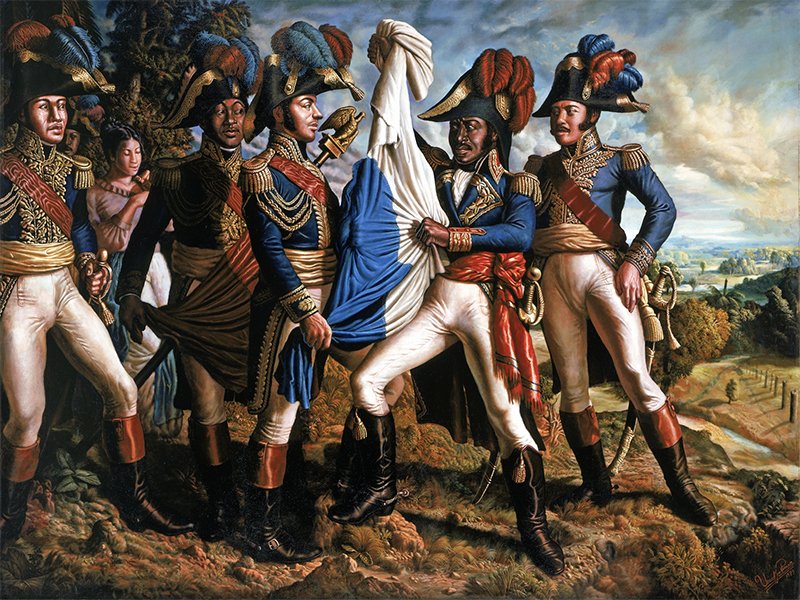
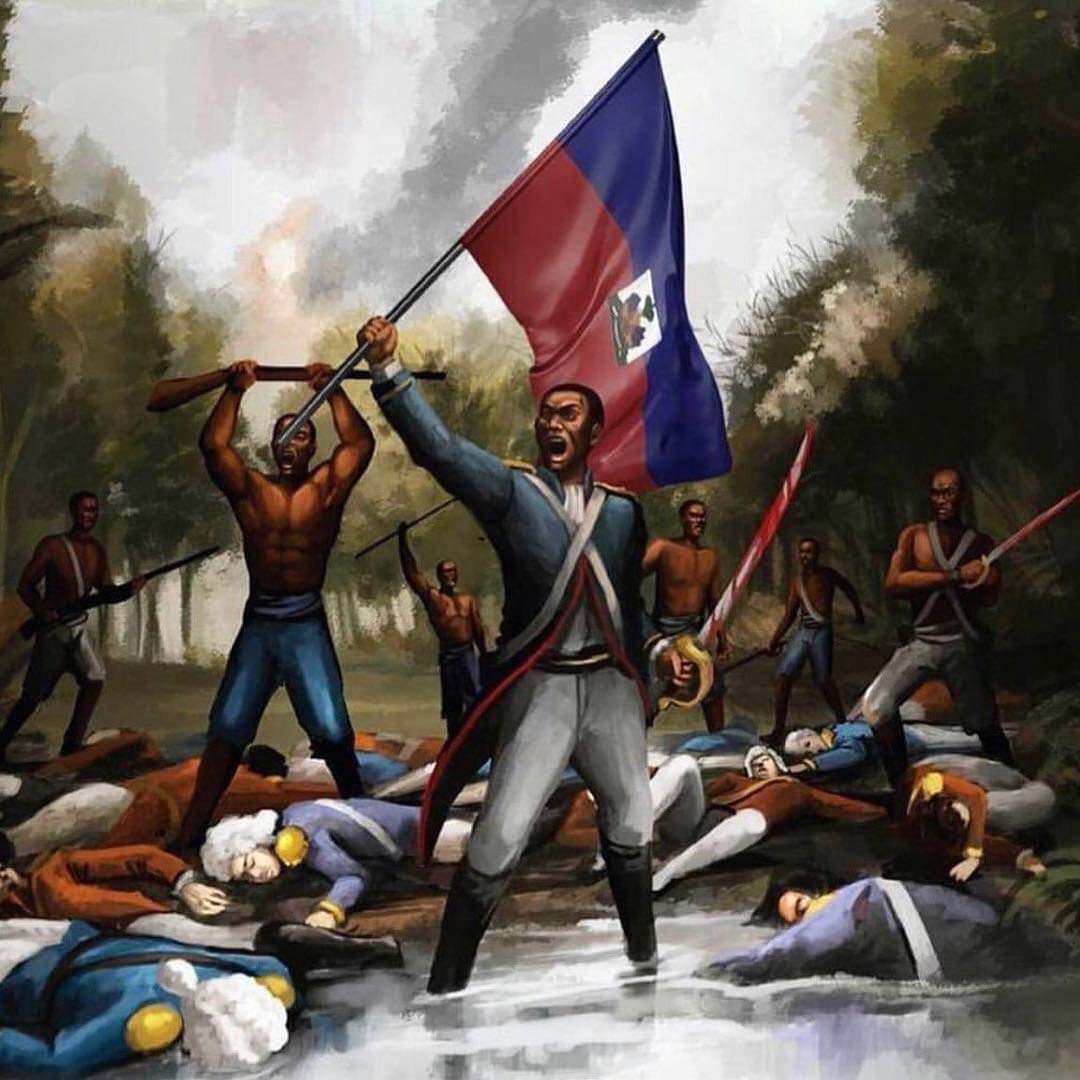
Soon after the Bois-Caiman Ceremony, a series of revolts broke out in northern Saint-Domingue, marking the beginning of the Haitian Revolution. Angry slaves set fire to plantations, killed white masters, and terrorized the settlers. This initial insurrection turned into a thirteen-year war of liberation led by leaders such as Toussaint Louverture, Jean-Jacques Dessalines, and Henri Christophe.

In 1804, Haïti declared its independence, becoming the first nation in the world to emerge from a successful slave revolt. The Haitian Revolution inspired other liberation movements in Latin America and around the world, while sending a powerful message against racial injustice and colonial oppression.

Haïti
Haïti
Haïti

Symbol of Resistance

Beyond its historical role in the Haitian Revolution, the Bois-Caiman Ceremony has become a powerful symbol of resistance and unity for the Haitian people. It represents the courage, determination, and solidarity of African ancestors in the face of oppression.

Today, the ceremony is commemorated annually in Haiti, not only as a reminder of the struggle for freedom, but also as an affirmation of Haitian identity and culture. It remains a symbol of the strength of the Haitian people to overcome adversity, preserve their dignity, and continue to fight for justice.

The Bois-Caiman Ceremony is much more than just a historical event. It embodies the spirit of revolt that led to Haiti’s independence, while symbolizing the continued resistance of oppressed peoples everywhere. Remembering this event honors not only the heroes of the Haitian Revolution, but all those who have fought for freedom and equality throughout the centuries.

Share
About the Author
Appolon Guy Alain
Appolon Guy Alain
Appolon Guy Alain

Full Stack Developer, Créatif, expérimenté, passionné des nouvelles technologies et de l’art.

See other articles from Appolon Guy Alain
Toussaint

infos suplementaire

April 01, 2025 - 08:08:09 AM
Leave a comment

Recently Posted

Newsletter

Subscribe to our newsletter to stay informed of all our activities and news on Haiti.

Haiti: A look back at the First Rara Weekend in Petit-Goave

Haitian culture is a true treasure, woven from the creativity of its artists, its rich heritage and the diversity of its cultural expressions. Among these cultural gems, the rara stands as a true national emblem, uniting Haitians through its captivating rhythms and centuries-old traditions. During the first Rara weekend, this very essence of Haitian culture shone brightly, revealing palpable social cohesion. Despite the absence of law enforcement, tranquility reigned in Petit-Goâve, testifying to the ability of citizens to come together in peace and conviviality. However, media attention was mainly focused on the first plain, leaving a certain imbalance in the coverage of the festivities. Ratyèfè, three-time reigning champion, once again captivated minds with his talent and artistic mastery, offering an unparalleled spectacle. But his rival, Lambi gran dlo, was not to be outdone, displaying a determination to compete for first place. The event was also marked by unfortunate incidents, reminding us that despite the beauty of tradition, tensions can arise. Clashes between fans of different groups tarnished the festive atmosphere, highlighting the need for careful management of celebrations to avoid such excesses. At the heart of this musical competition, where each group aspires to recognition and victory, a complex picture of rivalries and alliances emerges. Chenn tamarin, although appearing asleep in the first moments, shows signs of waking up, ready to shake up the established order. On Sunday evening, Lambi gran dlo honored the memory of one of its loyal supporters, while Grap Kenèp was the scene of violence between fans, recalling the fragility of social cohesion when passion runs wild. In this whirlwind of emotion and competition, it is crucial to keep in mind that it is the journalist who must look to the events, and not the other way around. This is how we draw up the first ranking for this first weekend: 1. Ratyèfè 2. Lambi grand dlo 3. Chenn tamarind Beyond the results, it is the preservation of unity and mutual respect that must remain at the heart of these celebrations, making the rara not only a musical festival, but above all a symbol of the wealth and resilience of the people Haitian.

Recently Posted

History

History

First black nation to free itself from slavery and gain independence from France in 1804 and influenced other liberation movements around the world, inspiring struggles for freedom and equality.

Natural beauty

Natural beauty

Haïti is blessed with spectacular natural landscapes, including white sand beaches, mountains and rich biodiversity.

Heritage

Heritage

Haïti has a rich historical heritage, including sites like the Citadelle Laferrière and the Sans-Souci Palace, listed as UNESCO World Heritage Sites.

Culture

Culture

Haïti has a rich and diverse culture, influenced by African, European and indigenous elements. Haitian music, dance, art and cuisine are celebrated around the world.

  • +
    • Post