contact@haitiwonderland.com+509 36184317

Discover

Shopping Cart

What is the capital of Haiti?

What is the capital of Haiti?

Port-au-Prince is the vibrant and historic capital of Haiti. Located on the bay of the same name, this city is much more than just an administrative center. It embodies the soul of the country through its history, vibrant culture, and resilience in the face of challenges. Let’s discover why Port-au-Prince is the beating heart of Haiti.

Haïti
Haïti
Haïti

A historical crossroads

Port-au-Prince was founded in 1749 by French colonists, who chose it for its strategic location on the bay.

- A colonial center: Initially conceived as a commercial port, Port-au-Prince quickly became an economic hub for coffee and sugar exports in the 18th century. - A key role in independence: The city played a central role in the Haitian Revolution, marking the struggle for the emancipation of slaves and the country’s freedom in 1804.

Today, the capital remains a symbol of independence and determination for the Haitian people.

Haïti
Haïti
Haïti

The economic and cultural lung of Haiti

Port-au-Prince is the country’s economic, cultural and administrative nerve center.

- Economy: The city is home to many businesses, banks, and financial institutions. With the main port and Toussaint Louverture International Airport, it is a key point for trade.
- Culture: The Haitian National Pantheon Museum (MUPANAH) and Notre-Dame Cathedral illustrate the rich cultural heritage. In addition, the iconic iron market offers a glimpse of local artisan talents.
- Education: The country’s leading universities, including the State University of Haiti, are located in the capital, attracting thousands of students each year.

Port-au-Prince is also the seat of government, housing the National Palace, ministries, and other key administrative institutions.

Haïti
Haïti
Haïti

A Resilient City

Port-au-Prince has faced major challenges in its recent history, including:

- The 2010 earthquake: This devastating earthquake caused enormous human and material losses, but the city has shown extraordinary resilience.
- Economic and political crises: Despite these challenges, Port-au-Prince remains the engine of the country and continues to evolve thanks to the efforts of citizens and the diaspora.

This resilience is a testament to the strength and indomitable spirit of the Haitian people.

Haïti
Haïti
Haïti

Key figures on Port-au-Prince

- Area: Approximately 36 km².
- Population: More than 1.2 million inhabitants in the commune, and up to 3.5 million in the metropolitan area.
- Founded: 1749.
- Altitude: 98 meters above sea level.

These figures illustrate the city’s importance as a densely populated and vital urban center for Haiti.

Haïti
Haïti
Haïti

Port-au-Prince: a symbol for Haiti

The Haitian capital is much more than just a city; it is a reflection of the country’s history, aspirations, and national identity.

From its bustling markets to its historic monuments to its thriving arts scene, Port-au-Prince embodies Haiti’s cultural richness and optimism.

Have you visited Port-au-Prince or would you like to know more about its attractions? Share your impressions or questions in the comments. Together, let’s explore and celebrate the capital of Haiti!

Share
About the Author
Appolon Guy Alain
Appolon Guy Alain
Appolon Guy Alain

Full Stack Developer, Créatif, expérimenté, passionné des nouvelles technologies et de l’art.

See other articles from Appolon Guy Alain
Leave a comment

Recently Posted

Newsletter

Subscribe to our newsletter to stay informed of all our activities and news on Haiti.

Haiti: Camp Louise: A Hidden Treasure in the Heart of Acul du Nord Bay

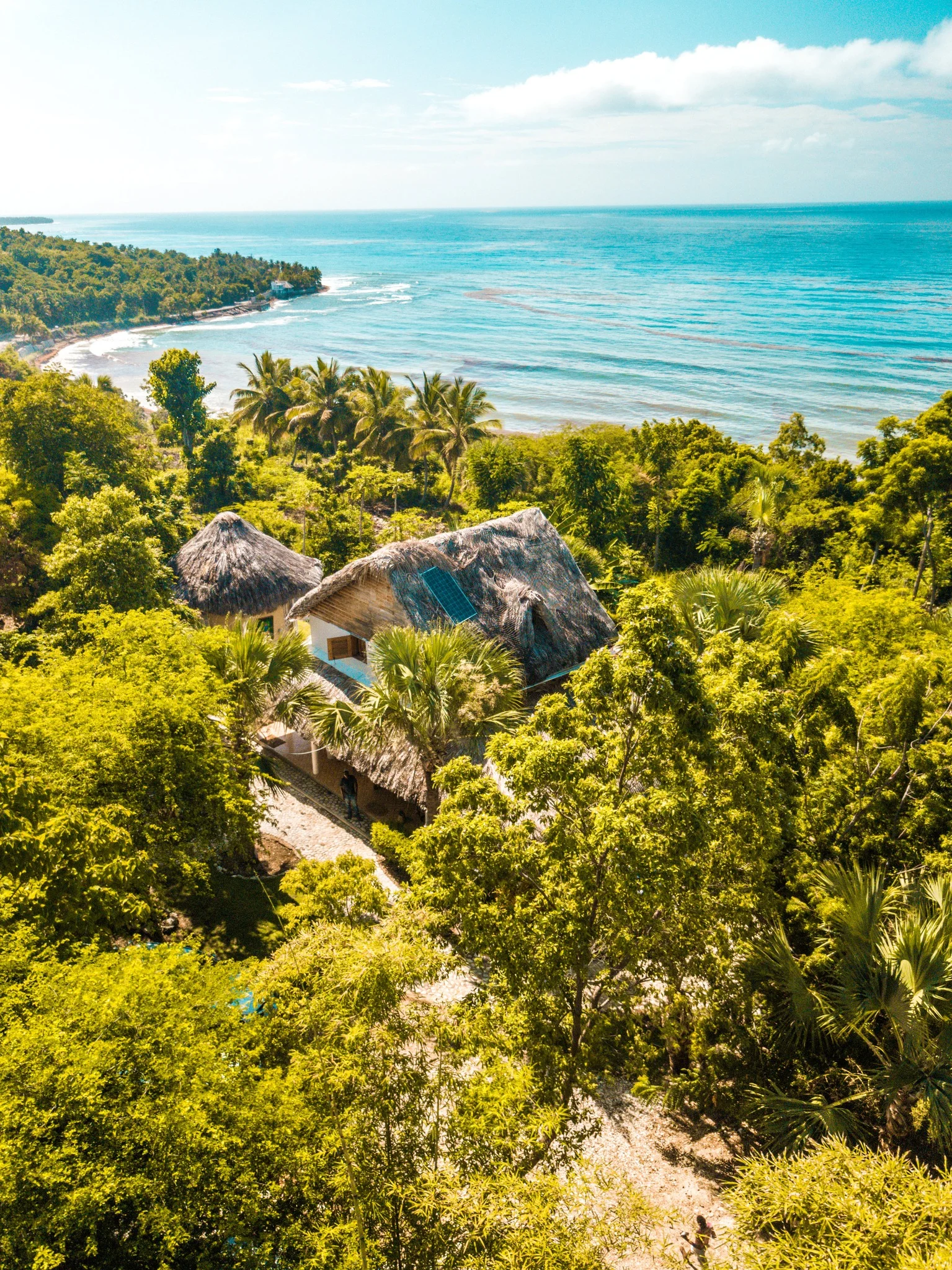
At the entrance to Haiti’s beautiful Baie de l’Acul du Nord lies an oasis of tranquility and natural beauty: Camp Louise, more affectionately known as Saint Michel Beach. With its black sand and rushing swells, this beach offers a spellbinding experience that captures the wild spirit of nature. As soon as you set foot on this enchanting shore, you are enveloped by an atmosphere of mystery and serenity. The "ajoupas" dotted along the beach are home to modest restaurants serving local delicacies, from fresh grilled fish to succulent conch. With every bite, you taste the exquisite fusion of authentic flavors that celebrate Haiti’s culinary richness. On your right, majestically sits the "M&M" restaurant, ready to delight your taste buds with its irresistible specialties, available to serve you at the end of the week, to crown your beach days with an exquisite gastronomic note. Despite its proximity to the bustling town of Cap-Haïtien, located just 26 kilometers away, Camp Louise seems like a world apart. Accessible both by road and by sea, by jet ski from the neighboring beaches of Gaderas and Labadie, this beach offers a welcome escape from the hustle and bustle of everyday life. Whether you are looking for adventure, relaxation or simply connection with nature, Camp Louise will meet all your desires. Its turquoise waters invite you to swim, its sandy beaches invite you to relax, and its warm atmosphere inspires wonder. For travelers seeking authentic experiences and breathtaking scenery, Camp Louise proves to be a hidden treasure worth discovering and celebrating. So, let yourself be carried away by the captivating magic of this rare pearl in the heart of the Bay of Acul du Nord, and let your worries float away with the waves that gently caress its shores.

There are several reasons why a foreign national might be interested in visiting Haiti

There are several reasons why a foreign national might be interested in visiting Haiti: Rich and diverse culture: Haïti has a unique culture resulting from a mixture of African, European (particularly French) and Caribbean influences. This is reflected in its music, cuisine, art and traditions. Fascinating history: Haïti was the first country in Latin America and the Caribbean to gain independence in 1804 after a successful slave revolt. Its history is rich in significant events and important historical figures. Magnificent natural landscapes: The island of Haïti offers a variety of breathtaking landscapes, from white sandy beaches to lush green mountains, picturesque waterfalls and isolated islands. Hospitality of the locals: Haitians are known for their warmth and hospitality towards foreign visitors, making the travel experience very pleasant and enriching on a human level. Opportunities for Sustainable Tourism: Haïti offers opportunities for sustainable tourism, including encouraging visits that directly benefit local communities and environmental conservation. Exploring historic sites: Historic sites such as the UNESCO-listed Citadelle Laferrière offer visitors a chance to discover colonial architecture and remains from pre-Columbian times. Vibrant cultural celebrations: Haïti is famous for its colorful festivals and cultural celebrations throughout the year, such as Carnival, where music, dance and traditional costumes are in the spotlight. In summary, visiting Haïti can offer a deep and authentic cultural experience, as well as an exploration of the unique natural and historical beauties of this Caribbean nation.

Recently Posted

History

History

First black nation to free itself from slavery and gain independence from France in 1804 and influenced other liberation movements around the world, inspiring struggles for freedom and equality.

Natural beauty

Natural beauty

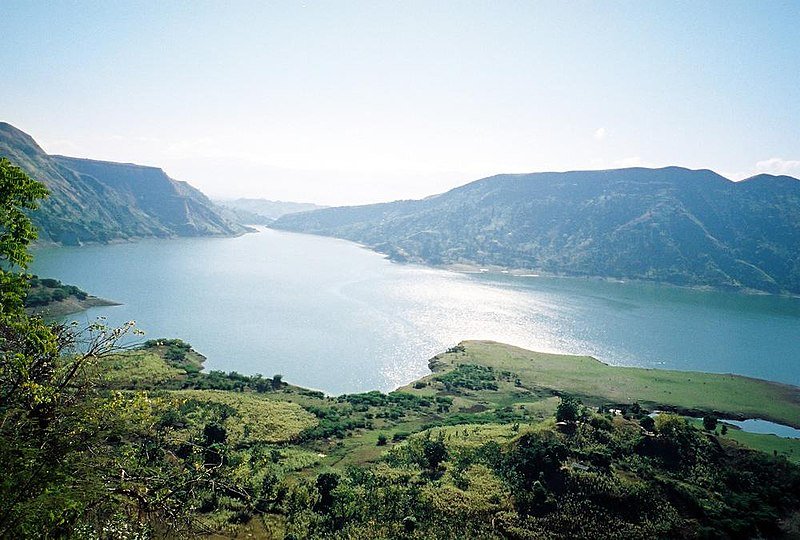
Haïti is blessed with spectacular natural landscapes, including white sand beaches, mountains and rich biodiversity.

Heritage

Heritage

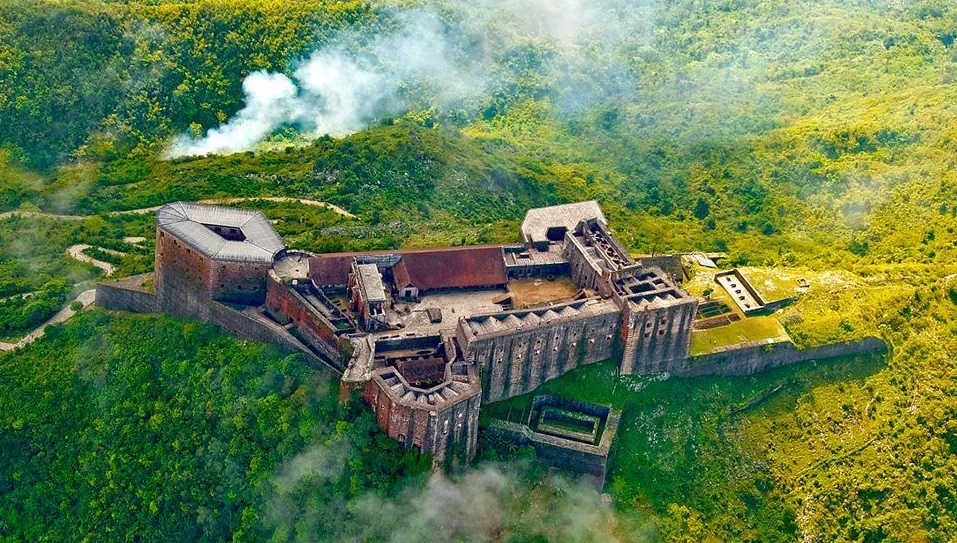
Haïti has a rich historical heritage, including sites like the Citadelle Laferrière and the Sans-Souci Palace, listed as UNESCO World Heritage Sites.

Culture

Culture

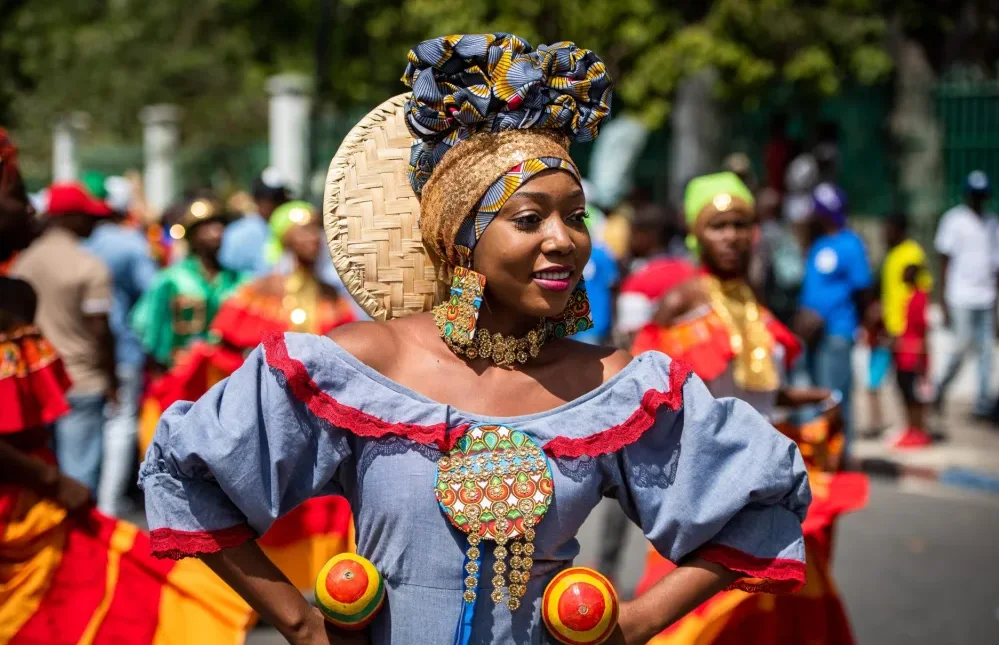
Haïti has a rich and diverse culture, influenced by African, European and indigenous elements. Haitian music, dance, art and cuisine are celebrated around the world.

  • +
    • Post