contact@haitiwonderland.com+509 36184317

Discover

Shopping Cart

Christmas Meals in Haiti: A Time of Sharing and Conviviality

Christmas Meals in Haiti: A Time of Sharing and Conviviality

In Haiti, Christmas meals occupy an essential place in the end-of-year celebrations. They are not only an opportunity to enjoy delicious dishes, but also to bring families and friends together around a table, in a warm and festive atmosphere. This article explores the culinary traditions, the importance of sharing and the spirit of conviviality that make Christmas meals in Haïti a memorable event.

Haïti
Haïti
Haïti

A Culinary Tradition Rich in Flavors

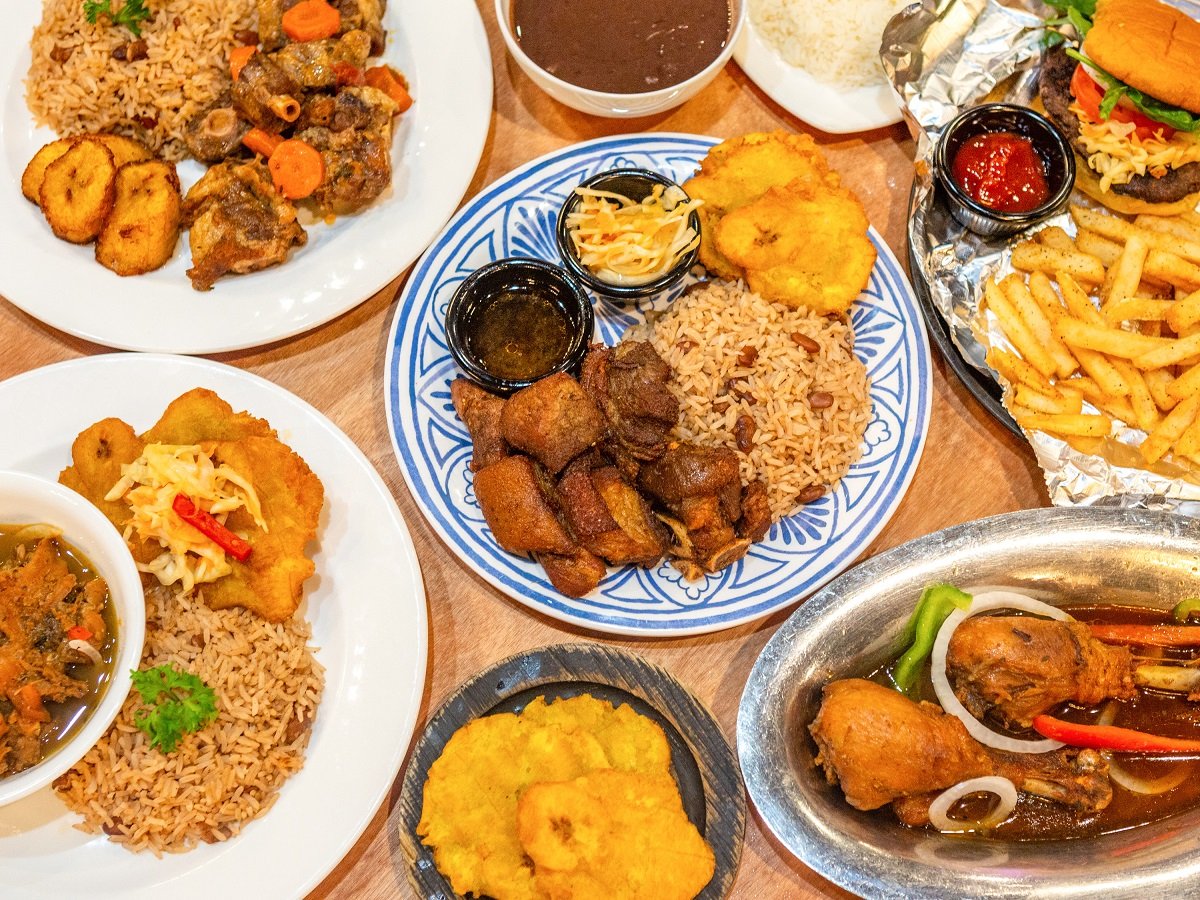
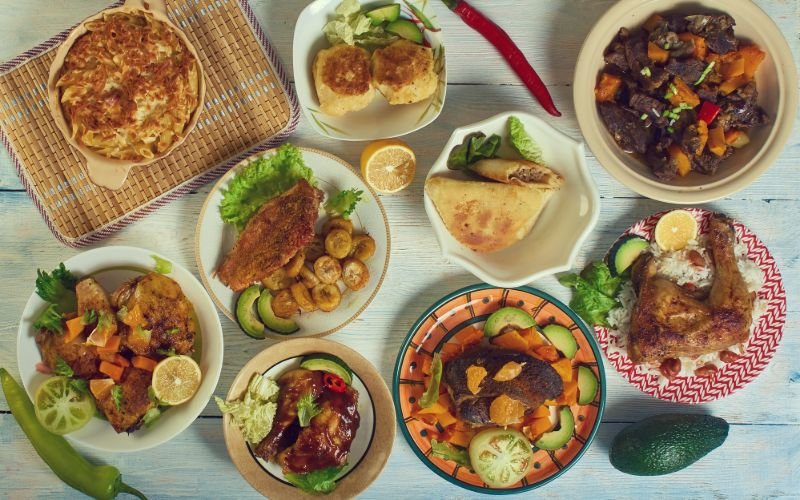
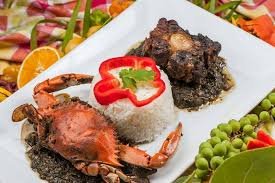
Christmas meals in Haïti are known for their diversity and authentic flavors, which reflect the cultural influences of the country. These meals generally consist of an array of carefully prepared dishes, blending fresh ingredients and local spices to create a unique culinary experience.

Iconic holiday dishes include:
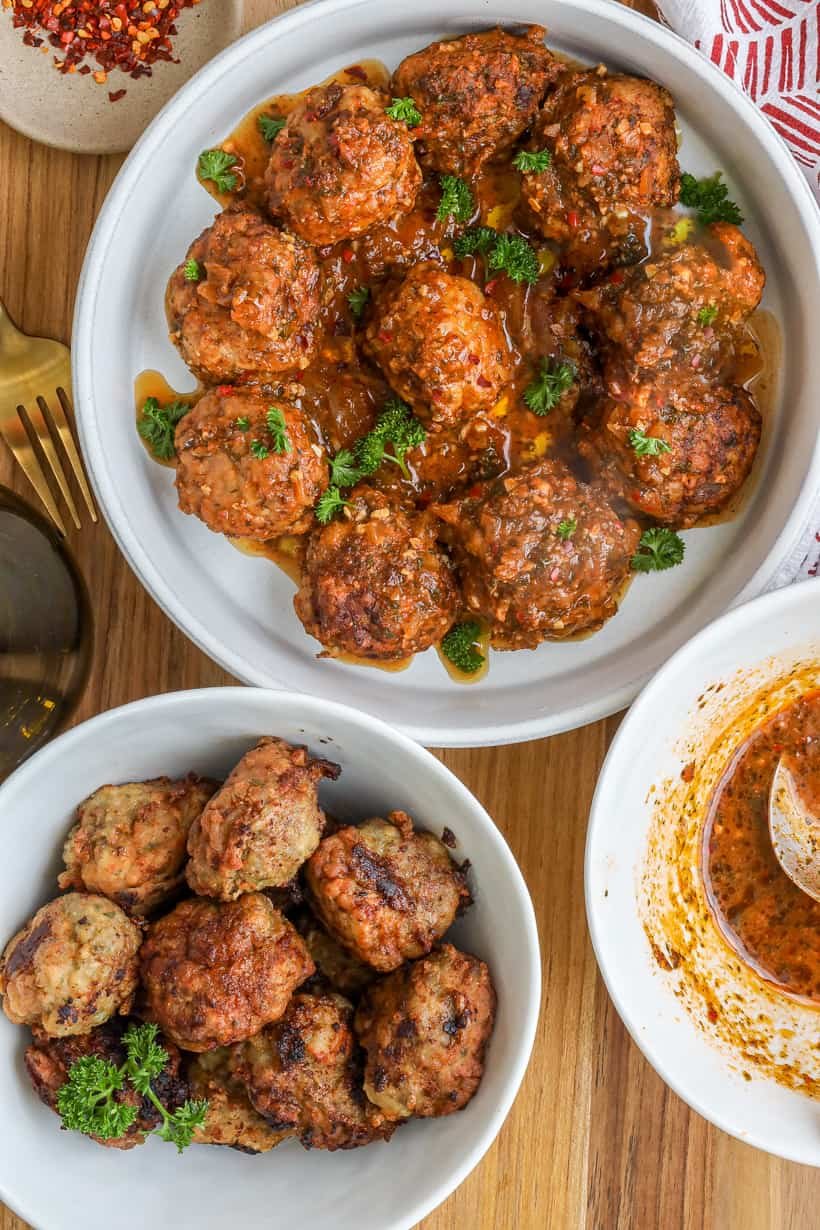
- Christmas ham: often marinated in a sweet and sour sauce, it is roasted to perfection and is one of the centerpieces of the meal.
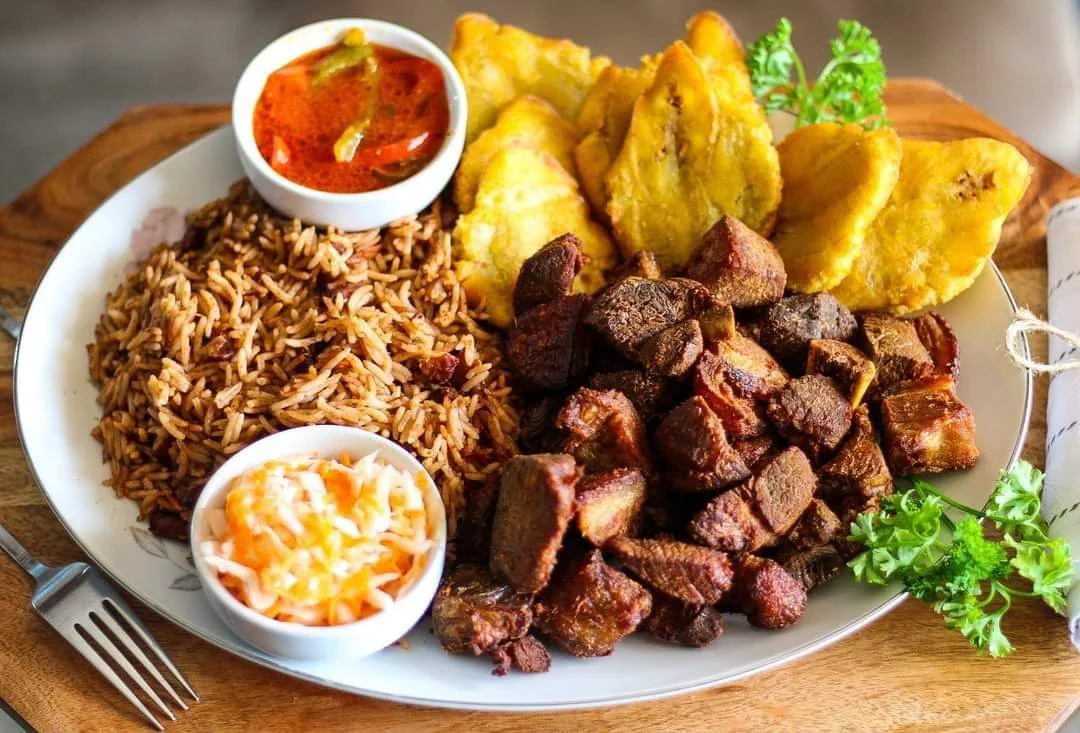
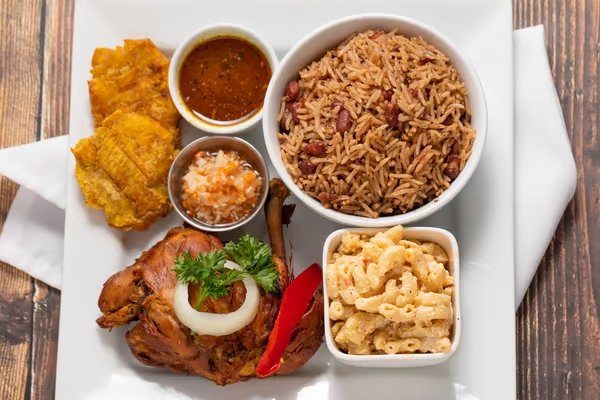
- Griot et bananes pesées: marinated and fried pork pieces, accompanied by fried plantains, which add a savory and crunchy touch.
- Diri djon djon: rice prepared with local black mushrooms, particularly appreciated for its refined taste and delicious texture.
- Traditional desserts: such as pain patate (sweet potato cake) and blanc manger (coconut milk flan), which end the meal on a sweet note.

These dishes, cooked with love, demonstrate the attention that Haitians pay to their culinary heritage, especially at this time of year.

Haïti
Haïti
Haïti

A Moment of Sharing and Generosity

In Haiti, Christmas meals are much more than a simple feast: they symbolize sharing and solidarity. Even in modest homes, it is customary to prepare a special meal to mark this period. Families strive to share their dishes with their neighbors, friends and sometimes even strangers.

In some communities, collective meals are organized to allow everyone, including those in difficulty, to celebrate Christmas in joy. These moments of sharing strengthen social ties and recall the importance of generosity and mutual aid in Haitian culture.

Haïti
Haïti
Haïti

An Unforgettable Family Reunion

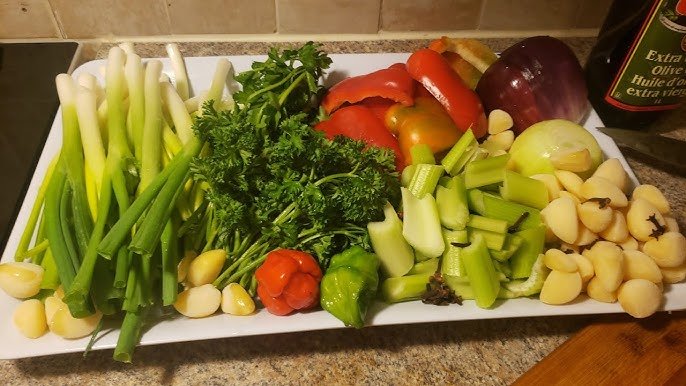
Christmas meals in Haïti are also an opportunity to bring together families, often scattered throughout the year. Loved ones gather around a large table to share stories, laughter and memories. Preparing meals becomes a moment of complicity between family members, where everyone contributes in their own way, whether by peeling vegetables, seasoning meat or setting the table.

These moments of conviviality are what make Christmas meals so special: they help strengthen family ties and pass on traditions to younger generations.

Haïti
Haïti
Haïti

Drinks That Accompany the Feasts

Drinks play a key role in Haitian Christmas meals, adding a festive touch to the whole. Among the must-haves are:
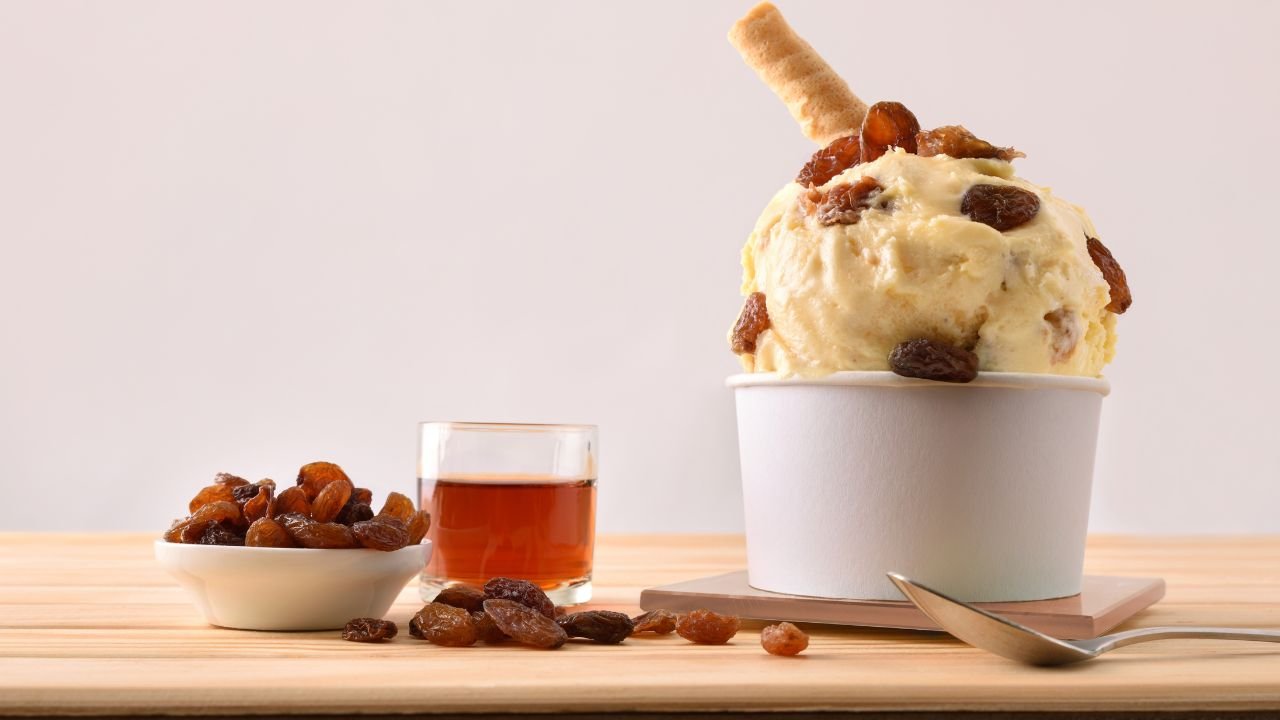
- Kremas: a sweet and creamy drink, prepared with condensed milk, rum, nutmeg and vanilla. Very popular, it is often prepared at home and shared with guests.
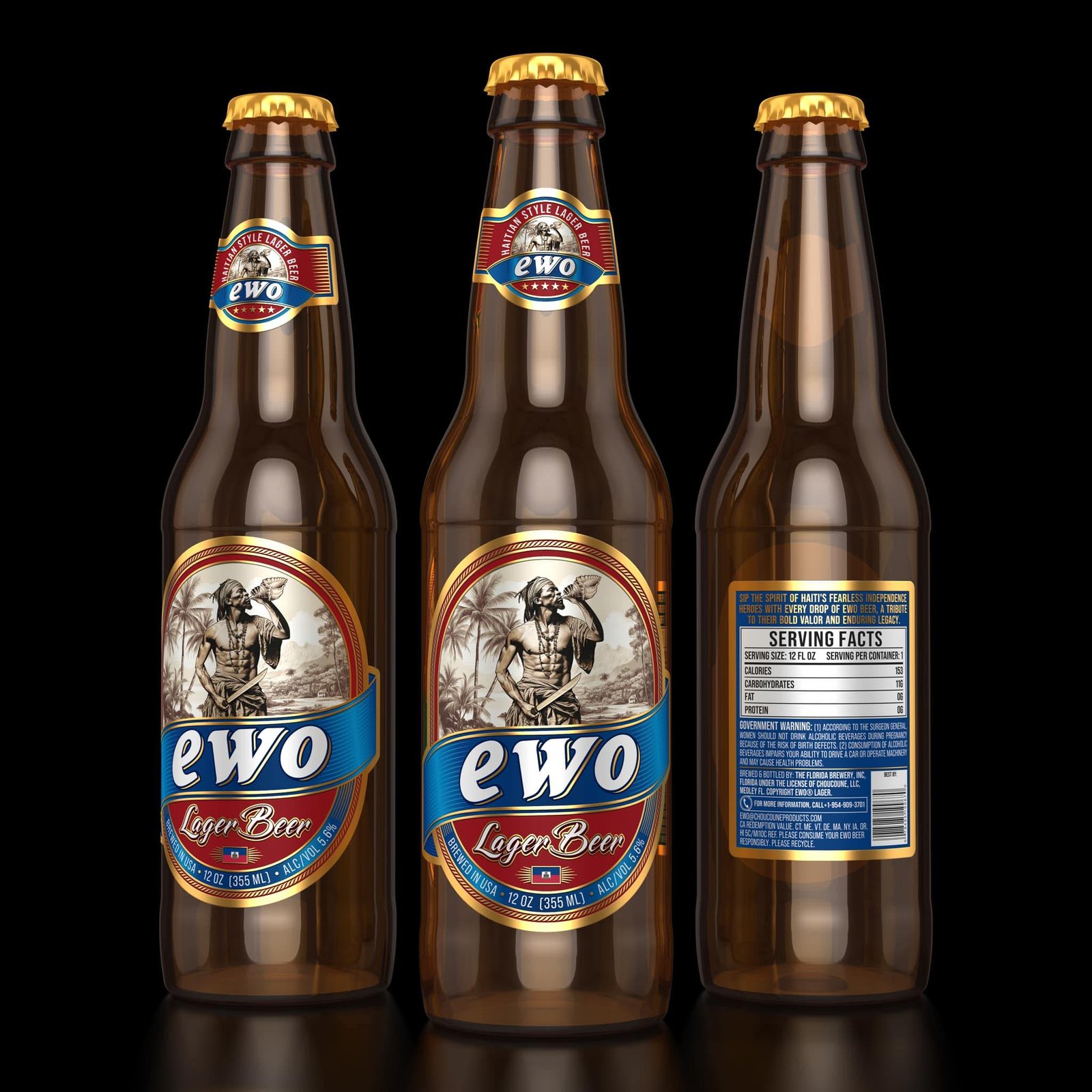
- Natural juices: such as soursop, tamarind or grenadine juice, which bring a refreshing and exotic touch. - Wine and rum: used to toast or accompany certain dishes.

These drinks reinforce the festive spirit while reflecting local tastes and traditions.

Haïti
Haïti
Haïti

Diaspora Meals: A Cultural Pride

Haitians living abroad continue to perpetuate these culinary traditions by adapting their recipes to the ingredients available in their host countries. Whether in the United States, Canada, France or elsewhere, Haitian communities celebrate Christmas by recreating these feasts, often shared with friends from other cultures.

These meals maintain a strong connection with Haitian culture and pass it on to future generations, while introducing its unique flavors to the rest of the world.

Haïti
Haïti
Haïti

A Celebration of the Spirit of Christmas

Christmas meals in Haïti perfectly embody the spirit of this holiday: sharing, conviviality and generosity. They are an opportunity to gather around a table, celebrate family ties and remember the fundamental values ​​of Haitian culture.

Whether in a home in Haïti or across the diaspora, these feasts remain a special moment where local flavors mingle with the love and joy of Christmas.

Share
About the Author
Appolon Guy Alain
Appolon Guy Alain
Appolon Guy Alain

Full Stack Developer, Créatif, expérimenté, passionné des nouvelles technologies et de l’art.

See other articles from Appolon Guy Alain
Leave a comment

Recently Posted

Newsletter

Subscribe to our newsletter to stay informed of all our activities and news on Haiti.

Vertières, Fort Mazi: Beyond historical truth;

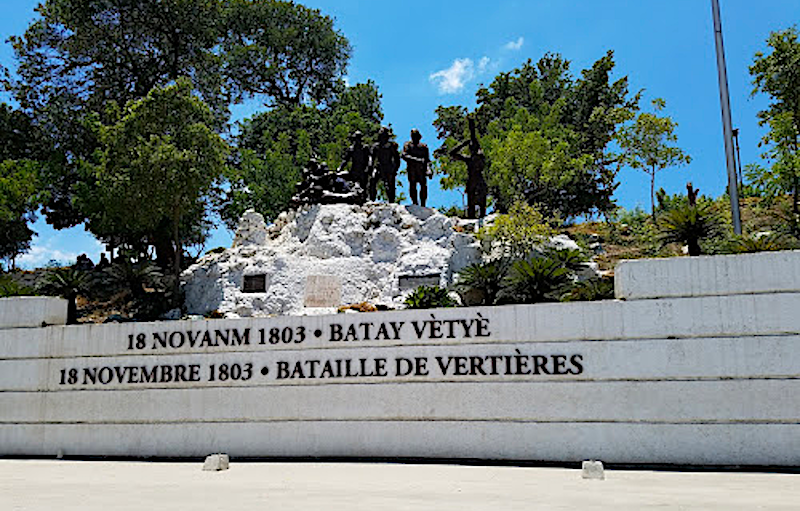
If you look up the word vertière in a French dictionary, you will not find it for fear that the world does not know this place represents the Achilles heels of the most powerful European army. What’s more, this one had just successfully won the eastern campaign. French historians of the time erased this geographical location from the radar of history because they did not want to tell the story as it is in the sense of explaining the first great humiliation of the expeditionary army French by bands of slaves who were totally ignorant in the art of waging war, much less in the handling of weapons. However, these illiterate wars routed the Napoleonic army, the most powerful at that time, using the means at hand. This expeditionary army, after having brought Europe to its knees, would experience its first rout by slaves in this geographical location, located in the Northern department of Haiti. Funny story, this city is not on the list of French words even though given its historical importance, it should be at the heart of universal history, far from putting an end to the invincibility of the undefeated army army. So as not to offend the white masters, no political leader has ever asked why vertière does not appear in any French dictionary? However, they celebrate this battle with great fanfare every November 18. What historic hypocrisy among our leaders! After Vertière many other historical places are strangled by historians in order to hide the extremes of atrocities of the French colonists on the slaves. It is in this context of historical strangulation that “Fort Mazi” is not mentioned in school history textbooks. This is located in Petit-Goave, 2nd municipal section, Arnoux locality. We came across this mega fort, during a mobile clinic entirely financed by the Ernest Junior foundation, a charitable foundation which works in the social sector, particularly in the field of art and music. According to residents , the oldest in this locality, this fort was built on at least 20 squares of earth by the settlers. It was a huge military complex divided into compartments, outposts, turtle rooms, rooms for treating colonists, a large Catholic church, and a cemetery. However, we never talk about this fort so much so that it is ignored by history teachers in the town of Petit-Goave. Certainly, the desired disappearance of this fort under the radar of history buries the atrocities, the barbarities, the most inhumane punishments of the colonists on the slaves. Looking closely at reality, everything seems true that it is the largest fort ever built during the period of colonization. Moreover, it probably seems the most fortified in relation to its importance. Remember that Vertière only exists in Haitian school history textbooks while Fort Mazi does not appear, much less in French dictionaries or history books. This explains why this fort was a secret place in which the settlers practiced crimes and atrocities that went beyond human understanding. Is it not a clear desire of historians to hide what this immense fort built on at least 20 tiles of earth really was? Discover the history of Haiti: A fascinating story to explore! : https://haitiwonderland.com/haiti/histoire/decouvrez-l-histoire-d-haiti--un-recit-fascinant-a-explorer/81

Guédés: When Haïti celebrates its ancestors with color and fervor

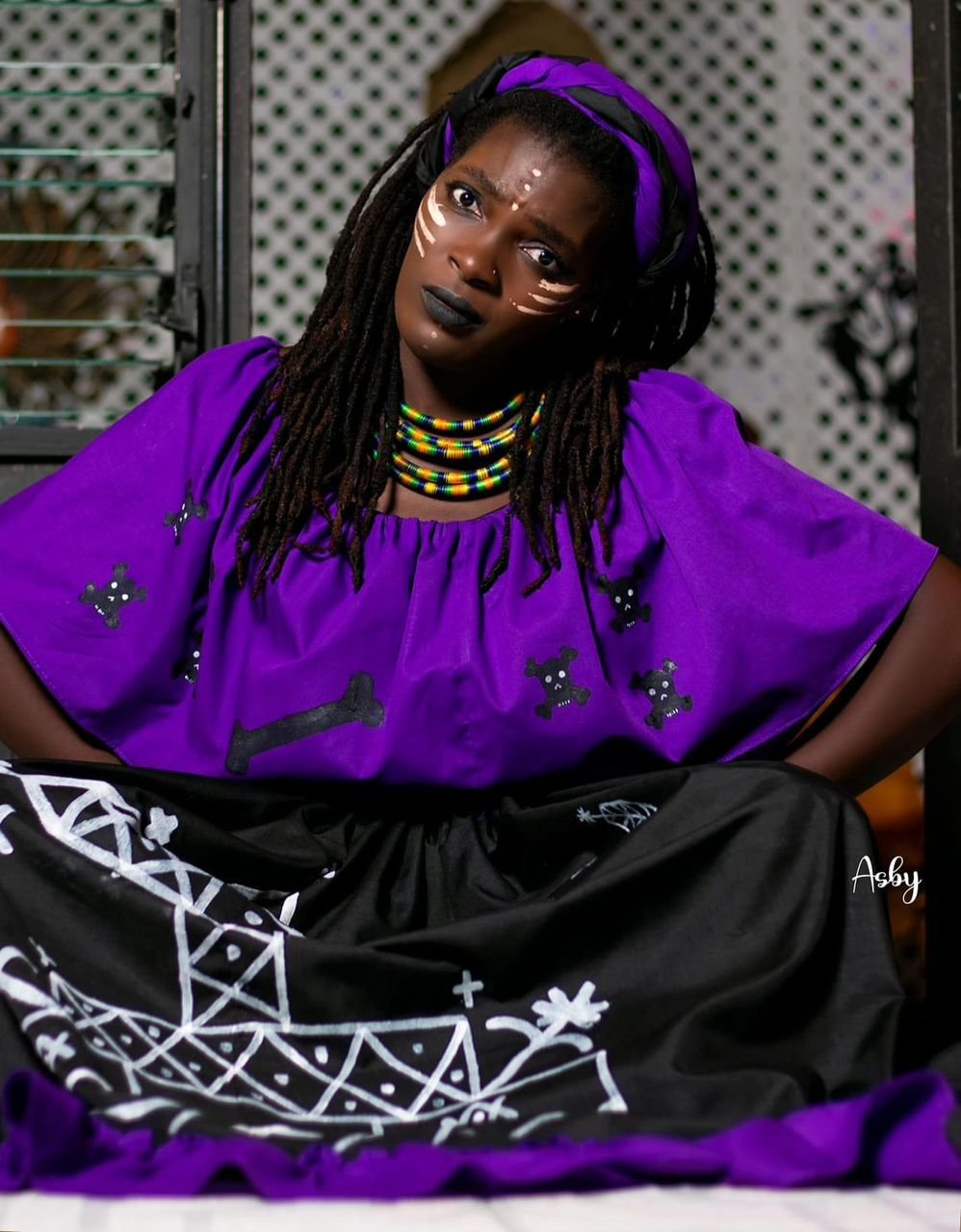
Every November 1st and 2nd, Haïti comes alive with the colors black and purple to celebrate the Guédés, spirits venerated in the voodoo religion, symbols of a powerful bond between the living and the dead. Fascinating, indomitable and provocative, the Guédés form a true family in the pantheon of Haitian voodoo, where they are respected for their role as spiritual guides of the deceased to the afterlife. Led by iconic figures such as the legendary Baron Samedi and his companion Grann Brigitte, the Guédés embody the paradoxes of life and death. Each Baron has a unique personality: Baron Cimetière, Baron Kriminel, and Baron La Croix are the guardians of the souls that wander on the borders of the world of the dead. Together, they form a powerful and somewhat frightening presence, but one that is deeply rooted in Haitian culture. The Guédés are not like other voodoo spirits; they demonstrate their fearlessness in a spectacular way. Accustomed to death, they are fearless and are provocative: they eat glass, raw peppers, and coat their sensitive parts with rum and pepper. These gestures mark their indifference to danger and remind us that they have already known earthly life. They are thus psychopomps – these beings who lead the souls of the dead – and act as bridges between the world of the living and that of the dead. Some Guédés, like Guédé Nibo, wear black, purple, and white clothing, each with unique characteristics. They are many and varied: Guédé Fouillé, Guédé Loraj, Papa Guédé, and many others. These are the spirits who, each year, remind Haitians of the importance of remembering and honoring the deceased. The cult of the Guédés is not only religious; it is also cultural and historical. According to tradition, their spiritual territory, or “Fètomè” – nicknamed the “Country without Hats” – is a place where the souls of ancestors reside. According to stories, the origins of this cult go back to the Abomey plateau, the ancient capital of the kingdom of Dahomey, in Africa, where death and life coexist in a form of symbiosis. This celebration in Haïti even finds echoes in ancient history. The Romans also honored their dead with the “Fête des Lémuria”, which took place in February, to ward off spirits and restore peace between the world of the living and that of the deceased. For Haitians, honoring the Guédés is about accepting death as a part of life and celebrating the invisible bonds that unite us with those who have left us. It is also a way of resisting, because life, despite its challenges, must be celebrated in all its complexity and depth.

Recently Posted

History

History

First black nation to free itself from slavery and gain independence from France in 1804 and influenced other liberation movements around the world, inspiring struggles for freedom and equality.

Natural beauty

Natural beauty

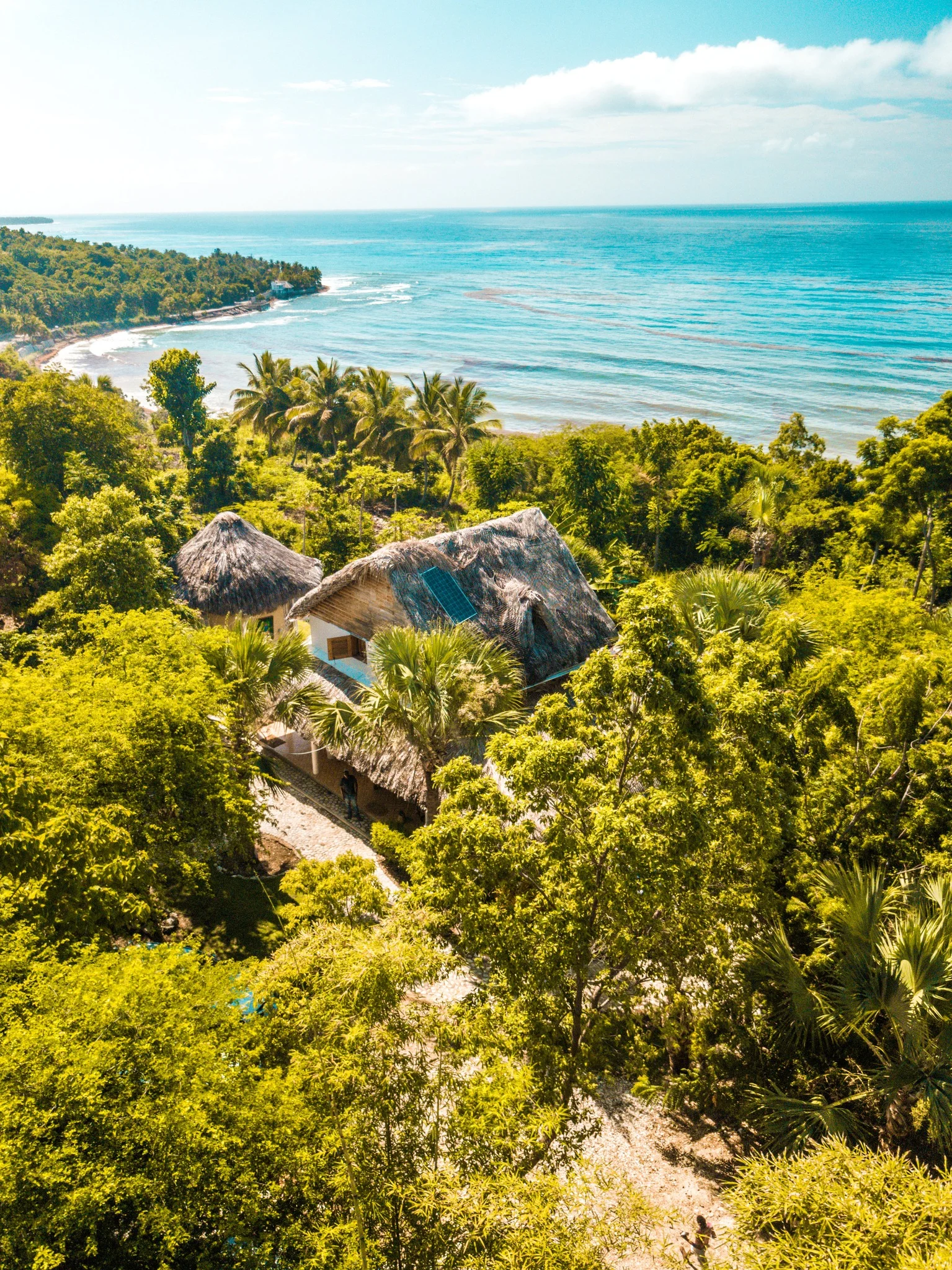
Haïti is blessed with spectacular natural landscapes, including white sand beaches, mountains and rich biodiversity.

Heritage

Heritage

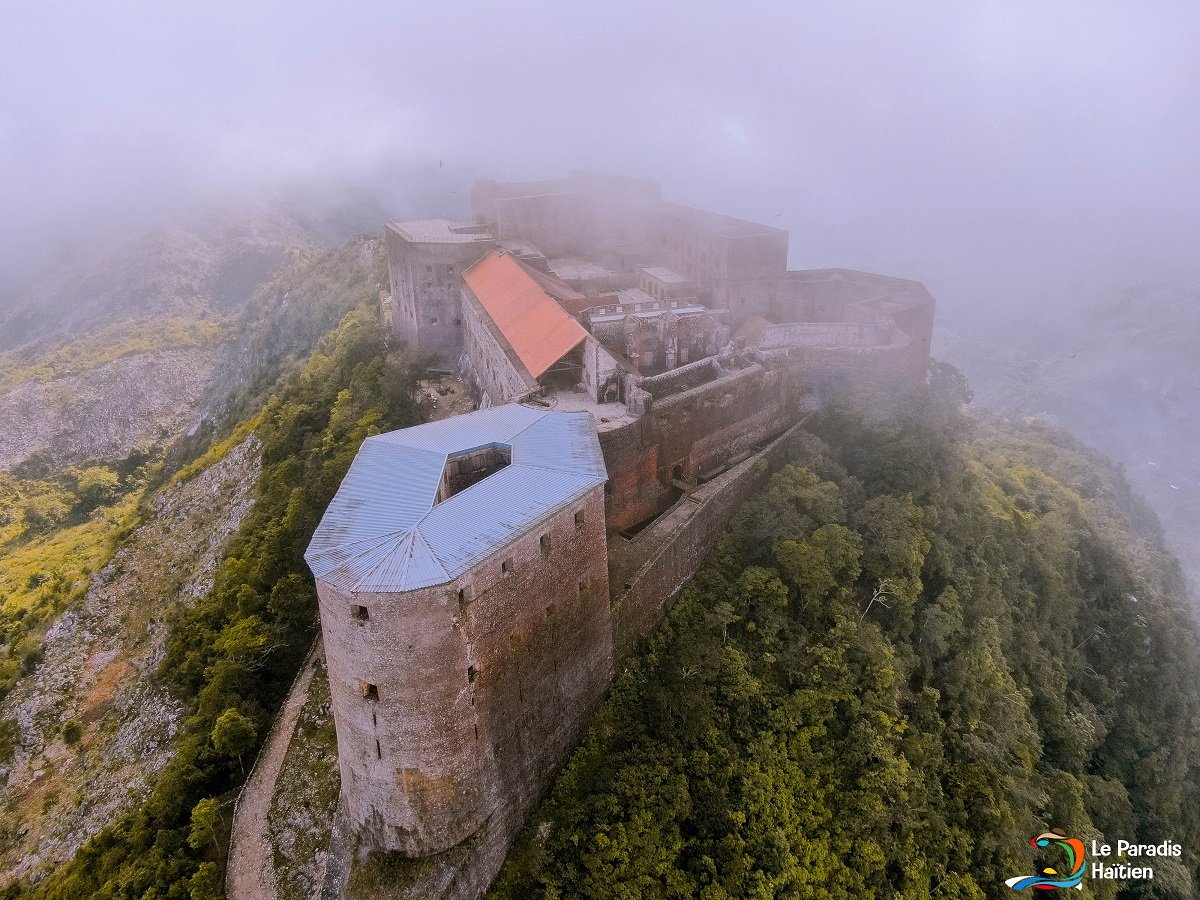
Haïti has a rich historical heritage, including sites like the Citadelle Laferrière and the Sans-Souci Palace, listed as UNESCO World Heritage Sites.

Culture

Culture

Haïti has a rich and diverse culture, influenced by African, European and indigenous elements. Haitian music, dance, art and cuisine are celebrated around the world.

  • +
    • Post