contact@haitiwonderland.com+509 36184317

Discover

Shopping Cart

What Does “Strength in Unity” Mean for Haiti
What Does  Strength in Unity  Mean for Haiti
What Does Strength in Unity Mean for Haiti

What Does “Strength in Unity” Mean for Haiti

Haiti’s national motto, “Strength in Unity,” is emblazoned on the Haitian flag and is an integral part of the country’s identity. But what does this phrase really mean to Haïti and why is it so important? This article explores the historical, cultural, and symbolic significance of this motto, which embodies the Haitian spirit of solidarity and resilience.


Haïti
Haïti
Haïti

A Legacy of the Haitian Revolution

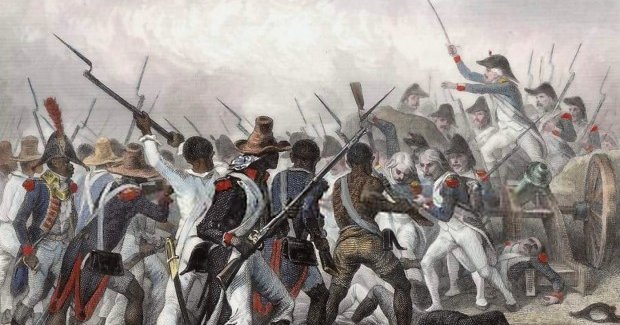
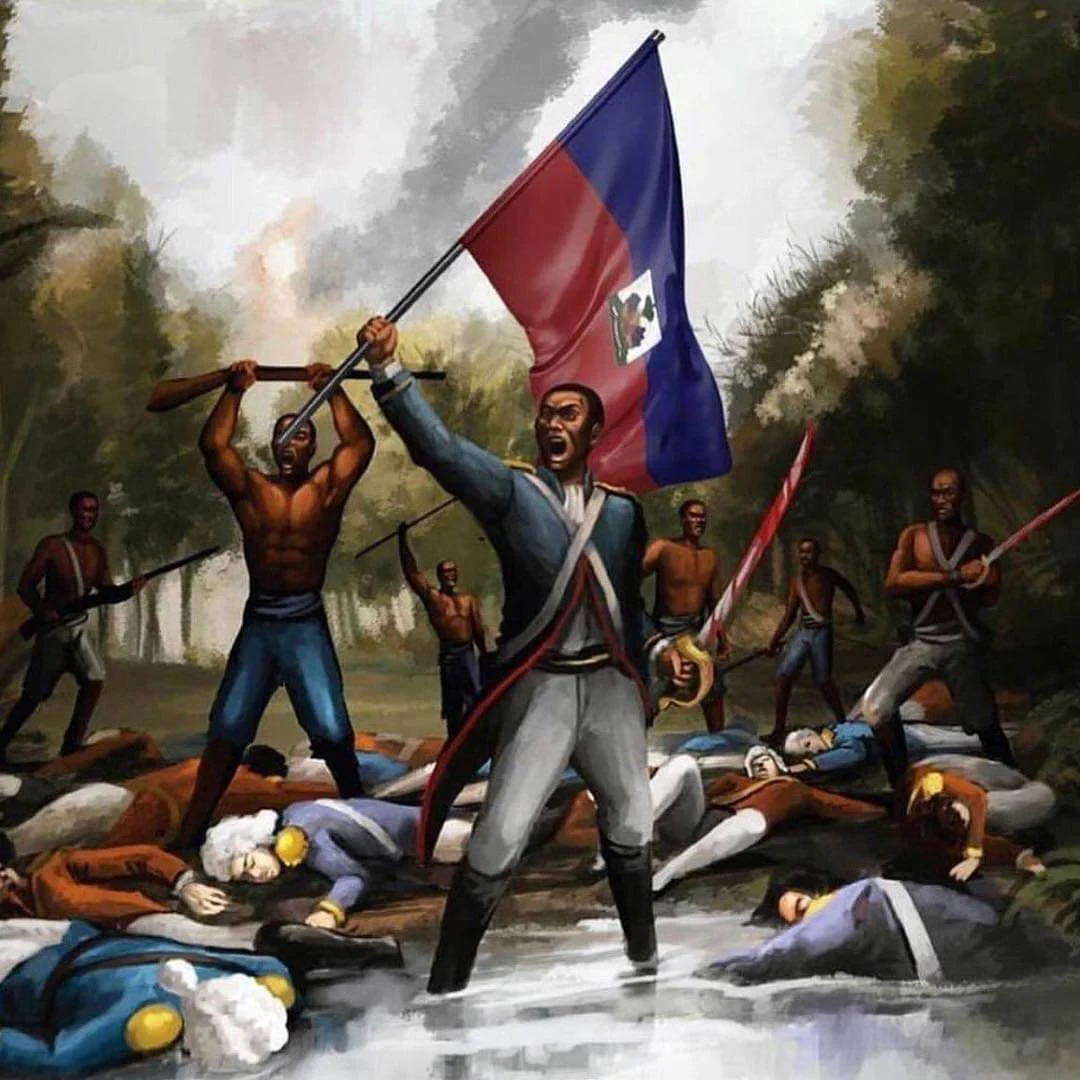
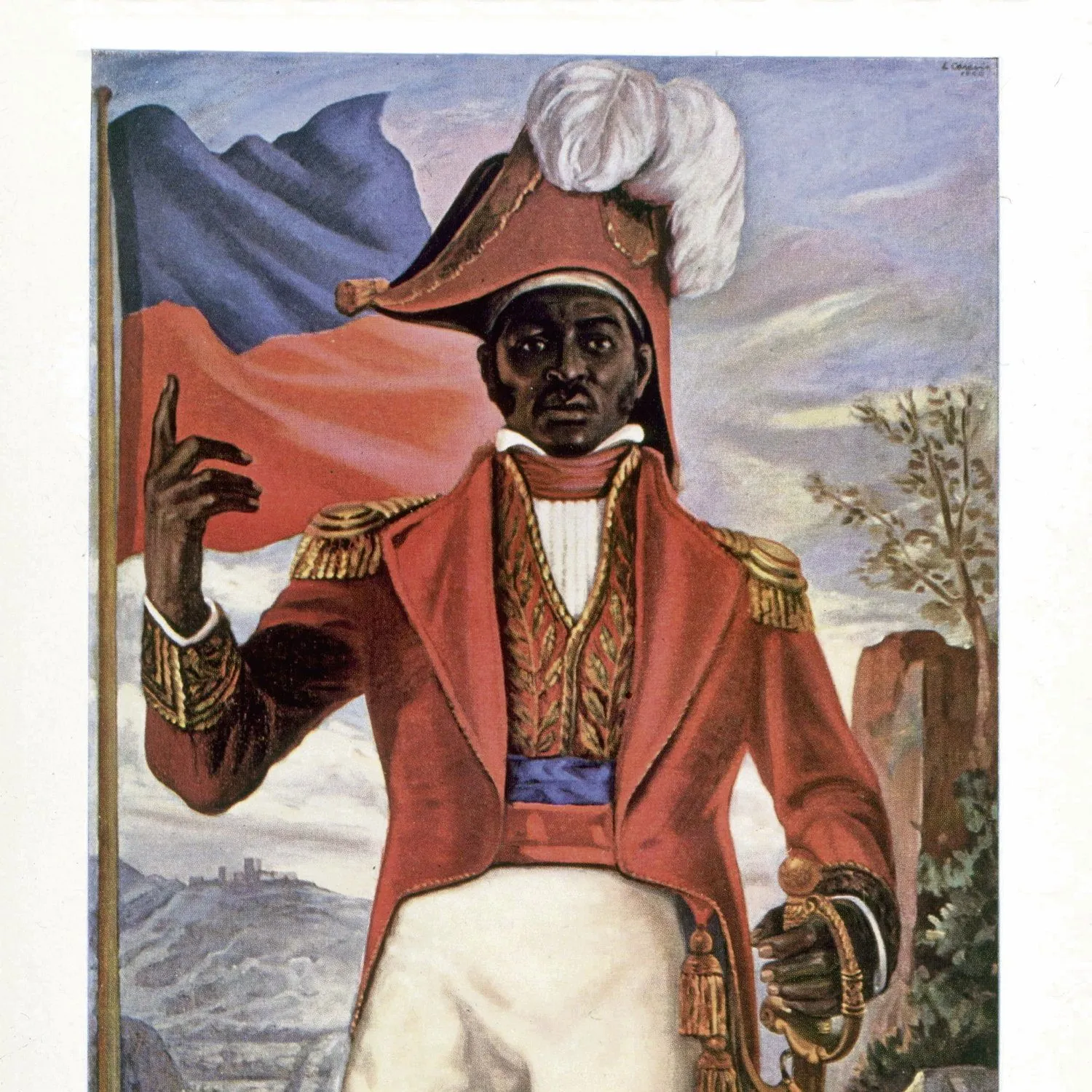
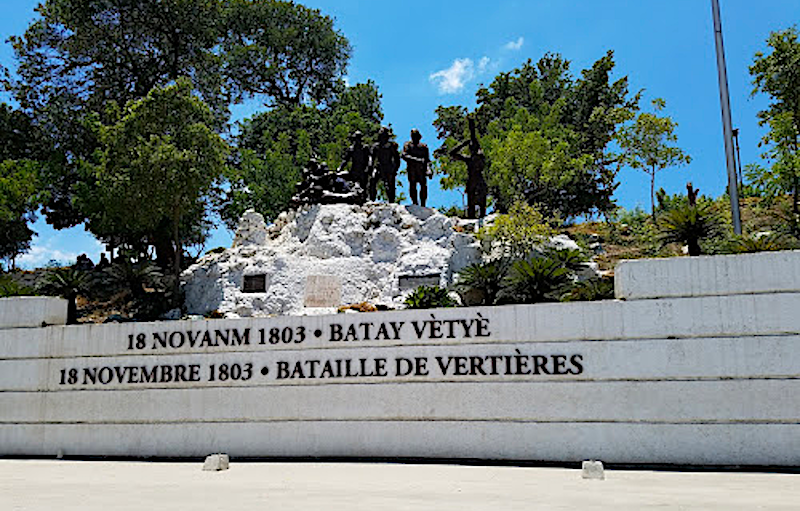
“Strength in Unity” is rooted in Haiti’s revolutionary history. During the struggle for independence from France in the early 19th century, former slaves, led by leaders such as Toussaint Louverture, Jean-Jacques Dessalines, and Henri Christophe, joined forces to overthrow colonial oppression.

This unity was crucial because the slaves came from different regions of Africa, spoke different languages, and had distinct traditions. By overcoming their differences, they were able to form a powerful and coordinated army that defeated one of the most powerful military forces of the time.

The motto "Unity is Strength" reflects this historical lesson: it is through solidarity and collaboration that Haitians were able to conquer their freedom and create the first independent black republic in the world.

A Message of National Cohesion

After independence, Haïti faced many challenges, including economic reconstruction, internal political divisions, and international isolation. In this context, "Unity is Strength" became a constant reminder of the importance of unity in overcoming adversity.

This motto is not just a slogan; it represents a philosophy of life. It invites Haitians to work together, despite their social, economic, or political differences, to build a better future for the country. It also serves as a guide in times of crisis, encouraging people to come together to overcome obstacles.

A Symbol of Resilience and Pride

"Unity is strength" is also an expression of the resilience of the Haitian people. Throughout its history, Haïti has faced many challenges: natural disasters, political instability, and economic challenges. Yet, despite these difficulties, Haitians continue to rise again thanks to their community spirit and solidarity.

The motto inspires national pride, reminding Haitians of their unique history and their ability to overcome oppression. It is a call to remember the sacrifices of ancestors and to honor their struggle by remaining united.

Haitian Creole is our identity, it deserves to be valued: History, Origin and Evolution

Haitian Creole is our identity, it deserves to be valued: History, Origin and Evolution

The Haitian Creole, born in the 17th century during the French colonization on the island of Hispaniola, is not only a communication tool; it is an essential part of the Haitian identity. Despite being recognized as an official language in 1987, French is still considered an elite language, creating a social divide. In the educational system, where French is the language of instruction, Creole is often neglected, which affects the ability of students to understand what they are learning, especially for children from rural areas. It has a unique grammatical structure that facilitates learning, and serves as a means of cultural expression in literature, music, and other arts. The advancement of technology will allow Creole to gain more visibility in social media, but the stigmatization of the language still exists. Therefore, it is important for Creole to be valued in education and other sectors, to allow the new generation to grow up with pride for their heritage. The Haitian Creole language, which is the first language for the majority of people in Haiti, is not only a means of communication, but it is also a reflection of the cultural wealth and history of the people. In a country full of diversity, Creole and its origin, its evolution and its place in society, is a testimony of resistance and adaptation.

A Call for Unity in Diversity

Haïti is a country rich in cultural, linguistic, and religious diversity. This plurality can sometimes create tensions, but "L’Union fait la force" reminds us that diversity is a richness when it is used to serve a common goal.

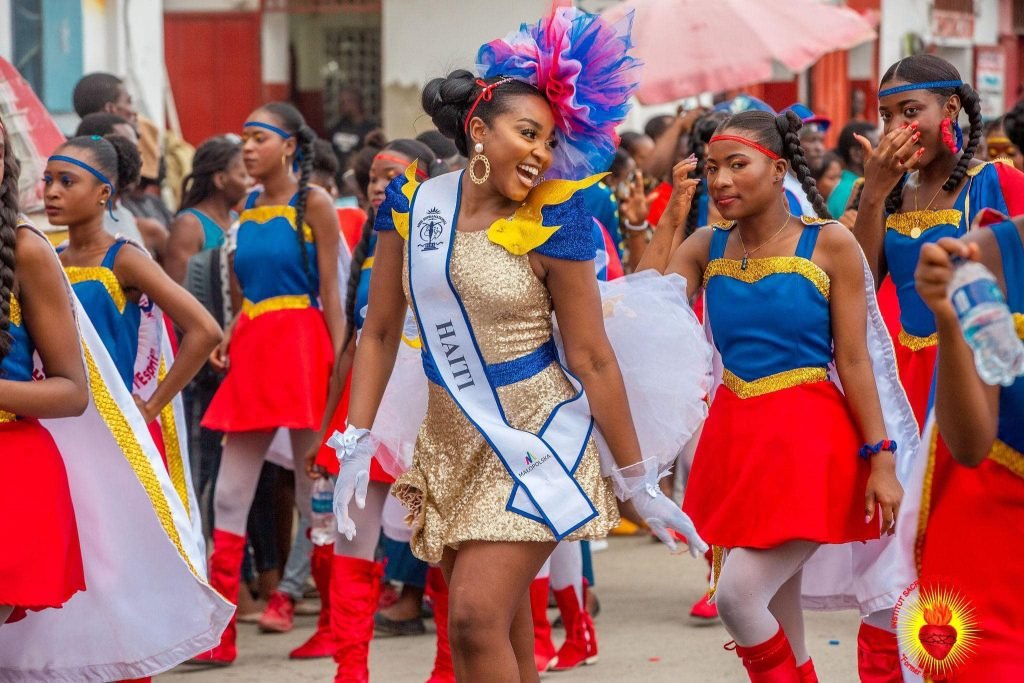
Whether in music, gastronomy or traditional festivals, Haitians celebrate their culture with a spirit of sharing and inclusion. The motto resonates particularly during national events such as Carnival or the celebration of the flag, where unity and fraternity are highlighted.

Haïti
Haïti
Haïti

A Message for the Whole World

Beyond Haiti’s borders, "L’Union fait la force" is a universal message. In a world marked by divisions, this motto recalls the importance of solidarity and collaboration to meet global challenges.

For the Haitian diaspora, it is a link to the homeland and a reminder of the values ​​inherited from ancestors. It also inspires others to learn from Haiti’s history and believe in the power of unity in the face of adversity.

Haïti
Haïti
Haïti

Why “Unity is Strength” Remains Essential for Haiti

“Unity is Strength” is much more than just a motto for Haiti. It is a historical legacy, a moral guide, and a source of motivation for a people who have always risen to the challenges. It reflects the very essence of Haitian identity: a courageous, resilient, and united people.

By recalling the importance of unity, this motto continues to inspire current and future generations to build a stronger and more united Haiti, while honoring the struggles and victories of the past.

Share
About the Author
Appolon Guy Alain
Appolon Guy Alain
Appolon Guy Alain

Full Stack Developer, Créatif, expérimenté, passionné des nouvelles technologies et de l’art.

See other articles from Appolon Guy Alain
Leave a comment

Recently Posted

The Monferrier Dorval Chair of Constitutional Law, a gesture from the State University of Haiti, for the preservation of the memory of Professor Dorval

The Monferrier Dorval Chair of Constitutional Law is a high-intellectual-intensity initiative, taken by the State University of Haïti (UEH), through the leadership of its rectorate, in agreement with the leaders of the Faculty of Law and Economics (FDSE). The initiative’s primary goal is to honor and perpetuate the memory of the valiant and brilliant Professor Monferrier Dorval, assassinated in unclear circumstances, about three years ago. And in order to make a scientific contribution to the great debate that has been going on in Haitian society for about ten years about the need to change or not, the constitution of March 29, 1987, amended on May 11, 2011. Shouldn’t we try to apply it preferably? If it needs to be changed, should this change be radical, otherwise what should it have in terms of change within a new mother law for a better institutional organization of Haiti. The chair is scientifically chaired by Professor Henri Marge. Dorléans, (current head of AFPEC), and is vice-chaired by the dean of the faculty of law and economics, Me Eugène Pierre Louis. The Chair is materialized by a set of conferences and debates (15 in total), which take place in the premises of the Office of the Protection of the Citizen OPC, under the name of Wednesday of the Monferrier Dorval Chair. It is in this sense that for the fifth edition of the Wednesday of the chair (which took place this Wednesday, October 9, 2024 at the OPC, in the presence of the protector of the citizen, Me Renan Hédouville), attention was placed on education within the debate surrounding the possible development of a new constitution for Haiti. This 5th meeting took place under the theme of: "Education, Teaching, Research, Science and Technologies". The conference was hosted by three greats of the Haitian intellectual community, including two eminent professors of the UEH, namely, Professor Odonel Pierre Louis, academic director of the École normale supérieure (ENS); the vice rector of the UEH, Professor Jacques Blaise. Their interventions were followed by that of the director of the national institute of vocational training (INFP) Mr. Dikel Delvariste.

Newsletter

Subscribe to our newsletter to stay informed of all our activities and news on Haiti.

Recently Posted

History

History

First black nation to free itself from slavery and gain independence from France in 1804 and influenced other liberation movements around the world, inspiring struggles for freedom and equality.

Natural beauty

Natural beauty

Haïti is blessed with spectacular natural landscapes, including white sand beaches, mountains and rich biodiversity.

Heritage

Heritage

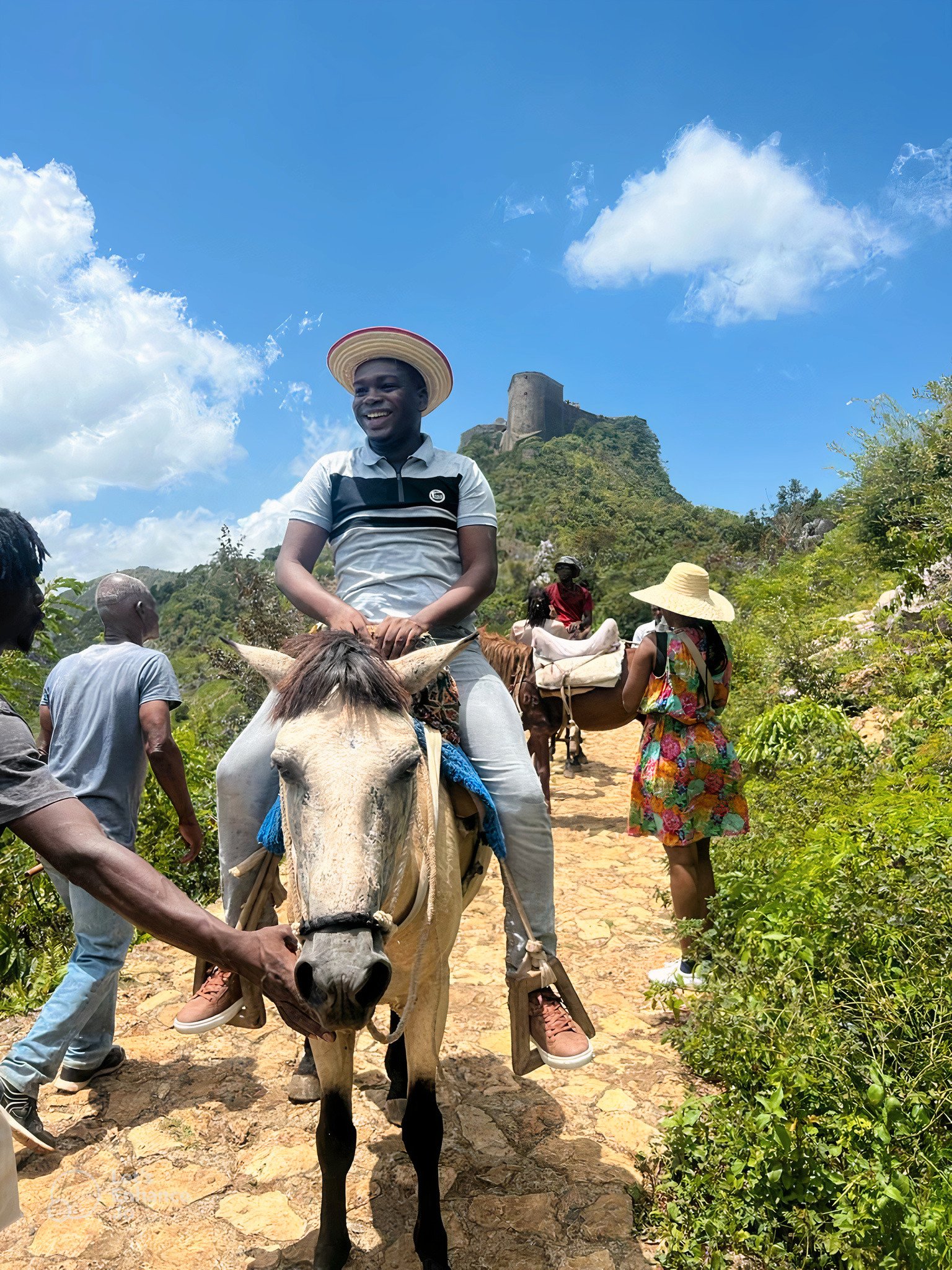
Haïti has a rich historical heritage, including sites like the Citadelle Laferrière and the Sans-Souci Palace, listed as UNESCO World Heritage Sites.

Culture

Culture

Haïti has a rich and diverse culture, influenced by African, European and indigenous elements. Haitian music, dance, art and cuisine are celebrated around the world.

  • +
    • Post