contact@haitiwonderland.com+509 36184317

Discover

Shopping Cart

Why is French spoken in Haiti?

Why is French spoken in Haiti?

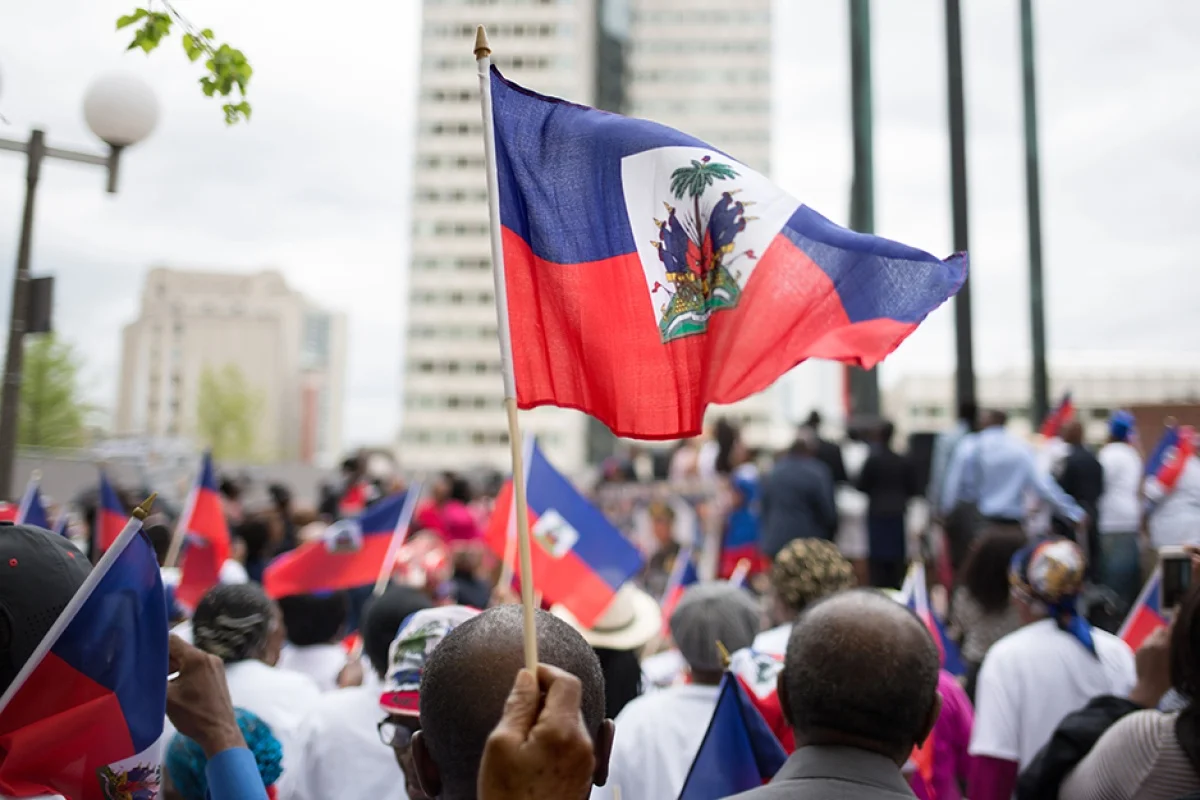
Haïti is a unique country in the Caribbean, not only for its revolutionary history, but also for its official languages: French and Haitian Creole. French, although spoken fluently by only a minority, plays a central role in the country’s administration, education, and culture. But why is this language so present in a country with African and Caribbean roots? This article explores the historical, cultural, and sociolinguistic origins of French in Haiti.

Haïti
Haïti
Haïti

A Colonial Legacy: The Roots of French in Haiti

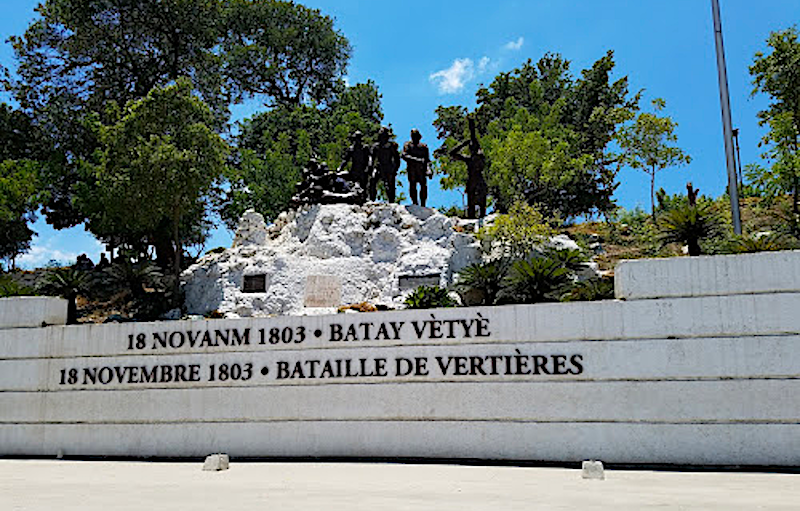
The presence of French in Haïti dates back to colonization. In the 17th century, the island of Hispaniola, where Haïti is today, was colonized by the Spanish and then partially occupied by the French. In 1697, with the Treaty of Ryswick, the western part of the island, called Saint-Domingue, became a French colony.

During this period, the French language established itself as an administrative, commercial and cultural language, adopted by the European colonists who exploited the island for its agricultural resources, especially sugar cane and coffee. African slaves, who made up the majority of the population, were exposed to French, although they developed their own language: Haitian Creole, a mixture of French, African languages ​​and local influences.

The Role of French After Independence

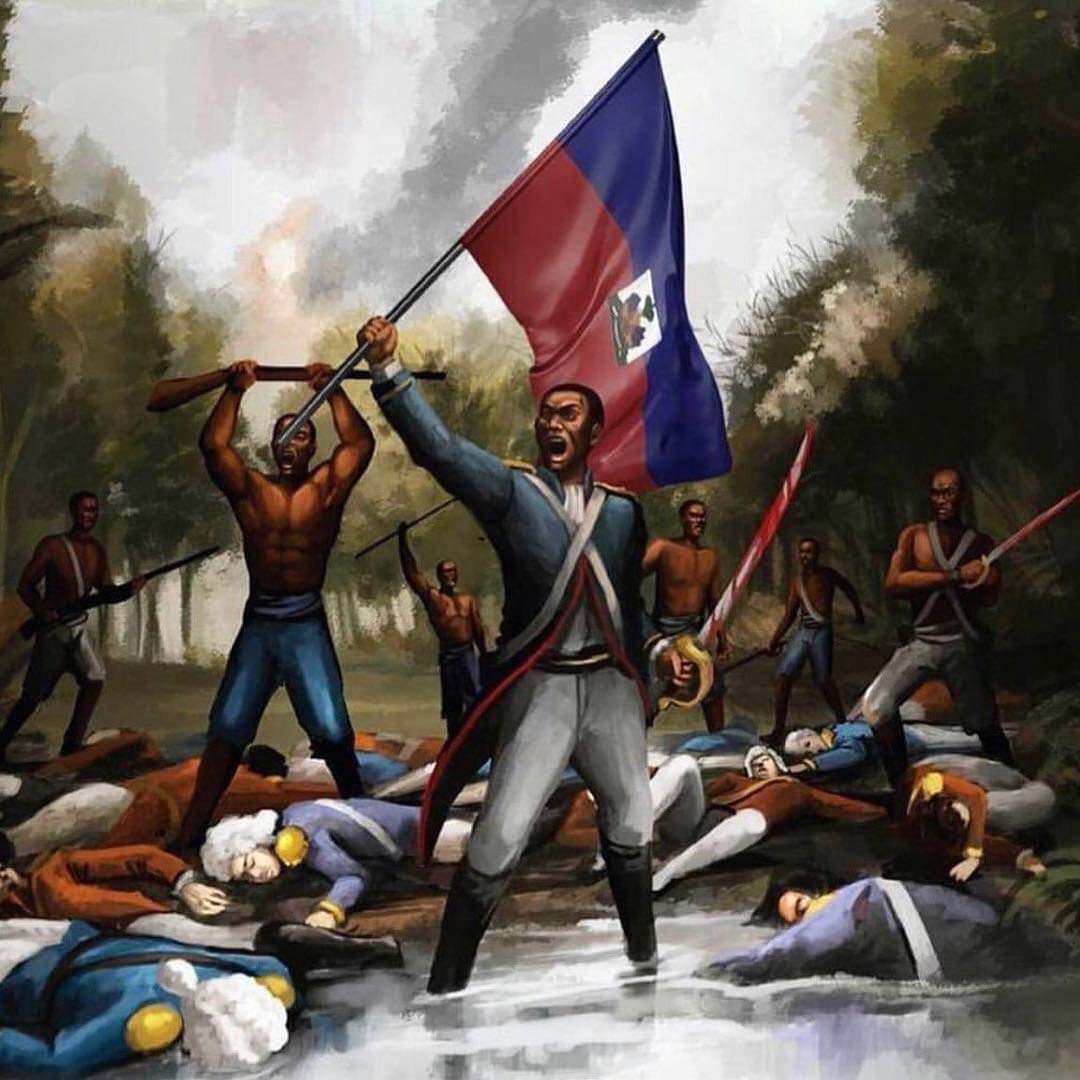
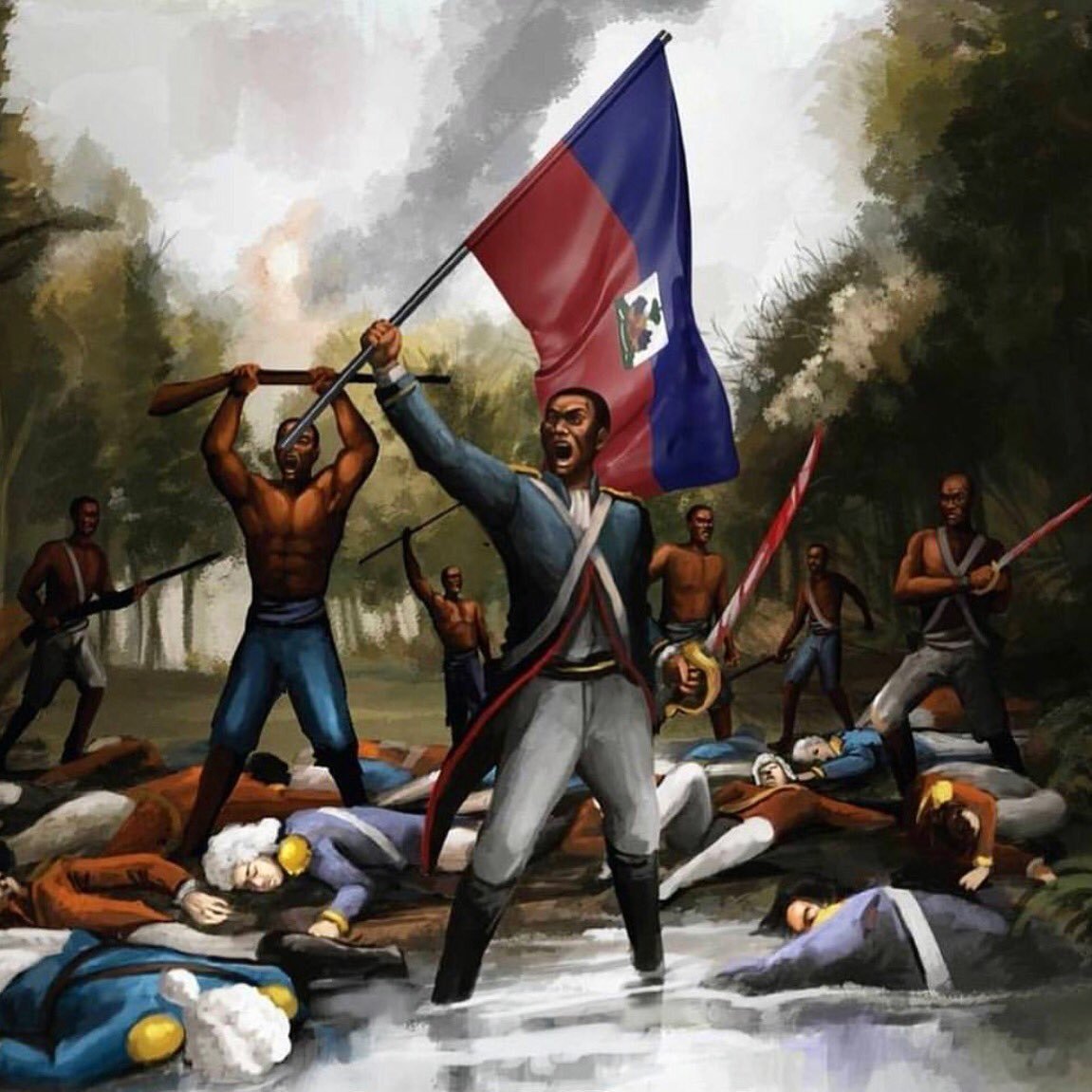
In 1804, Haïti became the first independent black country after a revolution led by former slaves. However, despite this break with France, French remained the official language of the new state.

There are several reasons for this choice:
- A symbol of the elite: French was seen as the language of business, education, and diplomacy. The leaders of the revolution, many of whom had been educated in the language, maintained it to assert the authority and legitimacy of the young republic on the international stage.
- A tool of unification: In a country where the population spoke mainly African languages ​​and Creole, French served as a tool to establish a centralized administration.
- A cultural heritage: Although Haïti freed itself from French domination, French culture, particularly through literature, laws, and education, continued to exert a strong influence.

A Language of Minority But of Power

Today, approximately 10% of the Haitian population is fluent in French, while Creole is spoken by almost all Haitians. However, French remains dominant in the following areas:
- Administration: Official documents, laws, and decrees are written in French.
- Education: Although reforms have been introduced to include Creole, French is still widely used in schools, especially in secondary and higher education.
- Media and culture: Newspapers, some books, and artistic productions often adopt French to reach an international audience or to fit into an intellectual tradition.

However, this restricted use of French has also contributed to a social divide between urban elites, who master the language, and the majority of the rural population, who speak primarily Creole.

Haïti
Haïti
Haïti

A Complex Bilingualism: Challenges and Opportunities

The status of French in Haïti raises questions about national identity and social inclusion. While the French language is an asset on the international stage and a link to a rich literary and legal tradition, it is often perceived as inaccessible to many Haitians.

Recent efforts to promote Creole in schools and institutions aim to valorize this majority language, while preserving the role of French. Bilingualism can be a strength for Haiti, offering its citizens the ability to navigate local and international contexts.

Why French Remains Relevant in Haiti

French in Haïti is much more than just a language inherited from colonization: it is a tool of international communication, a cultural marker, and a symbol of belonging to a global Francophone community.

However, for French and Creole to coexist harmoniously, it is essential to continue efforts to educate and promote both languages. In this way, Haïti can continue to honor its history while building an inclusive and multilingual future.

Share
About the Author
Appolon Guy Alain
Appolon Guy Alain
Appolon Guy Alain

Full Stack Developer, Créatif, expérimenté, passionné des nouvelles technologies et de l’art.

See other articles from Appolon Guy Alain
cheese guy

CHEESE!!!

November 11, 2025 - 11:01:46 AM
cheese guy

NO del cheese

November 11, 2025 - 11:02:15 AM
Leave a comment

Recently Posted

Newsletter

Subscribe to our newsletter to stay informed of all our activities and news on Haiti.

Carrefour: Kay Jèn Yo s’ouvre aux enfants

Dans le cadre du programme de promotion des droits et de l’épanouissement de l’enfant "Timoun se moun" piloté par l’organisation Action Communautaire de Transformation et d’Intégration Formelle (ACTIF), Kay Jèn Yo organise, du 18 au 24 août 2025 (9h am - 1h pm), "Espas Lajwa", un camp d’été qui cible trente (30) enfants de 7 à 15 ans. Une grande panoplie d’activités éducatives, créatives et ludiques sont programmées pour le plus grand bien des enfants. Ils auront droit à des ateliers de : peinture, crochet, macramé, langue des signes, théãtre, lecture, échec, etc. Dans un contexte aussi traumatogène où la violence est monnaie courante, de telles initiaves sont d’une importance capitale. " Les enfants ne sont pas imperméables au stress et autres pathologies que peut provoquer la situation morbide qui sévit dans le pays actuellement", souligne Blondy Wolf Leblanc (Gabynho) DG a.i de ACTIF. "Espace Lajwa se veut donc, un refuge, un lieu où les enfants peuvent s’exprimer en toute sécurité, un espace sécurisant où ils peuvent exprimer leurs émotions à travers plusieurs médiums", précise-t-il. Plus loin, l’animateur socioculturel encourage d’autres structures à travers le pays à prendre des initiatives de ce genre au bénéfice de la santé mentale des enfants. Espas Lajwa est quasiment gratuit. Un frais de participation de 150 gourdes est requis pour la semaine. Quid Kay Jèn Yo Issu du projet "Pran Swen Tèt ou", Kay Jèn Yo est un projet de l’organisation ACTIF supporté par La Perfection École de Haute Couture visant à combattre la violence par l’engagement communautaire à travers des programmes de formation professionnelle et artistique. Situé au numéro 18, imp. Thoby, rue Desdunes, Mahotière 79, Kay Jèn Yo est ouvert du lundi au dimanche (9h am - 6h pm). Sebastien Jean Michel


The Port-au-Prince Book Fair announces the opening of author registration for its second edition

The Port-au-Prince Book Fair is a literary initiative of the cultural organization Port-au-Prince Book Fair (OCSLP), based on the desire to promote Haitian culture in general, with a particular focus on literature. The organizers of the event have just announced the registration of authors, who will number 20, and those of publishing houses, who will number 5 for the second edition, which will take place on Friday, December 13, 2024, in the premises of the French Institute in Haiti. The registration deadline is Thursday, October 10 of this year. Please note that the first to arrive who have met the required criteria will be eligible to take part in this second edition of the event, according to the organizers’ admission. This rigorous and restricted selection of only 20 authors aims to guarantee an enriching experience for authors and the public, thus promoting authentic exchanges around the works presented. Independent authors and publishing houses interested in registering their authors to participate in this second edition of the fair are invited to submit their application via this link: https://form.jotform.com/louirardjohn8/salon-du-livre-de-port-au-prince. For publishing and distribution houses planning to exhibit on the day of the event, you can register by clicking on this link: https://form.jotform.com/242596699603068. You are requested to contact them at the following address: salondulivre2023@gmail.com in case of difficulties. The Port-au-Prince Book Fair remains faithful to its philosophy, which is to offer a platform to young authors and to promote the richness of Haitian literary production, by supporting new authors who contribute to its growth. This event is a continuation of the first edition, aimed at allowing the emergence of an environment conducive to exchanges, where young authors can meet, share their experiences and engage in dialogue with readers and book professionals. According to the organizers of the event, your participation as a young author will be essential to enrich the fair and offer a diverse experience to visitors. The invitation to join this noble initiative is extended to young authors who have not yet published 5 books. You who are concerned, the ball is now in your court. Do not hesitate to go and make this day, December 13, 2024, an unforgettable day for all book lovers.

Recently Posted

History

History

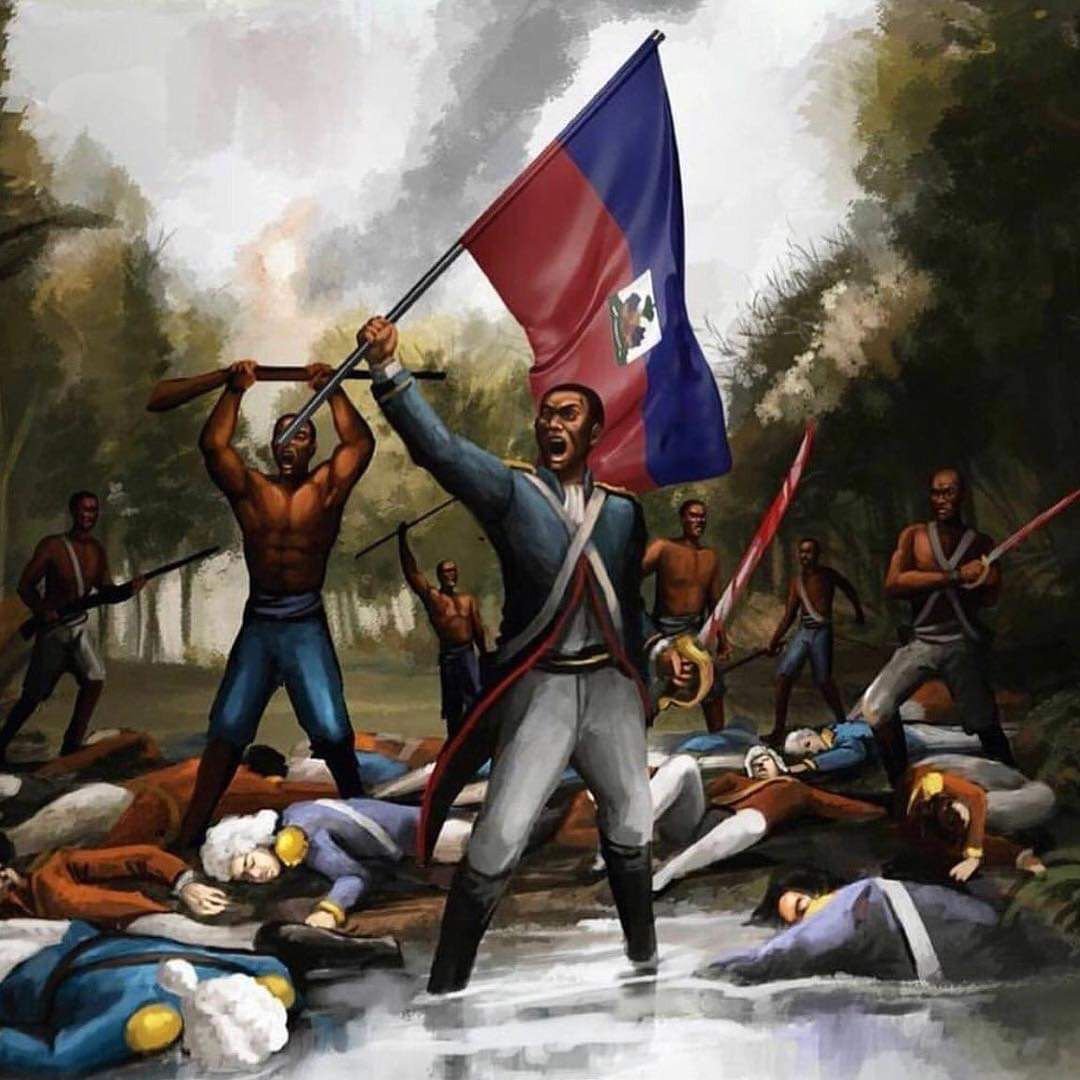
First black nation to free itself from slavery and gain independence from France in 1804 and influenced other liberation movements around the world, inspiring struggles for freedom and equality.

Natural beauty

Natural beauty

Haïti is blessed with spectacular natural landscapes, including white sand beaches, mountains and rich biodiversity.

Heritage

Heritage

Haïti has a rich historical heritage, including sites like the Citadelle Laferrière and the Sans-Souci Palace, listed as UNESCO World Heritage Sites.

Culture

Culture

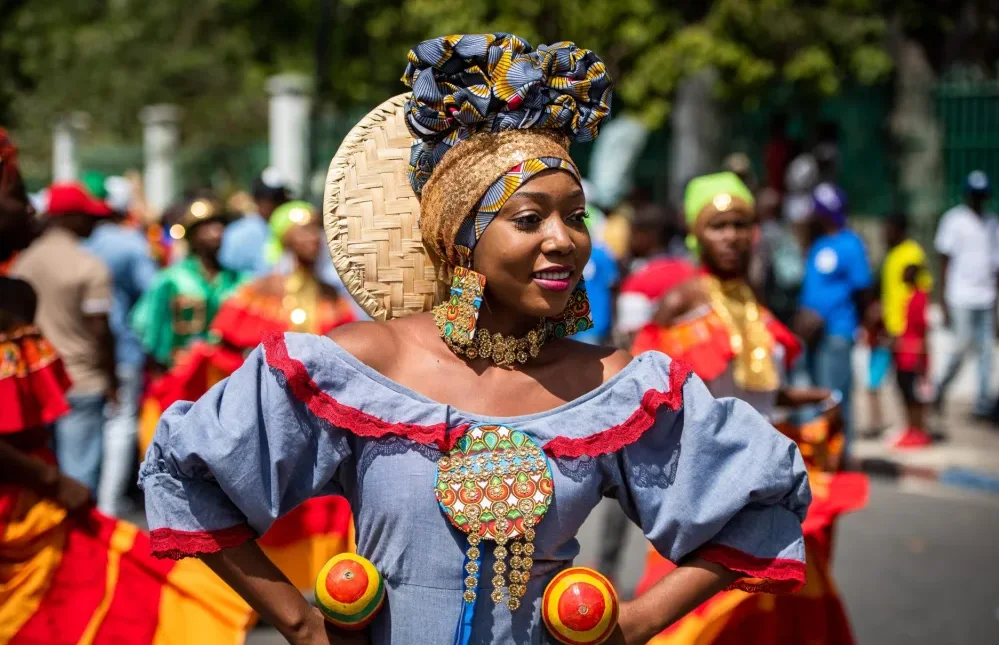
Haïti has a rich and diverse culture, influenced by African, European and indigenous elements. Haitian music, dance, art and cuisine are celebrated around the world.

  • +
    • Post