Jacmel: the Haitian city whose history is linked to the liberation of Latin AmericaJacmel: the Haitian city whose history is linked to the liberation of Latin America
Jacmel: the Haitian city whose history is linked to the liberation of Latin America
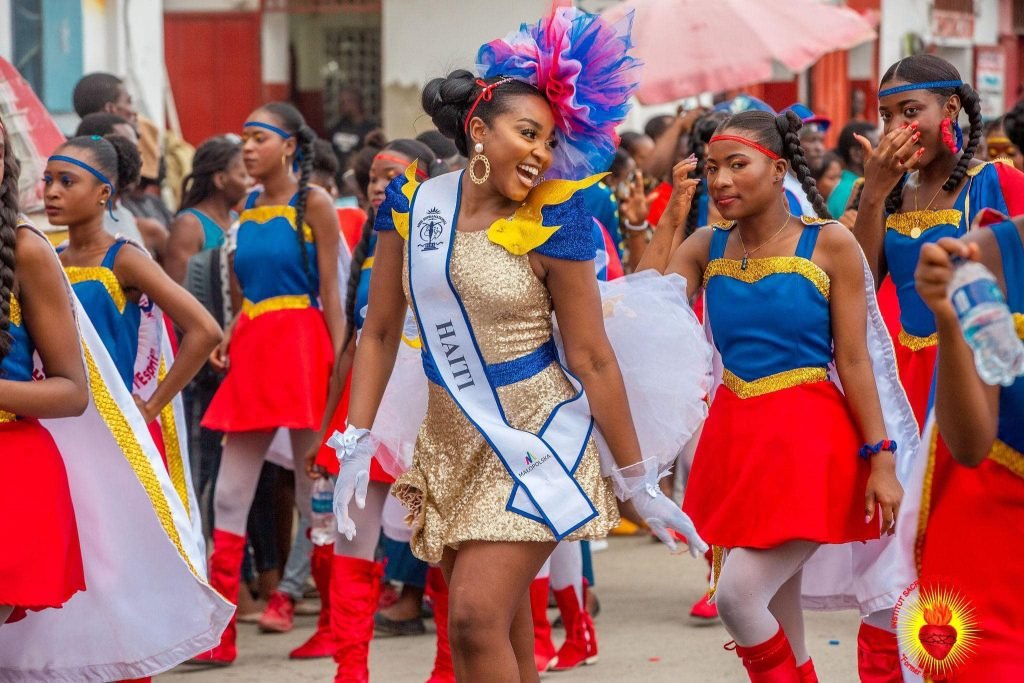
Jacmel is a city located on the southern coast of Haiti, specifically in the southeastern department. To this day, the city is known for its well-preserved colonial architecture and rich historical heritage, as well as its carnival, one of the most famous in the Caribbean.
Jacmel is one of the oldest cities in Haiti. Its origins, according to some historians, trace back to the time of the Taíno people, the island’s first inhabitants, who lived here long before the arrival of Christopher Columbus and his settlers in 1492. Long before it became Jacmel, this city in southeastern Haïti was called Yakimel. The renaming of Jacmel was carried out by the French during their colonization of the western part of the island of Hispaniola.
Over the years, Jacmel has transformed into a city where living well blends with the beauty of the sea, in the hearts of its visitors. Nature is fully embraced here, and the sea remains a source of joy throughout the day. Jacmel offers all of this, in addition to its glorious past, which anchors it as a major location in Haiti’s grand history. With its unique charm, Jacmel is among the Haitian cities that can leave a lasting impression.
In the 1950s and 60s, until the early 1980s, Jacmel was one of the most popular tourist destinations in the Caribbean due to its reputation as a city with unmatched natural beauty and grace. During this time, the Jacmel coastline warmly welcomed cruise ships filled with tourists from all corners of the world. It was also during this period that Jacmel was one of the most commercially active cities in Haiti, among the country’s most economically flourishing, thanks to the significant influx of tourists.
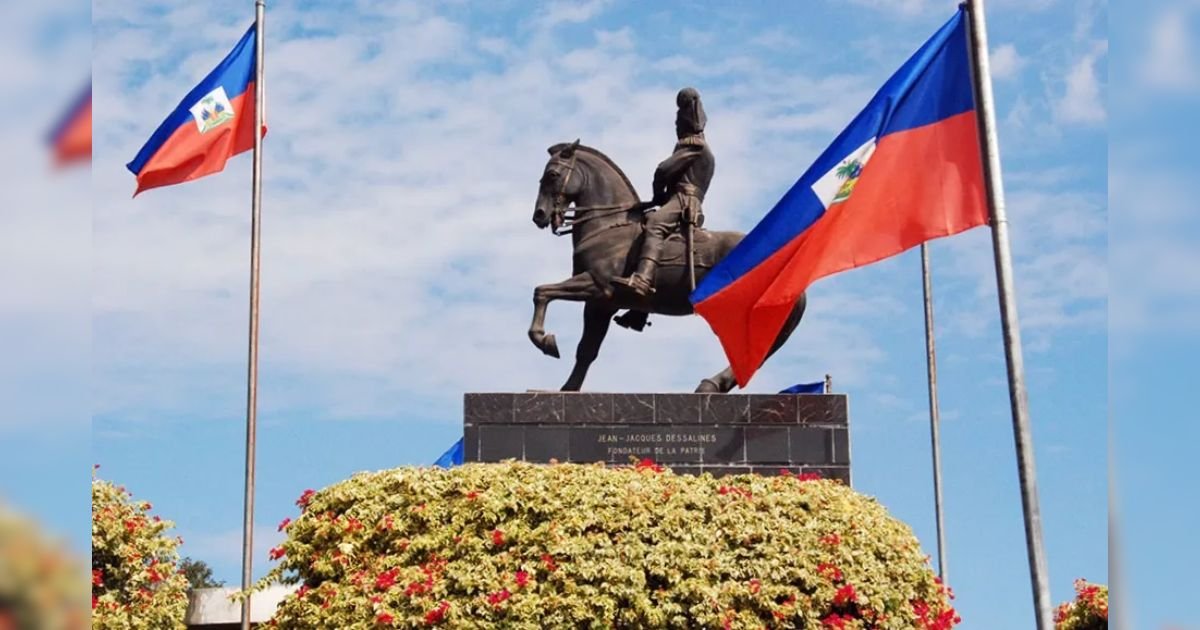
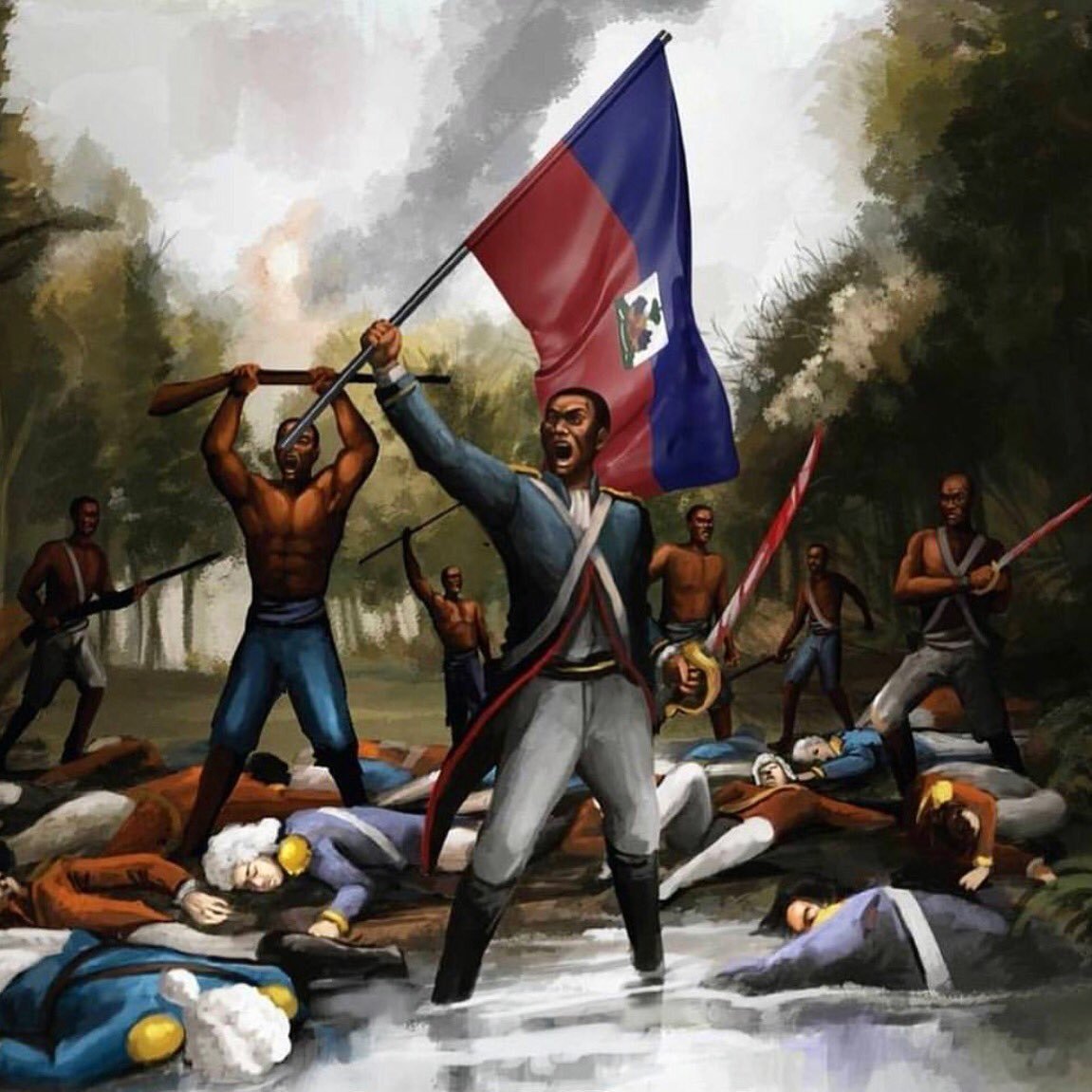
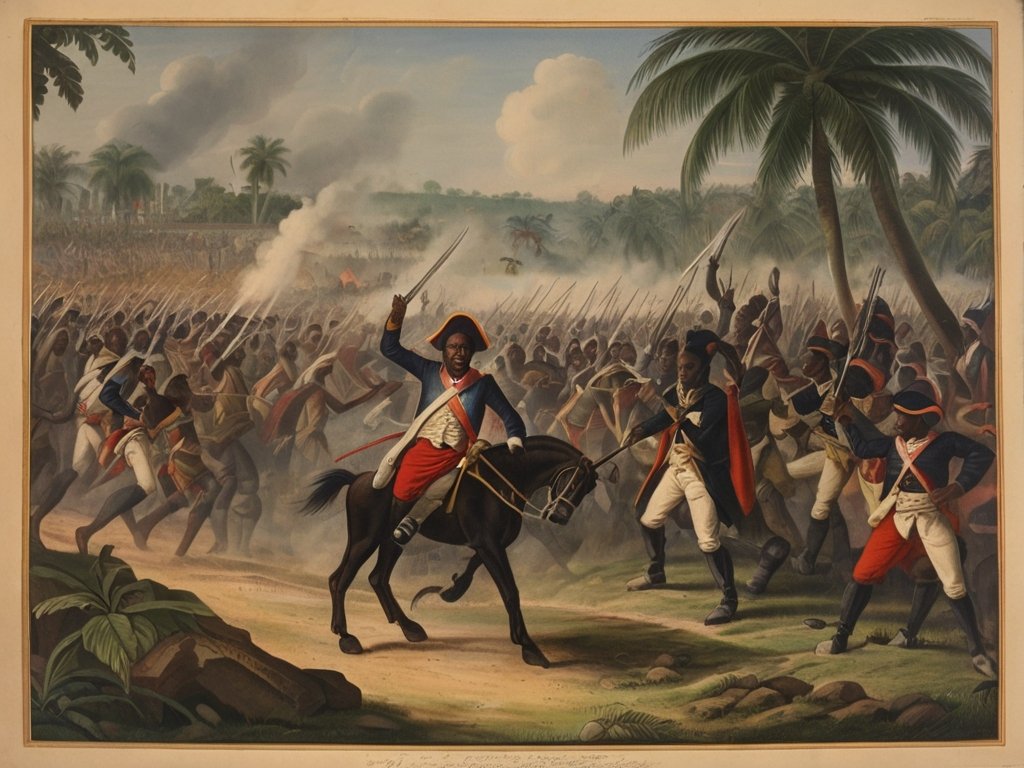
Historically, Jacmel is known for its famous Haitian fratricidal war between the troops of Toussaint Louverture, leading the Black army, on one side, and those of the mulatto leader, Rigaud, on the other. However, what history will most remember about this sunny city, which enjoys year-round sunshine, is that Jacmel was the Haitian city that hosted great South American leaders such as Miranda and Simón Bolívar. Indeed, they met Dessalines, the father of the Haitian nation, and Alexandre Pétion, Haiti’s first president, in Jacmel. Their goal was to gain the immense support of the young, newly liberated nation of Haiti, a land hungry for visions and dreams of freedom for all peoples of the world.
Today, although Jacmel is also affected by the major crises facing Haiti, it retains its status as a city with magnificent façades, gleaming beauty under the sun, and a place where joy thrives. It is one of the few Haitian cities where the carnival is still renowned for its rich and vibrant colors, in addition to its unmatched charm.
The recent visit of Colombian President Gustavo Petro to Jacmel in January 2025 is a significant reminder to the rest of the world of Jacmel’s importance in the liberation of Latin America. It is an important call, as history is a tool of meaning that must impact the present. This reminder should encourage citizens from most Latin American countries to visit this city in Haiti, as it holds a piece of their history.
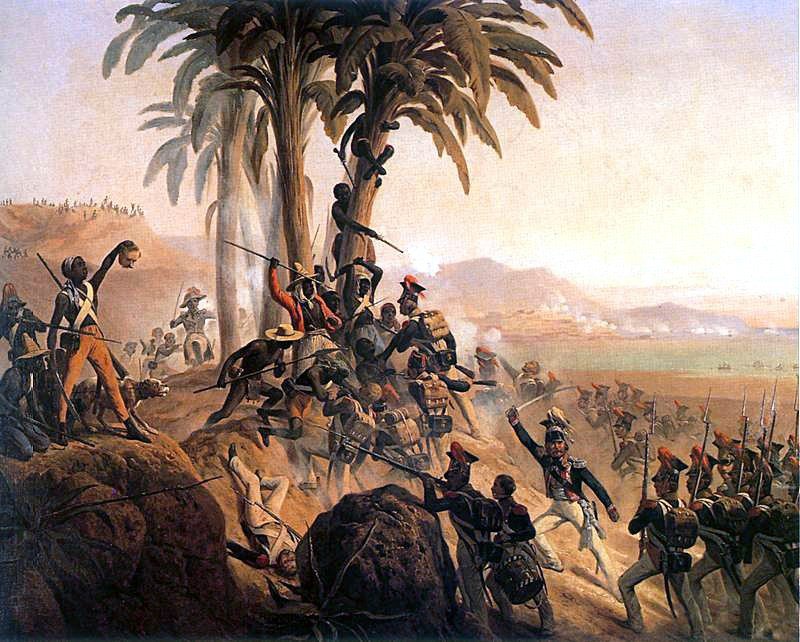
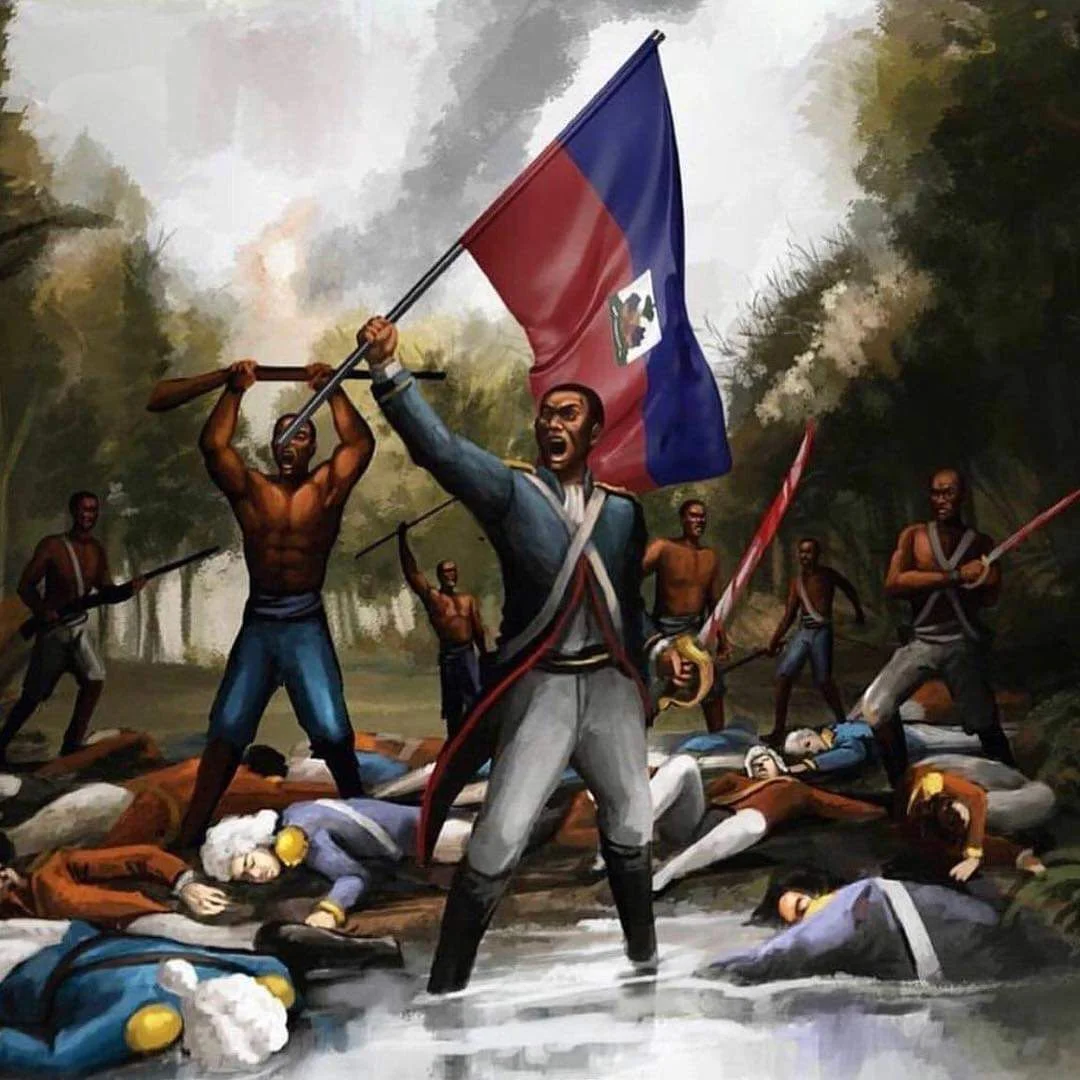
First black nation to free itself from slavery and gain independence from France in 1804 and influenced other liberation movements around the world, inspiring struggles for freedom and equality.
Natural beauty
Haïti is blessed with spectacular natural landscapes, including white sand beaches, mountains and rich biodiversity.
Heritage
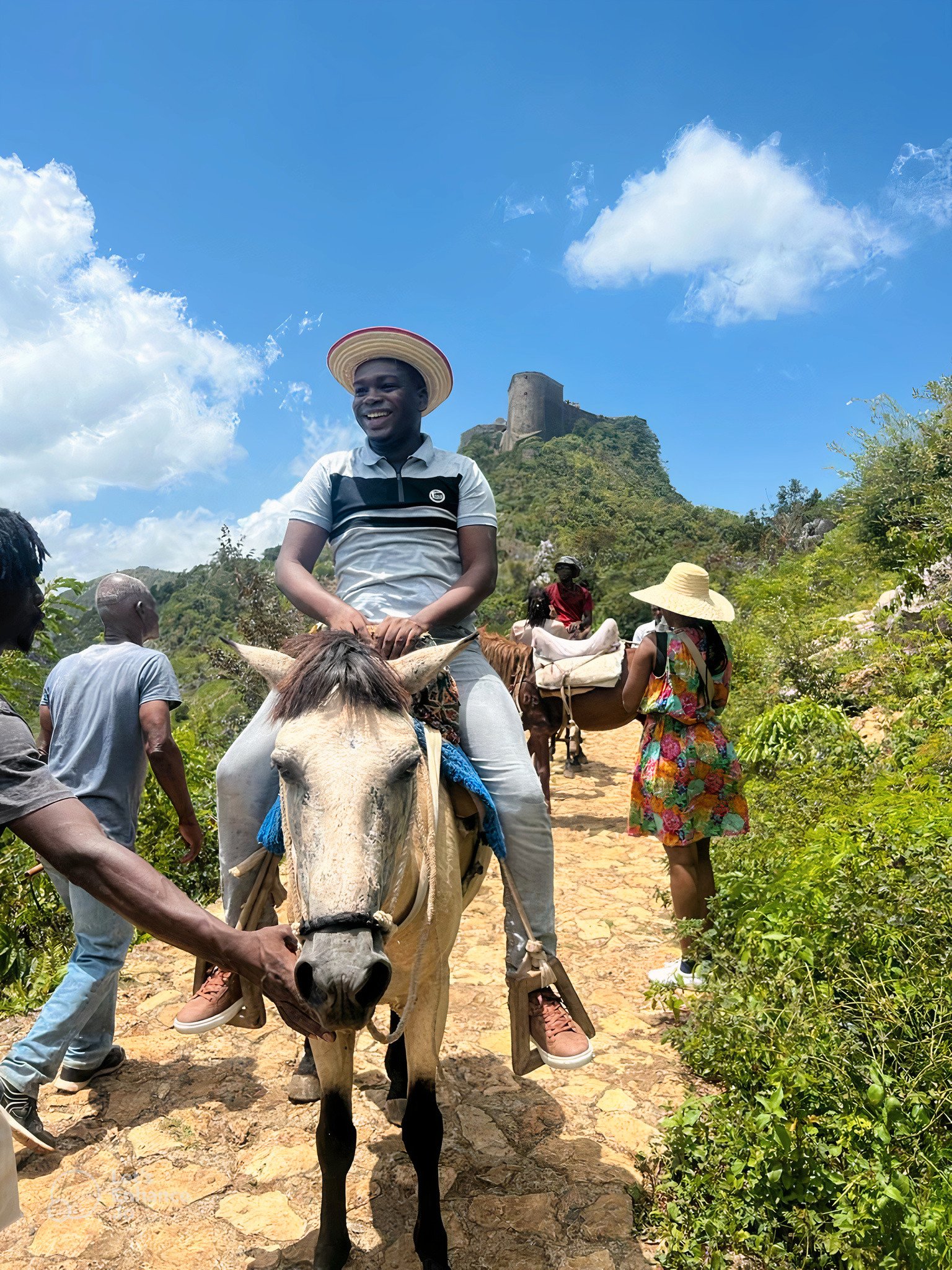
Haïti has a rich historical heritage, including sites like the Citadelle Laferrière and the Sans-Souci Palace, listed as UNESCO World Heritage Sites.
Culture
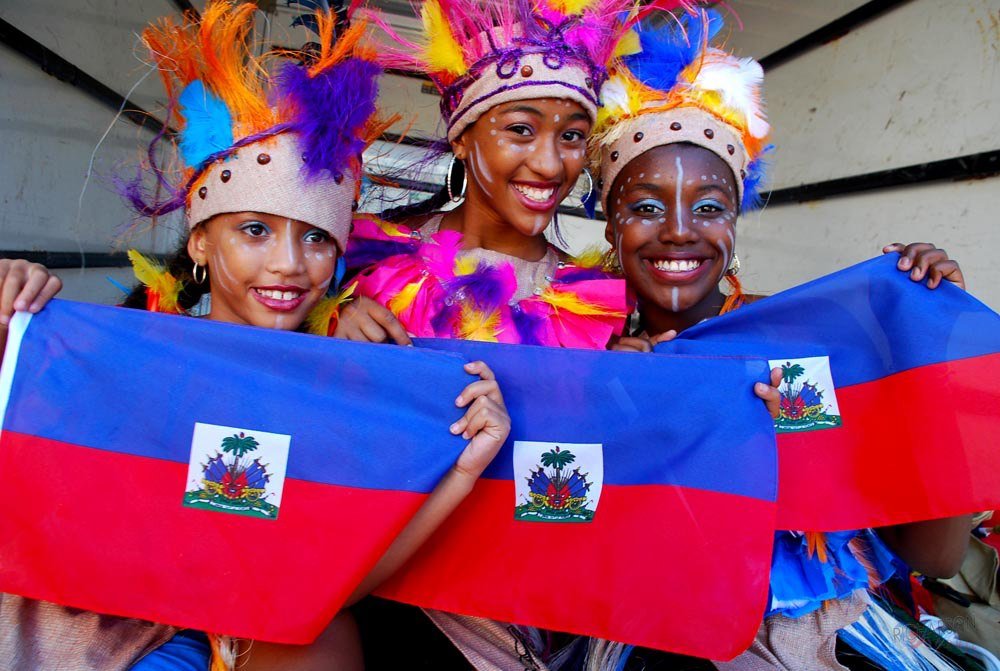
Haïti has a rich and diverse culture, influenced by African, European and indigenous elements. Haitian music, dance, art and cuisine are celebrated around the world.