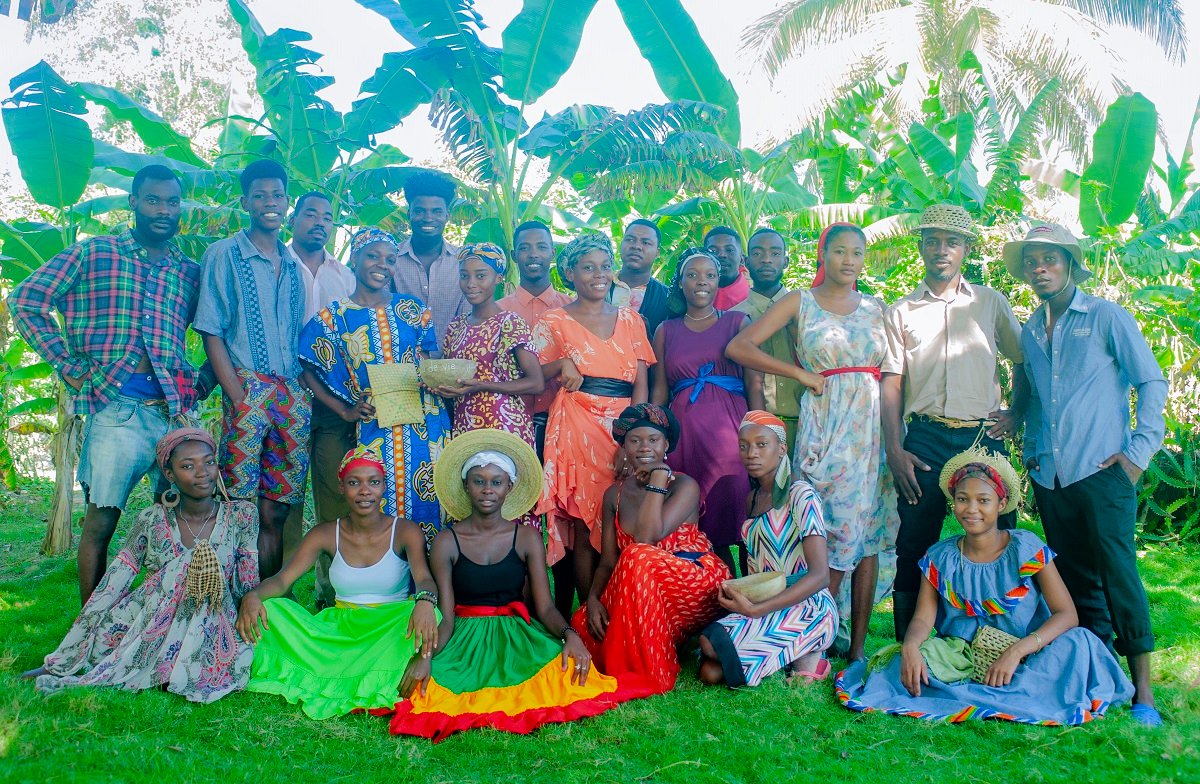
Haiti, the Caribbean country with a rich and unmatched history
Haïti is this small Caribbean country whose almost entire history is made up of great atrocities and a more than fabulous feat that a group of men had to accomplish for their own survival. The country was born at the heart of a story of resistance, of great importance and unparalleled in certain aspects, which can be proudly told to the rest of the world.
Read the article in :


Summary
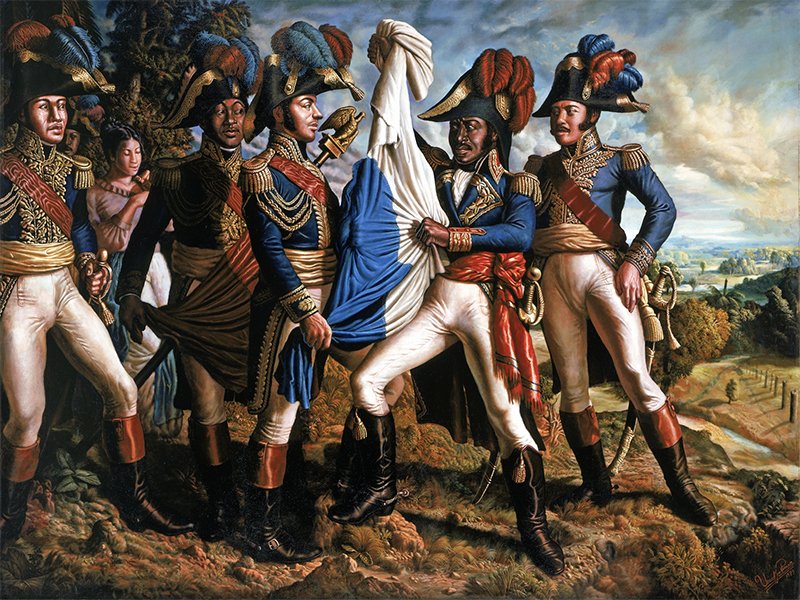
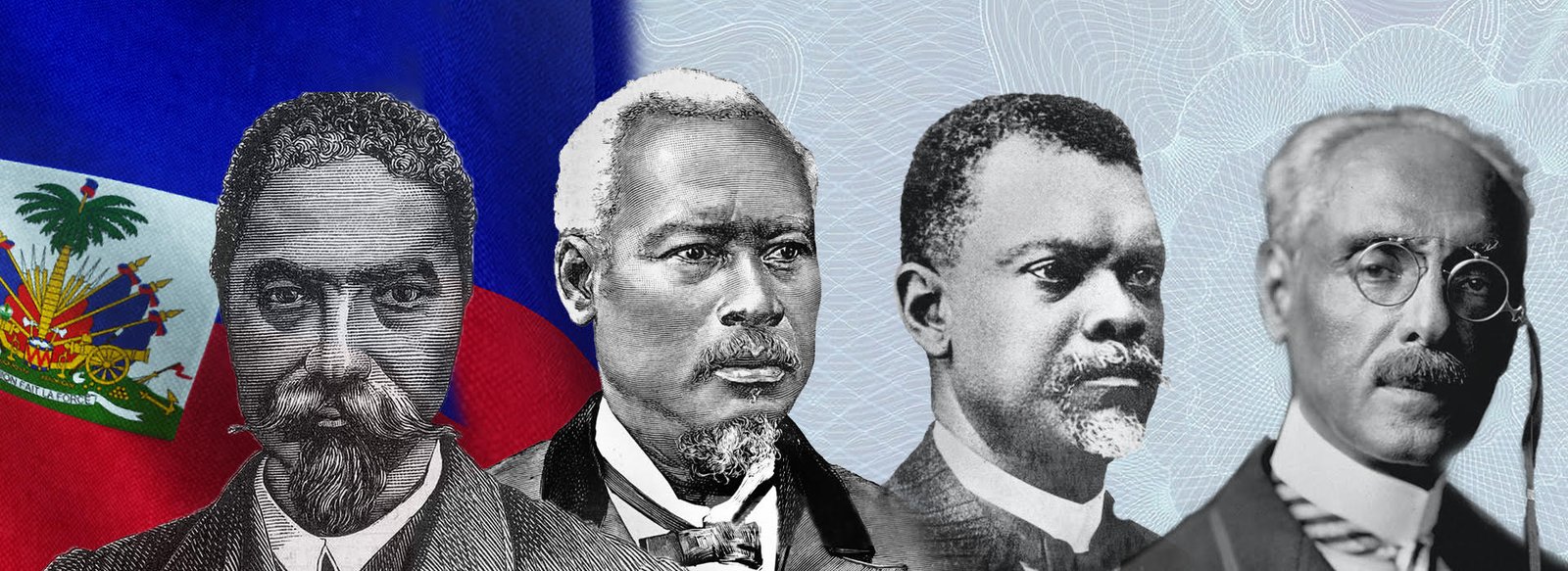
Haiti’s history is capable of awakening in any man, strong feelings against any form of injustice, with the power to inspire the revolt of the weakest against any criminal tendency of injustice. In this regard, it would be appropriate to consider Haïti as a great country, given the richness of its history. Although the country has gone through difficult times at certain points in its past and has a present with dark spots in some of its areas, it remains, nonetheless, the country of Toussaint Louverture, Jean-Jacques Dessalines, Henri Christophe, and Alexandre Pétion (father of Pan-Americanism). And above all, a country with a rich history, capable of competing with the richest histories of the world. The arrival of Christopher Columbus The resistance of Toussaint and the triumph of Dessalines The celebration of January 1, 1804
See as well




The arrival of Christopher Columbus
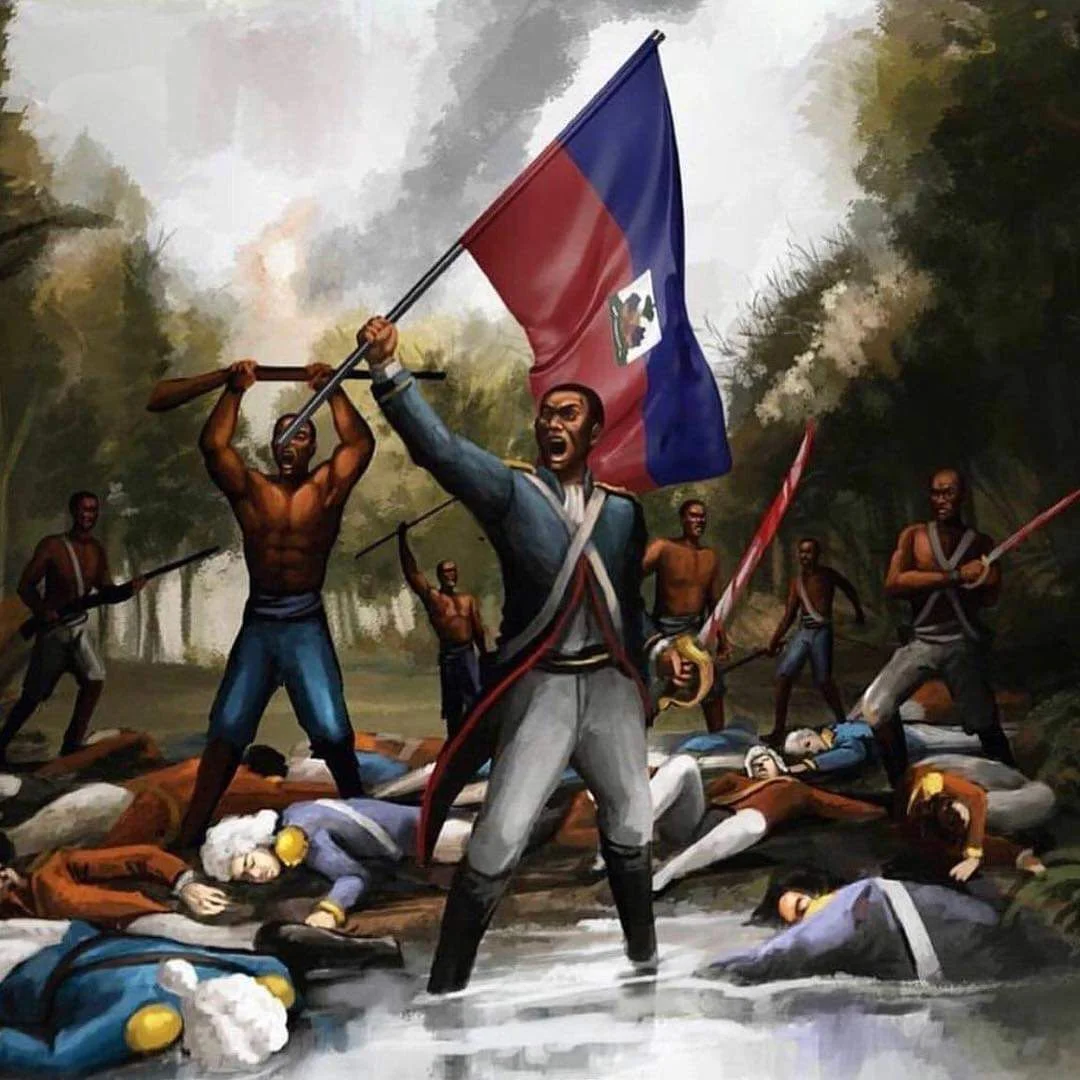
The arrival of Christopher Columbus on the island of Hispaniola coincided with the landing of barbarism and genocide in the lives of the essentially peaceful indigenous peoples who populated the American continent before 1492. The brutal reign of the French colonists, after the Treaty of Ryswick in 1697, which ceded the western part of Hispaniola to them, is a notable black mark in this part of Haiti’s history. For the French colonists are largely responsible for the transatlantic slave trade. They were the first to decide to go to Africa, seize the Blacks, and bring them to the slave fields of Saint-Domingue. These fields, places of torment for the minds of the Blacks of that era, were where the most abominable atrocities prevailed everywhere, in everything. It is also important to note that the indigenous peoples, unable to withstand the inhuman barbarism of slavery, were the first victims of this evil system. It was to replace them that the Blacks were brought to the American continent, as they had suffered a genocide perpetrated by the European colonists.

The resistance of Toussaint and the triumph of Dessalines
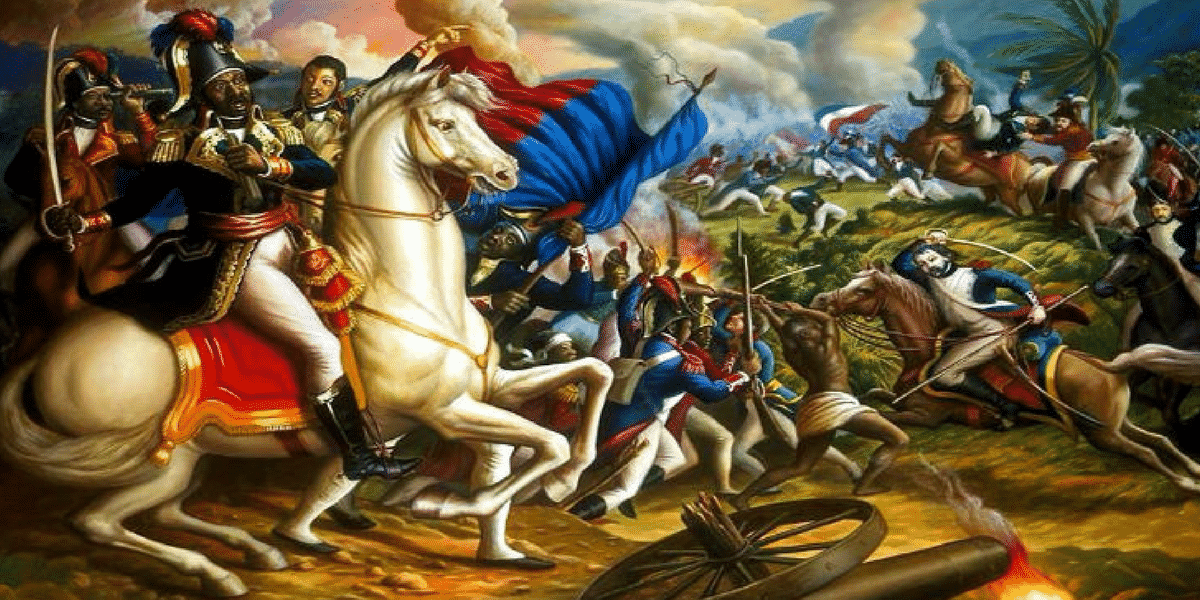
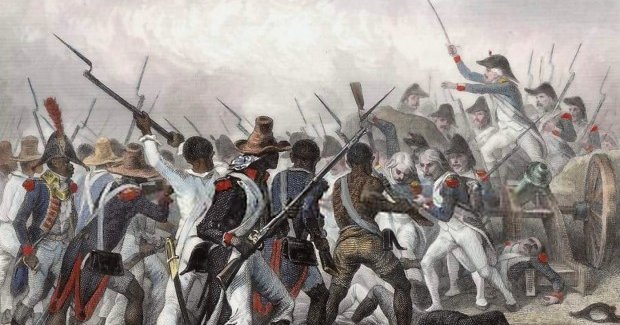
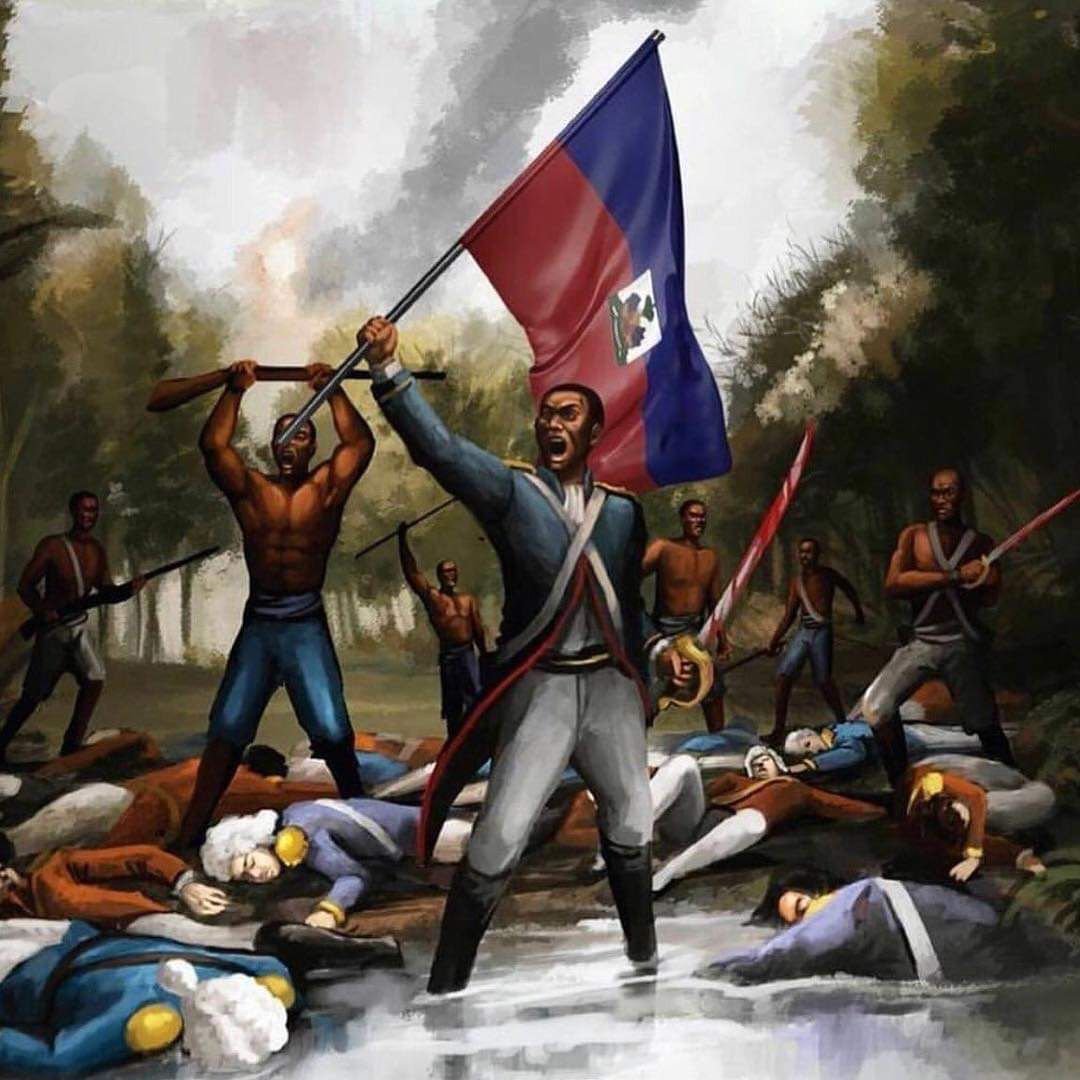
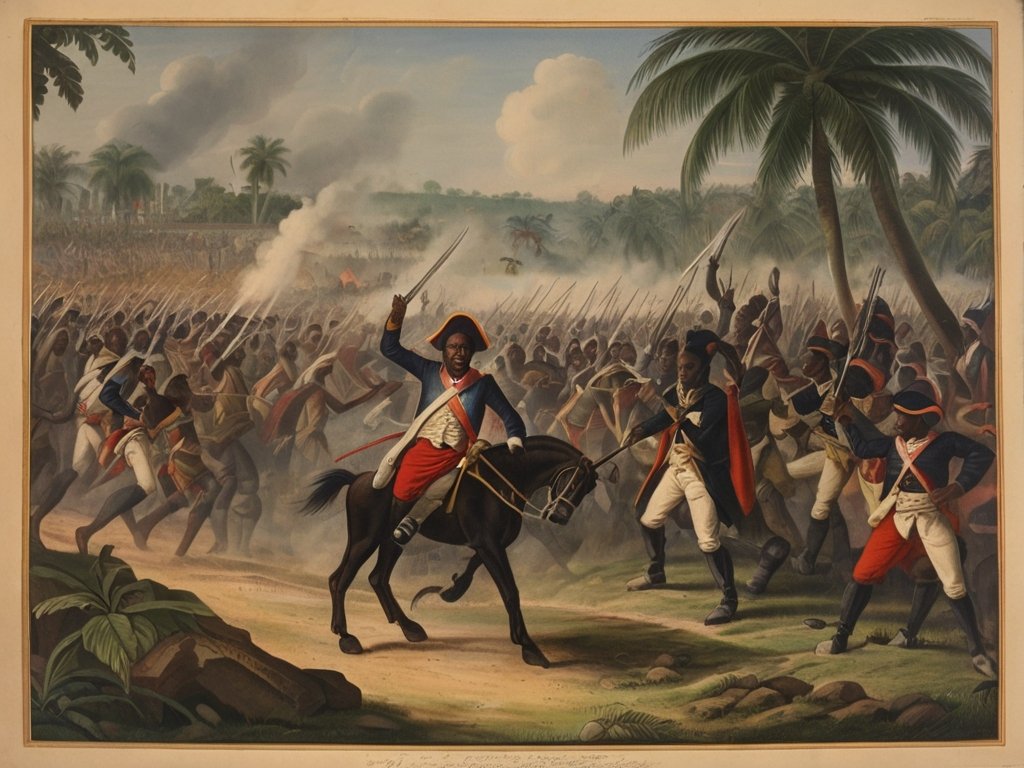
The Haitian Revolution, culminating in the glorious victory of 1804, saw important leaders at its helm. Among them, we can mention Makandal and Bookman. But the genius of Toussaint Louverture, combined with the success of Dessalines, crowned these great names in the most beautiful way. Indeed, although Toussaint Louverture died in France before the Haitian victory of 1804, he was the precursor of the Haitian Revolution, remaining a name the world associates with military genius. Dessalines, for his part, completed Toussaint’s legacy with his charisma, leadership, and pragmatism, leading the triumph of freedom and life in Saint-Domingue. He carried the flame of liberty to lands where the blood of the Blacks had historically flowed, where barbarism and the dirtiest depravity humanity had ever known over such a long period took root. This refers to the 400 years of slavery perpetrated by a race of men at the expense of another part of humanity, which resembles it despite some small nuances of difference.
The celebration of January 1, 1804
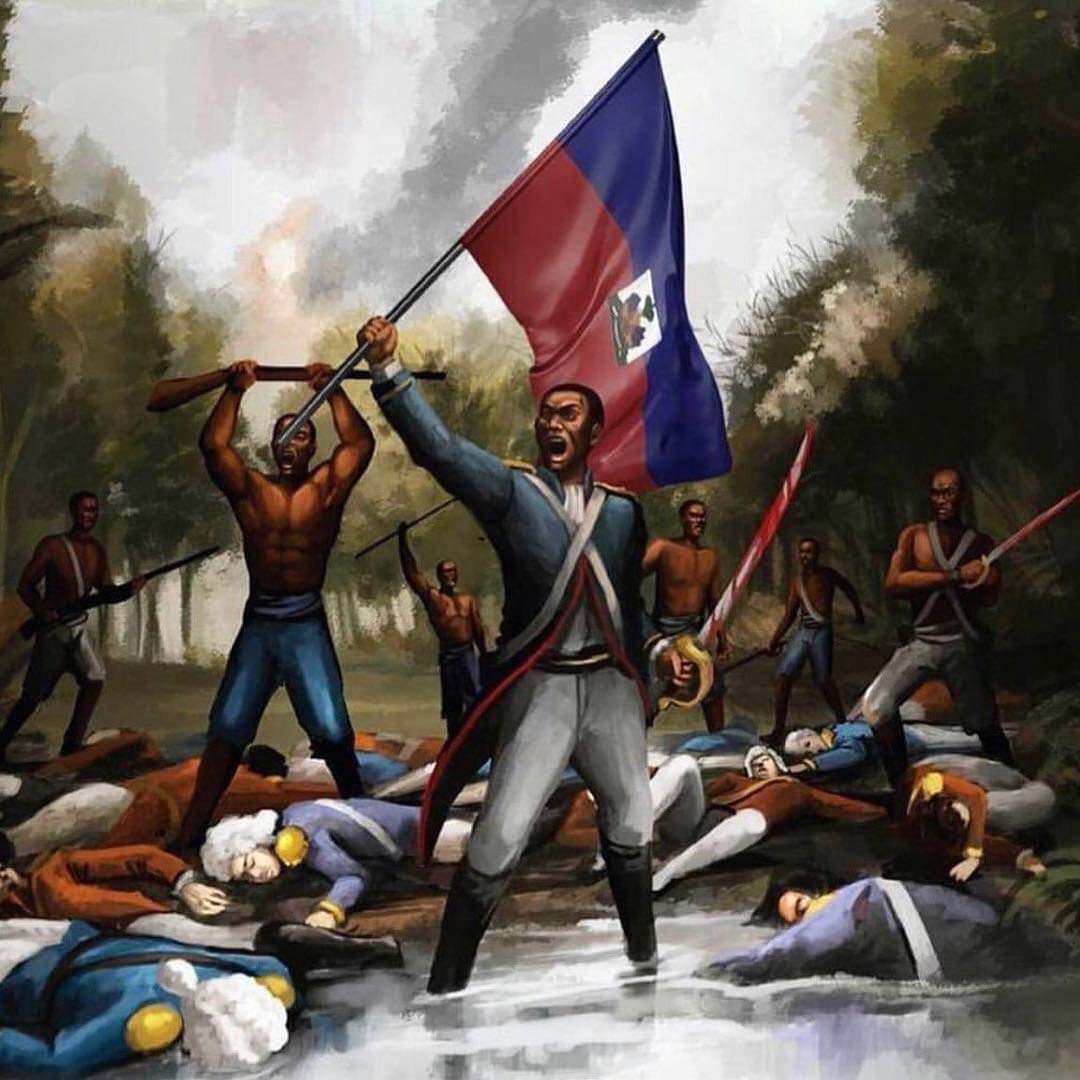
On the heels of the great triumph of Vertières, after decades of struggle, the enslaved masses, heavily trampled by the heavily armed chains that framed the barbarism of slavery, finally triumphed and freed themselves from their unparalleled suffering. Moreover, Dessalines, at their head, agreed to lend a hand to other countries in the region in their struggle for freedom. The help given by the first Haitian emperor to Miranda can testify to this. Furthermore, the Haitian Revolution remains the most complete of its time. It was the only one to be both anti-colonial, anti-racist, and bitterly opposed to the muddy shame of slavery. Not to mention the fact that Dessalines officially declared free every human being subjected to slavery who reached Haitian shores.