contact@haitiwonderland.com+509 36184317

Discover

Shopping Cart

Haiti: The Cradle of Independence

Haiti: The Cradle of Independence

Haiti, nestled in the Caribbean, is often recognized for its picturesque beaches and rich culture. However, this island country also carries a deep and significant historical legacy: that of being the first black country to gain independence and abolish slavery, becoming a powerful symbol of freedom and resistance.

Haïti
Haïti
Haïti

Historical context

By the end of the 18th century, Haiti, then known as Santo Domingo, was the richest colony in the Americas thanks to its thriving sugar industry. However, this wealth rested on the backs of hundreds of thousands of African slaves subjected to inhumane working conditions. Inspired by the ideals of the French Revolution of 1789, the slaves of Saint-Domingue began to demand their rights and freedom.
See as well

Haïti
Haïti
Haïti

The Haitian Revolution: An Act of Courage and Determination

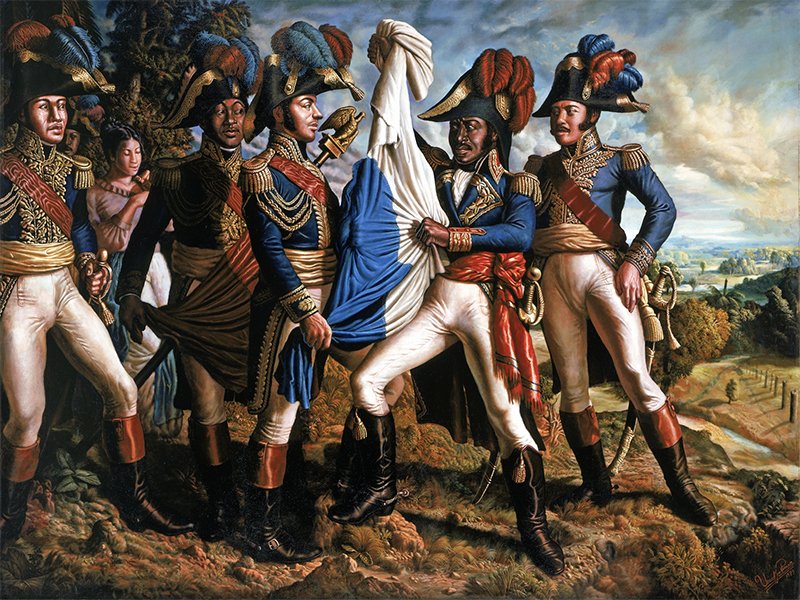
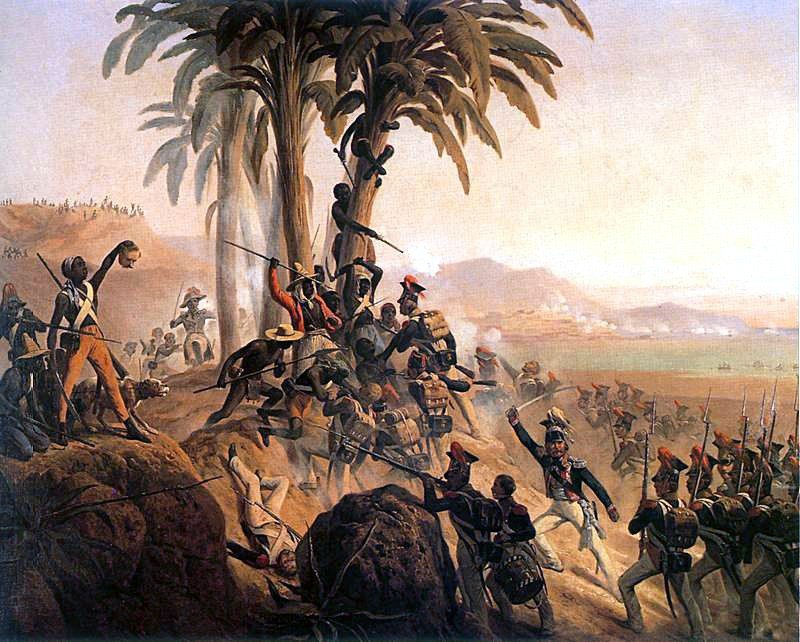
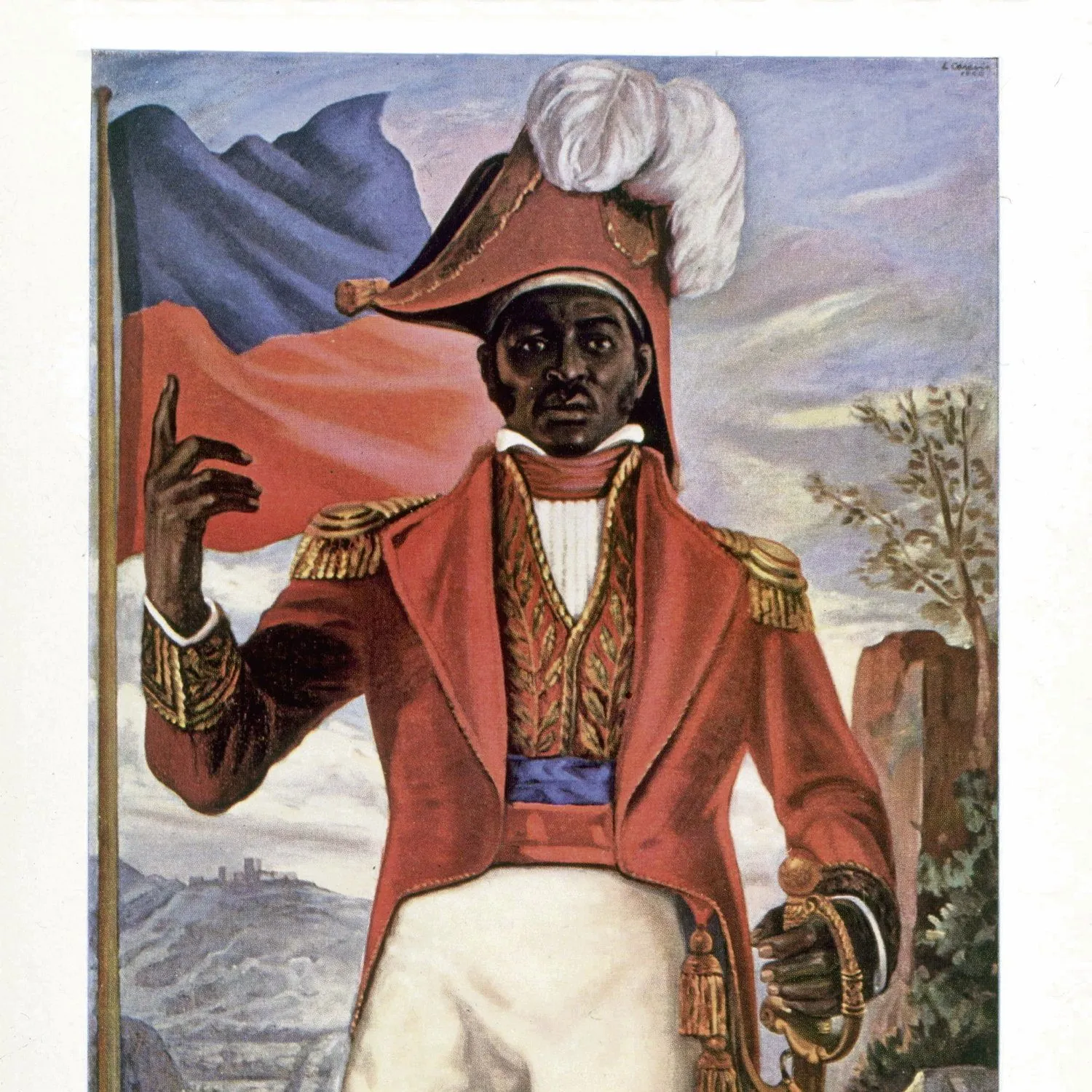
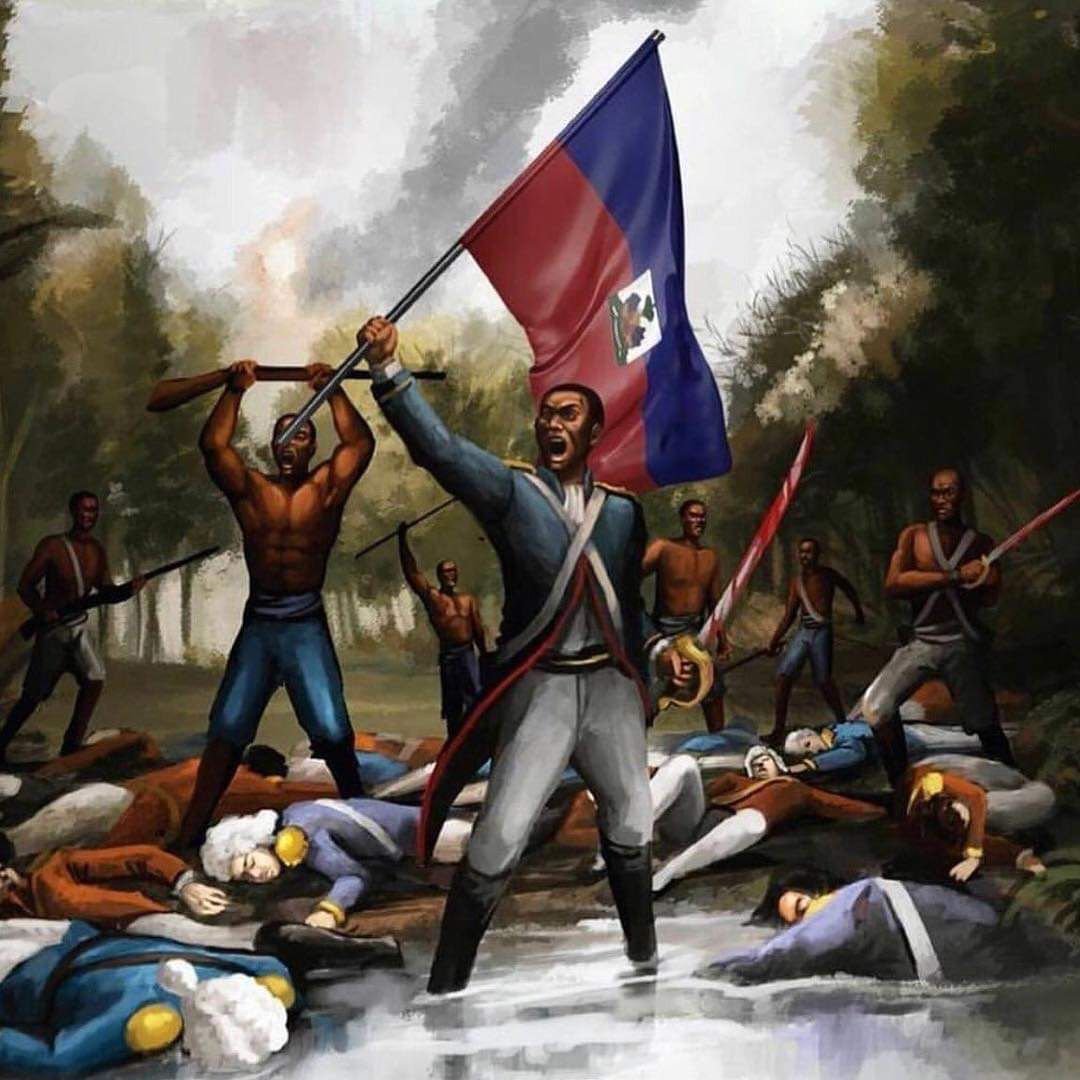
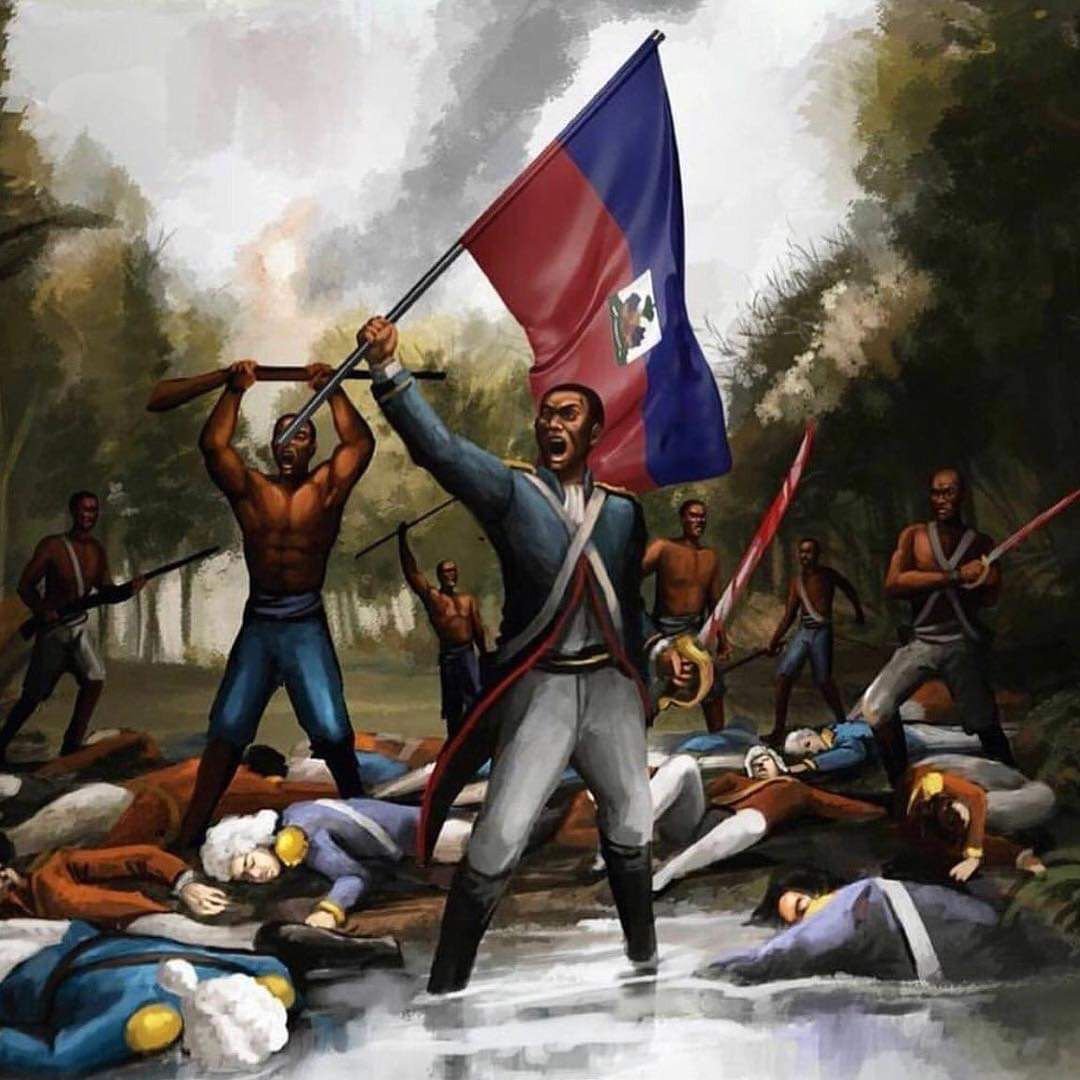
The Haitian Revolution, which lasted from 1791 to 1804, was one of the most significant and daring struggles against colonial oppression and slavery. Under the leadership of iconic figures such as Toussaint Louverture, Jean-Jacques Dessalines, and Henri Christophe, Haitian slaves rose up against their French masters to claim their freedom and human dignity.

On January 1, 1804, Haïti proclaimed its independence, becoming the world’s first free black republic and the second nation in the New World to gain independence after the United States. This day marks not only the birth of a new State but also a turning point in the history of the fight against slavery and colonialism.

Haïti
Haïti
Haïti

Global Impact: Awakening of Consciousness

Haitian independence had a profound impact on the international scene. It sent a resounding message to the colonial powers of the time, demonstrating that oppressed peoples could liberate themselves and self-determine. This success served as an inspiration and model for liberation movements in the Americas and beyond.

In neighboring colonies, the Haitian example has aroused both hope and fear. Slaves and oppressed populations saw it as a glimmer of hope for their own emancipation, while colonists and slave owners feared similar revolts. Haiti’s independence thus helped to catalyze a series of abolitionist and independence movements across the American continent and in other regions of the world.

Haïti
Haïti
Haïti

Haïti and Revolutionary Diplomacy

Although Haïti was initially isolated diplomatically and economically by the great powers, particularly because of the threat it posed to slave societies, the country persevered in its quest for international recognition. Haïti also offered support to liberation struggles in other regions, contributing to the emancipation of oppressed nations.

For example, Simon Bolivar, the famous South American liberator, received crucial support from Haïti in his fight for independence from the Spanish colonies in South America. In return, Bolivar promised to abolish slavery in the territories he would liberate, a commitment he largely kept.

Haïti
Haïti
Haïti

Legacy and Challenges

Today, the legacy of Haitian independence remains a powerful symbol of resistance and resilience. However, Haïti continues to face numerous challenges, including economic, political and social, largely inherited from its colonial history and post-independence international isolation.

It is crucial to recognize and celebrate Haiti’s pioneering role in the history of global independence. By paying tribute to the heroic struggle of the Haitian people, we honor not only their contribution to universal freedom but also their unwavering courage in the face of adversity.

Haiti, the cradle of independence, is a symbol of courage and determination. His story reminds the world of the importance of the fight for human rights and freedom. In celebrating Haiti’s independence, we pay tribute not only to the heroes of the Haitian revolution, but also to all those, throughout the ages, who have fought for a more just and equitable world.

Share
About the Author
Haïti Wonderland
Haïti Wonderland
Onique Jeambart

Haïti deviendra et restera le pays le plus riches du monde au nom de Jesus. Cette force mysterieuse qui est Dieu lui même est avec Haïti et c'est lui qui rallumera notre flame 🔥 et l'etoile d'Haïti brillera partout même dans les tenebres les plus profond. Car Haïti est pour Dieu et Dieu pour Haïti. Que l'huile du tout puissant (divine) tombe sur Haïti et que dès aujourdhui tout monde voit Haïti comme un pays riches, libres,et qui continue de prosperer a la vue du monde entier.Que le bon sens et l'esprit de sagesse qui vient de Dieu ranime chaque personne qui va diriger ce pays pour le bien du peuple et aussi des etranger qui demeuront ce pays. Haïti, est le pays ou on vit la vie on aime la ,on respecte la vie,on vit la vie sainement. Tout prospere en Haïti pour la gloire de Dieu et le peuple qui y reside. Au nom de JESUS.Amen.

September 24, 2024 - 09:41:23 AM
Elie Jean

Ça me fait plaisir losque les gens dissent des belles chooses vrais de mon pays.

October 18, 2024 - 03:58:01 AM
Leave a comment

Recently Posted

Newsletter

Subscribe to our newsletter to stay informed of all our activities and news on Haiti.

Conference / Festival Quatre Chemins / 21st edition

The impact of collective and individual trauma on the personal development of young people in Port-au-Prince While writers, actors, dancers, poets, among others, have gratified us with their performances, the master’s degree student in psychology at the Faculty of Human Sciences (FASCH), Lourdya Blaise, spoke with the audience about trauma. Structured around the theme "Youth and Trauma, analysis of the impact of collective and individual trauma on the personal development of young people living in Port-au-Prince between 2010-2024", this conference gave rise to enriching discussions. During this meeting, moderated by Michaël Formilus, Ms. Blaise showed how the events that have taken place in the country have caused cases of trauma among Haitians. According to the student, citing the American Psychological Association, we speak of trauma as a consequence of trauma. The latter is explained by the fact that we feel threatened, whether it is the person in question or their loved ones. However, she specifies that a collective trauma remains depending on the impact that the event has on the individual. To illustrate her remarks, she mentioned the earthquake of January 12, 2010, considered a collective trauma, insofar as it still occupies our minds. This tragedy reminds us of the disappearance of our loved ones and enormous losses. This is the case of a trauma that becomes a collective trauma. For the student, it should be emphasized that when an event occurs, some people are traumatized and others are not. According to him, the violence of armed gangs is not perceived in the same way, says Ms. Blaise. There are people who have fled their homes but are not traumatized. In fact, some people see traumatic situations as a passing event, she says. The speaker also spoke about collective trauma, which, according to him, preoccupies the mind, even if we no longer experience it. It manifests itself in several forms: lack of sleep, fear psychosis, intrusive thoughts, intense heartbeat, etc. Generally, symptoms related to trauma are hard to die. When it persists, it becomes acute stress. To deal with it, we must talk to other people. If the situation persists, acute stress turns into a phase of post-traumatic stress; in this case, we must confide in a trusted person or go see a mental health specialist, she advises. In her presentation, Lourdya Bazile also drew attention to the psychological state of children in these times. According to the presenter, children are also facing this crisis situation, even if they do not talk about it to their parents. As much as adults, children also plan their future. Faced with flouted school years, they become pensive and worried, she stressed. They withdraw. The child who used to be brilliant can become violent and perform less well at school. Parents are called upon to listen to them and understand them. A good moment of exchange, rich in practical advice. The audience participated fully. In turn, the presenter invites them to breathe better and meditate. "We live in a country where worries mix, we must take time for ourselves, do sports, eat well, make sure that the sleeping space is clean and take time for ourselves. There is more than one way to find calm," recalls the psychologist. Gertrude Jean-Louis

Recently Posted

History

History

First black nation to free itself from slavery and gain independence from France in 1804 and influenced other liberation movements around the world, inspiring struggles for freedom and equality.

Natural beauty

Natural beauty

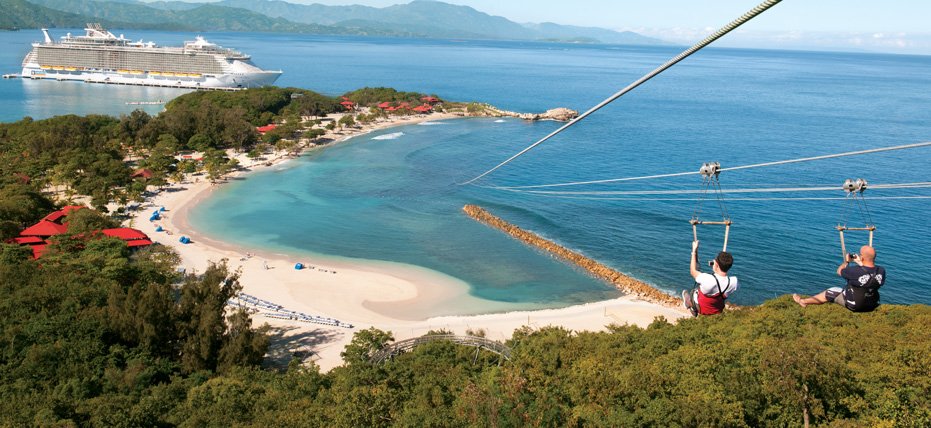
Haïti is blessed with spectacular natural landscapes, including white sand beaches, mountains and rich biodiversity.

Heritage

Heritage

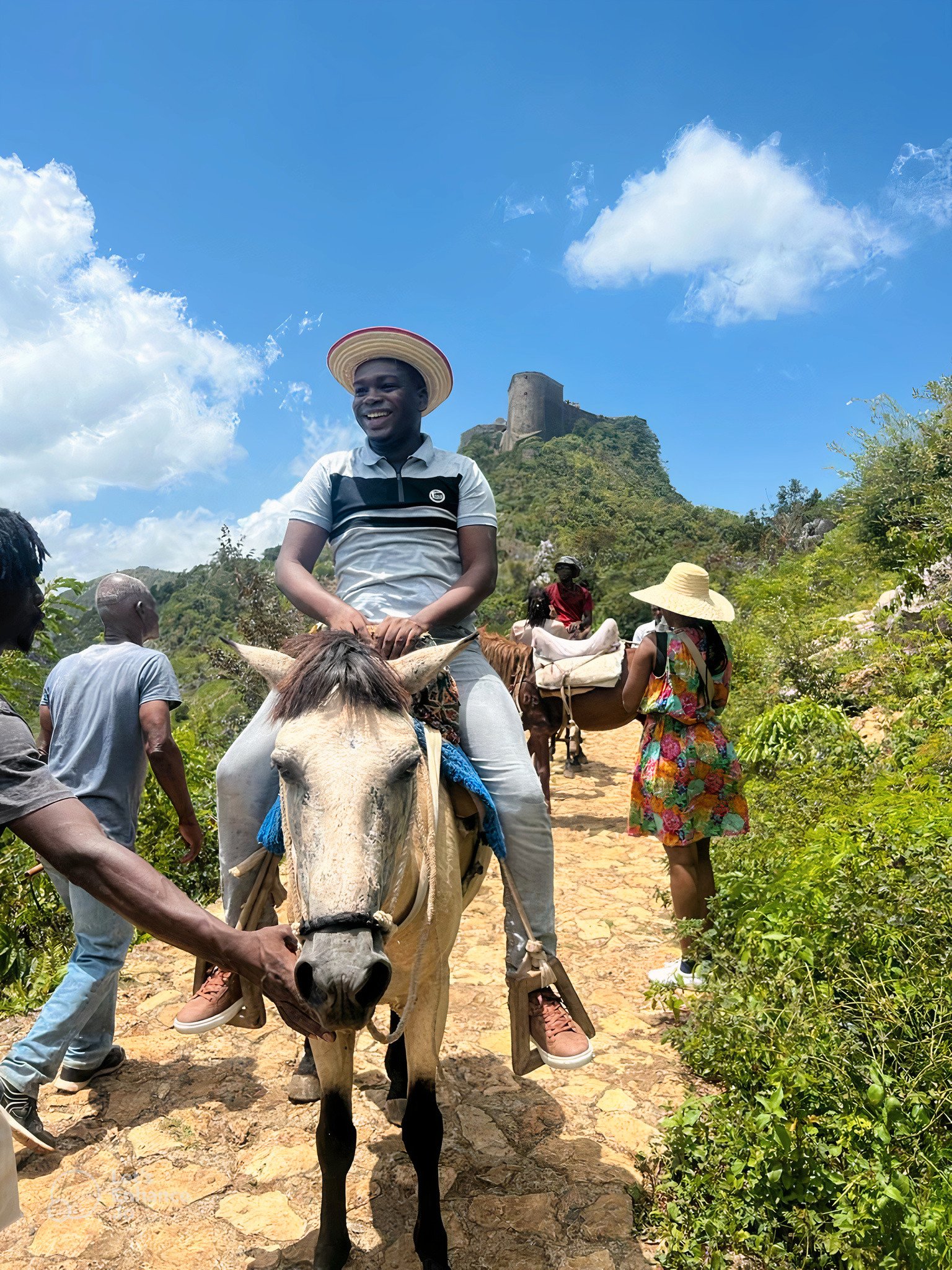
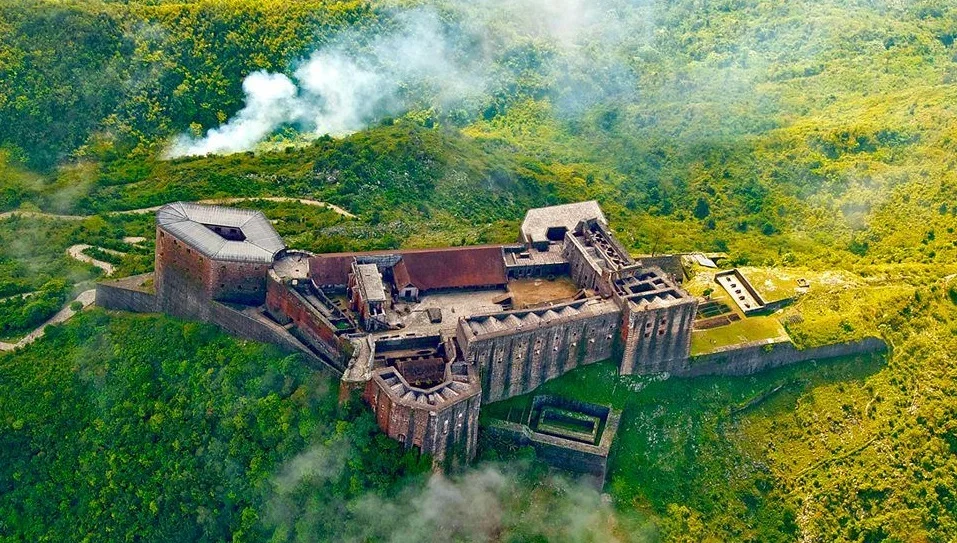
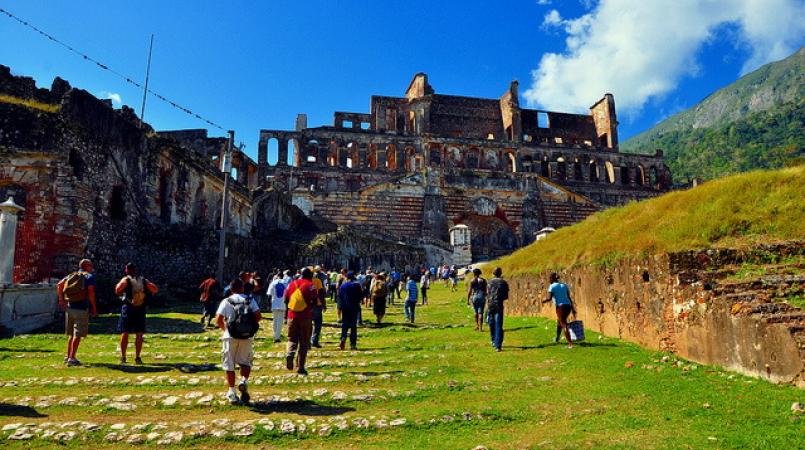
Haïti has a rich historical heritage, including sites like the Citadelle Laferrière and the Sans-Souci Palace, listed as UNESCO World Heritage Sites.

Culture

Culture

Haïti has a rich and diverse culture, influenced by African, European and indigenous elements. Haitian music, dance, art and cuisine are celebrated around the world.

  • +
    • Post