contact@haitiwonderland.com+509 36184317

Discover

Shopping Cart

When do the 4 seasons begin in Haiti?

When do the 4 seasons begin in Haiti?

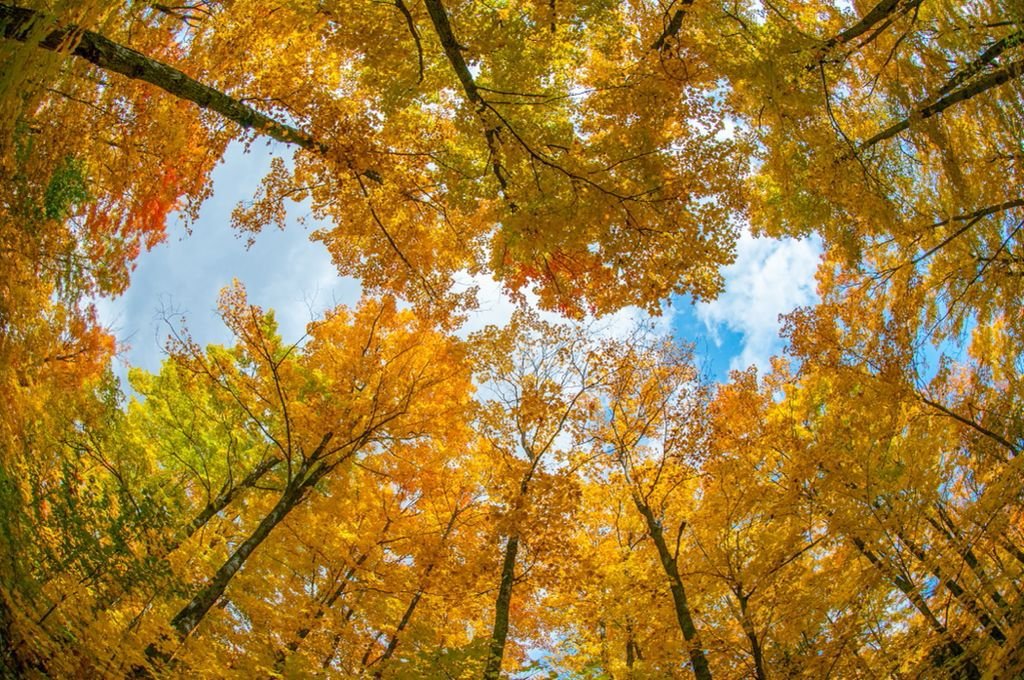
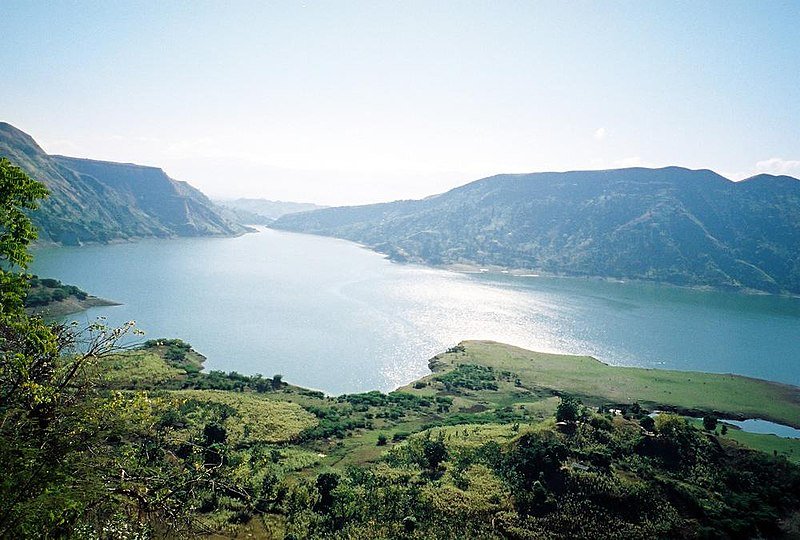
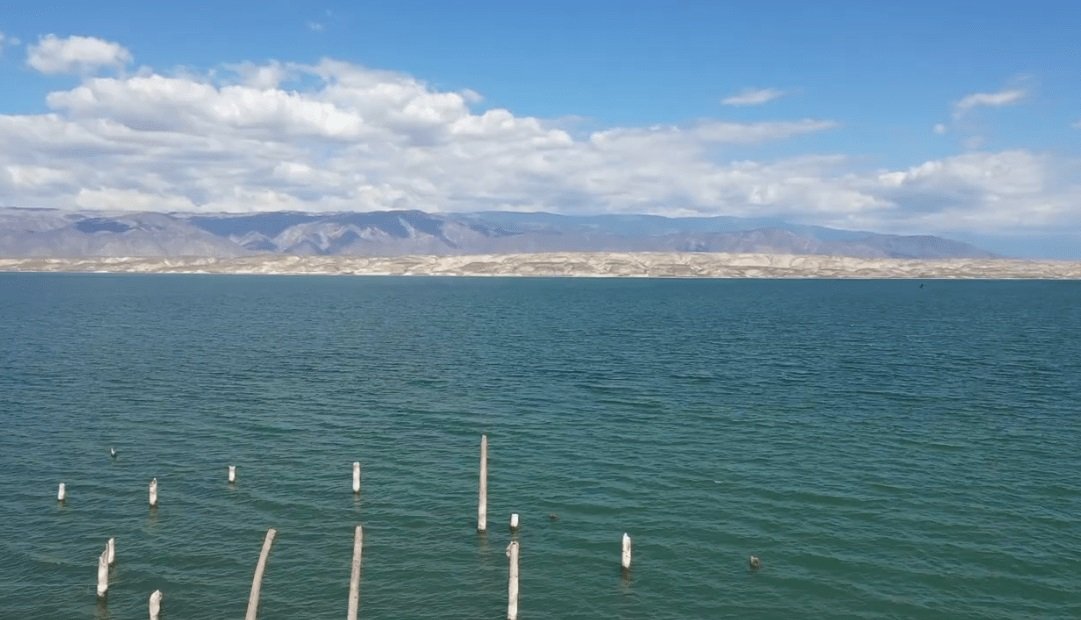
Haiti, located in the Caribbean, is known for its tropical climate that differs from the seasons as defined in temperate countries. Rather than the traditional four seasons (spring, summer, fall, winter), the country mainly experiences an alternation between the dry season and the rainy season. However, there are climatic variations that are associated with the times of the year and influence the lives of Haitians. This article explains how these seasons manifest themselves in Haiti.

Haïti
Haïti
Haïti

The Dry Season: A Tropical Winter

The dry season, also called "winter" by the locals, generally begins in November and ends in April. This period is characterized by cooler weather and less humidity. Temperatures are pleasant, ranging between 20°C and 30°C, especially in mountainous regions like Kenscoff where nights can be cool.

It is also a good time for outdoor activities, with clear skies and a low risk of rain. This season often coincides with the end-of-year holidays and the celebration of Haiti’s independence on January 1st, creating a festive and lively atmosphere.

Haïti
Haïti
Haïti

The Rainy Season: A Crucial Time for Agriculture

The rainy season in Haïti generally begins in May and lasts until October. During this period, rains are frequent, often in the form of torrential downpours, especially in the late afternoon. Temperatures remain high, between 25°C and 35°C, and humidity is higher.

This season is essential for agriculture, as it allows crops such as corn, rice, and vegetables to thrive. However, it also brings risks, including flooding and landslides, which can disrupt daily life and cause significant damage in some areas.

Haïti
Haïti
Haïti

Transitional Seasons: Tropical Spring and Fall

Although the shoulder seasons are not as pronounced as in temperate zones, the months of April-May and October-November can be considered transitional periods. These times see an alternation between dry days and light showers, creating a gradual transition between the dry season and the rainy season.

These months are often marked by lush vegetation, especially after the first rains, offering green landscapes that attract nature lovers.

Haïti
Haïti
Haïti

The Effects of Tropical Climate All Year Round

Due to its geographical location, Haïti enjoys a tropical climate all year round. Seasonal variations are mainly manifested by differences in humidity and precipitation, rather than by significant temperature differences.

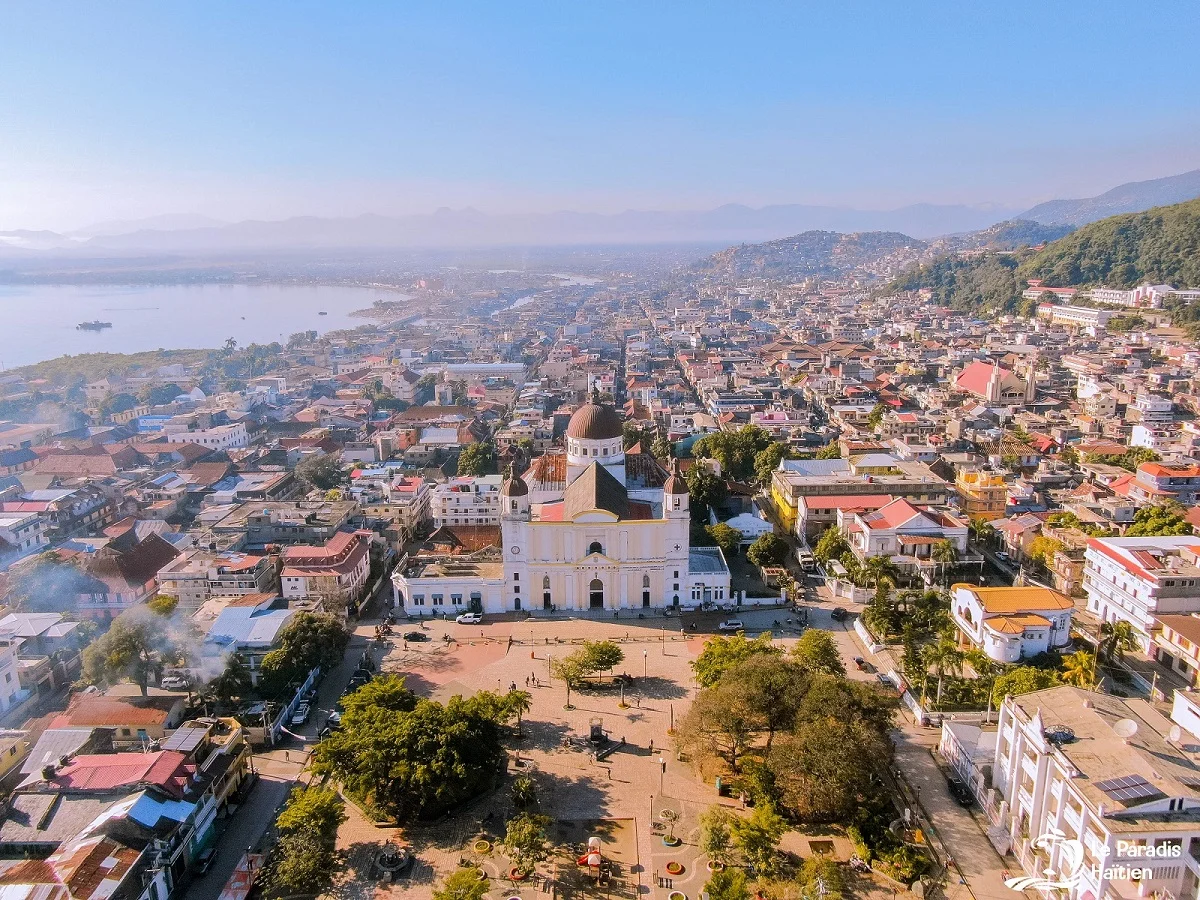
Coastal regions, such as the North (Cap-Haïtien) and South (Jacmel, Les Cayes), remain hot and humid most of the year, while mountainous areas enjoy cooler temperatures.

Haïti
Haïti
Haïti

When to Travel to Haïti According to the Seasons?

For travelers, the best time to visit Haïti is the dry season, from November to April, when the weather conditions are ideal for exploring beaches, mountains, and historical sites. The rainy season, although intense, also offers an opportunity to discover a green and lively Haiti, but it requires more careful planning due to climate risks.

Whether during the dry or rainy season, each time of year has its charm in Haiti, allowing visitors to discover different facets of this country with its varied landscapes and rich culture.

Haïti
Haïti
Haïti

Haiti’s Seasons: A Tropical Harmony

Although Haïti does not have seasons as we know them in temperate zones, the distinction between dry and rainy seasons, as well as the periods of transition, play a central role in the country’s daily and cultural life. These climatic cycles influence everything from agriculture to social activities to travel choices.

Understanding these seasons allows us to appreciate the natural wealth and resilience of the Haitian people, who adapt with creativity and determination to changes in their environment throughout the year.

Share
About the Author
Appolon Guy Alain
Appolon Guy Alain
Appolon Guy Alain

Full Stack Developer, Créatif, expérimenté, passionné des nouvelles technologies et de l’art.

See other articles from Appolon Guy Alain
Leave a comment

Recently Posted

Haïti, a rich and impoverished country

Located in the western part of the island of Hispaniola, Haïti is a land imbued with natural, cultural and historical wealth. Unfortunately, behind the beauty of its landscapes, the richness of its culture and the delicacy of its cuisine lies a complex reality marked by the debt of its independence and the persistent interference of third countries, casting a shadow over its stability. b~The Natural Beauty of Haïti~b Haïti, nicknamed the "Pearl of the Antilles", dazzles with the diversity of its landscapes. From majestic mountains and lush valleys to meandering rivers and sandy beaches, the country offers natural beauty worth celebrating. The famous Citadelle Laferrière mountains and the refreshing waterfalls of Bassin-Bleu are just a few examples of the splendor that characterizes this nation. b~A Rich and Diverse Culture~b Haïti stands out for its vibrant and diverse culture. A heritage of African, French and indigenous influence, Haïtian music, dance and art reflect a unique fusion. Colorful festivals, like Carnival, are celebrations of this cultural richness, attracting visitors from all over the world. b~Delicious Cuisine~b Haïtian cuisine, tasty and spicy, is another aspect worth celebrating. Dishes like griot, sticky rice, and the legendary joumou soup, traditionally prepared to commemorate independence, are all culinary delights that demonstrate the country’s gastronomic ingenuity. b~Heritage Treasures and Paradise Beaches~b Haïti’s heritage treasures, such as the remains of the Sans-Souci Palace and the Citadelle Laferrière, listed as UNESCO World Heritage Sites, are testimonies to the architectural grandeur of Haïti’s past. At the same time, beaches like Labadee and Jacmel offer havens of peace with crystal clear waters, attracting travelers in search of a tropical paradise. b~A Fascinating Story~b The history of Haïti is both fascinating and tragic. It was the first country in the Americas to gain its independence, in 1804, after a courageous slave revolt. However, this independence came with a heavy financial price. France demanded exorbitant compensation, thus laying the foundations for Haïti’s foreign debt. b~The Debt of Independence and Foreign Interference~b Despite these treasures, Haïti struggles with the reality of its independence debt. After gaining its freedom, the country was forced to pay France a considerable sum in compensation for losses associated with the abolition of slavery. This debt has been a major economic burden for Haïti, hindering its development. Additionally, foreign interference continues to create significant challenges. External political and economic interventions have often contributed to the country’s instability, hindering its ability to build a sustainable future for its citizens. b~In conclusion~b Haïti remains a country of multiple riches, but its challenges persist. Despite its natural beauty, rich culture and fascinating history, the nation needs enlightened international support and lasting solutions to overcome the obstacles that stand in its way. Haïti’s wealth lies not only in its enchanting landscapes, but also in the potential of its people to be resilient and prosper despite persistent challenges.

Newsletter

Subscribe to our newsletter to stay informed of all our activities and news on Haiti.

A Call for Online Media Awareness to improve the image of Haïti on the internet

A simple Google search for "Haïti" will leave you with a bitter taste, as you will mostly discover degrading images that fail to pay homage to Haïti’s natural beauty, rich history, and vibrant culture. This reality stems from a multitude of online media outlets that, in their relentless quest for visibility and profit, disseminate images that do not reflect the true essence of Haïti. It is time to challenge this trend and raise awareness among Haïtian online media of the profound impact of their editorial choices on the image of their own country. b~The Consequences of the Dissemination of Degrading Images:~b Sharing degrading images of Haïti contributes to perpetuating prejudices and reinforcing negative stereotypes associated with the country. This can have serious consequences for tourism, foreign investment, and even the national pride of Haïtians. Furthermore, it creates a distortion of reality, masking the many positive and inspiring aspects of Haïti. b~A Call for Editorial Responsibility:~b It is imperative that Haïtian online media take editorial responsibility in ensuring that the images and stories they broadcast reflect the diversity and richness of Haïti. Rather than focusing only on the negative aspects, they should highlight the successes, positive initiatives, and exceptional contributions of Haïtians to global society. b~Promote a Balanced Image:~b Haïti’s diversity, both culturally and socially, deserves to be celebrated. Haïtian online media have the opportunity to play a key role in promoting a more balanced image of the country by highlighting its successes, its innovations and its rich history. This will not only help educate the global public, but also inspire pride and confidence in Haïtians themselves. It is time for Haïtian online media to realize their power as opinion shapers and actively contribute to transforming Haïti’s image. By choosing to share balanced and positive stories, they can play a vital role in building a more accurate and respectful perception of this remarkable country. It is a call for editorial responsibility, sensitivity and national pride, in order to restore Haïti to its rightful place on the world stage.

Recently Posted

History

History

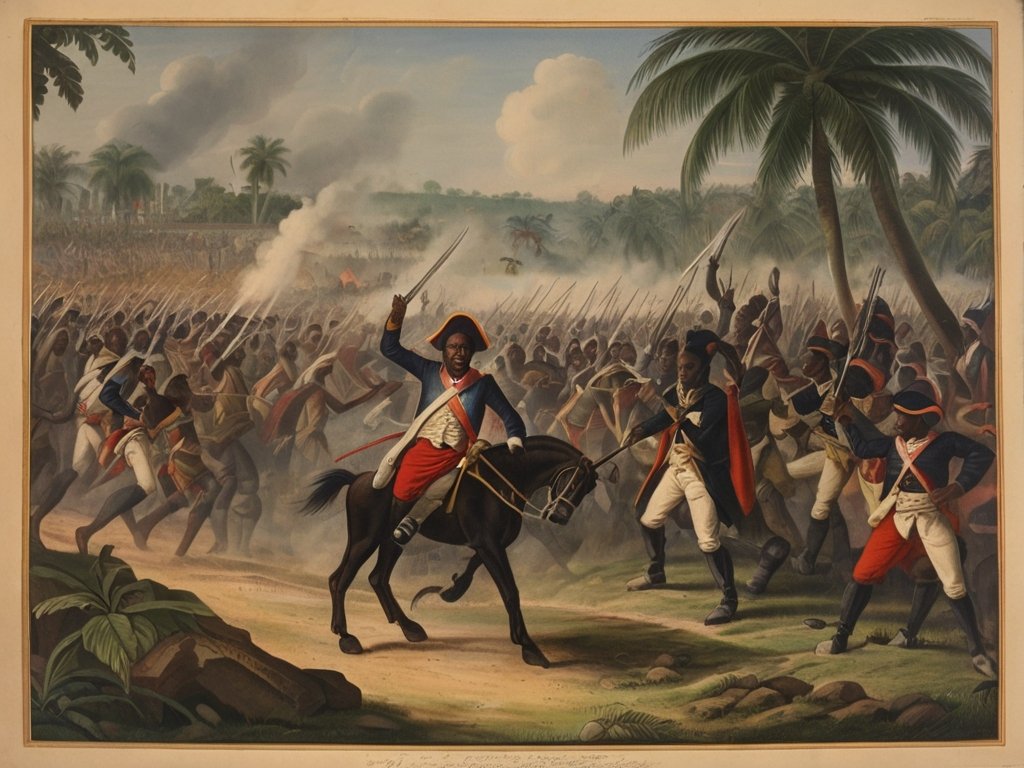
First black nation to free itself from slavery and gain independence from France in 1804 and influenced other liberation movements around the world, inspiring struggles for freedom and equality.

Natural beauty

Natural beauty

Haïti is blessed with spectacular natural landscapes, including white sand beaches, mountains and rich biodiversity.

Heritage

Heritage

Haïti has a rich historical heritage, including sites like the Citadelle Laferrière and the Sans-Souci Palace, listed as UNESCO World Heritage Sites.

Culture

Culture

Haïti has a rich and diverse culture, influenced by African, European and indigenous elements. Haitian music, dance, art and cuisine are celebrated around the world.

  • +
    • Post