contact@haitiwonderland.com+509 36184317

Discover

Shopping Cart

What Connects Haïti to Africa? An Indestructible Cultural and Historical Bridge

What Connects Haïti to Africa? An Indestructible Cultural and Historical Bridge

Haïti and Africa share a deep and historical bond, forged over centuries. This bond goes beyond simple colonial history, it is nourished by cultural roots, ethnic affinities, and a common heritage stemming from the struggle for freedom. Throughout history, the African diaspora, and the impact of slavery, Haïti has become a symbol of resilience and black pride, particularly for many African and Afro-descendant communities around the world. But what really connects Haïti to Africa? Let’s dive into this exceptional and meaningful relationship.

Haïti
Haïti
Haïti

African Roots: A Shared History

One of the most obvious links between Haïti and Africa dates back to the era of the transatlantic slave trade. Between the 17th and 19th centuries, hundreds of thousands of Africans were captured and deported to the Americas, including Haiti, to work on sugarcane and coffee plantations. These slaves, who came from various regions of sub-Saharan Africa, brought with them customs, beliefs, and languages ​​that would forever mark Haitian culture.

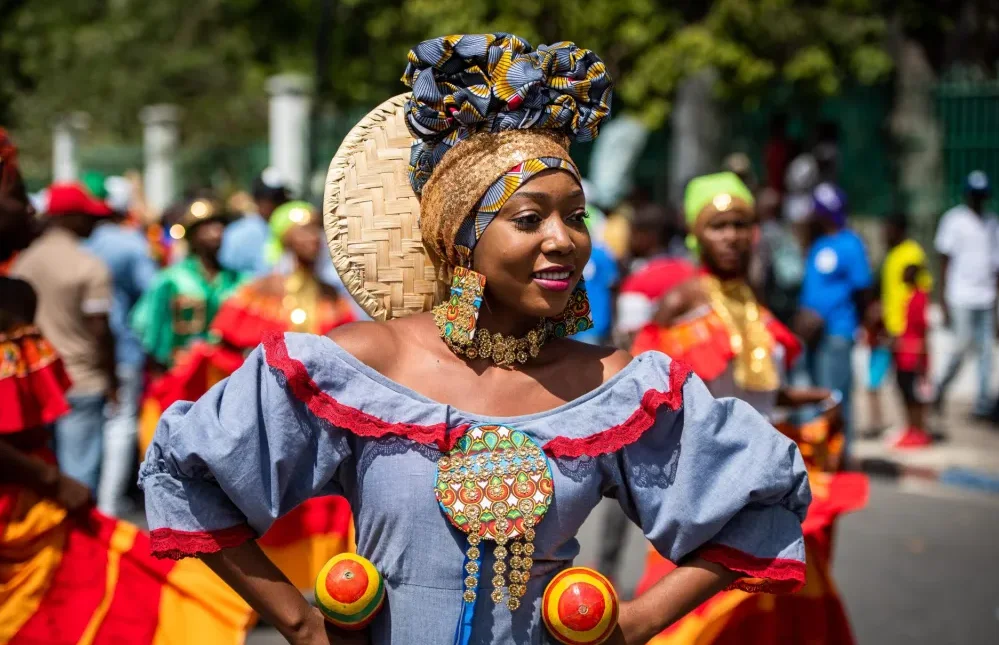
The current Haitian population is largely descended from these African slaves, and African influences are visible in almost every aspect of Haitian culture: in music, dance, religion, cuisine, and even language, with Haitian Creole retaining many words and structures from African languages.

The Struggle for Independence: A Shared Legacy of Freedom

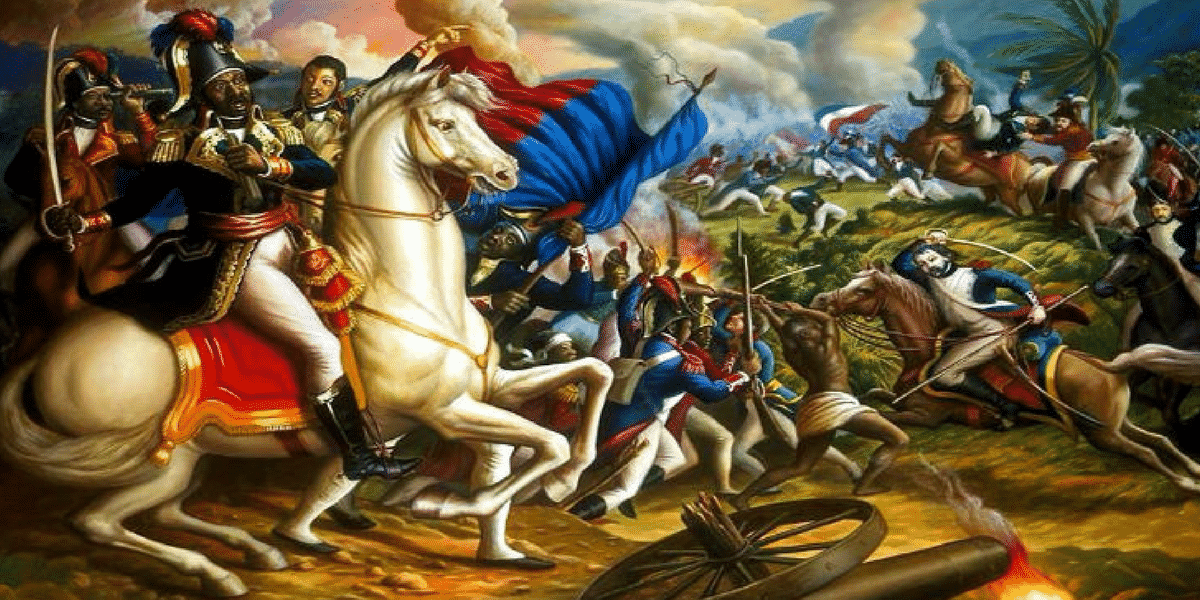
Haïti was the first country in the Americas to abolish slavery and free itself from colonialism, a historic achievement that marked a turning point not only for the country, but also for the African continent. In 1804, after a heroic revolution led by black slaves against French colonial forces, Haïti became the world’s first independent black republic. This feat inspired many decolonization and liberation struggles around the world, including in Africa.

The Haitian independence movement was a model for African countries struggling against slavery and colonialism. Haïti played an important symbolic role in realizing the ideals of freedom and equality, values ​​shared by many African peoples during their own quest for independence.

Haïti
Haïti
Haïti

Vodou: A Spiritual Bridge Between Haïti and Africa

Vodou, a widely practiced religion in Haiti, is one of the most significant aspects of the country’s connection to Africa. Haitian Vodou, which has its roots in traditional African beliefs, including those of the people of Benin, Congo, Togo, and other parts of West Africa, is a spiritual belief system that evolved from African rituals brought by slaves.

The deities of Vodou (known as lwa) have similarities to the spirits and gods of traditional African religions. The rituals, songs, dances, and ceremonies practiced in Haïti as part of Vodou are also very similar to those that take place in various African communities. This spiritual sharing between Haïti and Africa illustrates the enduring connection between the two regions.

Haïti
Haïti
Haïti

Music: An Echo of African Traditions

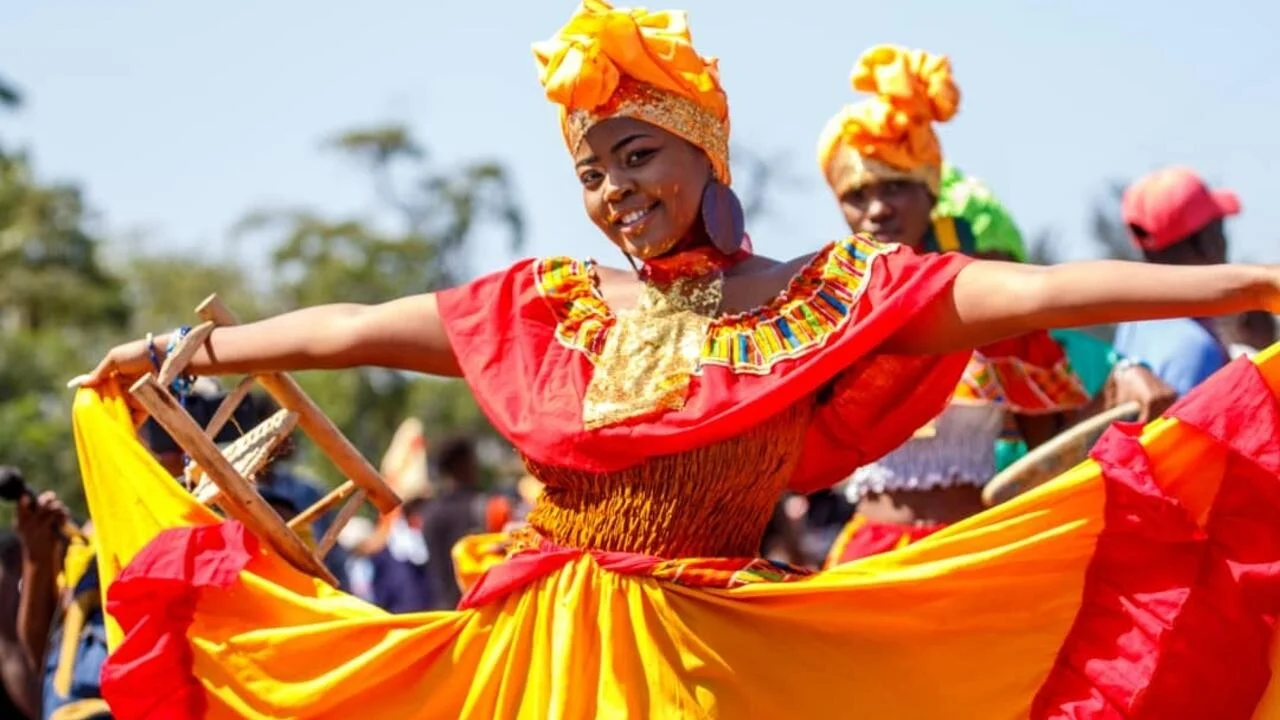
Haitian music is another fundamental element that links Haïti to Africa. The instruments used in Haiti, such as drums, maracas, and foot taps, have been directly influenced by traditional African instruments. The rhythms and musical structures of Haiti, particularly in the compas and rara, are also very close to those of African peoples.

These African musical traditions have merged with European and Amerindian influences to create a unique sound, deeply rooted in Haitian history, but also in the collective African memory.

The Return of Roots: Current Relations

Today, Haïti maintains close cultural and diplomatic relations with Africa, particularly with countries such as Benin, Togo, Senegal, and Mali, among others. Solidarity between Haïti and African nations has manifested itself in many forms, including through South-South Cooperation, where Haïti supports development projects in Africa, and where Africa offers its support in matters of culture, politics and education.

Haïti also participates in pan-African forums and events, affirming its role in the community of African nations. This mutual bond continues to strengthen, both culturally, economically, and diplomatically.

Haïti
Haïti
Haïti

An Indestructible and Durable Bond

Haïti and Africa are linked by deep roots that transcend history and continents. From the legacy of slavery to the struggle for freedom, to shared cultural, religious, and musical traditions, these two regions have forged an unbreakable bond that continues to define their collective identity. Today, Haïti remains a symbol of the aspiration for freedom and black pride, and this connection continues to be nourished by solidarity, cultural reconciliation, and shared resilience.

Share
About the Author
Appolon Guy Alain
Appolon Guy Alain
Appolon Guy Alain

Full Stack Developer, Créatif, expérimenté, passionné des nouvelles technologies et de l’art.

See other articles from Appolon Guy Alain
Leave a comment

Recently Posted

Haïti / Pot’iwa Pizza: A Culinary Odyssey

Since 2015, Pot’iwa Pizza has conquered the hearts and taste buds of the inhabitants of Port-au-Prince, the capital of Haiti. Founded by visionaries Jude Vaillant and Rock André, Pot’iwa Pizza has become a true gastronomic icon by offering a unique specialty: smoked herring pizza. This culinary creation has revived childhood nostalgia among many Haitians, marking the beginning of an exceptional culinary adventure. The very name of the company, "Pot’iwa", is a tribute to the Haitian regions where its founders were born. Jude Vaillant, originally from the "Iwa" region, and his accomplice Rock André, native of "Potino", have united their origins to create a company that harmoniously fuses tradition and innovation. Despite the socio-economic challenges that punctuate Haitian daily life, Pot’iwa Pizza is committed to constantly improving its services. This unwavering determination led to the opening of a second branch of the company, this time in the city of Cap-Haïtien, in the north of the country. The inhabitants of this region now have the privilege of tasting the famous herring pizza, previously reserved for the inhabitants of Port-au-Prince. Aware of the importance of protecting its culinary heritage, the company made a strategic decision by filing a patent in the United States to protect its specialty: herring pizza. Jude Vaillant, CEO of the company, shares his vision behind the choice of herring: "In Haiti, our childhood was rocked by a particular flavor, present in many traditional dishes. We decided to bring this flavor to an emblematic dish like pizza, to create a unique culinary experience." Pot’iwa Pizza embodies the passion, nostalgia and perseverance of Haitians for their traditional cuisine. It is a story of flavors and success that continues to seduce palates around the world. For those who want to taste this delicious herring pizza, go to Pot’iwa Pizza, located at 26 boulevard Cap-Haïtien, or contact them at +509-47-30-9090. And for fans residing in Miami, USA, Pot’iwa Pizza is also available at 12485 NE 6th CT, North Miami, FL 33161. To order, call 305-456-5152. Also explore the immersive experience of Pot’iwa Pizza through your smartphone or virtual reality headset, and dive into their mouth-watering menu by visiting the following link: https://haitiwonderland.com/haiti-virtual-reality-ht/ bar--restaurant/haiti--pot-iwa-pizza--virtual-tour/9.

Newsletter

Subscribe to our newsletter to stay informed of all our activities and news on Haiti.

Caractéristique d’un lapin

Les lapins sont des mammifères appartenant à la famille des Leporidae. Voici quelques-unes de leurs caractéristiques principales : 1. **Physique** : Les lapins ont un corps couvert de fourrure douce, des oreilles longues et droites, de grands yeux sur les côtés de leur tête, et une queue courte et duveteuse. Ils possèdent de puissantes pattes arrière adaptées au saut. 2. **Taille et poids** : La taille et le poids peuvent varier considérablement selon la race, allant d’environ 500 grammes pour les plus petits à plus de 5 kilogrammes pour les plus grands. 3. **Comportement** : Les lapins sont connus pour être sociaux et peuvent vivre en groupes dans la nature. Ils communiquent entre eux par différents moyens, y compris par des sons et des mouvements corporels. Les lapins creusent des terriers pour y vivre et se protéger des prédateurs. 4. **Alimentation** : Ils sont herbivores, se nourrissant principalement de foin, d’herbes, de feuilles, de fleurs, et de certains légumes. Leur système digestif est adapté pour traiter une grande quantité de fibres. 5. **Reproduction** : Les lapins sont réputés pour leur capacité à se reproduire rapidement, avec des gestations courtes d’environ 28 à 31 jours. Une portée peut compter de un à douze lapereaux, selon la race. 6. **Sens** : Ils ont une excellente vision périphérique pour détecter les mouvements tout autour d’eux, mais ont une zone aveugle juste devant leur nez. Leur ouïe est également très développée, leur permettant de capter des sons à de grandes distances. 7. **Espérance de vie** : En captivité, les lapins peuvent vivre de 7 à 10 ans, selon la race et les soins prodigués, tandis que dans la nature, leur espérance de vie est généralement plus courte en raison des prédateurs et des maladies. Ces animaux nécessitent des soins appropriés, notamment un régime alimentaire équilibré, de l’exercice, et une attention particulière à leur bien-être émotionnel et physique pour vivre une vie saine et heureuse en captivité.

Guédés: When Haïti celebrates its ancestors with color and fervor

Every November 1st and 2nd, Haïti comes alive with the colors black and purple to celebrate the Guédés, spirits venerated in the voodoo religion, symbols of a powerful bond between the living and the dead. Fascinating, indomitable and provocative, the Guédés form a true family in the pantheon of Haitian voodoo, where they are respected for their role as spiritual guides of the deceased to the afterlife. Led by iconic figures such as the legendary Baron Samedi and his companion Grann Brigitte, the Guédés embody the paradoxes of life and death. Each Baron has a unique personality: Baron Cimetière, Baron Kriminel, and Baron La Croix are the guardians of the souls that wander on the borders of the world of the dead. Together, they form a powerful and somewhat frightening presence, but one that is deeply rooted in Haitian culture. The Guédés are not like other voodoo spirits; they demonstrate their fearlessness in a spectacular way. Accustomed to death, they are fearless and are provocative: they eat glass, raw peppers, and coat their sensitive parts with rum and pepper. These gestures mark their indifference to danger and remind us that they have already known earthly life. They are thus psychopomps – these beings who lead the souls of the dead – and act as bridges between the world of the living and that of the dead. Some Guédés, like Guédé Nibo, wear black, purple, and white clothing, each with unique characteristics. They are many and varied: Guédé Fouillé, Guédé Loraj, Papa Guédé, and many others. These are the spirits who, each year, remind Haitians of the importance of remembering and honoring the deceased. The cult of the Guédés is not only religious; it is also cultural and historical. According to tradition, their spiritual territory, or “Fètomè” – nicknamed the “Country without Hats” – is a place where the souls of ancestors reside. According to stories, the origins of this cult go back to the Abomey plateau, the ancient capital of the kingdom of Dahomey, in Africa, where death and life coexist in a form of symbiosis. This celebration in Haïti even finds echoes in ancient history. The Romans also honored their dead with the “Fête des Lémuria”, which took place in February, to ward off spirits and restore peace between the world of the living and that of the deceased. For Haitians, honoring the Guédés is about accepting death as a part of life and celebrating the invisible bonds that unite us with those who have left us. It is also a way of resisting, because life, despite its challenges, must be celebrated in all its complexity and depth.

Recently Posted

History

History

First black nation to free itself from slavery and gain independence from France in 1804 and influenced other liberation movements around the world, inspiring struggles for freedom and equality.

Natural beauty

Natural beauty

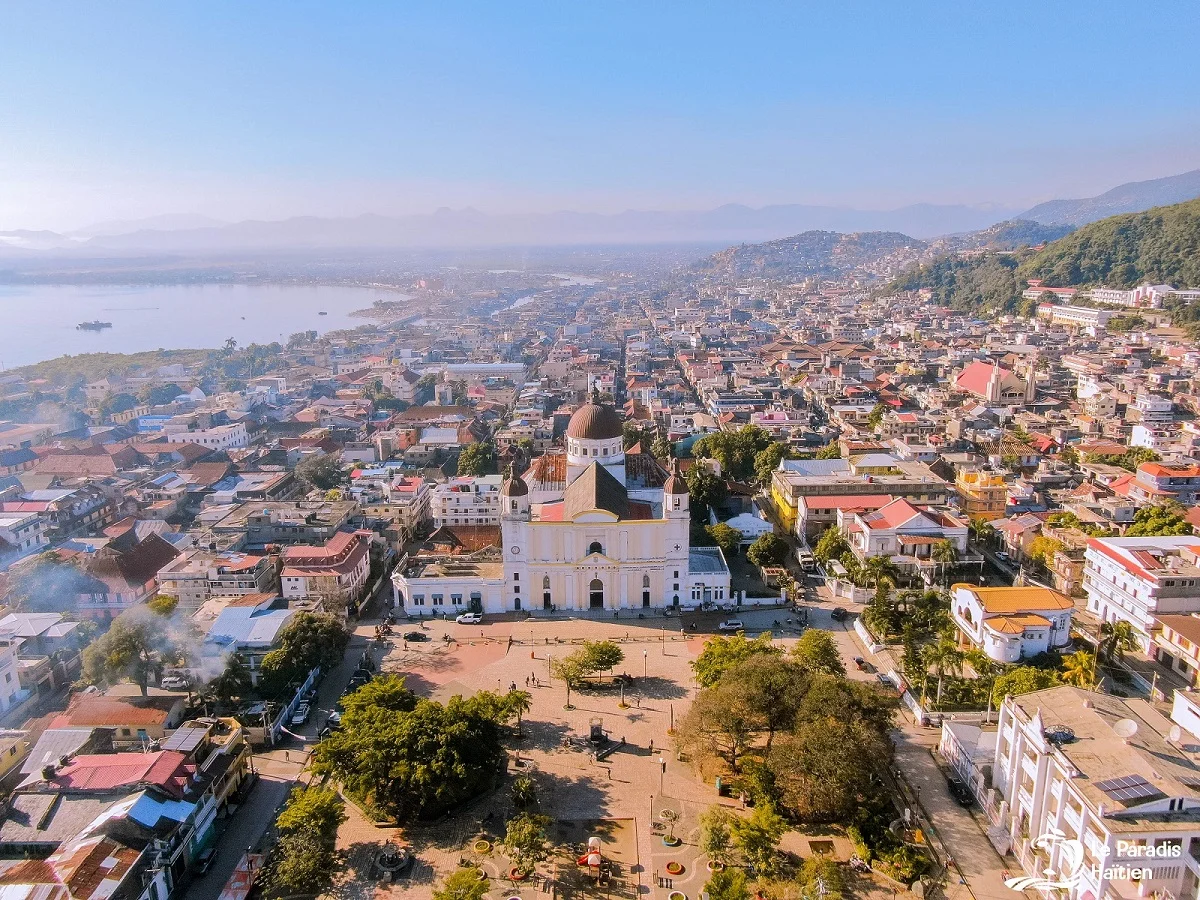
Haïti is blessed with spectacular natural landscapes, including white sand beaches, mountains and rich biodiversity.

Heritage

Heritage

Haïti has a rich historical heritage, including sites like the Citadelle Laferrière and the Sans-Souci Palace, listed as UNESCO World Heritage Sites.

Culture

Culture

Haïti has a rich and diverse culture, influenced by African, European and indigenous elements. Haitian music, dance, art and cuisine are celebrated around the world.

  • +
    • Post