Haiti, a country rich in history and culture, is divided into several administrative departments that structure its territory and reflect its geographical and cultural diversity. Each department has unique characteristics, contributing to the wealth of the nation. Discover the 10 departments of Haiti, their characteristics, and their role in the life of the country.
An overview of the administrative organization of Haiti
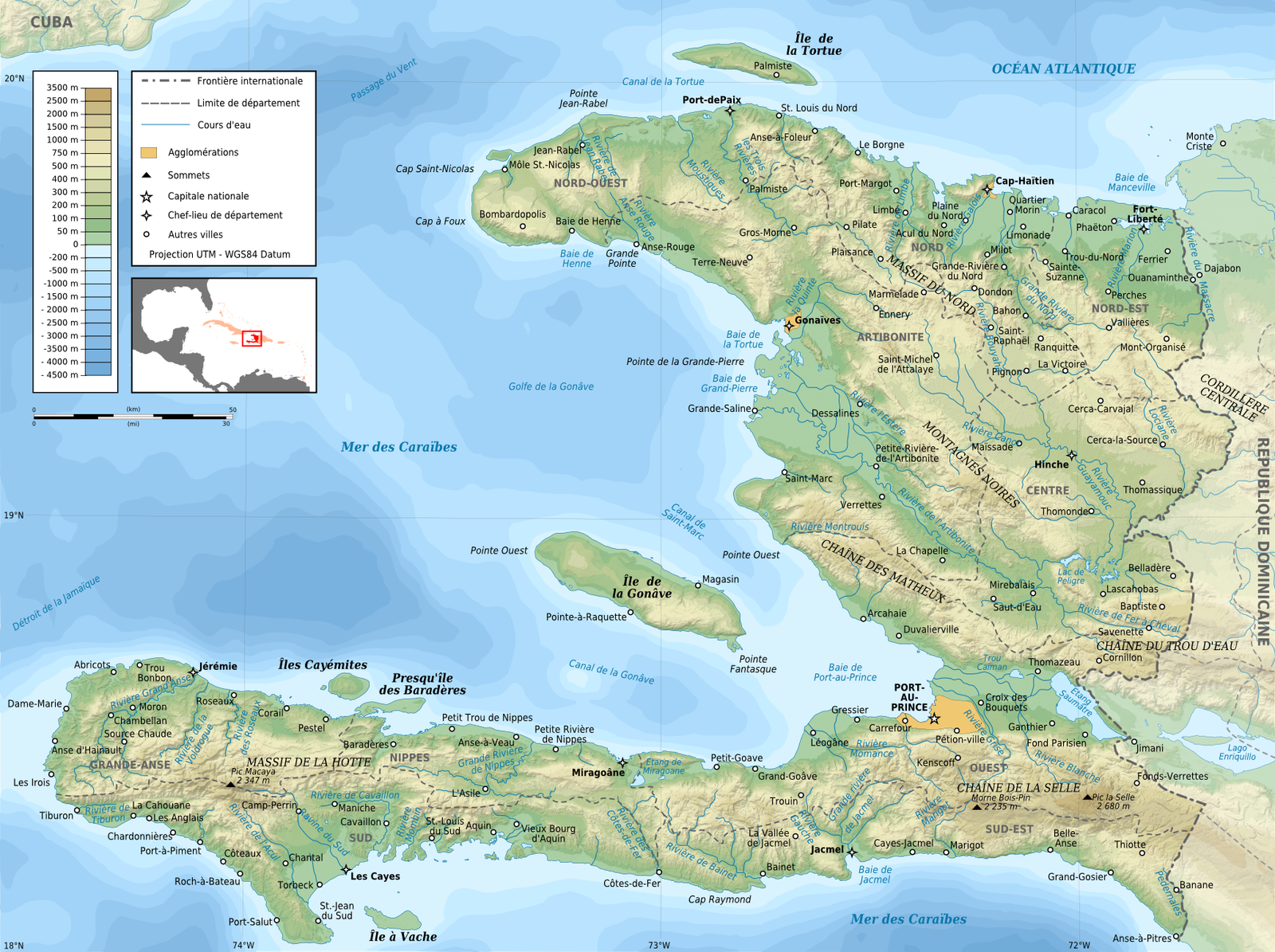
The country is divided into 10 departments, themselves subdivided into districts, communes and communal sections. This organization aims to facilitate territorial management and decentralization.
- Total area of Haiti: 27,750 km².
- Population: Approximately 12 million inhabitants, unevenly distributed between the departments.
Each department is a unique entity, characterized by its geography, economy and culture.
List of the 10 departments of Haïti and their capitals
Here are the Haitian departments, accompanied by their capitals:
1. Artibonite
- Capital: Gonaïves.
- Special feature: Known as the agricultural granary of Haïti thanks to its vast fertile plains.
- Area: 4,984 km², the largest department in the country.
2. Centre
- Capital: Hinche.
- Special feature: Renowned for its mountainous landscapes and water resources, including Lake Péligre.
3. Grand’Anse
- Capital: Jérémie.
- Special feature: Famous for its beaches and literary heritage, being the birthplace of many Haitian poets.
4. Nippes
- Capital: Miragoâne.
- Special feature: Created in 2003, it is one of the newest and least populated departments in Haiti.
5. North
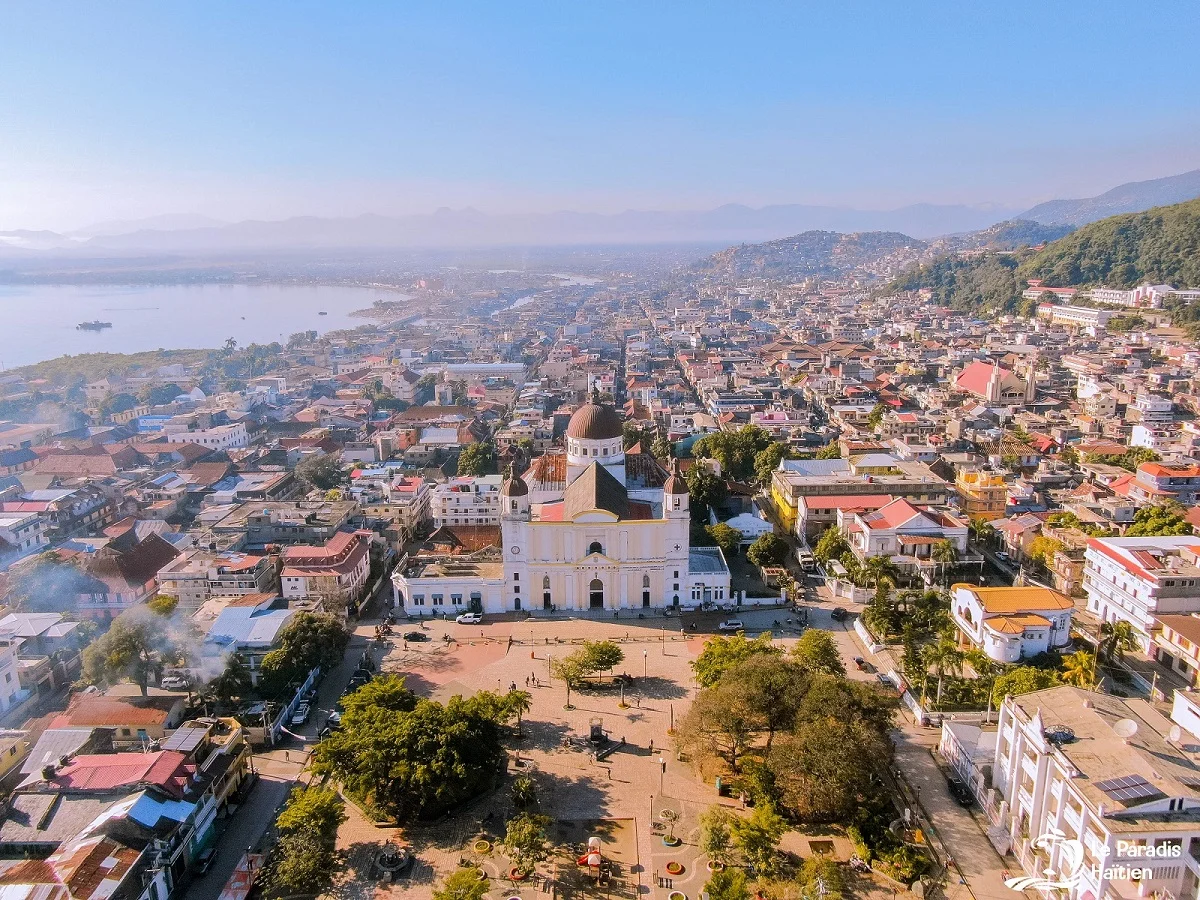
- Capital: Cap-Haïtien.
- Special feature: Home to the famous Citadelle Laferrière, a UNESCO World Heritage Site.
6. Northeast
- Capital: Fort-Liberté.
- Special feature: A department in full economic development thanks to its proximity to the Dominican Republic.
7. North-West
- Capital: Port-de-Paix.
- Special feature: Known for the islet of Tortue, which played a historical role in the pirate era.
8. West
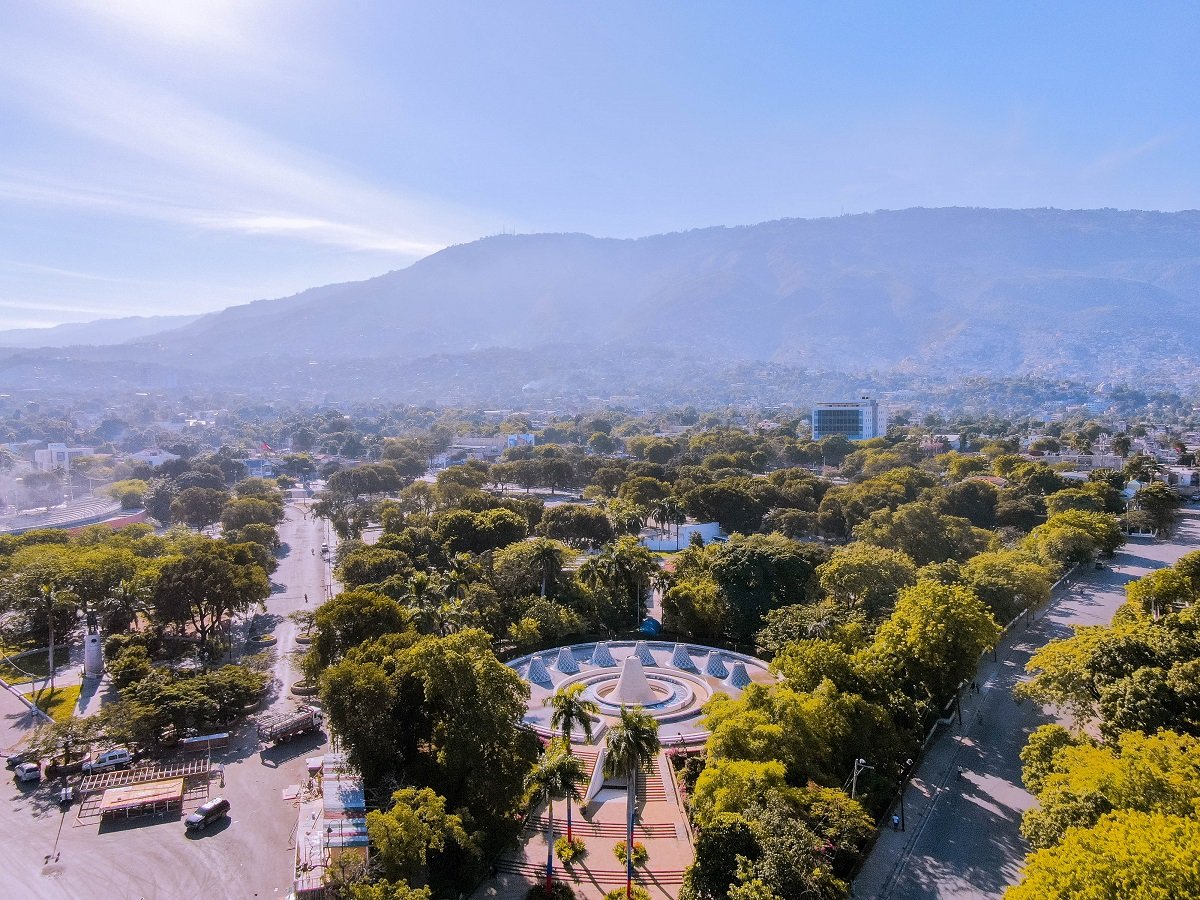
- Capital: Port-au-Prince.
- Special feature: The most populated department, home to the national capital and the main political and economic institutions.
9. South
- Capital: Les Cayes.
- Special feature: Known for its heavenly beaches and annual carnival.
10. South-East
- Capital: Jacmel.
- Special feature: Renowned for its artistic and cultural scene, as well as its colorful carnival.
- Largest department: Artibonite, with 4,984 km².
- Smallest department: North-East, with 1,805 km².
- Most populated department: West, with more than 4 million inhabitants.
- Least populated department: Nippes, with a lower density due to its rurality.
These departments reflect the geographical diversity of Haiti, between mountains, plains, coasts and forests.
Departments play a crucial role in organizing Haiti’s administrative, economic and social life:
- Administration: Each department is headed by a departmental delegate representing the central government.
- Economy: Natural resources and economic activities vary from one department to another (agriculture, tourism, fishing, crafts).
- Culture: Each region has its own traditions, music and festivities that enrich the national heritage.
This territorial structure is essential to meet local needs and strengthen community development.
A heritage to discover
Haiti’s departments, with their natural and cultural riches, are an invitation to explore the country in all its facets.
Have you ever visited a Haitian department? Share your experiences and impressions in the comments! Let yourself be inspired by this mosaic of regions that makes Haïti beautiful and strong.
First black nation to free itself from slavery and gain independence from France in 1804 and influenced other liberation movements around the world, inspiring struggles for freedom and equality.
Natural beauty
Haïti is blessed with spectacular natural landscapes, including white sand beaches, mountains and rich biodiversity.
Heritage
Haïti has a rich historical heritage, including sites like the Citadelle Laferrière and the Sans-Souci Palace, listed as UNESCO World Heritage Sites.
Culture
Haïti has a rich and diverse culture, influenced by African, European and indigenous elements. Haitian music, dance, art and cuisine are celebrated around the world.