Haïti - Jacmel and Cayes-Jacmel: What’s the difference?
The Southeast region of Haïti is a true treasure trove of landscapes and culture, where the cities of Jacmel and Cayes-Jacmel occupy a central place. Although they are geographically close and share many similarities, these two cities have distinct characteristics that make them unique. Discover in this article the main differences between Jacmel and Cayes-Jacmel, two must-see destinations to explore during your stay in Haiti.
Jacmel is undoubtedly one of the most emblematic cities in Haiti, renowned for its artistic heritage, its magnificent beaches and its historical atmosphere. Located approximately 100 kilometers south of Port-au-Prince, Jacmel is a cultural center where art, music and Haitian traditions blend.
It is nicknamed the “cultural capital” of the country because of its importance in the local art scene. With its art galleries, artisan workshops and legendary carnival, Jacmel is a place where creativity and culture vibrate on every street corner. Its colonial architecture, wooden houses and picturesque alleys also give it a timeless charm.
Cayes-Jacmel: A quiet charm with a view of the sea
Cayes-Jacmel, located about 20 kilometers southeast of Jacmel, is a small town often less frequented by tourists, but which offers an equally rich experience. In contrast to the bustle of Jacmel, Cayes-Jacmel stands out for its quieter and more intimate atmosphere.
The city is mainly known for its beautiful beaches and breathtaking natural landscapes. Cayes-Jacmel is also known for its relaxed atmosphere, ideal for those looking to escape the hustle and bustle of big cities.
One of the major differences between Jacmel and Cayes-Jacmel is the general atmosphere of each city.
- Jacmel is more lively and is the cultural center of the Southeast of Haiti, attracting visitors for its artistic events, rich history and unique architecture. The city is a true crossroads of Haitian culture, where every street corner reveals a new facet of art and creativity.
- Cayes-Jacmel, on the other hand, is more tranquil and is distinguished by its spectacular natural landscapes, calm beach and historical sites. It is an ideal destination for those looking to relax and enjoy the beauty of nature in complete serenity.
The two cities are relatively close to each other, making it easy to visit both during a stay in the region.
Jacmel can be reached by car from the capital, Port-au-Prince, in about 2 to 3 hours, while Cayes-Jacmel is only a 20-minute drive from Jacmel. This allows visitors to combine the cultural attractions of Jacmel with the peaceful landscapes of Cayes-Jacmel in the same trip.
Which to choose for your trip?
The choice between Jacmel and Cayes-Jacmel depends above all on your travel preferences.
If you are passionate about art, history, and are looking to explore Haitian culture in its most vibrant aspects, Jacmel is the ideal destination. It is a city full of energy, where every corner offers a new artistic experience.
If, on the contrary, you prefer a quieter environment, conducive to relaxation and contemplation of nature, Cayes-Jacmel will offer you this peaceful and intimate atmosphere.
Both cities have a lot to offer and are worth visiting, either separately or as part of the same trip.
Choose your adventure between Jacmel and Cayes-Jacmel
Whether you choose to get lost in the bustling streets of Jacmel or relax on the quiet beaches of Cayes-Jacmel, you will be sure to live an authentic and unforgettable experience. These two cities, each with their own character, contribute to making the Southeast of Haïti a unique destination for lovers of culture, history and nature.
If you have already visited Jacmel or Cayes-Jacmel, do not hesitate to share your experiences and advice in the comments below!
Share
About the Author
Appolon Guy Alain
Appolon Guy Alain
Full Stack Developer, Créatif, expérimenté, passionné des nouvelles technologies et de l’art.
First black nation to free itself from slavery and gain independence from France in 1804 and influenced other liberation movements around the world, inspiring struggles for freedom and equality.
Natural beauty
Haïti is blessed with spectacular natural landscapes, including white sand beaches, mountains and rich biodiversity.
Heritage
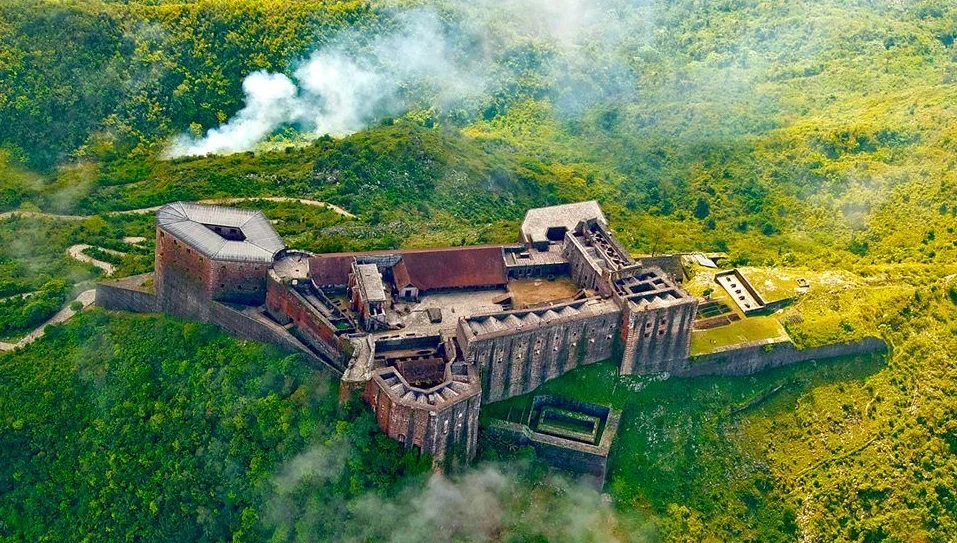
Haïti has a rich historical heritage, including sites like the Citadelle Laferrière and the Sans-Souci Palace, listed as UNESCO World Heritage Sites.
Culture
Haïti has a rich and diverse culture, influenced by African, European and indigenous elements. Haitian music, dance, art and cuisine are celebrated around the world.