Haiti, a country rich in history, culture and natural beauty, often raises questions about its geographical location. Where is this vibrant country that makes the heart of the Caribbean beat? Let’s discover together the continent to which Haïti belongs and the specificities of its geographical position.
Haïti is located on the American continent, more precisely in North America. Although many associate Haïti with the Caribbean region, it is geographically integrated into the North American continental plate.
However, it is important to note that the Caribbean, a region grouping several islands and archipelagos, is often considered a distinct sub-region of America.
Haïti occupies the western part of the island of Hispaniola, which it shares with the Dominican Republic. The island is located in the Caribbean Sea, a vast body of water surrounded by North America, Central America, and South America.
Haïti is surrounded by:
- The Atlantic Ocean to the north.
- The Caribbean Sea to the south.
- The Dominican Republic to the east.
- The Windward Channel to the west, which separates it from Cuba.
Its strategic position has played an important role in its history and development, making it a point of contact between the Americas, Europe, and Africa.
Haiti, as the world’s first independent black country and the first independent republic in the Caribbean, has a history that is fully inscribed in that of America. Its revolution, which led to independence in 1804, had repercussions throughout the region and beyond.
In addition, Haïti has always been a cultural and historical bridge between the African, European and American continents, due to its colonial past and the transatlantic slave trade.
4. A Caribbean culture rooted in the American continent
Although belonging to the American continent, Haïti is distinguished by its unique Caribbean culture, shaped by a mixture of African, European and indigenous influences. Its music, gastronomy, traditions and language reflect this hybrid identity that enriches the continent’s heritage.
Haïti is an active member of several regional organizations, such as:
- The Caribbean Community (CARICOM), which brings together the Caribbean nations.
- The Organization of American States (OAS), which includes the countries of the American continent.
These affiliations reflect Haiti’s belonging to both the Caribbean world and the American continent as a whole.
To answer the question “What continent is Haïti on?”, it is important to remember that Haïti is part of North America while being deeply rooted in Caribbean culture. Its geographical position, history and cultural richness make it a unique country, at the crossroads of the Americas and the Caribbean.
Whether you are attracted by its heavenly beaches, its vibrant culture or its fascinating history, Haïti is a destination that continues to inspire and captivate all those who discover it.
Share
About the Author
Appolon Guy Alain
Appolon Guy Alain
Full Stack Developer, Créatif, expérimenté, passionné des nouvelles technologies et de l’art.
First black nation to free itself from slavery and gain independence from France in 1804 and influenced other liberation movements around the world, inspiring struggles for freedom and equality.
Natural beauty
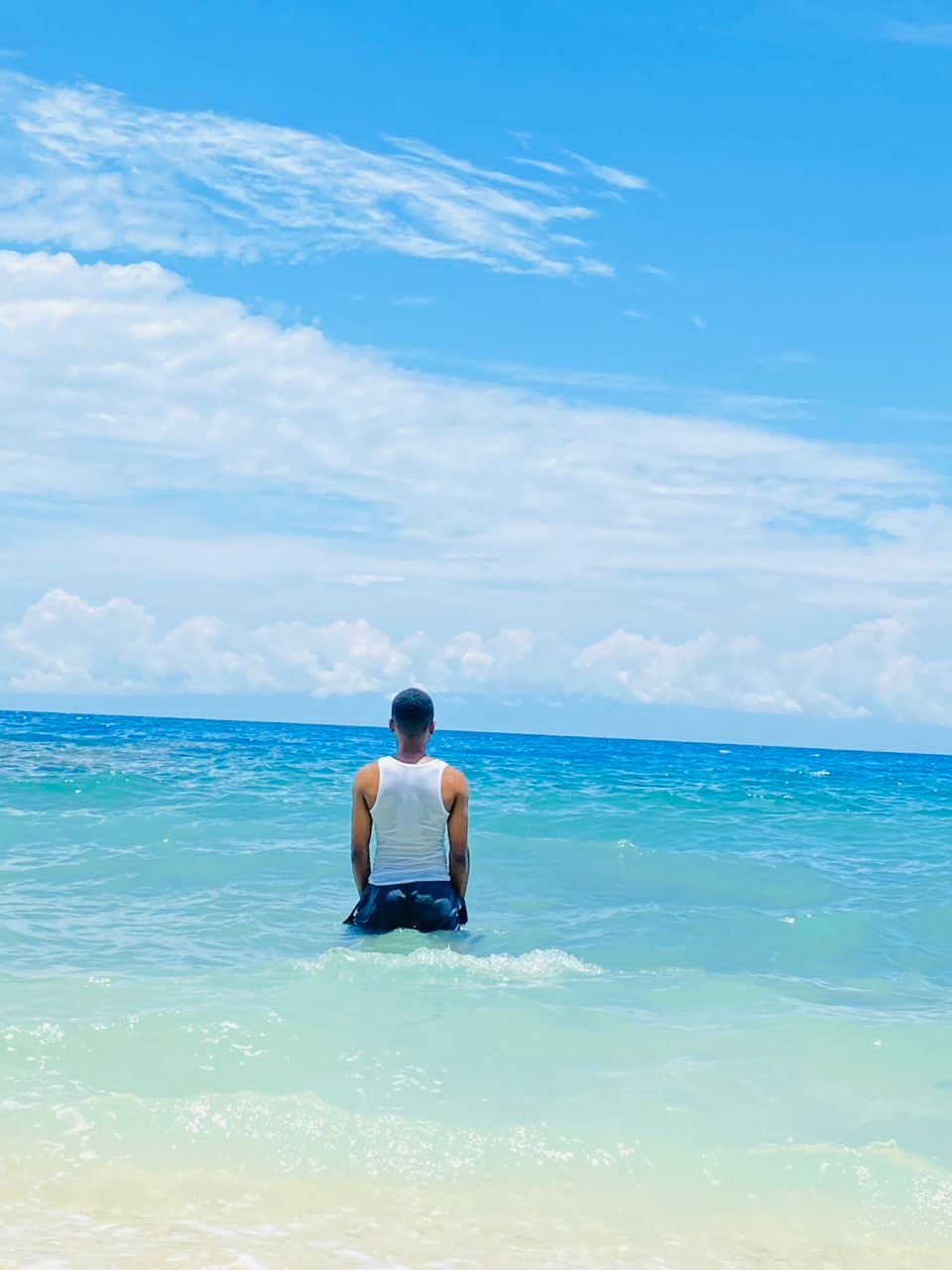
Haïti is blessed with spectacular natural landscapes, including white sand beaches, mountains and rich biodiversity.
Heritage
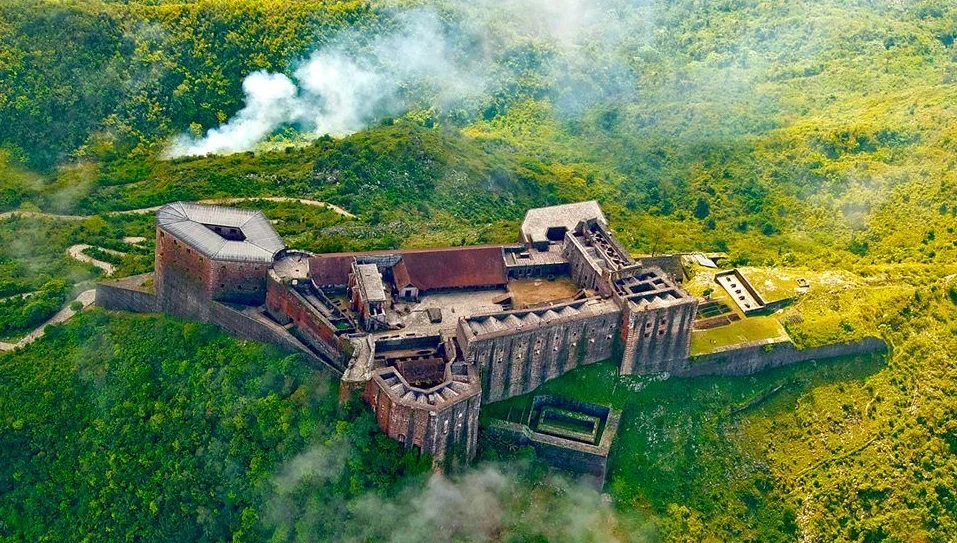
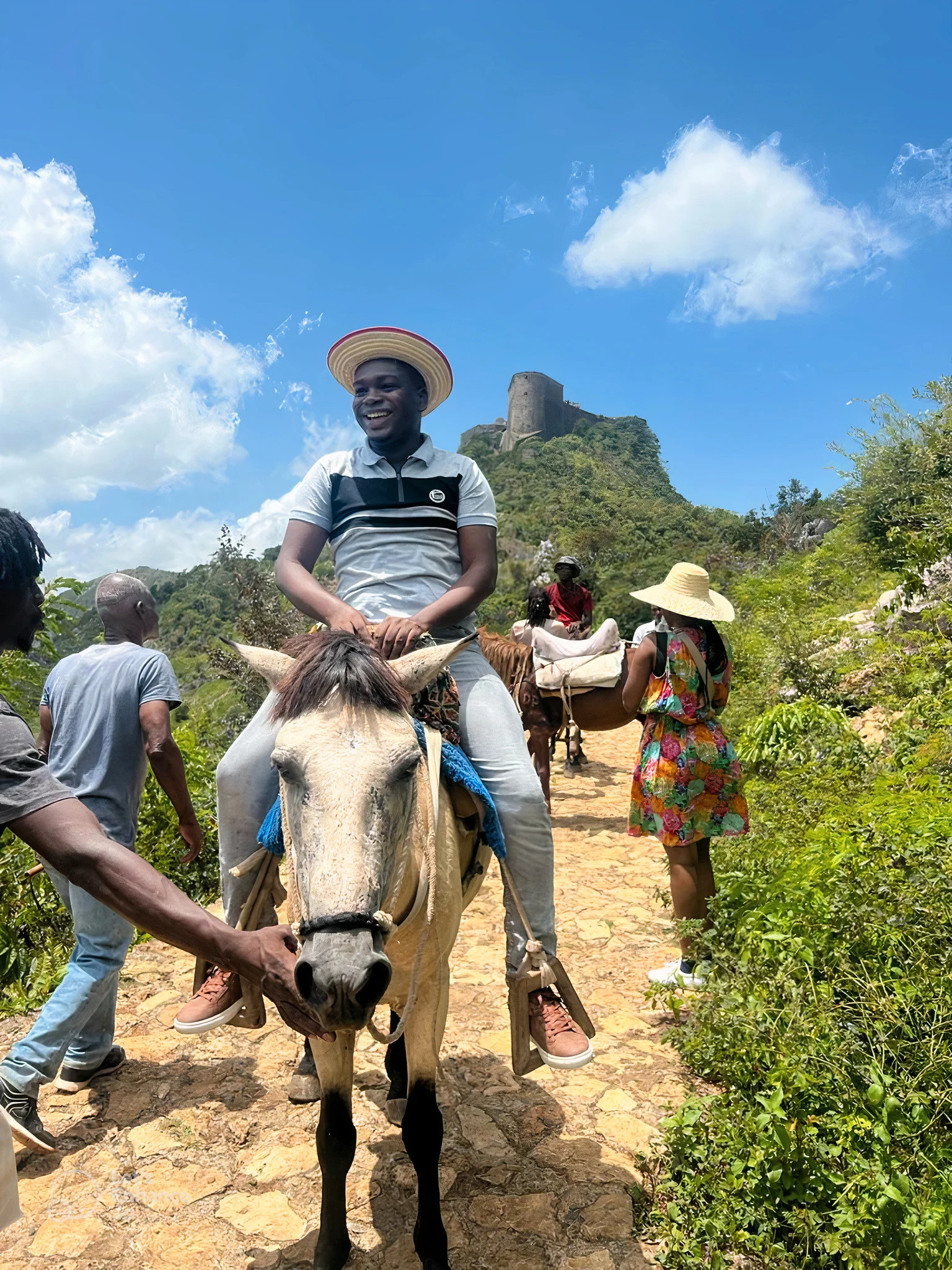
Haïti has a rich historical heritage, including sites like the Citadelle Laferrière and the Sans-Souci Palace, listed as UNESCO World Heritage Sites.
Culture
Haïti has a rich and diverse culture, influenced by African, European and indigenous elements. Haitian music, dance, art and cuisine are celebrated around the world.