Haïti is much more than a Caribbean island. It is a country rich in history, culture, gastronomy, and nature. Behind the challenges it has faced, Haïti shines with its unique heritage and major historical role. Here are seven fascinating facts that show why Haïti is a land of pride.
Haïti entered world history on January 1, 1804, by becoming the first independent black republic and the second nation in the Americas to free itself from European colonization, after the United States. This feat was the result of the Haitian Revolution, a struggle led by African slaves under the leadership of leaders such as Toussaint Louverture, Jean-Jacques Dessalines, and Henri Christophe.
The Battle of Vertières, on November 18, 1803, was instrumental in this historic victory. This triumph upended the global colonial order and inspired other freedom struggles. Approximately 500,000 slaves were emancipated, making Haïti a global symbol of hope and social justice.
Today, this victory is celebrated every January 1st, not only as a national holiday, but also as a reminder of the resilience and determination of the Haitian people.
2- A Nation Engaged in Other Independence Struggles
After gaining its independence, Haïti played a vital role in other freedom struggles. In 1815, Haitian President Alexandre Pétion supported Simon Bolivar in his quest to free several Latin American nations from Spanish colonial rule.
Haïti provided Bolivar with weapons, soldiers, and supplies. In return, Pétion asked him to abolish slavery in the countries he liberated, a condition that reflects Haiti’s humanist values. This gesture of solidarity is a testament to Haiti’s contribution to the global history of justice and human rights.
This international role also allowed Haïti to become a refuge for African-American and Caribbean communities seeking to escape oppression in the 19th century.
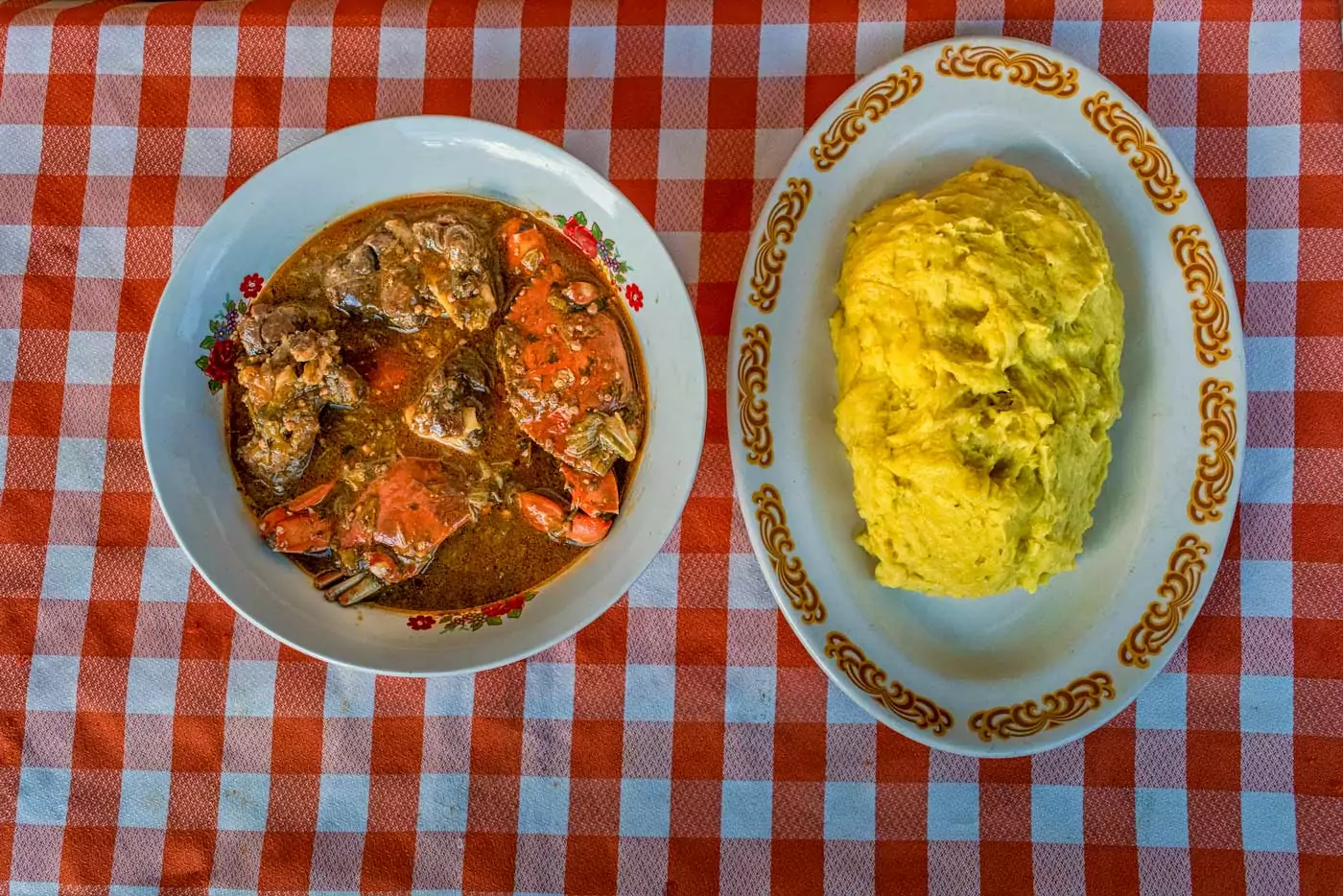
Haitian cuisine is a blend of African, French, Caribbean and Taíno traditions, offering a unique gastronomic experience. Iconic dishes such as djon djon rice (prepared with local black mushrooms), griot (marinated and fried pork) and soup joumou (squash soup) are not only delicious, but also deeply rooted in the country’s history and culture.
Soup joumou, which symbolizes freedom and independence, was inscribed as a UNESCO intangible cultural heritage in 2021. Every year, on January 1st, millions of Haitian families enjoy it to celebrate independence.
Haïti is also famous for its sweets such as dous makòs, the syrup candy and its traditional drinks such as crémas and akasan, which delight gourmands.
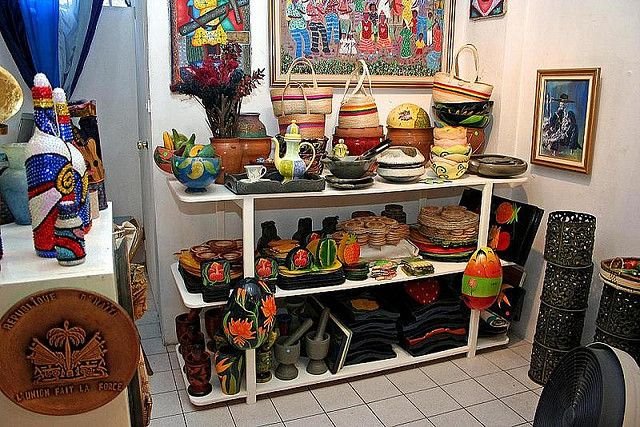
Haitian culture is a unique blend of African, European and indigenous influences. It is manifested in its dances, music, visual arts and oral traditions. The compas direct, a musical genre invented by Nemours Jean-Baptiste in 1955, is one of the country’s most precious legacies.
The Haitian Carnival, one of the largest cultural events in the Caribbean, is a vibrant celebration with colorful costumes, lively music, and spectacular parades. In addition, writers like Jacques Roumain and artists like Hector Hyppolite have placed Haïti on the world cultural map.
Haïti is also the land of voodoo, a spirituality that, despite prejudices, is recognized for its philosophical depth and importance in the daily lives of Haitians.
5- A Historical Heritage Classified as a World Heritage Site
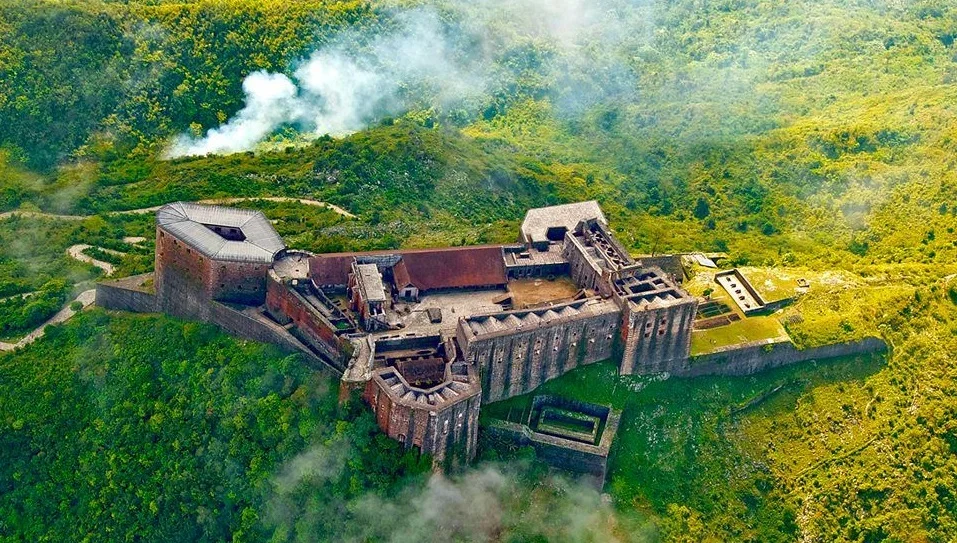
Haïti is home to historical monuments of global importance. The Citadelle Laferrière, the largest fortress in the Caribbean, was built to protect the young republic against a possible French invasion. Listed as a UNESCO World Heritage Site, it is a symbol of the Haitian people’s determination to preserve their freedom.
The Sans Souci Palace, the former royal residence of King Henri Christophe, and Les Ramiers, an archaeological site, also bear witness to the greatness and ingenuity of Haitians after independence. These places attract thousands of visitors each year and reinforce Haiti’s position as a cultural tourist destination.
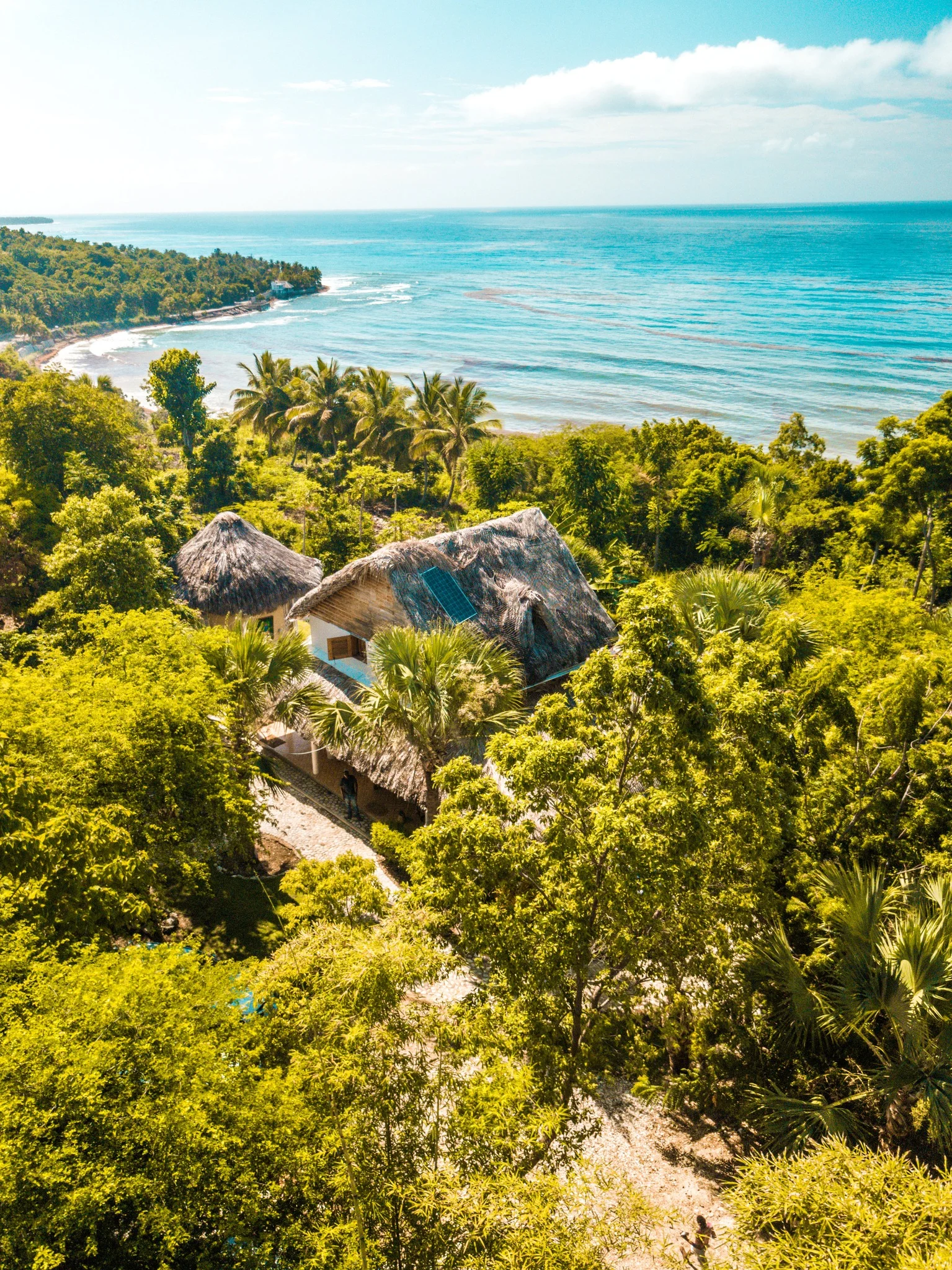
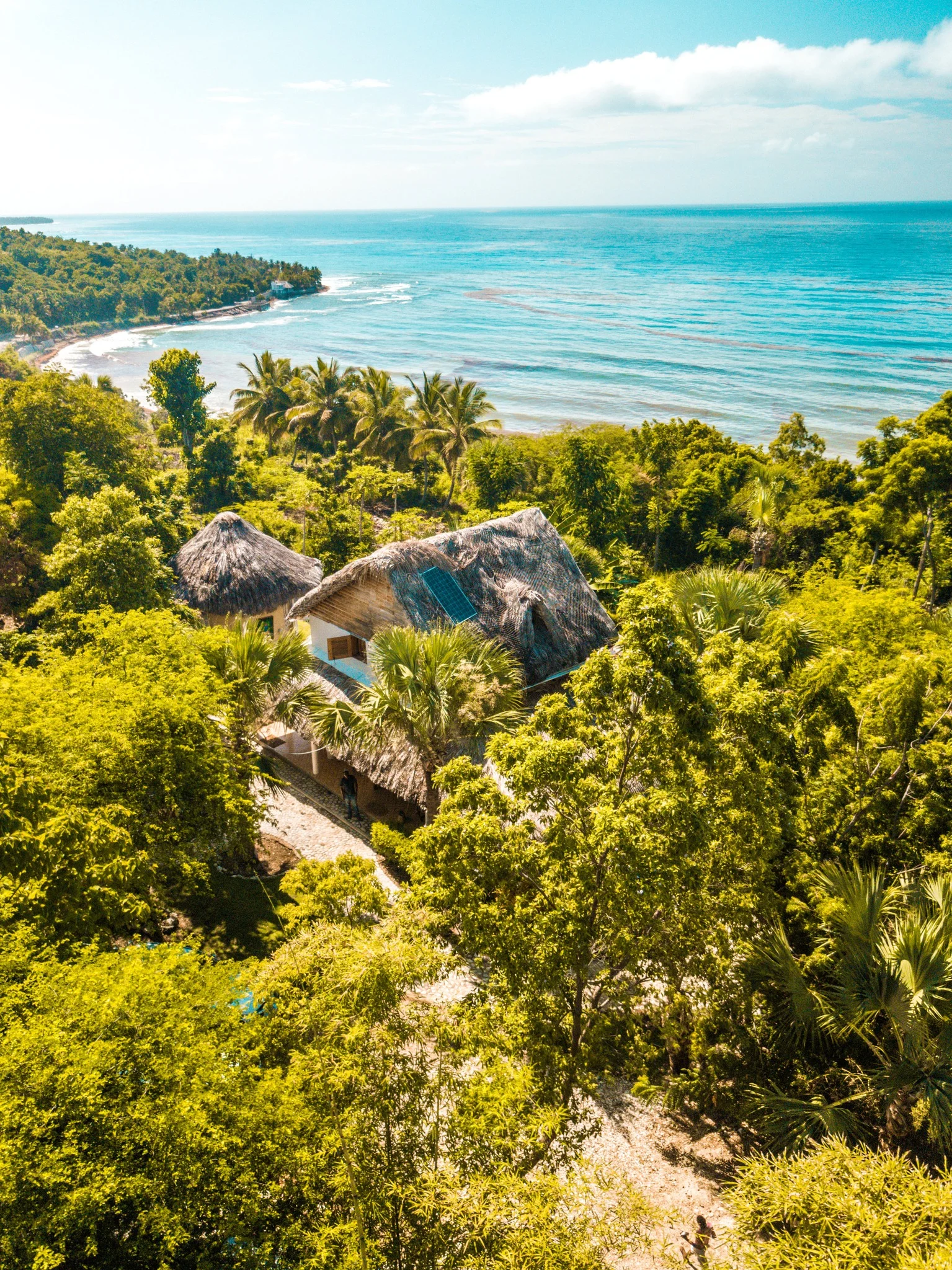
With an average temperature of 27°C, Haïti enjoys a tropical climate that attracts visitors from all over the world. Its white sand beaches, such as those of Labadie, and its turquoise waters offer a heavenly setting.
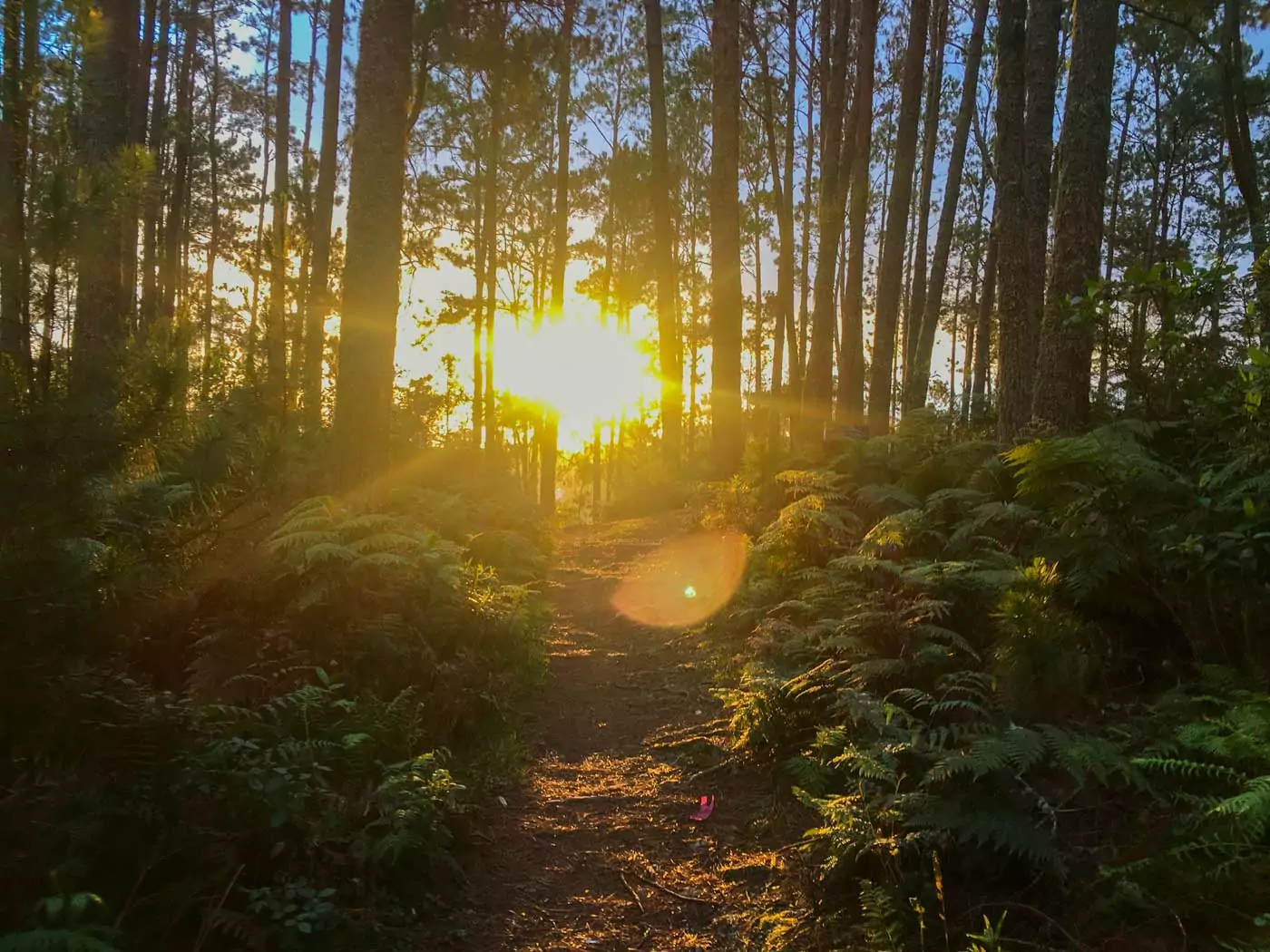
Aside from the beaches, natural sites such as the Bassin Bleu and the Saut-d’Eau waterfall are perfect for hiking and discovery enthusiasts. This sunny climate, combined with the country’s exceptional biodiversity, makes Haïti a dream destination for nature lovers.
Haïti has enormous potential with natural resources such as gold, copper and bauxite. The country also exports agricultural products such as coffee, mango (of which it is one of the world’s leading producers) and cocoa.
These resources offer an opportunity for sustainable development. With reforestation projects and local initiatives to protect the environment, Haïti is focused on the responsible exploitation of its natural resources.
Haiti, Land of Wealth and Pride
Haiti, rich in its history, culture and nature, is a source of global inspiration. Behind the challenges, the country continues to reinvent itself and shine through its resilience and uniqueness. If you know other fascinating aspects of this exceptional land, share them in the comments to celebrate together the greatness of Haiti!
Share
About the Author
Appolon Guy Alain
Appolon Guy Alain
Full Stack Developer, Créatif, expérimenté, passionné des nouvelles technologies et de l’art.
First black nation to free itself from slavery and gain independence from France in 1804 and influenced other liberation movements around the world, inspiring struggles for freedom and equality.
Natural beauty
Haïti is blessed with spectacular natural landscapes, including white sand beaches, mountains and rich biodiversity.
Heritage
Haïti has a rich historical heritage, including sites like the Citadelle Laferrière and the Sans-Souci Palace, listed as UNESCO World Heritage Sites.
Culture
Haïti has a rich and diverse culture, influenced by African, European and indigenous elements. Haitian music, dance, art and cuisine are celebrated around the world.




























I look forward to visiting your beautiful country when my husband is home and the other wrongfully convicted veterans.
September 02, 2026 - 07:08:34 PM