contact@haitiwonderland.com+509 36184317

Discover

Shopping Cart

History of Haiti: From 1492 to 2024

History of Haiti: From 1492 to 2024

Several centuries ago, in the heart of the Atlantic Ocean, an island of captivating beauty and incredible wealth, called Hispaniola, attracted the attention of the world’s powerful. Discovered by Christopher Columbus in 1492, the island became the center of covetousness. But the colonial powers did not yet know that the island concealed within it an indomitable people. The Tainos, the first inhabitants, resisted the invader with the spirit of freedom. They were crushed, but their untamed spirits persisted in the wind, in the earth, and, much later, in the dreams of the African slaves who would come.

Centuries pass and, under the merciless yoke of the French colonists, the island is transformed into a vast field of sugar cane, cultivated by the hands of slaves from Africa. These men and women, deported against their will, carry within them the hope of one day freeing themselves, of breaking the chains of oppression. And it is this dream, this sacred fire, which will burst forth in a revolt so great that it will mark the history of the world forever.

Haïti
Haïti
Haïti

The Revolt

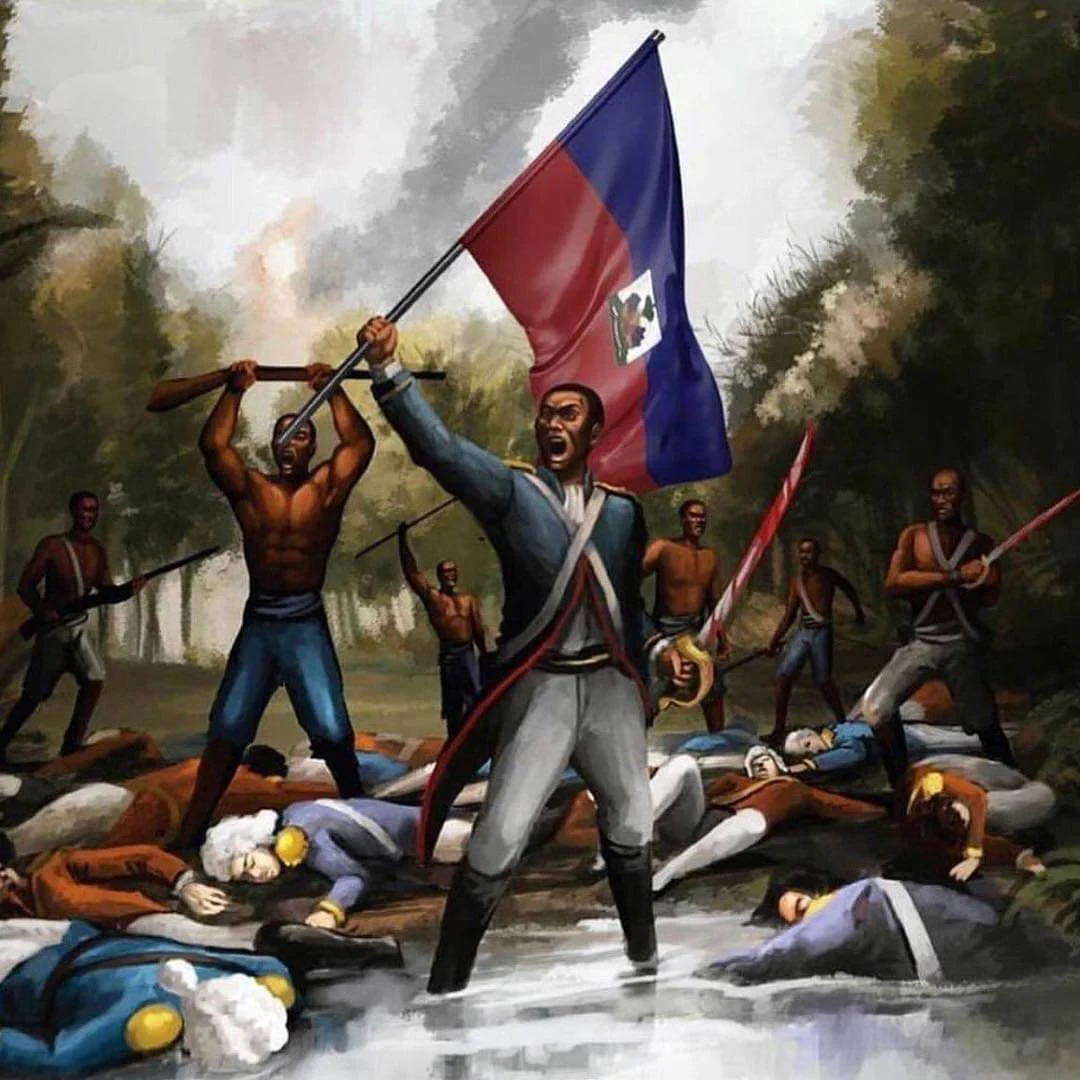
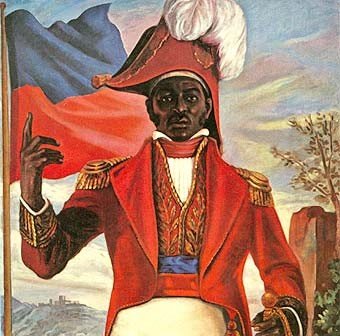
At the turn of the 18th century, the land of Haïti is ablaze. The slave Toussaint Louverture, born from the shadows and silence, sees in himself a call he cannot ignore: that of freedom. He was not born to be a simple servant, but to lead his people to victory. A revolt breaks out, at first discreet, then devastating. The wind of the ancestors blows on the mountains, and an oppressed people rises up against their oppressors.

The French armies, formed and trained, are taken by surprise by slaves who have become warriors. Toussaint Louverture, at the head of this insurrection, orchestrates epic battles where bravery and cunning mingle. His stratagems, his alliances with other nations, and his unequaled charisma make him a legendary hero. He fights not only for his people, but for the very idea of ​​freedom. Haiti’s revolutionary army will stop at nothing. After years of fierce fighting, after facing French, Spanish and British forces, Haiti, in 1804, announces to the world that it is free. It is the first nation to abolish slavery, to offer a future to the oppressed of all lands.

Haïti
Haïti
Haïti

The Foundation of a Dream: Haiti, Eternal Nation

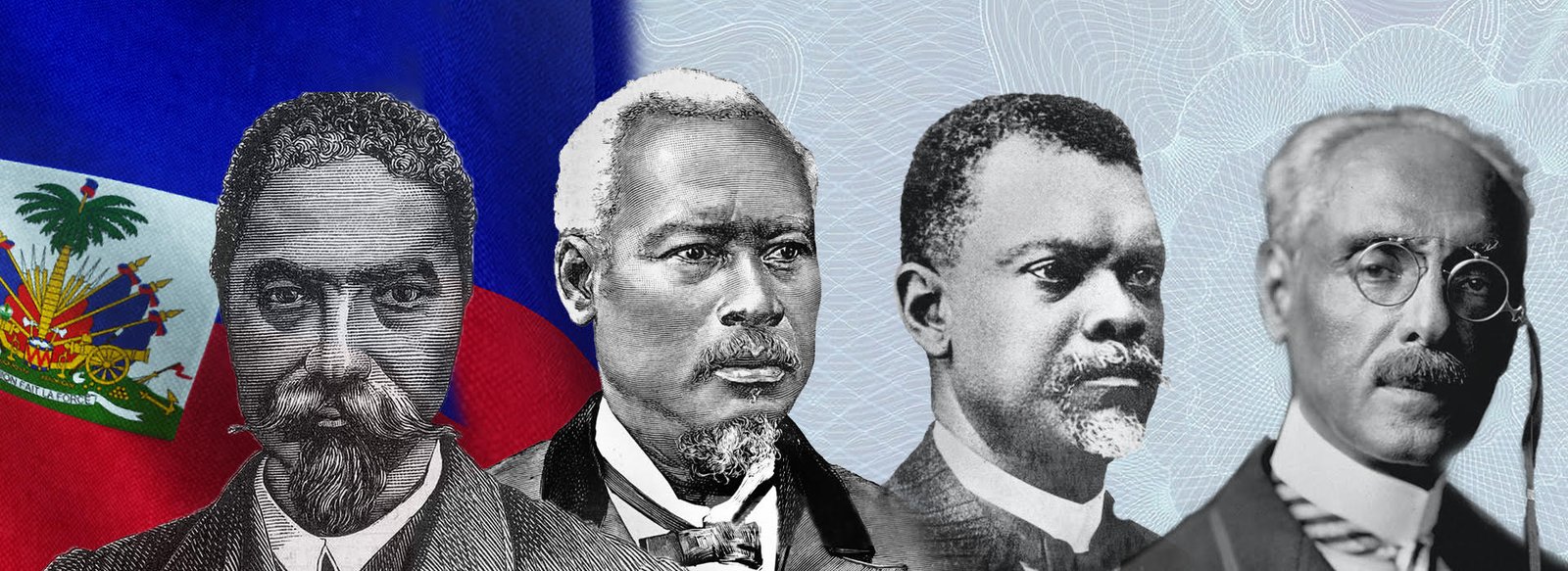
On January 1, 1804, the world witnesses the birth of a new nation, a nation forged in blood and freedom. Haïti is not only a country; it is a symbol. A beacon of light for the oppressed, an example that struggle can lead to victory. The heroes of this revolution, like Jean-Jacques Dessalines and Henri Christophe, are immortalized, their courage become legendary.

Haiti, a very young nation, is built on the ideals of equality, justice and fraternity. Yet the trials are only just beginning. The colonial powers, vexed and humiliated, seek to smother the flame of independence. France, in a final act of vengeance, imposes a colossal debt, a price for freedom that the country will have to pay. But, even crushed under this heavy burden, the Haitian nation does not waver.

Haïti
Haïti
Haïti

Tales of Adversity: A Nation Forged by Combat

Over the following centuries, Haïti goes through trials worthy of the greatest epics. Dictatorships that seem to plunge the country into darkness, earthquakes that shake the very foundations of the earth. But with each trial, with each sorrow, the Haitian people rise again. They rise again, like a Phoenix rising from its ashes. Haiti, a land of dreams and struggle, remains standing against the devastating winds of history.

In the 1980s, the Haitian people, fueled by the spirit of resistance, brought down the tyranny of the Duvaliers. The streets of Port-au-Prince echoed with the songs of freedom regained. Haïti knows no fear, because it knows that it was forged in war and revolt. No obstacle can ever extinguish the flame of independence that burns in the heart of every Haitian.

Haïti
Haïti
Haïti

Today: Haiti, A Model of Resilience and Hope

Today, Haïti still bears the scars of its past, but it is a living testimony to the human capacity to overcome adversity. Haitians, strong in their history, are building a future on solid foundations: hope, solidarity and the infinite beauty of their culture. The music, the art, the dance, all speak of a nation that lives, that dreams, that refuses to submit.

Haïti is a living legend, a legend that continues to be written every day. From its magnificent beaches to its majestic mountains, every corner of this land tells a story of courage, sacrifice, and victory. The legend of Haïti is that of a people who, in the face of oppression, stood up and said: "We are free, and nothing and no one can ever take away our freedom."

Haïti is not just a country. It is an eternal legend. And as long as the spirit of its ancestors lives, Haïti will shine like an indomitable star in the sky of history.

Share
About the Author
Appolon Guy Alain
Appolon Guy Alain
Appolon Guy Alain

Full Stack Developer, Créatif, expérimenté, passionné des nouvelles technologies et de l’art.

See other articles from Appolon Guy Alain
Ted Saphire

You listed all the European invaders. Why did you avoid mentioning the United States? From 1915 to 1932, the US controlled Haiti. Many thousands of Haitian freedom fighters were killed, and many hundreds of villages were burnt to the ground. That is astounding, considering the bravery of Haitians who refused to surrender because they wanted their autonomy back.

May 04, 2026 - 02:22:47 AM
Leave a comment

Recently Posted

Haiti: Flora and Fauna

Haiti, located on the western part of the Caribbean island of Hispaniola, is often associated with its rich and complex history. However, beyond its cultural and historical aspects, Haïti is home to a remarkable diversity of fauna and flora that deserves to be explored and preserved. This article highlights the ecological wealth of Haiti, emphasizing its unique flora and fauna. Fauna: Haïti is home to a variety of animal species, some of which are endemic to the island. The country’s tropical rainforests are home to a great diversity of birds. The rugged mountains provide suitable habitat for rare species. The waters surrounding Haïti are also rich in biodiversity. Colorful corals, tropical fish and sea turtles find refuge in the coral reefs along the coast. Conservation efforts are crucial to protect these fragile marine ecosystems and preserve marine life. Flora: Haiti’s landscapes are adorned with a wide variety of plants and flowers. The tropical rainforests are home to majestic trees, the Hispaniola pine and the gum tree. These forests play an essential role in climate regulation and the preservation of biodiversity. The coastal plains are dotted with palm trees, including Haiti’s iconic royal palm. Botanical gardens, such as the Jardin Botanique des Cayes, are havens of greenery where you can admire a wide variety of tropical plants, some of which are endemic to the region. Haiti, with its unique flora and fauna, is an ecological gem that deserves to be preserved for future generations. Awareness, conservation and sustainable development are key elements to ensure the survival of this natural wealth. By investing in the protection of its environment, Haïti can not only preserve its ecological heritage, but also promote sustainable tourism and strengthen the resilience of its ecosystems in the face of current global challenges.

Newsletter

Subscribe to our newsletter to stay informed of all our activities and news on Haiti.

Christmas in Haiti: Between Magic, Discoveries and Delicacies

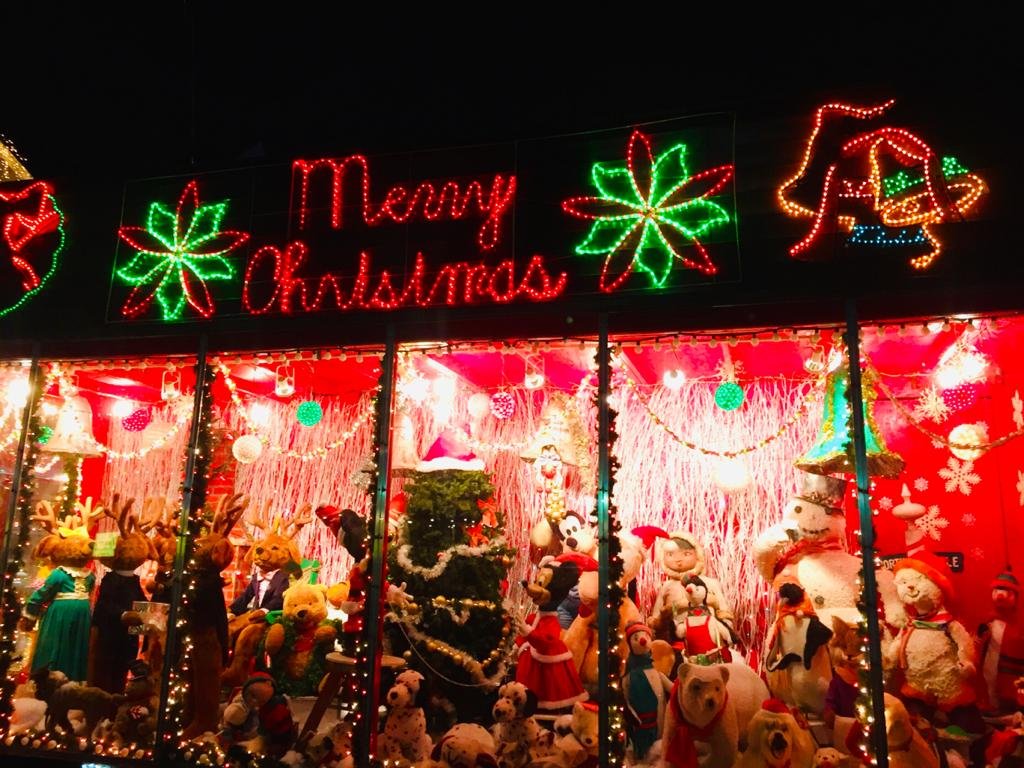
The joyful ringing of bells echoes through the streets of Haïti as the holiday season approaches. Christmas is a magical time when the streets light up, families gather and a warm atmosphere invades the island. Between traditions, cultural discoveries and gourmet feasts, Christmas in Haïti promises a unique experience. b~The Magic of Lights and Decorations~b From the beginning of December, Haïti is adorned with sparkling lights and festive decorations. The markets come alive with shimmering garlands, twinkling stars and ornate fir trees. The streets of Port-au-Prince in Jacmel shine with a special magic, inviting locals and visitors to immerse themselves in the festive spirit. b~Haitian Traditions at Christmas~b Christmas in Haïti is celebrated with a unique combination of religious traditions and local customs. Midnight Mass is a deeply rooted tradition, drawing worshipers to churches to celebrate the birth of Jesus in a vibrant atmosphere of song and prayer. A popular tradition is the "Dawn Mass" which takes place at dawn on December 25. The faithful gather to welcome Christmas Day with special fervor, testifying to the deep spirituality that permeates the festivities. The festivities are not limited to churches. Street parades, folk dances and concerts are commonplace, creating a joyful atmosphere throughout the country. Traditional Haitian music, such as direct compass and voodoo, adds a special dimension to these celebrations. b~Cultural Discoveries: Haitian Crafts~b Christmas is also an ideal opportunity to discover unique Haitian crafts. Christmas markets offer a variety of handicrafts, such as wooden sculptures, vivid paintings, wrought iron items and traditional jewelry. These works of art reflect the artistic talent of the Haitian people and provide unique and meaningful gifts. Local markets, such as the Ferrier market in Cap-Haitien and the Jacmel market, are essential places to discover the authenticity of Haitian crafts. These purchases also help support local artists and the community economy. b~Gourmet Feasts: Christmas Cuisine~b Christmas in Haïti is also a gastronomic celebration. Families gather around festive tables laden with traditional culinary delights. “Joumou soup”, a pumpkin soup, is an essential specialty of the holiday season. Pork, lamb and chicken dishes are also common, accompanied by rice and local vegetables. Traditional desserts, such as “Pen patat” and “Tablèt Pistach,” add a sweet touch to the celebration. Tropical fruits, such as mangoes and bananas, are also often present on Christmas tables, recalling the richness of Haitian biodiversity. Christmas in Haïti is a vibrant celebration that blends the magic of lights, religious traditions, local crafts and delicious cuisine. It is a time when joy and generosity are in the spotlight, and when Haitians open their hearts to share the magic of the season with the world.

Petit-Goave, Haiti: Decryption of the 3rd rara weekend!

It is more and more obvious that in Petit-Goave the media space is absorbed by the rivalry between Ratyèfè, triple champions and lambi gran lambi dlo, a former champion. The past weekend was once again irrefutable proof of the media tension over these two rival bands. With a carnival-like appearance, the fan club of the first dressed in a white shirt, short orange-yellow skirt, purple tie, black boot; the other dressed in a traditional hat, yellow jersey, red pants, red or yellow tennis shoes. This marriage of colors with the taste of carnival is the expression of cultural diversity as La Fontaine said in his book tales and short stories "diversity is my motto." This formula can adapt well to the rara. If it is true in Léogane this marriage of color has existed for ages. It is no less true that this was the case in Petit-Goave because we had to wait for the strong return of Ratyèfè in 2018 to see the rara fan clubs dress differently each new weekend. Last Saturday more than one expected a new face to face between Lambi gran dlo and Ratyèfè because the latter weighed anchor in the direction of the 2nd plain and the latter, in the direction of the city center. Less than in any other circumstance, this duel at the top was obvious. If for some comments it was a favorable opportunity for Lambi to take his revenge on his rival compared to the previous weekend because he had done the profile although he had the advantage because he was two against one. (Lambi,chenn tamarin vs Ratyèfè). This enormous advantage did not work in their favor because the hours that had passed worked against them, as proof they had gone to sleep while ratyèfè remained to play for at least 30 more rounds. Surprisingly but not surprisingly during the meeting long awaited by less than one, at the Acul not far from the Saint Jean-Baptiste church, lambi had decided not to play anymore. However, according to the customs and costumes of the rara when there are two bands, the one who stops playing first, shows weakness and surrender. Consequently, the other who is opposite out of decency and good morals has no other choice to do the same. It follows that for the umpteenth time the great power formation (lambi grand dlo) was unable to take revenge on its rival. For many cultural journalists who were present to witness this event did not have their tongue in their pocket to give their impression of Ratyèfè’s monster performance. This is the case for Brignol, a cultural commentary which wondered if Ratyèfè had the devil in his body so that the most incredulous were in their feeling of joy. On Sunday evening this monster of animation once again made its mark in the art of its know-how. This is what explains the almost unanimity among the cultural journalists of Petit-Goâve in granting first place to this band for its performance and its musical discipline. So, for this weekend according to the circle of cultural journalists of Petit-Goave and with the approval of many other cultural comments. We have the following classification: 1st Ratyèfè 2nd Grap Kenèp 3rd Orgueil de la jeunesse

Recently Posted

History

History

First black nation to free itself from slavery and gain independence from France in 1804 and influenced other liberation movements around the world, inspiring struggles for freedom and equality.

Natural beauty

Natural beauty

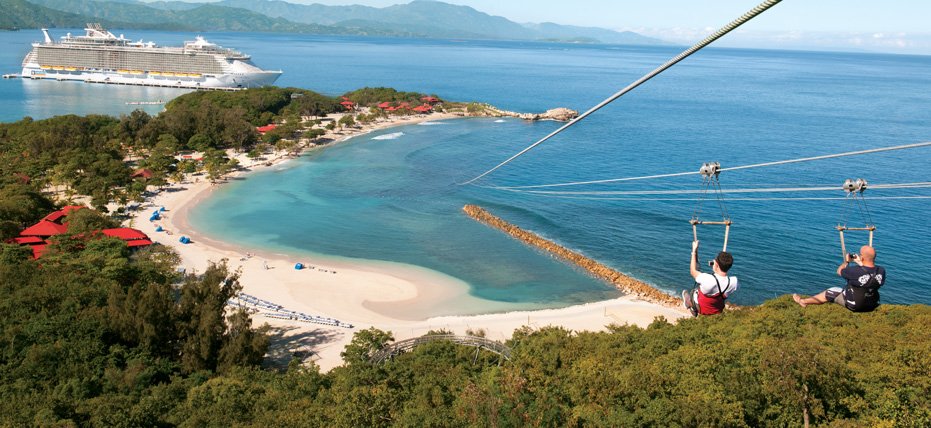
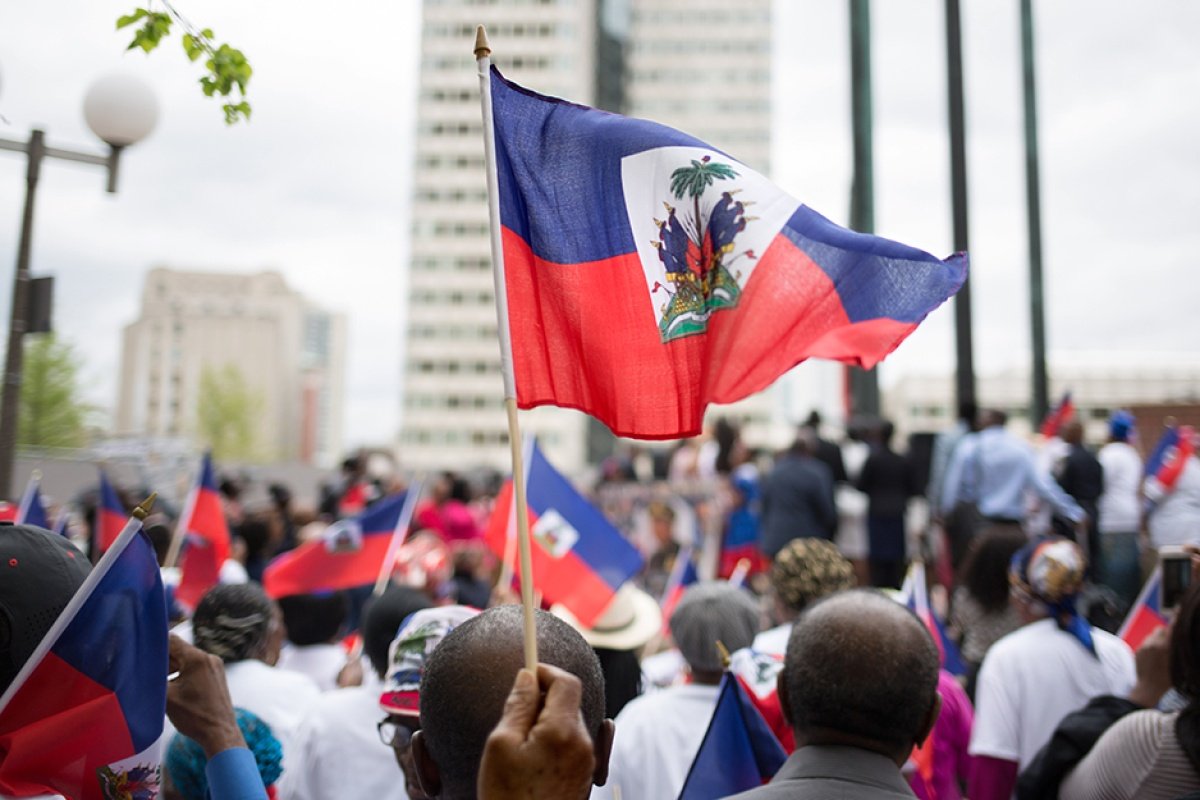
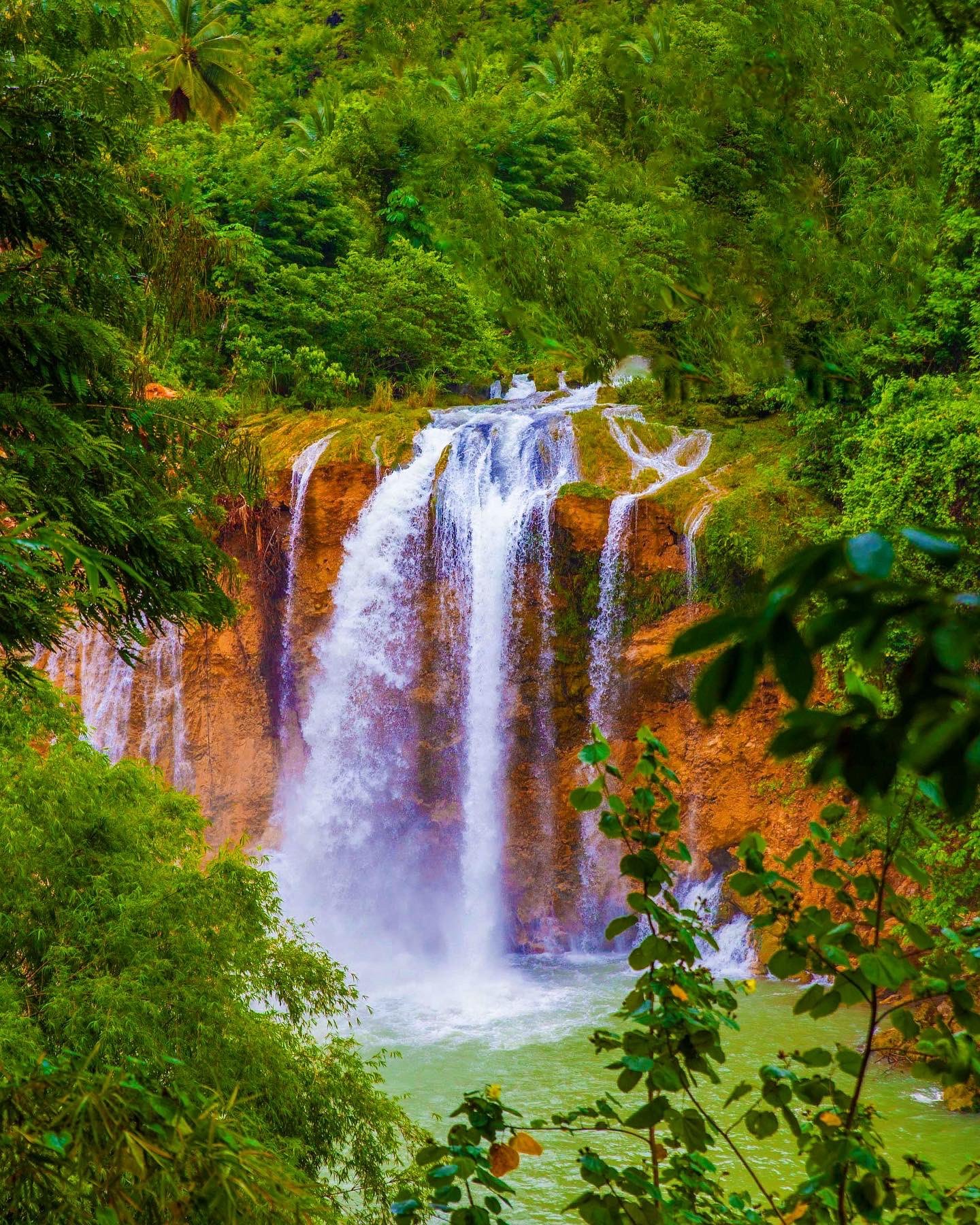
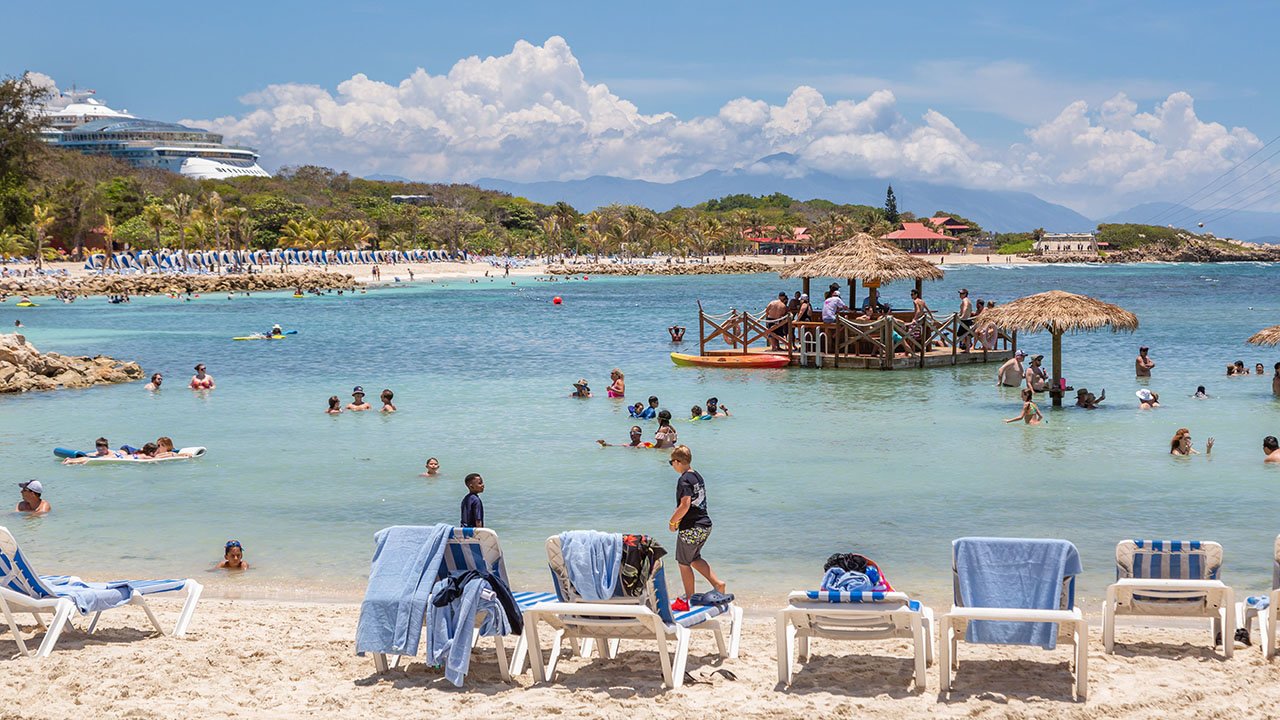
Haïti is blessed with spectacular natural landscapes, including white sand beaches, mountains and rich biodiversity.

Heritage

Heritage

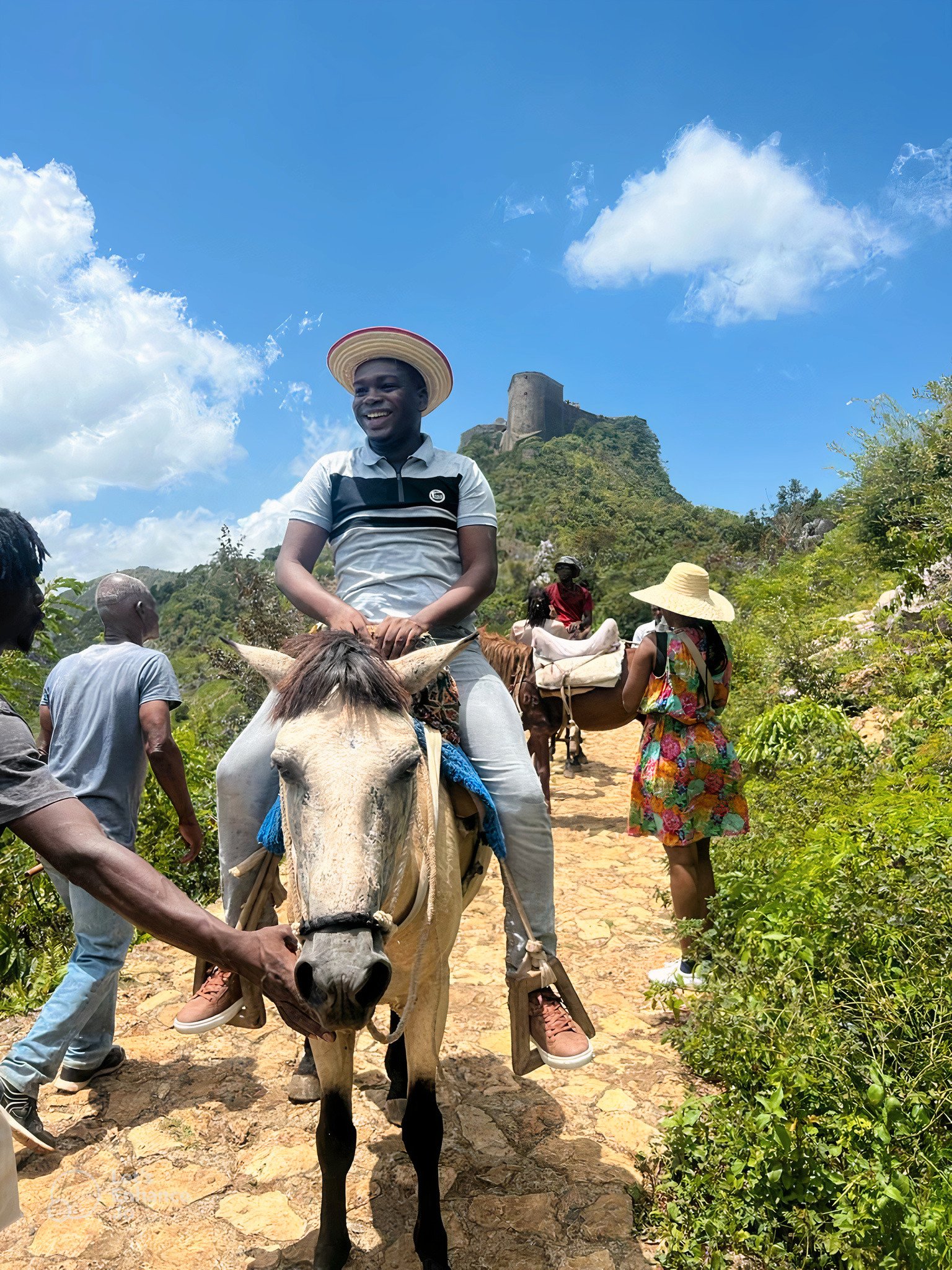
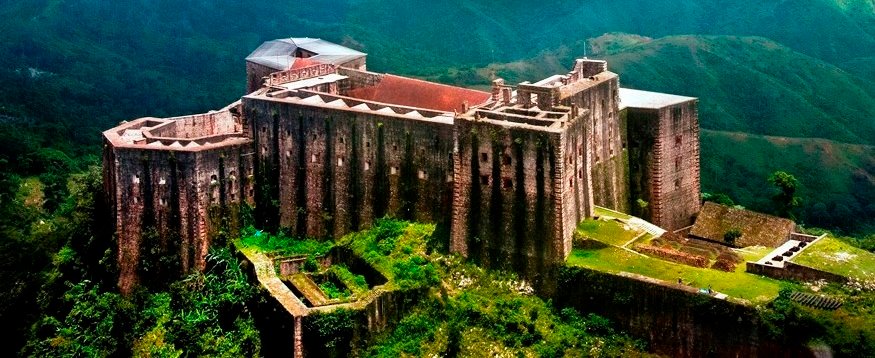
Haïti has a rich historical heritage, including sites like the Citadelle Laferrière and the Sans-Souci Palace, listed as UNESCO World Heritage Sites.

Culture

Culture

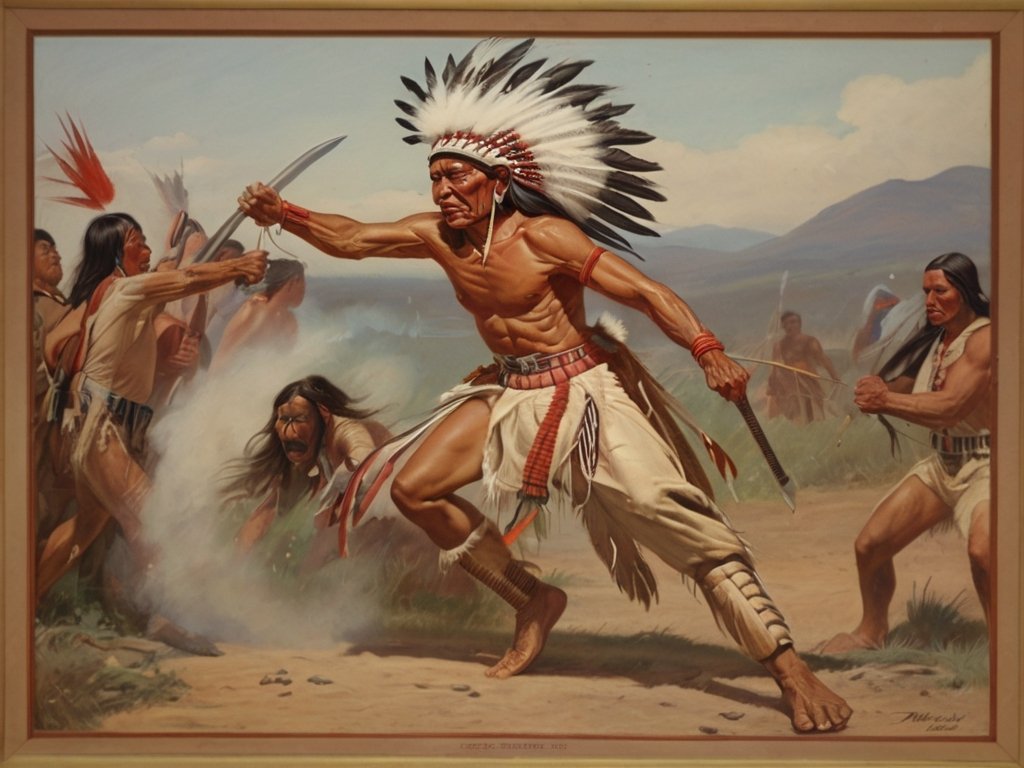
Haïti has a rich and diverse culture, influenced by African, European and indigenous elements. Haitian music, dance, art and cuisine are celebrated around the world.

  • +
    • Post