contact@haitiwonderland.com+509 36184317

Discover

Shopping Cart

What does Haïti mean? Origin and meaning of the word

What does Haïti mean? Origin and meaning of the word

The name "Haiti" is much more than just a word; it carries within it the history, culture and identity of a people. But what does this term really mean and what is its origin? Let’s discover together the richness of this word that resonates through the centuries.

Native American origin

The word "Haiti" finds its roots in the language of the Taino, the indigenous people who inhabited the island before the arrival of the Europeans.

- Meaning: In the Taino language, "Ayiti" means "land of high mountains".
- Geographic description: This name reflects the topography of the island, marked by majestic mountain ranges, such as the Massif de la Selle and the Massif du Nord.

The Tainos, the first inhabitants of the island, used this term to designate their entire territory, highlighting the natural beauty and impressive reliefs of this land.

The colonial era and the return to roots

When Christopher Columbus arrived in 1492, the island was renamed "Hispaniola" by the Spanish, then divided into two colonies: Saint-Domingue (French) and Santo Domingo (Spanish).

- Name change: After the Haitian revolution and the proclamation of independence in 1804, the founders of the nation decided to restore the name "Haiti".
- Symbolism: This choice represented a return to the origins and a desire to break with the colonial past by honoring the first inhabitants of the island.

Thus, by taking back this ancestral name, Haïti affirmed its unique identity and cultural heritage.

A Deep Meaning

Beyond its geographical significance, “Haiti” has become a symbol of freedom and resilience.

- Freedom: As the first independent black republic, the name “Haiti” evokes the fight against oppression and the aspiration for human dignity.
- National Pride: Today, it represents a source of pride for Haitians and a reminder of their unique history.

The mountains, evoked in the name, are also a symbol of strength and protection, a metaphor for resilience in the face of challenges.

Haïti in the World

The name “Haiti” is recognized around the world, not only for its revolutionary history, but also for its rich culture and breathtaking landscapes.

- Natural Heritage: The mountains, so dear to the Taínos, continue to be a treasure for the country, attracting hikers and nature lovers.
- Cultural Identity: The word “Haiti” is synonymous with cultural richness, with its unique traditions, music, cuisine, and art.

Every time the name is pronounced, it carries with it an emotional and historical charge that transcends borders.

A Legacy to Pass on

“Haiti” is not just a name; it is a story, a symbol, an identity. It recalls the struggles, victories, and deep roots of a proud and resilient people.

Knowing the origin and meaning of this word helps us better understand the richness of Haitian history and the importance of preserving this heritage for future generations.

What are your thoughts on the name “Haiti” and what it represents? Share your thoughts and learn more about this unique nation!

Share
About the Author
Appolon Guy Alain
Appolon Guy Alain
Appolon Guy Alain

Full Stack Developer, Créatif, expérimenté, passionné des nouvelles technologies et de l’art.

See other articles from Appolon Guy Alain
Leave a comment

Recently Posted

The Haitian Carnival: A Festival of Colors, Music and Traditions

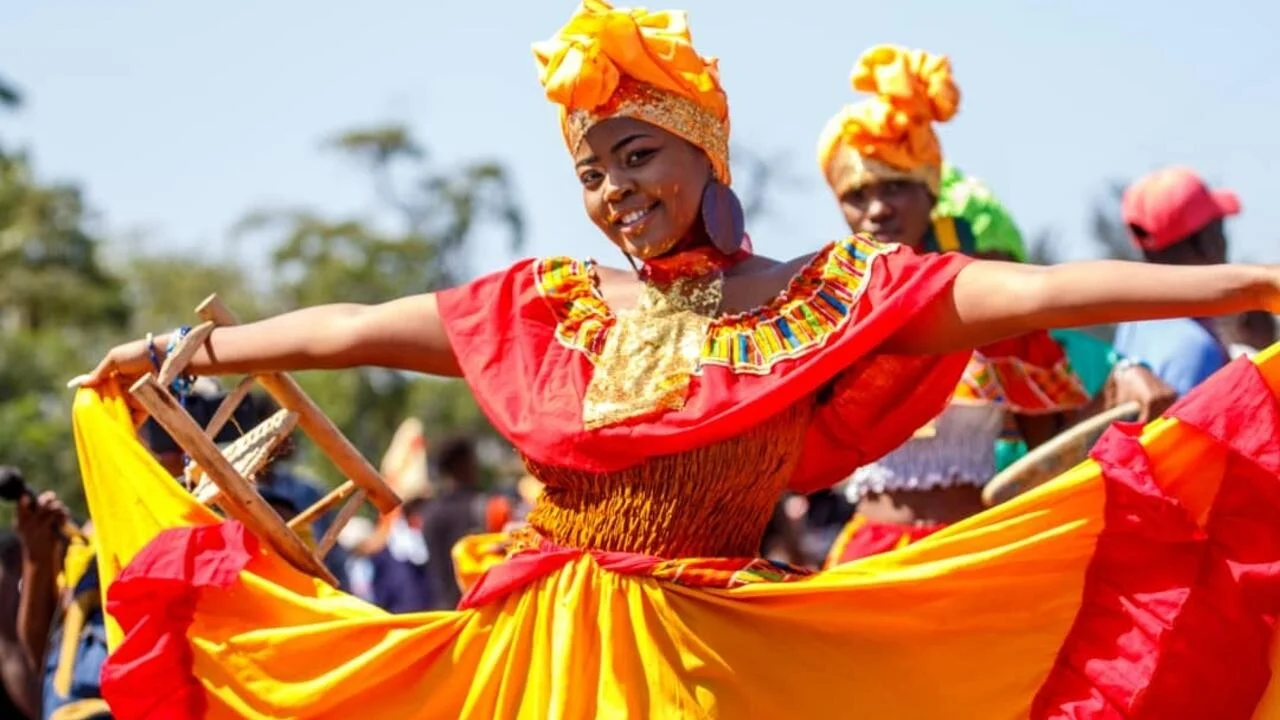
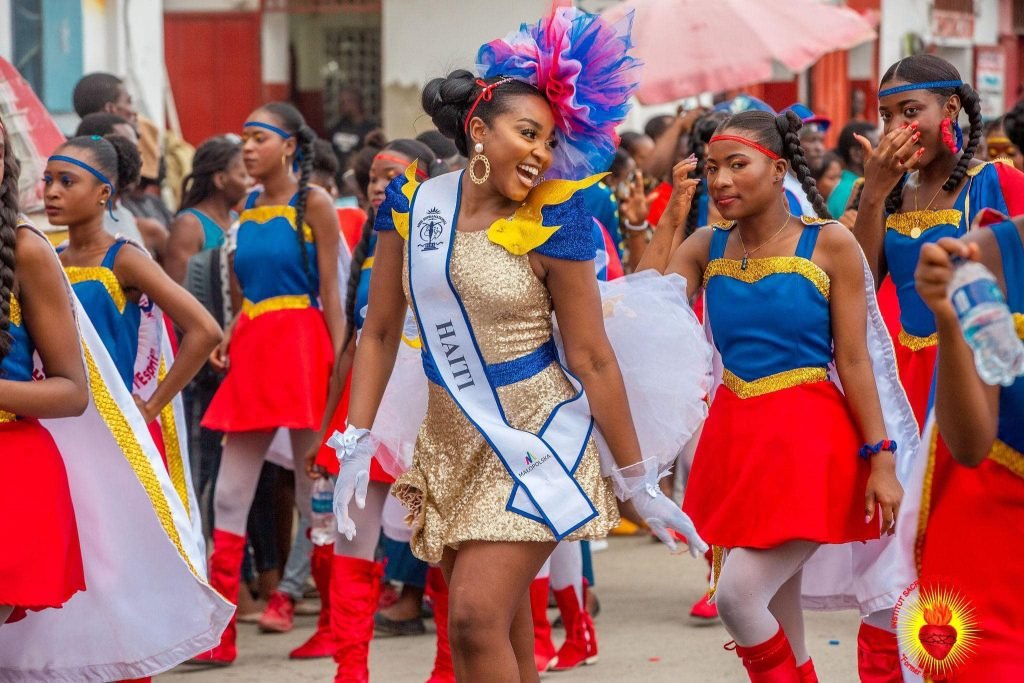
The Haitian carnival, an emblematic and essential celebration of the country’s festive calendar, is much more than a simple party. It embodies the very essence of Haitian culture, joyfully blending ancestral traditions, intoxicating music and a deep sense of community. Each year, this vibrant celebration transforms the streets into a vibrant and colorful spectacle, attracting thousands of participants and spectators eager to take part in this one-of-a-kind celebration. Haitian carnival has deep roots in the country’s history, dating back to colonial times. It has evolved over the centuries, incorporating elements of African, French and Creole culture to create a distinct and captivating celebration. The carnival period in Haïti traditionally begins in January and culminates with extravagant festivities that take place over several days. One of the most striking features of the Haitian carnival is the profusion of colors. Traditional costumes, called "masks", are elaborate and beautifully designed. They feature vivid patterns and vibrant decorations, creating a vivid picture of Haitian cultural identity. Participants, dressed in these elaborate costumes, parade through the streets to the sound of lively music, creating an electric atmosphere. Music is at the heart of the Haitian carnival. The captivating rhythms of compass, rasin, rara and other local musical genres resonate throughout the city, inviting people to dance to the rhythm of the party. Orchestras parade through the streets, accompanying the dancers and creating a unique symbiosis between the music and the graceful movements of the participants. The Haitian carnival parade is not just about the music and costumes; it also celebrates the richness of street arts. Talented artists create giant sculptures, art installations and theatrical performances that tell deep stories of Haitian history and culture. These artistic expressions contribute to the transmission of values ​​and stories that shape the identity of the Haitian people.

Newsletter

Subscribe to our newsletter to stay informed of all our activities and news on Haiti.

Haïti / Fort Saint-Joseph: Historical Vestige of the Resistance

Located in the Bay of Cap-Haitien, Fort Saint-Joseph stands like a silent guardian of Haiti’s tumultuous history. Built in two stages, in 1748 and 1774, this defensive work was once a crucial element of the city’s protection system against French colonial assaults. Alongside other forts such as Picolet and Magny, its mission was to control maritime passages and defend Haitian sovereignty. However, its history is not limited to its defensive function. In 1802, then under the control of General Henry Christophe, the fort became the scene of a heroic act of resistance. Faced with the French expeditionary army, Christophe ordered the destruction of the powder magazine and the entrance gate to the fort, thus rendering it temporarily unusable. This courageous gesture, although tactical, left indelible scars on the very structure of the fort, testifying to the fierce clashes between French colonial forces and Haitian resistance fighters. These historic marks, still visible today, offer a window into the country’s tumultuous past. They allow visitors and historians to interpret the fierce struggles that forged Haitian identity. Fort Saint-Joseph, as a witness to the resistance and the struggle for freedom, embodies the indomitable spirit of the Haitian people. Recognizing its historical significance, the Haitian government officially classified Fort Saint-Joseph as national heritage in 1995. This recognition paved the way for restoration efforts aimed at preserving this precious vestige of Haitian military heritage. Thanks to collaboration between the public sector and local private funding, the fort has recently been restored and enhanced. Thus, Fort Saint-Joseph remains much more than a simple stone structure. It is a living symbol of the resilience and determination of the Haitian people, reminding all visitors that Haiti’s history is deeply rooted in the struggle for freedom and human dignity. To virtually discover this jewel of Haitian history, you can visit the following link: https://haitiwonderland.com/haiti-virtual-reality-ht/monuments-histoire/haiti--fort-saint-joseph--visite- virtual/11

Recently Posted

History

History

First black nation to free itself from slavery and gain independence from France in 1804 and influenced other liberation movements around the world, inspiring struggles for freedom and equality.

Natural beauty

Natural beauty

Haïti is blessed with spectacular natural landscapes, including white sand beaches, mountains and rich biodiversity.

Heritage

Heritage

Haïti has a rich historical heritage, including sites like the Citadelle Laferrière and the Sans-Souci Palace, listed as UNESCO World Heritage Sites.

Culture

Culture

Haïti has a rich and diverse culture, influenced by African, European and indigenous elements. Haitian music, dance, art and cuisine are celebrated around the world.

  • +
    • Post