contact@haitiwonderland.com+509 36184317

Discover

Shopping Cart

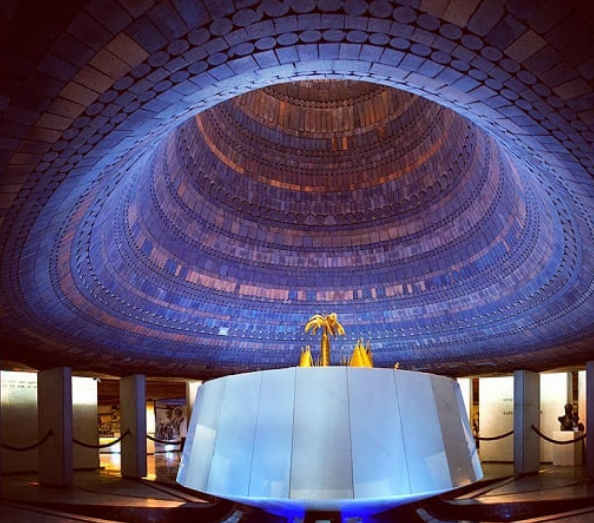
Vertières: A Flame Held by the Hands of Humanity

Vertières: A Flame Held by the Hands of Humanity

Vertières is the place where history’s light shines brightly.

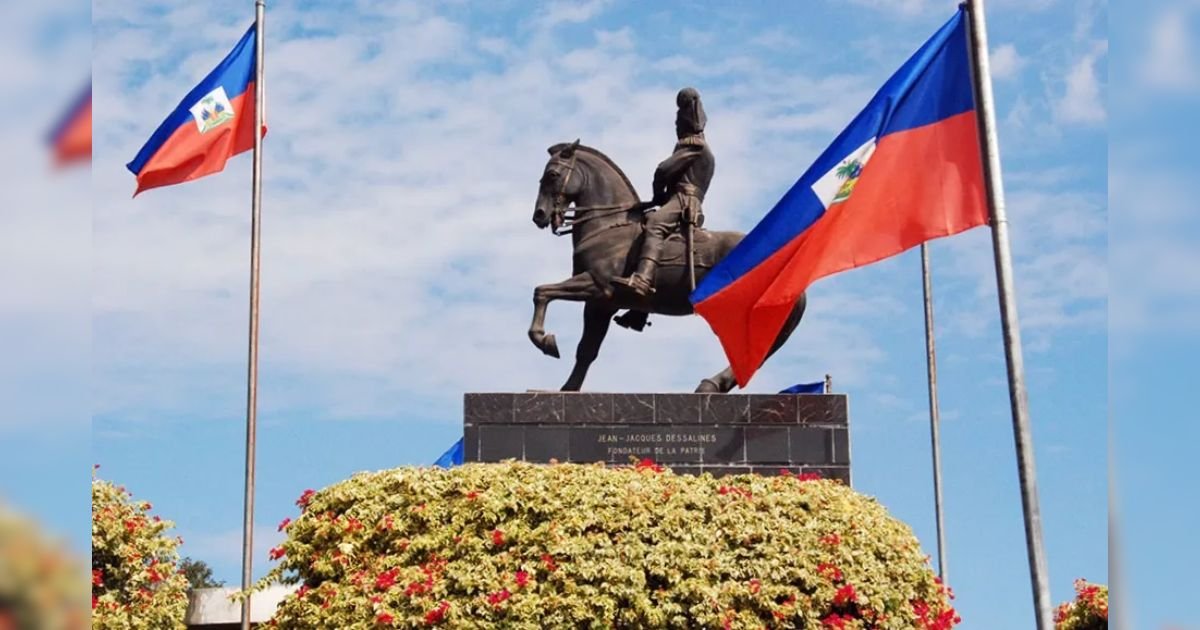
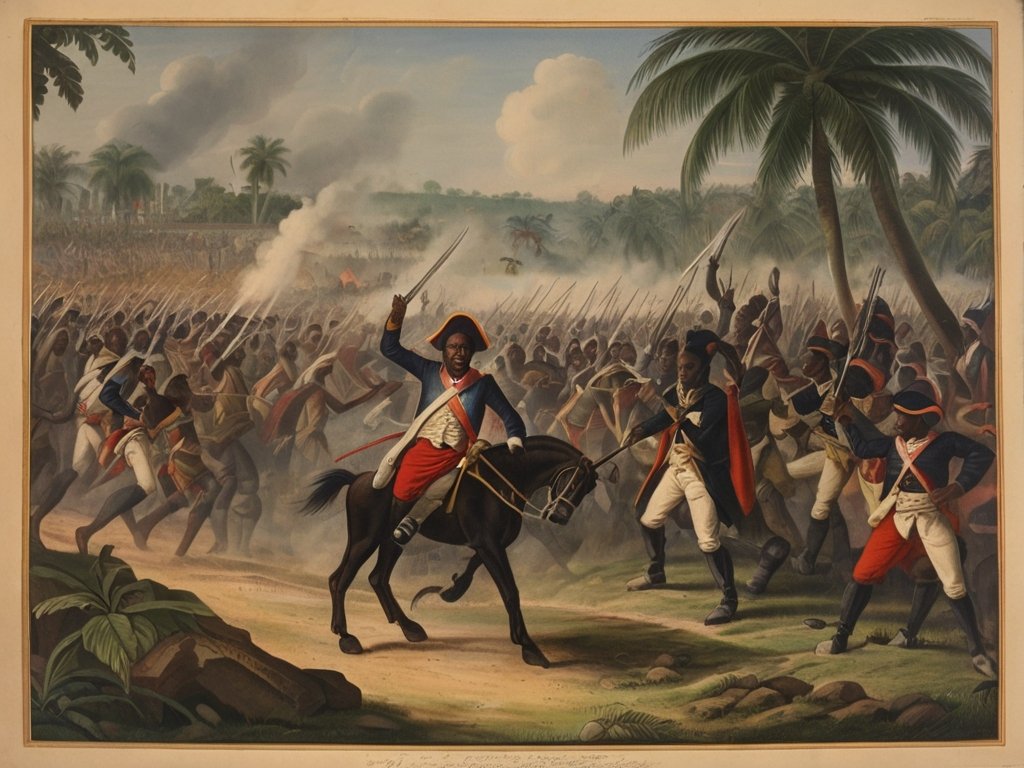
The war that led to the independence of the first black republic in the world, Haiti, spanned several decades. Jean-Jacques Dessalines, who proclaimed the victory on January 1, 1804, was a man who cleverly capitalized on the honorable legacy left by Toussaint Louverture at the head of this struggle for the first liberation of a black people in the Americas.

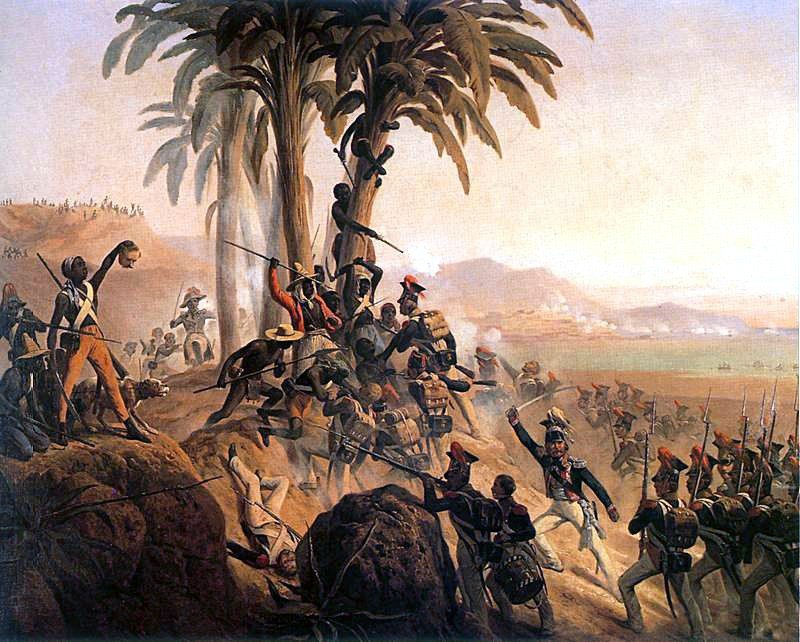
The Battle of Vertières took place in the northern outskirts of Saint-Domingue, the name of Haïti under the yoke of slavery, near the current commune of Limbé. Under a pouring rain, mixing the mud with the blood of the freedom fighters represented by Dessalines’ indigenous army, on November 18, 1803.

Slavery, a Stain of Shame

The exploitation of man by man is not a phenomenon that only affected Black people throughout history. In fact, the victors of 1804 are the immediate descendants of those who were forcibly brought across the Atlantic to replace the Native Americans, who themselves suffered a genocide due to the shameful practice of slavery. It is worth emphasizing that slavery is a practice (as old as human history), but it reached its peak during the 400 years when it was almost exclusively associated with one category of peoplethe black-skinned individuals.

It is precisely at this point that November 18, 1803, was a triumph of the highest order for all of humanity. That day, fused with the exploits of Haitian heroes, became a symbol of victory over a shame that, unfortunately, has persisted through time as a norm. Even today, some struggle to call this dishonorable act a crime against humanity.

At its core, Vertières remains a flame held against the barbarity of its time. A final proof of humanity’s necessity to rise and claim its right to the dignity of freedom, despite all potential threats.
Vertières and its Consequences

Haïti was born from a merciless war led by a mass of oppressed people against a much larger number of oppressors who were better armed than those they stripped of their shameful practice of oppression. In this war, the Haitian intelligentsia made itself known to the rest of the world through our heroes, such as Toussaint Louverture, Jean-Jacques Dessalines, Henri Christophe, and many others.

Vertières is the mother of Haitian independence. Vertières transcended the history of mankind to reach our world today. For example, there is a piece of Vertières in the fact that Barack Obama could run for the presidency of the United States in 2007. The dream of equality and freedom of the American Black evangelical pastor, Martin Luther King, is a deep continuation of Vertières’ logic. Vertières holds a place in all glorious books. Because there is a piece of Vertières in every oppressed person who rises to confront a voice of oppression in the fierceness of badly spoken words.

Vertières is a case that historically knew how to defy a rain of shame extended like a morbid stain on the back of human history. Vertières is the most magnificent answer ever given against the symbol of the most complete inhumanity, referring to the famous Door of No Return at Gorée, which stood against an entire race of men, an entire part of humanity, in Senegal.

Haïti
Haïti
Haïti

The Importance for the World Today

The world still seems to be under the domination of the ideas of white supremacy, which made the barbarity of slavery possible, attesting to the specificity and so-called superiority that arose from it, based on skin color. An idea that has already been debunked by a minimum of scientific knowledge since the last century. In a world full of all kinds of conflicts, sometimes latent or feverishly open, a world where the most oppressed often need motivational role models to arm themselves with courage and face their oppressors to defeat them. Vertières stands as a real flame. Because the victors at Vertières were not the best-armed but rather those who fought fiercely, body and soul, deeply invested in a logic of universal justice, for a new destiny that proudly appeared before the eyes of that darkened time.

Vertières remains and stands as the symbol that makes possible every ultimate battle for the triumph of the most just cause: the human cause, our cause.

Haitian Creole is our identity, it deserves to be valued: History, Origin and Evolution

Haitian Creole is our identity, it deserves to be valued: History, Origin and Evolution

The Haitian Creole, born in the 17th century during the French colonization on the island of Hispaniola, is not only a communication tool; it is an essential part of the Haitian identity. Despite being recognized as an official language in 1987, French is still considered an elite language, creating a social divide. In the educational system, where French is the language of instruction, Creole is often neglected, which affects the ability of students to understand what they are learning, especially for children from rural areas. It has a unique grammatical structure that facilitates learning, and serves as a means of cultural expression in literature, music, and other arts. The advancement of technology will allow Creole to gain more visibility in social media, but the stigmatization of the language still exists. Therefore, it is important for Creole to be valued in education and other sectors, to allow the new generation to grow up with pride for their heritage. The Haitian Creole language, which is the first language for the majority of people in Haiti, is not only a means of communication, but it is also a reflection of the cultural wealth and history of the people. In a country full of diversity, Creole and its origin, its evolution and its place in society, is a testimony of resistance and adaptation.

Share
About the Author
Moise Francois
Moise Francois
Moise Francois

Journalist editor, poet and apprentice lawyer.

See other articles from Moise Francois
Hebert Logerie

I love this article. Thank you and congratulations to Moise Francois. You got it right, bro.

November 12, 2025 - 04:40:53 AM
Leave a comment

Recently Posted

Newsletter

Subscribe to our newsletter to stay informed of all our activities and news on Haiti.

Here are five compelling reasons why you should definitely visit Haiti’s beaches

1- Abaka Bay (Île-à-Vache): Start your Haitian adventure with the magnificent Abaka Bay, recently named one of the most beautiful beaches in the world by CNN. Located on the enchanting island of Île à Vache, this bay offers a pristine white sand beach and calm Caribbean waters, framed by lush green hills. Abaka Bay Resort offers a truly exclusive and secluded experience, with bungalows located directly on the beach, offering panoramic views and direct access to the fine sand and crystal clear sea. The dining options are equally impressive, with one restaurant offering breathtaking ocean views and epic sunsets. To get to Île à Vache, simply take a 15-20 minute boat ride from Les Cayes, located off the southern coast of Haiti. 2- Île à Rat (Amiga Island): As soon as you set foot on Île à Rat (also known as Amiga Island), this little slice of paradise will steal your heart. Its smooth white sand beach immediately catches the eye, while gentle waves create a dreamy oasis against the pearly shore. Located in the turquoise waters off the coast of Plaine du Nord in northern Haiti, Île à Rat is a 1.8 hectare piece of white coral covered in a small wild forest. The island is a peaceful retreat, especially for couples looking for a serene getaway. To get to Île à Rat, you can take one of the many water taxis waiting in Labadee, a 30-minute drive from Cap-Haïtien. Keep in mind that the island is uninhabited, so it is important to bring everything you need for a comfortable stay, including drinking water. 3- Côtes des Arcadins: Nestled north of the bay of Port-au-Prince, Côtes des Arcadins stretches over 19 kilometers of white sand beaches lined with palm trees, making it one of the most popular seaside destinations from Haiti. The combination of the deep blue sea, mountains, mangrove forests and the coral reef formed by the Arcadins islets creates a breathtaking spectacle. It is also a great place for divers. To get there, follow the road north of the bay of Port-au-Prince. You will be amazed by the natural beauty of this region. 4- Plage de Gelée: This beach is one of the most popular thanks to its crystal clear waters and soft sand, all with a pastoral landscape in the background. If you are looking for a place to relax and soak up the sun, Gelée Beach is a great choice. 5- Jacmel Beach: Although swimming is not recommended here, Jacmel Beach is famous for its picturesque charm and artistic atmosphere. It is located in the historic town of Jacmel, known for its lively carnival and colorful houses. Explore the beach, admire the architecture and soak up Haitian culture. Don’t forget your swimsuit and sunscreen, and enjoy these hidden treasures of Haiti! 🏖️☀️

The Haïtian Compas: A Musical and Cultural Journey

Music has always been an essential part of Haïtian culture, and among the many genres that have emerged from this Caribbean island, Compas holds a special place. It is a musical style that carries with it the history, cultural diversity and vibrant energy of Haïti. b~Origins and Evolution~b The Compas Haïtien, also known as Kompa, has deep roots in Haïtian and African musical traditions. Its development was influenced by genres such as Dominican merengue, Cuban salsa, jazz and even rock. This fusion of styles has resulted in a distinctive sound that embodies the cultural richness and diversity of Haïti. The Haïtian Compass has evolved over the decades, moving from a more traditional style to more modern and sophisticated forms. Iconic artists such as Nemours Jean-Baptiste and Tabou Combo helped shape the genre and propel it onto the international music scene. b~The Characteristics of the Compass~b Le Compas Haïtien is characterized by its intoxicating rhythm and complex arrangements. Traditional instruments such as guitar, saxophone, drums, and of course, bass, play a crucial role in creating this catchy music. The lyrics, often sung in Haïtian Creole, address varied themes, from love and joy to social and political issues. Dance is an inseparable component of the Haïtian Compass. The irresistible rhythms encourage the dancers to sway to the music. Traditional dance moves, such as "Kompa Direk" and "Kompa Love," reflect the joyful expression and sensuality that characterize this musical genre. b~Global Influence~b Over the years, the Haïtian Compas has transcended the borders of Haïti to conquer the international stages. Haïtian artists helped popularize the genre around the world, bringing with them the warmth and vitality of Haïtian culture. Music festivals dedicated to Compas attract fans from around the world, providing an immersive experience of this catchy music. The Haïtian Compass is much more than a musical genre; it is a standard bearer of Haïtian culture, a mirror reflecting the history, diversity and resilience of the Haïtian people. Discovering the Haïtian Compas means diving into a world of captivating rhythms, passionate dances and captivating stories, while celebrating Haïti’s unique musical heritage. Whether you are a world music lover or simply curious about new experiences, the Compas Haïtien is an invitation to an unforgettable sound journey.

Recently Posted

History

History

First black nation to free itself from slavery and gain independence from France in 1804 and influenced other liberation movements around the world, inspiring struggles for freedom and equality.

Natural beauty

Natural beauty

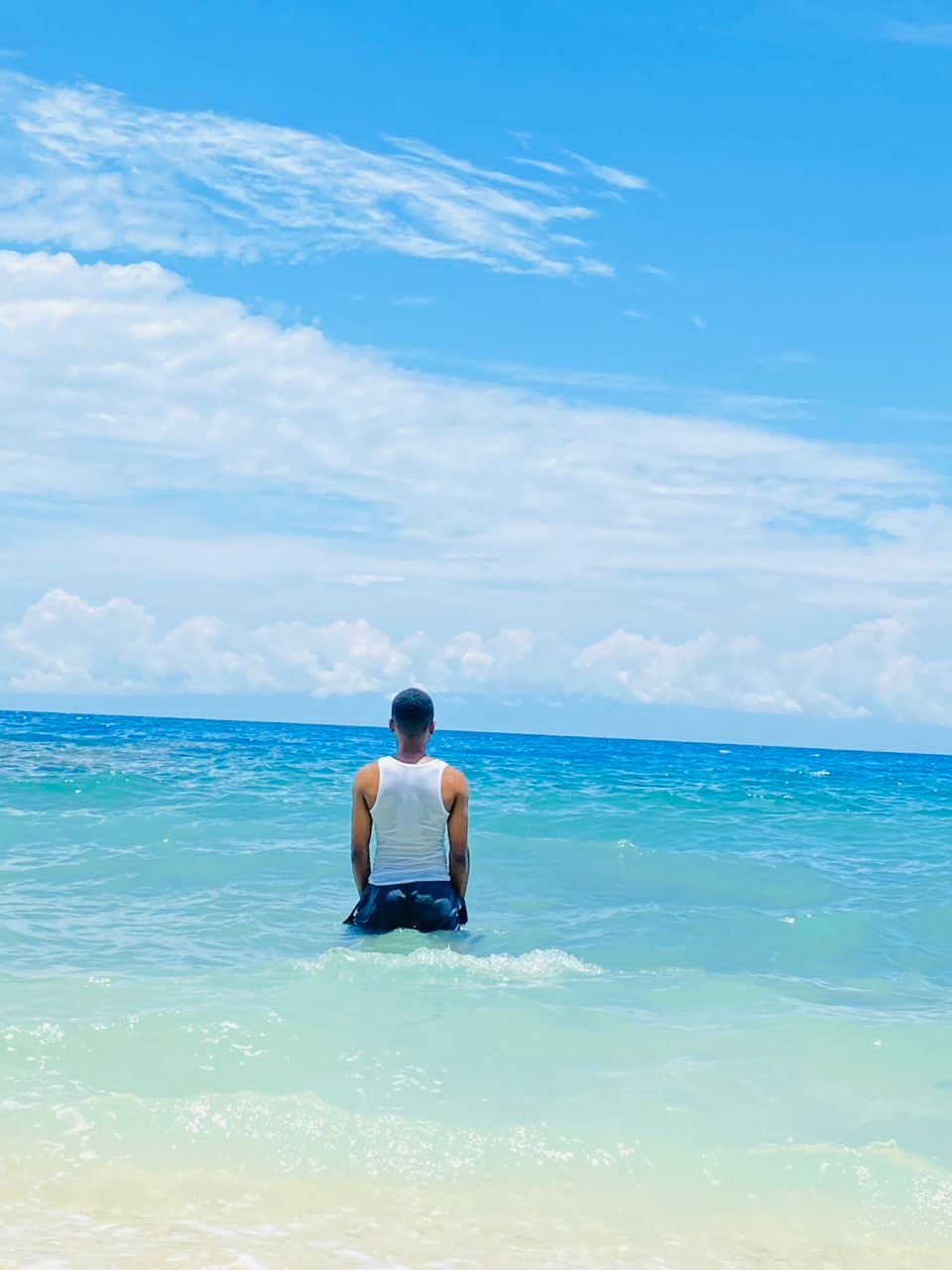
Haïti is blessed with spectacular natural landscapes, including white sand beaches, mountains and rich biodiversity.

Heritage

Heritage

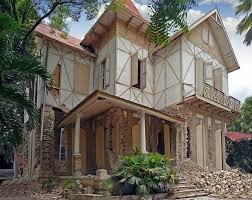
Haïti has a rich historical heritage, including sites like the Citadelle Laferrière and the Sans-Souci Palace, listed as UNESCO World Heritage Sites.

Culture

Culture

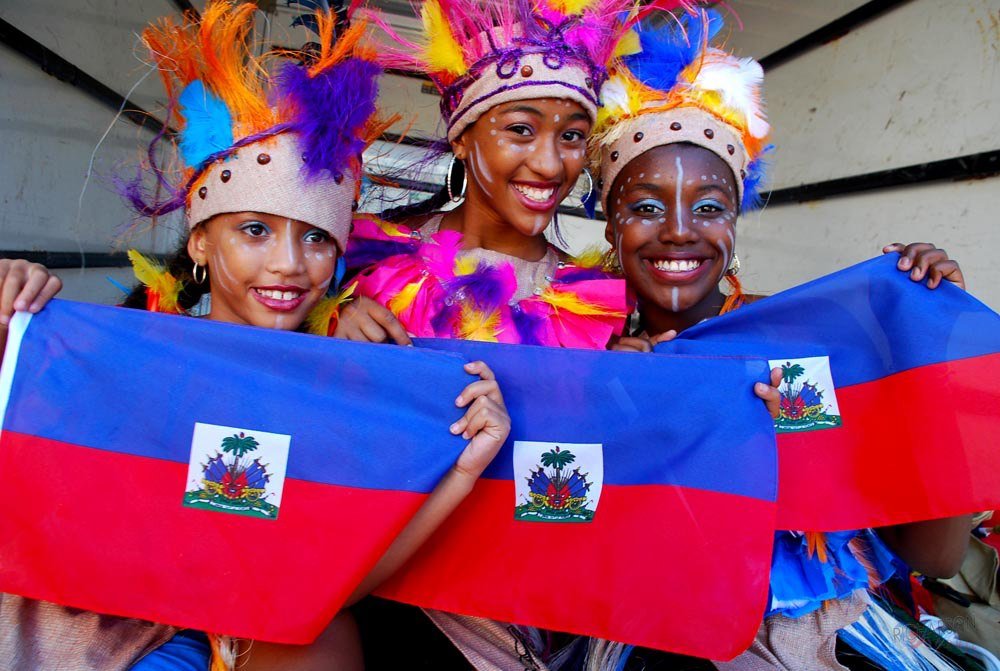
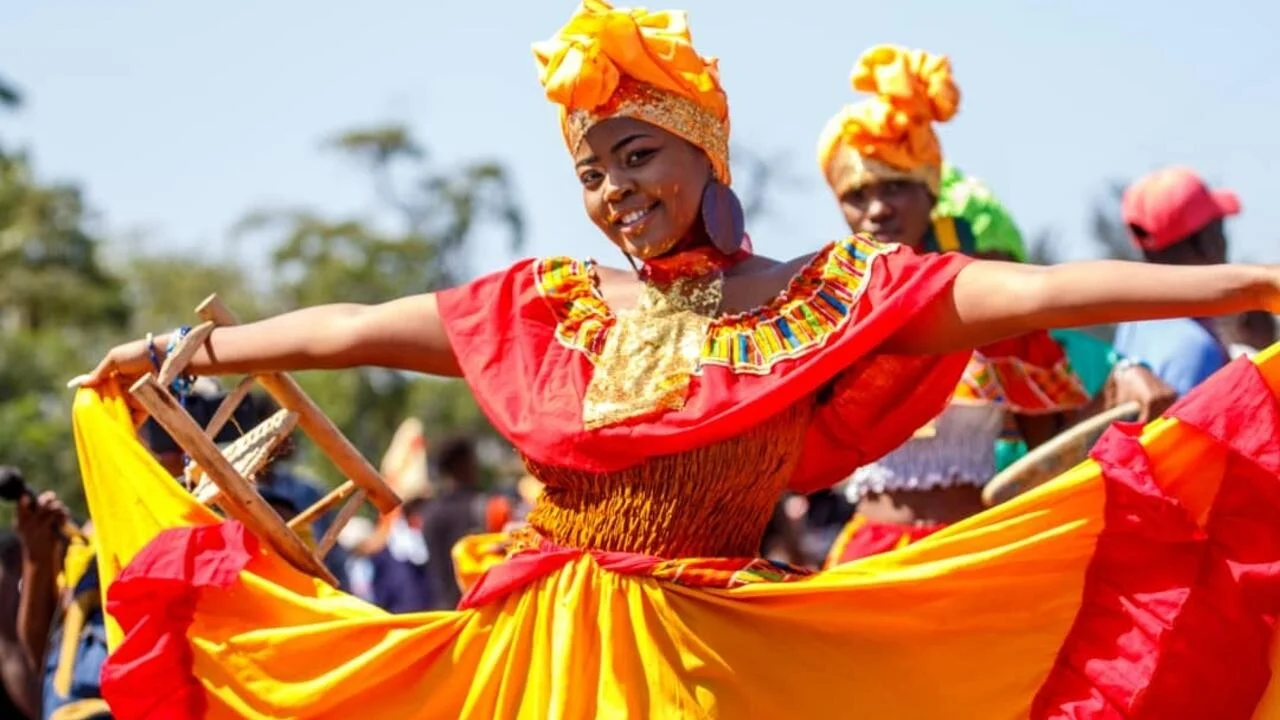
Haïti has a rich and diverse culture, influenced by African, European and indigenous elements. Haitian music, dance, art and cuisine are celebrated around the world.

  • +
    • Post