contact@haitiwonderland.com+509 36184317

Discover

Shopping Cart

Christmas in Haiti, A Time of Sharing and Generosity

Christmas in Haiti, A Time of Sharing and Generosity

Christmas in Haïti is much more than just a Christian holiday: it is an opportunity to celebrate solidarity, generosity, and unity within families and communities. Haitians embrace this time as a time to gather, share, and reflect on the essential values ​​of humanity. This article explores how Christmas in Haïti embodies these values ​​of sharing and generosity through unique traditions, acts of solidarity, and festive meals.

Haïti
Haïti
Haïti

The Essence of Christmas: A Celebration of Love and Solidarity

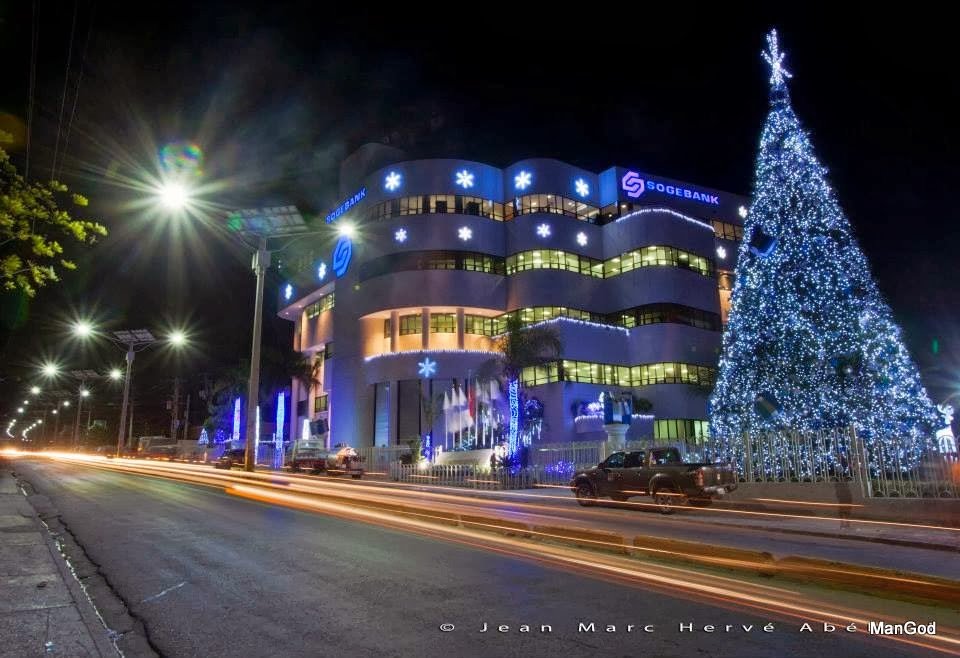
In Haiti, Christmas is a time when families come together to celebrate the birth of Christ, but also to express feelings of generosity and solidarity. While the religious celebration takes center stage with Midnight Mass, the true meaning of Christmas lies in the spirit of sharing. This time is an opportunity to remember that Christmas is not only for oneself, but also for others.

Haitians, despite the socio-economic challenges they face, make a point of being generous during the holidays. Thus, Christmas becomes a time of solidarity where everyone, according to their means, participates in the joy of others, in particular by offering meals, clothing or gifts to the most deprived.

Haïti
Haïti
Haïti

Christmas Meals: A Time of Sharing and Conviviality

Christmas meals in Haïti are a strong symbol of conviviality and generosity. Tables are filled with delicious food, often shared with neighbors, friends and strangers. Traditional dishes such as griot (fried pork), diri ak pwa (rice and beans), ham soup and pain patate (sweet potato cake) are prepared with care and serve as a link between families and communities.

Haitians love to share their table and meals with others, especially those who cannot afford such feasts. It is also a common tradition to distribute meals in neighborhoods, churches, or charities. In this way, Christmas becomes a collective act of generosity.

Community Solidarity: Helping Those Who Need It

Christmas in Haïti is not only a private or family celebration, it is also a time when the community comes together to help the most vulnerable. Many charities, churches, and community groups organize events to provide meals and donations to people living in precarious situations.

For example, community meals are prepared and shared in social centers, hospitals, or children’s homes. Clothes, toys, and food are distributed on the streets, in villages, and even in isolated areas. Christmas thus becomes an opportunity to support the less privileged, an act of love and kindness.

Haitians, especially during this period, demonstrate an ability to show solidarity, mutual aid and compassion towards those who need it most. This tradition of mutual support is at the heart of Haitian culture.

Music and Christmas Carols: A Moment of Collective Sharing

Christmas in Haïti is also a time when music plays a fundamental role. Traditional Christmas carols resonate in churches, homes and streets. Local choirs and music groups perform religious hymns and popular songs that recall the spirit of Christmas, love and sharing. These songs, often accompanied by dancing and music, bring joy and comfort to those who listen to them.

Bonfires, lit in neighborhoods or gardens, also provide a warm setting to gather, discuss and sing. These moments of music and celebration promote conviviality and strengthen community ties. Haitians take advantage of these gatherings to share stories, remember traditions and celebrate life together.

Christmas Gifts: The Symbolic Act of Generosity

Christmas gifts in Haiti, although not as ubiquitous as in the West, remain a strong symbol of generosity. It is above all a time to give what we can to those around us. Parents often offer clothes, toys for children or food products for the elderly. The important thing is not the material value of the gift, but the symbolic act of pleasing and bringing happiness to others.

Gift exchanges are not just for immediate family. Neighbors, friends, and even strangers are invited to participate in this time of sharing. In some rural areas, communities organize to give collective gifts or hold social events where everyone can receive a little something.

Haïti
Haïti
Haïti

Christmas in the Diaspora: Maintaining Traditions and Sharing Culture

Haitian Christmas is also widely celebrated in the diaspora, where Haitians strive to keep the traditions of their homeland alive. In Miami, New York, Montreal, and elsewhere, Haitian communities continue to celebrate Christmas with the same generosity and warmth as in their homeland. Community meals are held, religious services are held, and families gather to share food and gifts.

Haitians in the diaspora also take advantage of Christmas to pass on the values ​​of sharing and generosity to future generations, by introducing them to Haitian culinary traditions, songs, and customs related to this holiday. This helps maintain a strong connection with their culture and share it with their neighbors and friends of other origins.

Haïti
Haïti
Haïti

Christmas in Haiti, A Time of Generosity and Unity

Christmas in Haïti is a time when we celebrate not only the birth of Christ, but also the spirit of solidarity, generosity, and sharing. It is a time when Haitians come together with family, friends, and their community to experience moments of joy, sharing, and mutual support. Whether through festive meals, charitable actions, music, or gift exchanges, Christmas in Haïti embodies the fundamental human values ​​of generosity and unity. Beyond the country’s borders, this tradition is kept alive in the diaspora, allowing Christmas to continue to bring Haitians together around the same ideal of sharing and brotherhood.

Share
About the Author
Appolon Guy Alain
Appolon Guy Alain
Appolon Guy Alain

Full Stack Developer, Créatif, expérimenté, passionné des nouvelles technologies et de l’art.

See other articles from Appolon Guy Alain
Leave a comment

Recently Posted

Discover the Hidden Gem of Caracol: A Peaceful Haven in Haiti

Nestled in the enchanting embrace of Haiti’s North East department lies a true marvel – Caracol. This picturesque area is more than just a destination; it’s a sanctuary where tranquility dances in harmony with the gentle whispers of nature. From the chirping of content birds to the warm smiles of its inhabitants, Caracol is a true wonderland waiting to be explored. One of the most captivating aspects of Caracol is its serene ambiance. Here, peace isn’t just a concept; it’s a way of life. Even the birds seem to sing with an extra ounce of joy, as if they’ve found their own slice of paradise amidst the lush greenery. Stepping into Caracol feels like entering a world where time slows down, allowing you to embrace the simple pleasures of life. But what truly sets Caracol apart is its people – kind-hearted souls who find solace in the simplicity of their daily lives. Engaged in activities like fishing and gardening, they embody a deep connection to the land that sustains them. And amidst it all, the industrious spirit of Caracol shines through, with the industrial parc serving as a beacon of progress and opportunity for the community. Yet, amidst the tranquil rhythm of everyday life, Caracol pulsates with the vibrant energy of Haitian culture. Voodoo, an integral part of local life, weaves its mystical threads into the fabric of daily rituals and traditions. And come July, the entire community comes alive with patronal celebrations that draw Haitian diaspora from every corner of the globe. It’s a time of joyous reunions, where cultural immersion meets spirited competitions, from exhilarating running races to thrilling boat races on the sparkling waters. As the sun sets on another day in Caracol, the excitement doesn’t end – it transforms. Carnival season, known as "mardi gras," casts its spell over the land, igniting the imaginations of children who eagerly don disguises and wield whips to make merry mischief. Laughter fills the air as they chase each other, their gleeful shrieks echoing through the streets, creating memories that will last a lifetime. In Caracol, every moment is a celebration, every day a testament to the resilience and warmth of its people. So, whether you’re seeking a tranquil retreat or a cultural adventure, Caracol invites you to discover its hidden wonders and experience the magic for yourself. After all, in this captivating corner of Haiti, every day is a journey into the heart of paradise.

Newsletter

Subscribe to our newsletter to stay informed of all our activities and news on Haiti.

Haiti: The Center department, one of the departments most resistant to natural earthquakes

The Center department, commonly called Plateau Central, is one of the ten (10) departments of Haïti most robust in the face of certain natural phenomena. Before becoming one of the ten (10) departments of Haiti, the Center department was part of the Great North. It is renowned for its natural landscapes, its biosphere climate and its resistance to certain natural phenomena. In addition to its natural productions such as corn, millet and livestock, the Center department is also known for its high mountains which constitute a robust defense against certain natural phenomena such as earthquakes and floods. Composed mainly of high mountains, the department of Charlemagne Peralte and Benoît Batravil is the only one of the ten (10) not to have an outlet to the sea. However, its inhabitants take advantage of the vast rivers, rivers and lakes which cross it . With an area of ​​3,487 km², the population of the Center department is estimated at 678,626 according to a study carried out in 2009. On this same area, the department is divided into four (4) districts and twelve (12) communes. Bordered to the east by the Dominican Republic, the Center department connects other departments of the country such as Nord and Artibonite, and connects the two countries of the island through border areas like Balladère, Hinche and Cerca Carvajal. In the Center department, there are sites that could attract tourists for their natural beauty. In Saut d’Eau, there is the Saut d’Eau waterfall, in Hinche we find the Zim basin, the Péligre lake, the Péligre hydroelectric dam, the Artibonite river, and the Deux river (2 ) Rooms in Thomonde, more precisely in "El Manni", not far from the communal section of Caille-Epin. Thanks to its strong mountains and its natural climate, the Center department remains one of the most resistant departments in the event of an earthquake in Haiti.

Recently Posted

History

History

First black nation to free itself from slavery and gain independence from France in 1804 and influenced other liberation movements around the world, inspiring struggles for freedom and equality.

Natural beauty

Natural beauty

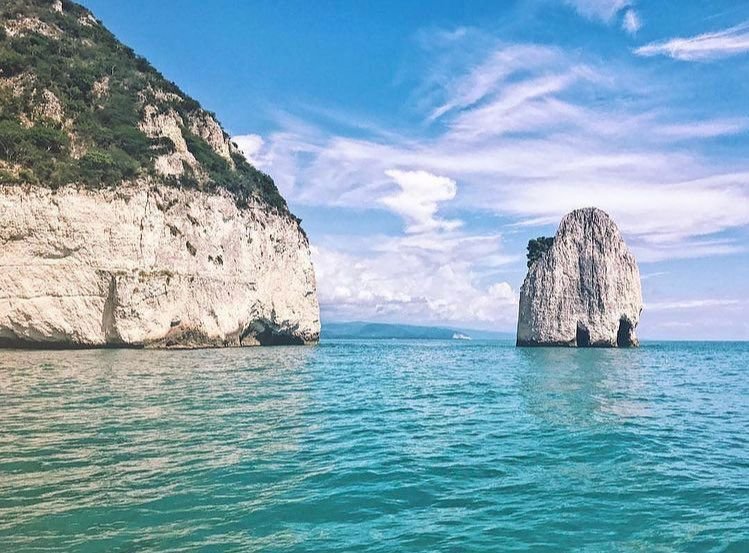
Haïti is blessed with spectacular natural landscapes, including white sand beaches, mountains and rich biodiversity.

Heritage

Heritage

Haïti has a rich historical heritage, including sites like the Citadelle Laferrière and the Sans-Souci Palace, listed as UNESCO World Heritage Sites.

Culture

Culture

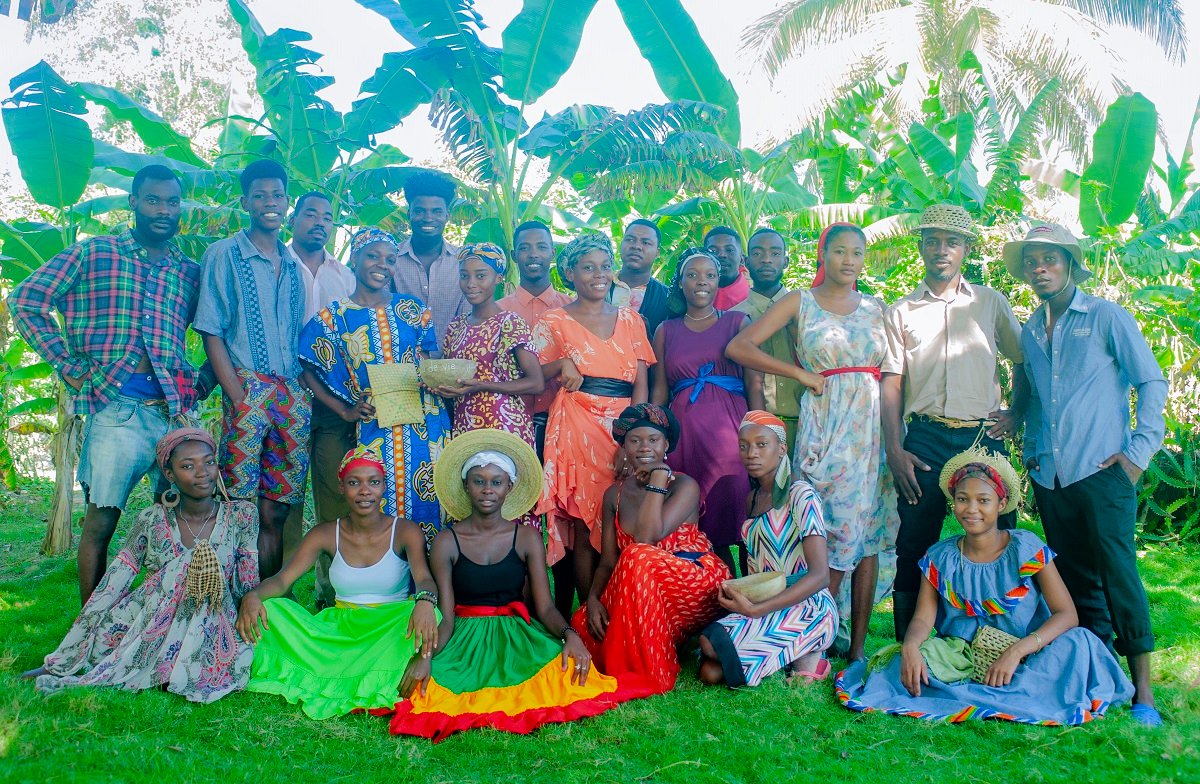
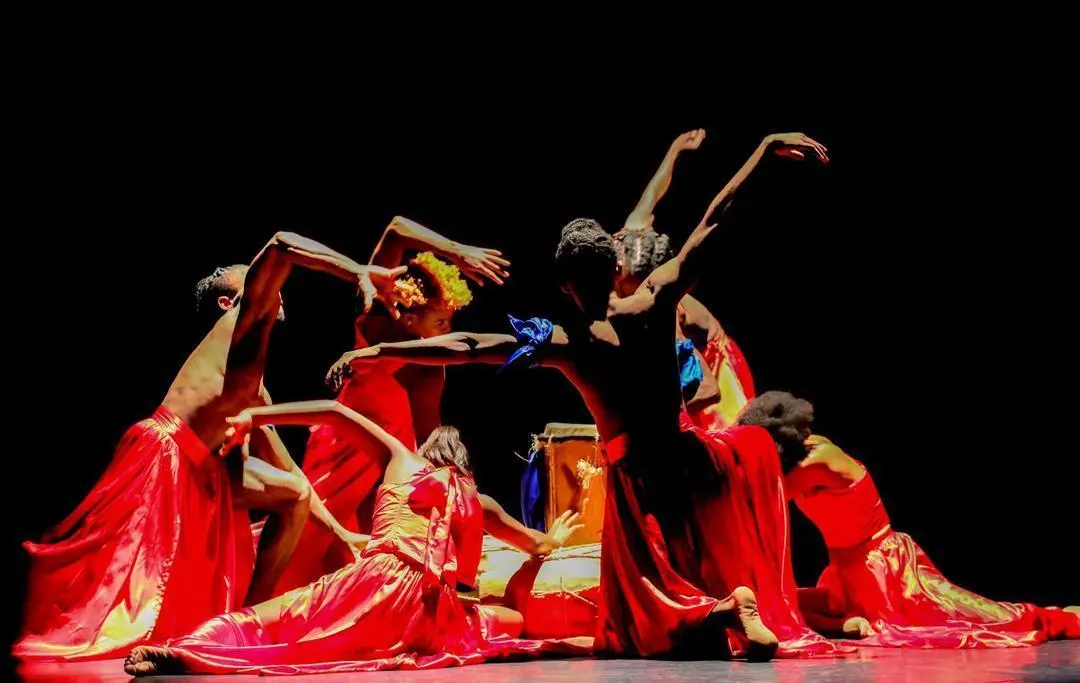
Haïti has a rich and diverse culture, influenced by African, European and indigenous elements. Haitian music, dance, art and cuisine are celebrated around the world.

  • +
    • Post