contact@haitiwonderland.com+509 36184317

Discover

Shopping Cart

Le Makaya, histoire et pratiques vaudouesques en haïti

Le Makaya, histoire et pratiques vaudouesques en haïti

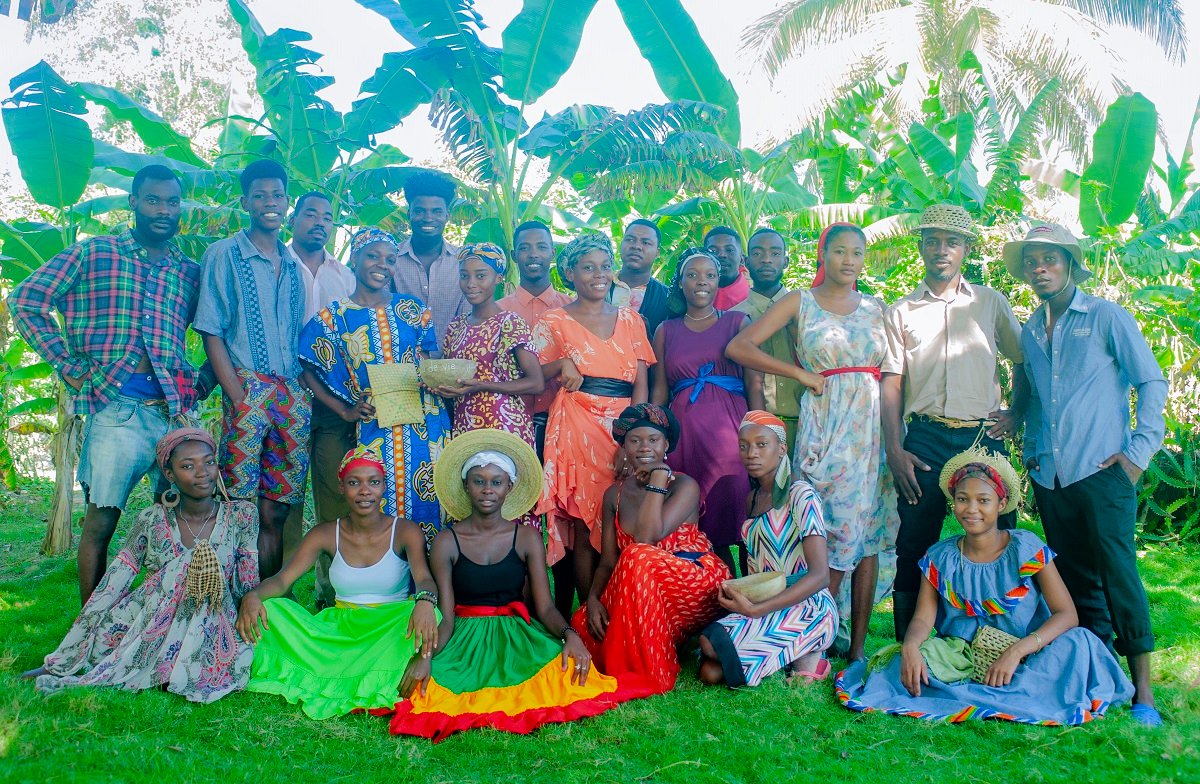
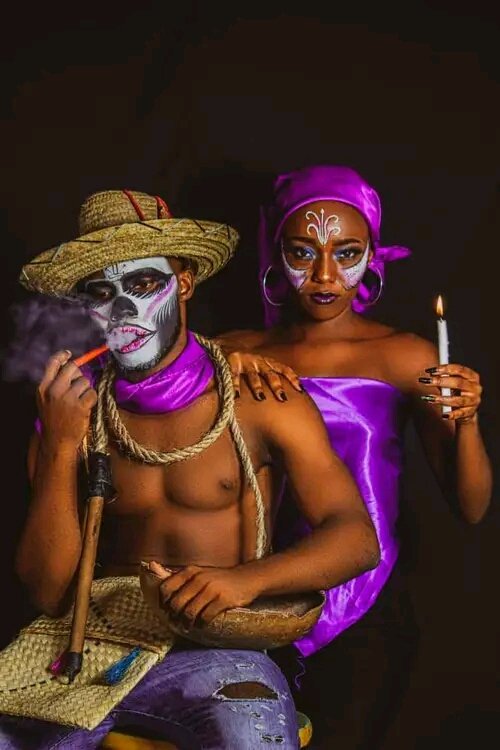
Le Makaya est bien plus qu’une simple fête ; il est un pilier spirituel du vaudou haïtien, une tradition vivante qui lie les croyances ancestrales aux rituels de purification, de guérison et de renouveau. Célébré principalement à la fin du mois de décembre, le Makaya tire ses racines de l’Afrique, en particulier des civilisations bantoues, et se déroule dans un contexte profondément spirituel où les liens avec les ancêtres et les forces naturelles sont essentiels.

Le terme "Makaya", qui signifie "feuilles" en Kikongo, est intrinsèquement lié à la nature et aux plantes, éléments essentiels du vaudou. Ce lien direct avec la nature fait du Makaya un moment de purification, où les croyants se connectent à la terre et aux esprits par l’intermédiaire des végétaux. La tradition du Makaya vient des peuples Bantous, principalement du Congo, et de leurs pratiques spirituelles qui ont été transposées, adaptées et enrichies par la diaspora haïtienne pendant la période de l’esclavage.

La période du Makaya commence le 21 décembre, lors du solstice d’hiver, une date symbolique marquant la victoire de la lumière sur les ténèbres, le commencement du renouveau solaire. Dans le vaudou, cette époque est perçue comme un moment d’introspection où la nuit la plus longue de l’année se transforme lentement en jour, apportant avec elle des forces purificatrices et régénératrices.

Le rituel de purification- le bain de Simbi Macaya

Dans le cadre du Makaya, les vaudouïstes pratiquent un rituel de purification appelé le "bain Simbi Macaya". Ce bain est un acte spirituel où l’on utilise des plantes, des écorces et des feuilles ramassées dans les bois sacrés, lors de longues marches dans la nature. Ces éléments végétaux ont des vertus curatives et sont considérés comme des protecteurs contre les mauvaises énergies. Le bain symbolise un nettoyage intérieur et extérieur : il sert à purifier le corps, l’âme et la maison, afin de chasser les influences néfastes et d’attirer des bénédictions pour l’année à venir.

Le processus de purification qui accompagne le Makaya est aussi un moment de reconnexion avec les ancêtres. Les pratiquants croient que les ancêtres, en particulier ceux qui sont considérés comme des esprits protecteurs ou "lwa", peuvent influencer leur vie en fonction de la manière dont ils respectent les rituels et préservent la pureté spirituelle.

Le Makaya et la relation avec les ancêtres

Les ancêtres jouent un rôle central dans le vaudou haïtien, et c’est particulièrement vrai pendant la période du Makaya. Chaque année, les vaudouïstes cherchent à renforcer leurs liens avec leurs ancêtres en leur offrant des prières, des danses et des offrandes. Le rituel comprend également des cérémonies dédiées aux esprits, comme les "lwa", qui sont invoqués pour obtenir protection et guidance. L’esprit de l’ancêtre ou du "lwa" peut, selon les croyances, prendre possession de l’un des participants lors des rituels, offrant ainsi une forme de communication directe avec le monde spirituel.

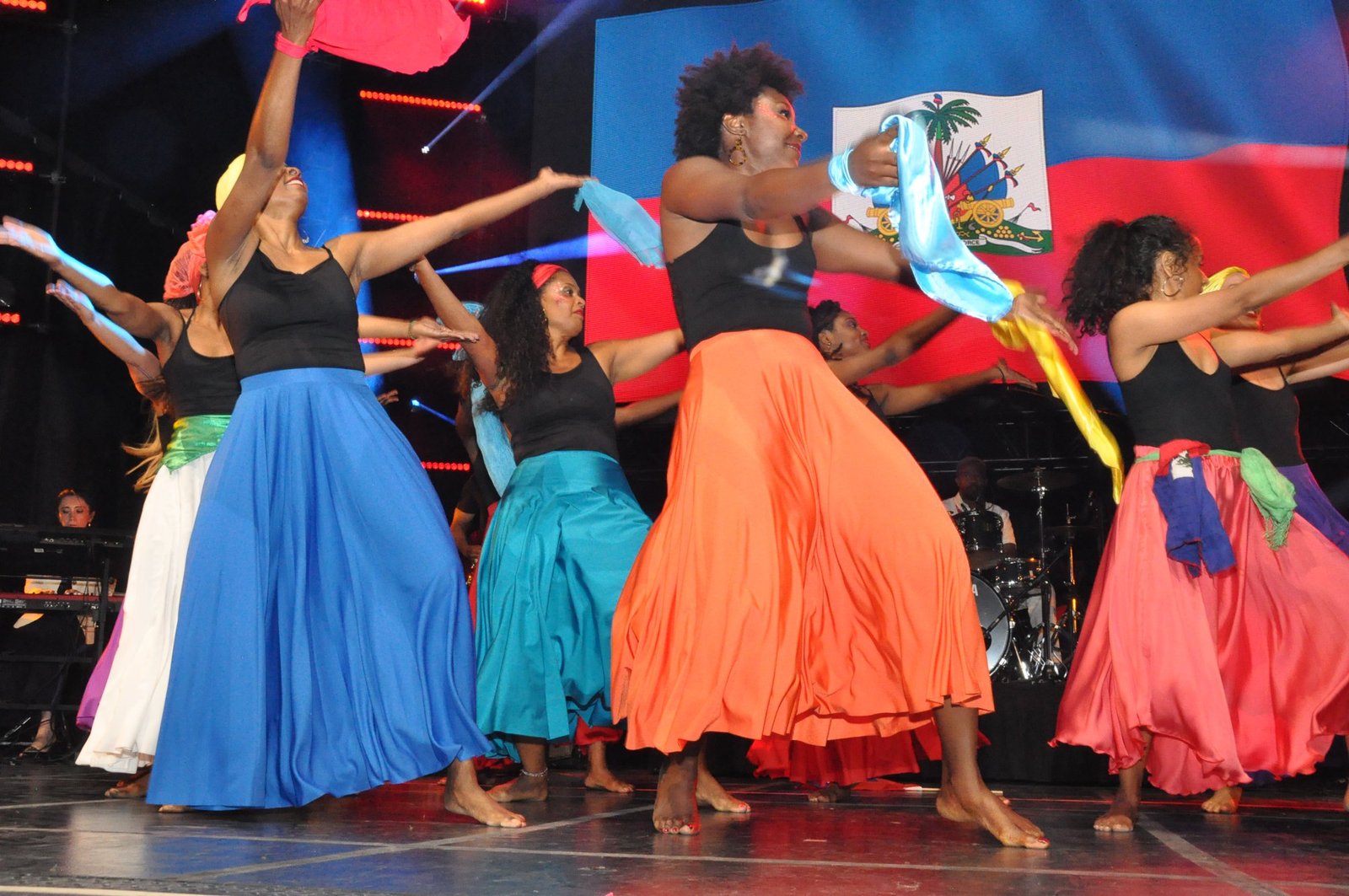
Les cérémonies de Makaya comprennent souvent des chants, des danses et des offrandes de nourriture, de boissons, ainsi que des objets sacrés destinés à honorer les esprits. Ces moments sont aussi des occasions de réaffirmer la communion entre les vivants et les morts, un aspect fondamental du vaudou.

Le Makaya et la résistance spirituelle- L’héritage de MACKANDAL

Le Makaya est également associé à l’histoire de la résistance contre l’oppression, en particulier à la lutte pour la liberté des esclaves haïtiens. L’un des personnages historiques les plus emblématiques liés au Makaya est François Mackandal, un leader révolutionnaire haïtien et prêtre vaudou. En tant que figure emblématique de la résistance, Mackandal utilisait sa connaissance des plantes et des feuilles pour empoisonner les colons et organiser des soulèvements contre le système esclavagiste. Il a été exécuté par le feu en 1758, mais son esprit demeure vénéré, en particulier sur les montagnes du Sud d’Haïti, où se trouve le Pic Makaya.

Cette dimension historique de la résistance fait du Makaya une célébration de la victoire sur l’oppression. Dans le vaudou haïtien, les plantes ne servent pas seulement à guérir ou à purifier, elles sont aussi des symboles de rébellion et de liberté. Ainsi, le Makaya n’est pas seulement une période de purification spirituelle, mais aussi un hommage à l’esprit de lutte pour l’indépendance et la justice.

Le Makaya reflète la place centrale du vaudou dans la vie quotidienne des Haïtiens. La purification par les feuilles et les plantes est un thème récurrent dans de nombreuses cérémonies vaudouesques. Dans les périodes précédant le Makaya, les adeptes du vaudou se rendent dans les bois sacrés pour ramasser des plantes spécifiques qui serviront à la purification et aux guérisons. Cette quête de plantes et d’herbes est accompagnée de prières et d’invocations, car chaque feuille, chaque plante, est porteuse d’un pouvoir spirituel.

Le rituel de purification prend également en compte la purification des espaces sacrés tels que les "djevò" (autels), les "potomitan" (colonnes sacrées), et les instruments rituels comme les "ason" (bâtons de pouvoir) et les "tambours". Tout doit être purifié et sanctifié avant d’être utilisé lors des cérémonies. Le bain purificateur est donc un moyen de se débarrasser des mauvaises influences et de créer un espace sacré propice à l’invocation des esprits protecteurs.

Le Makaya, un temps sacré et spirituel

Le Makaya, au-delà d’être une fête populaire ou un événement culturel, est une manifestation de la profonde spiritualité haïtienne, où se mêlent histoire, résistance, purification et vénération des ancêtres. Il s’inscrit dans une tradition vivante, où chaque année, les Haïtiens se retrouvent pour réaffirmer leur foi dans les forces invisibles qui régissent l’univers. Le Makaya est un moment de renouveau spirituel qui rappelle la puissance des plantes, des ancêtres et des esprits dans la vie quotidienne, tout en honorant un héritage de lutte et de résistance qui fait partie intégrante de l’identité haïtienne. C’est une célébration de la lumière, de la vie et de la liberté, à travers le prisme du vaudou haïtien.

Share
About the Author
Faïly Anderson Trazil

    Medical student, software developer, UX/UI designer, and web writer.
    Driven by a deep passion for writing and digital innovation.

    Email: failyandersontrazil@gmail.com

    See other articles from Faïly Anderson Trazil
    Leave a comment

    Recently Posted

    Newsletter

    Subscribe to our newsletter to stay informed of all our activities and news on Haiti.

    Haïti Wonderland: Technology at the Service of the Haïtian Narrative

    On this 220th anniversary of the legendary independence of Haïti, a new initiative is born on the web: Haïti Wonderland. Launched on January 28, 2024, this innovative site’s mission is to revolutionize the way Haïti is perceived online, by highlighting its natural, cultural, historical and human assets. b~An Ambitious Vision~b Haïti Wonderland aspires to a significant change in the perception of Haïti on the Internet. The goal is clear: when you search for “Haïti” on search engines, you should be greeted by beautiful images and inspiring stories. The team behind Haïti Wonderland wants to transform the web to allow only the beauty and wealth of this country to emerge, thus reflecting Haïtian reality. b~Authentic and Immersive Content~b To achieve these goals, Haïti Wonderland regularly publishes news articles and special blogs highlighting Haïti’s beauty, historic destinations, exquisite cuisine and anything else that can spark Haïtian pride. The emphasis is on promoting a positive and authentic image of the country. The experience offered to visitors to the site is also out of the ordinary. Thanks to virtual reality, you can explore the treasures of Haïti from anywhere in the world, providing total immersion in the splendor of this jewel of the Antilles. b~Smart Support and Rewards~b Haïti Wonderland goes beyond by integrating artificial intelligence on its site. This AI is there to provide visitors with all the information they need about Haïti, thus guiding their journey through the site in an interactive way. And that’s not all ! Haïti Wonderland offers an incentive compensation program for contributors. You can earn money by publishing blog posts on the site, rewarded based on the number of views generated. b~Commitment to Narrative Change~b The founder of Haïti Wonderland, Appolon Guy Alain, sees his initiative as a way to actively participate in changing the Haïtian narrative on the Internet. It is open to any collaboration and support aimed at achieving this common objective of improving the image of Haïti online. Through Haïti Wonderland, Appolon also wishes to raise awareness among online media to stop broadcasting demeaning images of Haïti that contribute to tarnishing its reputation. He calls for collective commitment to present the best version of Haïti. To discover the beauty of Haïti from a new perspective, visit the website: https://haitiwonderland.com or download the application from Play Store: https://play.google.com/store/apps/details?id =com.appographic.haitiwonderland. For all correspondence, contact them by email at contact@haitiwonderland.com. Haïti Wonderland: Rediscover, Share, Marvel.

    Haiti: Camp Louise: A Hidden Treasure in the Heart of Acul du Nord Bay

    At the entrance to Haiti’s beautiful Baie de l’Acul du Nord lies an oasis of tranquility and natural beauty: Camp Louise, more affectionately known as Saint Michel Beach. With its black sand and rushing swells, this beach offers a spellbinding experience that captures the wild spirit of nature. As soon as you set foot on this enchanting shore, you are enveloped by an atmosphere of mystery and serenity. The "ajoupas" dotted along the beach are home to modest restaurants serving local delicacies, from fresh grilled fish to succulent conch. With every bite, you taste the exquisite fusion of authentic flavors that celebrate Haiti’s culinary richness. On your right, majestically sits the "M&M" restaurant, ready to delight your taste buds with its irresistible specialties, available to serve you at the end of the week, to crown your beach days with an exquisite gastronomic note. Despite its proximity to the bustling town of Cap-Haïtien, located just 26 kilometers away, Camp Louise seems like a world apart. Accessible both by road and by sea, by jet ski from the neighboring beaches of Gaderas and Labadie, this beach offers a welcome escape from the hustle and bustle of everyday life. Whether you are looking for adventure, relaxation or simply connection with nature, Camp Louise will meet all your desires. Its turquoise waters invite you to swim, its sandy beaches invite you to relax, and its warm atmosphere inspires wonder. For travelers seeking authentic experiences and breathtaking scenery, Camp Louise proves to be a hidden treasure worth discovering and celebrating. So, let yourself be carried away by the captivating magic of this rare pearl in the heart of the Bay of Acul du Nord, and let your worries float away with the waves that gently caress its shores.

    Appolon Guy Alain: Reference Web Designer in Haiti

    In the ever-changing world of web development, some names stand out for their expertise, creativity and commitment to knowledge sharing. Among them, Appolon Guy Alain shines like a beacon in the web design industry in Haiti. With more than 70 websites to his credit, intranet systems and many other projects, he is recognized as an indisputable reference in his field. What sets Apolon’s work apart are the attractive interfaces it creates. Sites such as https://haitiwonderland.com/, https://leadersdedemain.org/, https://shippex.net/, https://telehaiti.ht/, https://www.kelphotographystudio.com/, https ://leparadishaitien.ht/, https://beltike.com/ and many others, demonstrate his exceptional talent for combining aesthetics and functionality in a harmonious way. The key to Apolon’s success lies in its ability to merge art and technology. Before becoming an accomplished computer scientist, he was already a painter, a professional musician and a computer graphic designer. This diversity of talents gives him extraordinary creativity, allowing him to imagine unique and memorable interfaces. But Apolon not only creates remarkable websites, he also generously shares his knowledge and experience. In December 2022, he launched Coding Club Haiti, an initiative aimed at providing younger generations with the opportunities offered by the digital world. This initiative has gone beyond the borders of Haïti thanks to a collaboration with the Scientific Club of Students of the Virtual University of Burkina Faso, thus allowing Appolon to share its knowledge with young people from Burkina Faso, and soon, other countries from Africa. Read also: https://haitiwonderland.com/haiti/personnalite/expert-en-seo-et-uiux-design--decouvrez-le-developpeur-haitien-appolon-guy-alain/65 For Appolon, digital represents an essential pillar for the economic development of his country, Appolon is fully committed to this change. However, Apollo does not rest on his laurels. Always eager to learn, he is currently venturing into fields such as robotics and artificial intelligence, looking forward to the challenges the future holds. If you are looking for someone to create your website, Apolon is undoubtedly the best choice. Do not hesitate to contact him on his Facebook or Instagram page, or visit his personal website at https://www.appographic.com. With Appolon Guy Alain, your web project is in expert and creative hands, ready to bring your most daring ideas to life. Follow Appolon on Facebook : https://www.facebook.com/appolon.guyalain Linkedin : https://www.linkedin.com/in/appolon-guy-alain-298424113 Instagram : https://www.instagram.com/appolonguyalain65 Twitter : https://twitter.com/GuyAppolon Github : https://github.com/Appogithub

    Recently Posted

    History

    History

    First black nation to free itself from slavery and gain independence from France in 1804 and influenced other liberation movements around the world, inspiring struggles for freedom and equality.

    Natural beauty

    Natural beauty

    Haïti is blessed with spectacular natural landscapes, including white sand beaches, mountains and rich biodiversity.

    Heritage

    Heritage

    Haïti has a rich historical heritage, including sites like the Citadelle Laferrière and the Sans-Souci Palace, listed as UNESCO World Heritage Sites.

    Culture

    Culture

    Haïti has a rich and diverse culture, influenced by African, European and indigenous elements. Haitian music, dance, art and cuisine are celebrated around the world.

    • +
      • Post