

1. Hotel Cyvadier Restaurant - Jacmel
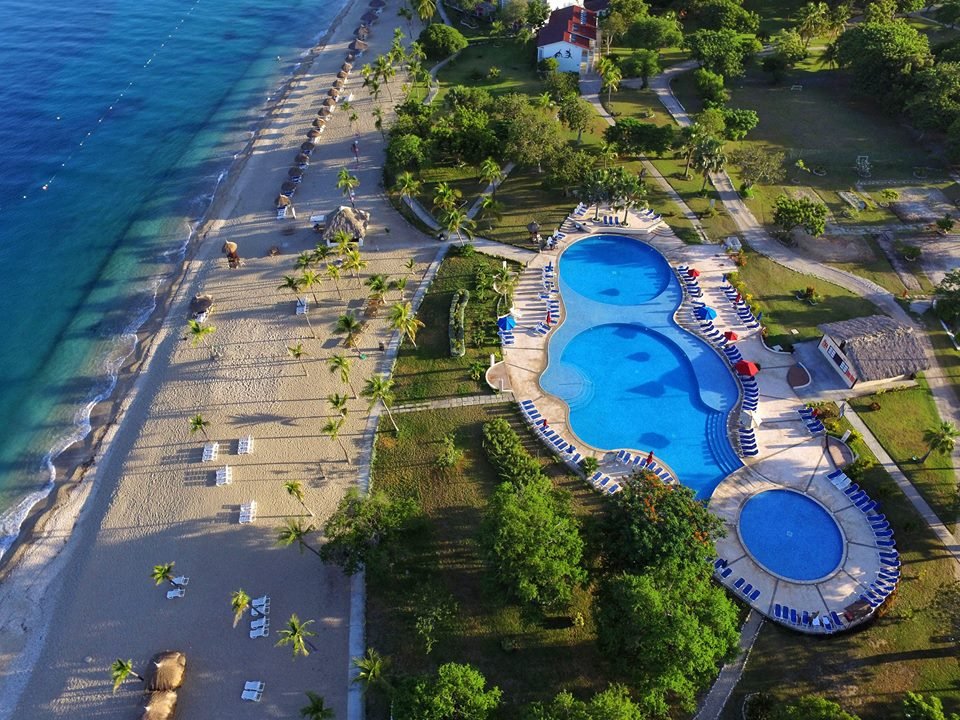
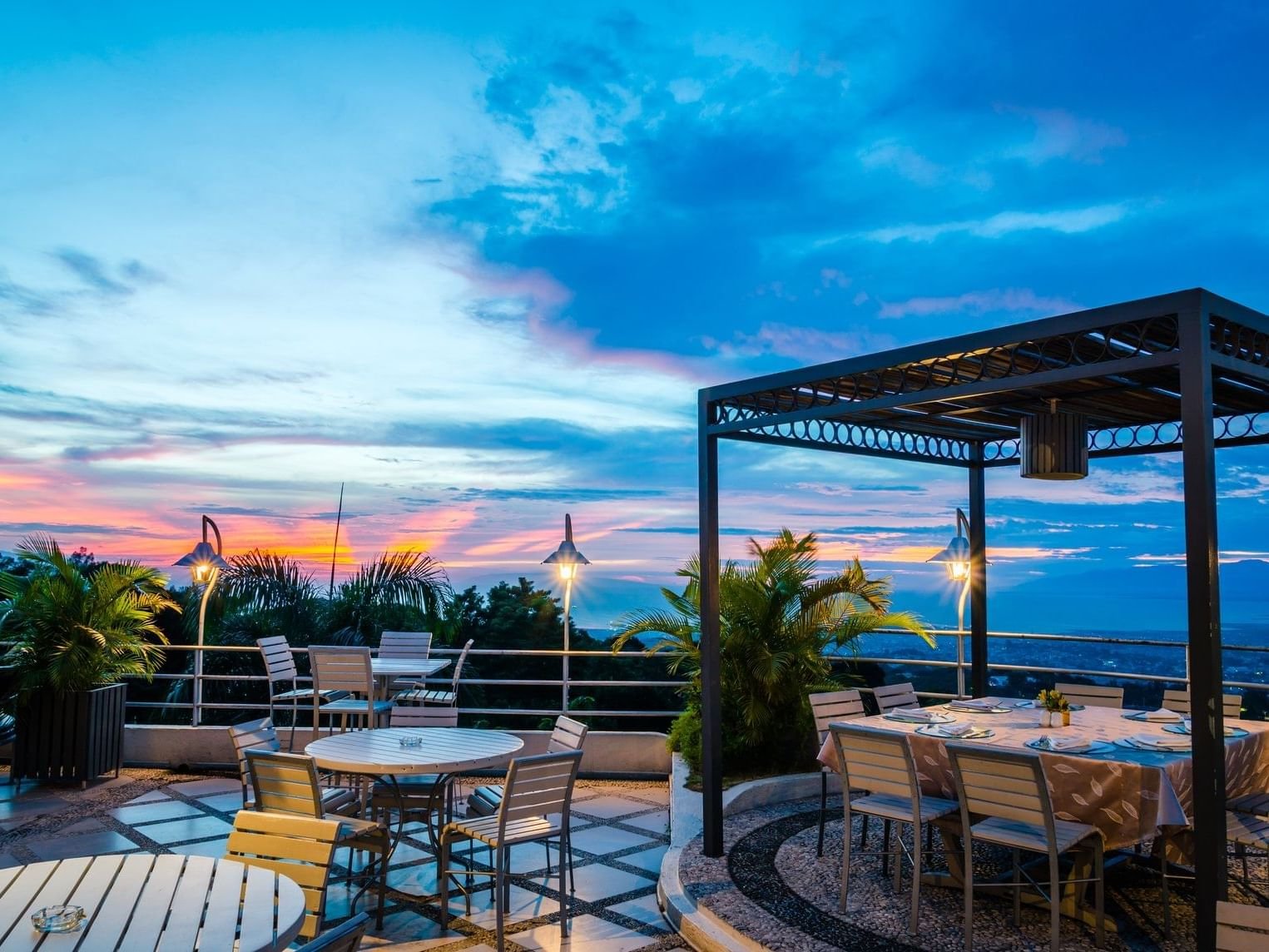
Located in Jacmel, Hotel Cyvadier Restaurant offers stunning views of the Caribbean Sea. With its comfortable rooms and gourmet restaurant, this hotel combines charm and hospitality.
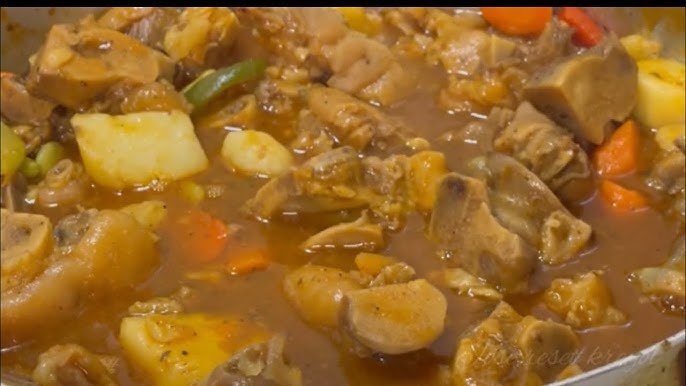
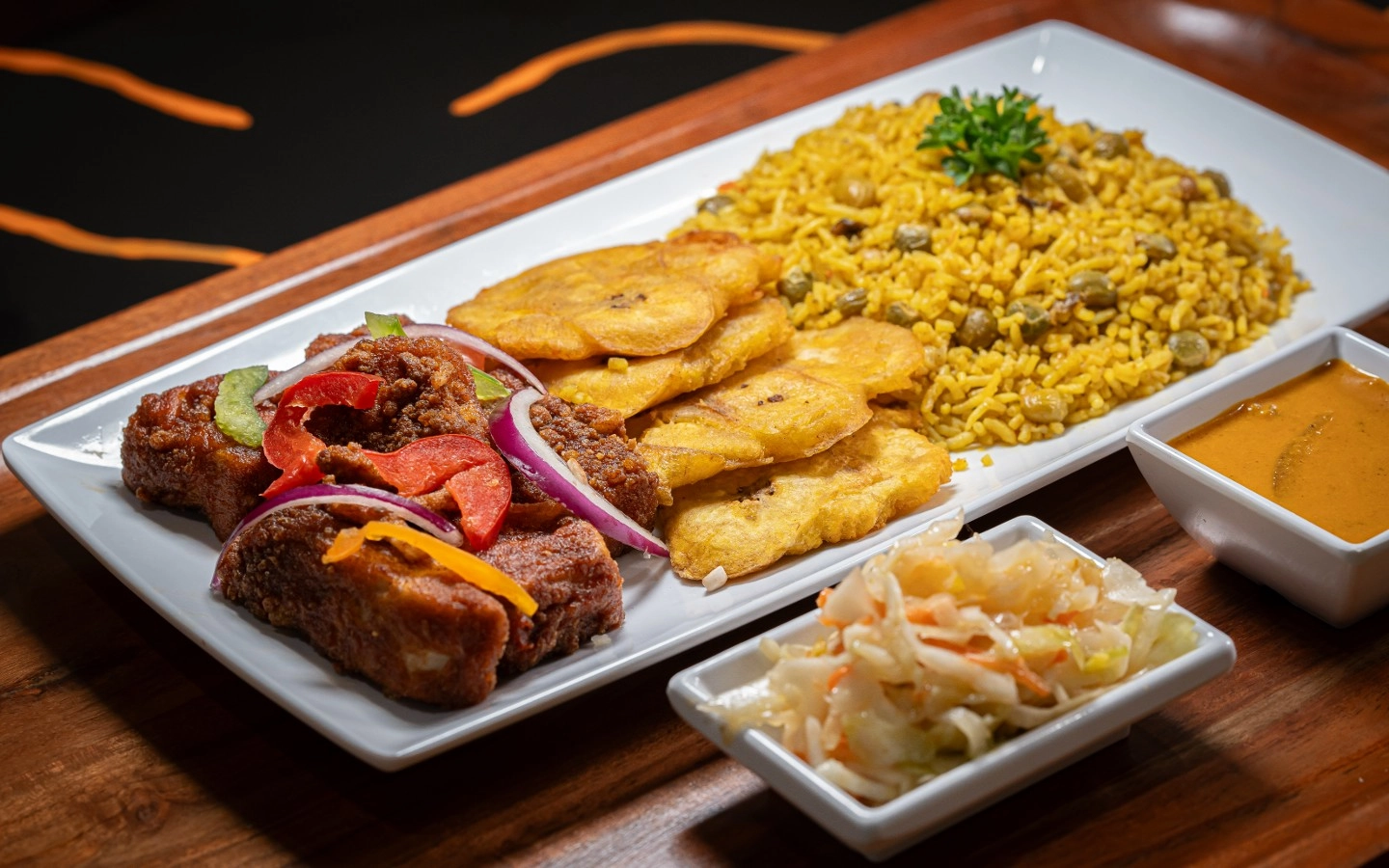
Welcome to Haiti, the pearl of the Caribbean! This enchanting country offers much more than white sandy beaches and crystal clear waters. To complete your heavenly experience, here is a list of 12 restaurants to visit in Haïti where you can taste the best Haitian dishes.
Read the article in :
Located in Jacmel, Hotel Cyvadier Restaurant offers stunning views of the Caribbean Sea. With its comfortable rooms and gourmet restaurant, this hotel combines charm and hospitality.

Ideal for breakfast, lunch or dinner facing the ocean, Boukanye is an unmissable place in Cap Haïtien where the atmosphere is in full swing on weekends. Many evenings and concerts are organized for a unique experience.

With a friendly atmosphere, Lakay offers a restaurant and a dance bar. Evening events and concerts are regularly organized, and the cuisine offers a delicious fusion of traditional Creole and international dishes.

The Karibe Hotel is renowned for its blend of elegance and modernity. Spacious rooms, world-class spa facilities and gourmet restaurants make this hotel a top choice in Pétion-Ville.

A quiet and relaxing place after visiting the museum, Les Jardins du Mupanah offers a spacious, comfortable and clean space in the middle of the city center. Modern architecture adds a touch of elegance to these delicious gourmet restaurants.

A great place in the Pacot neighborhood of Port-au-Prince to dine on your favorite dishes six days a week, sip local coffee accompanied by homemade pastries during our special weekend breakfast. Weekly concerts with outdoor and indoor garden seating available.

Located in Port-au-Prince, GINGERBREAD RESTAURANT is located in a gingerbread-style house, an emblematic architecture of Haiti. The intimate atmosphere and delicious food make it a place not to be missed.

The Kokoye Bar & Grill is a unanimously acclaimed restaurant serving Creole specialties and pizzas. You can also enjoy burgers, seafood and other delicacies in a warm atmosphere.

Located in Pétion-Ville, Magdoos offers an oasis of tranquility. The well-tended gardens and spacious rooms create a relaxing atmosphere, perfect for escaping the hustle and bustle of everyday life.

Nh Haïti El Rancho, in Pétion-Ville, blends modern elegance with Haitian heritage. World-class facilities, a spectacular swimming pool and exceptional service make it a premier destination.

Located in Cap-Haïtien, Cap Deli is a charming restaurant that offers a warm atmosphere. it is a captivating choice where you can taste special dishes that will make you drool.

In Jacmel, the Hotel Florita Bar and Restaurant is a place full of charm and history. Housed in an old colonial house, offers a unique experience combining elegance and tradition.
As you explore these restaurants, you will discover the diversity and richness of Haitian hospitality. Whether you are looking for relaxation, adventure or culture, Haïti has everything you need to make your stay unforgettable. Take advantage of these hidden gems and let yourself be carried away by the magic of this heavenly country.

Facebook : https://www.facebook.com/haitiwonderland
Youtube : https://www.youtube.com/@haitiwonderland
Instagram : https://www.instagram.com/haitiwonderland/
Twitter : https://twitter.com/haitiwonderland
Linkedin : https://www.linkedin.com/in/haitiwonderland/
Haiti, the hidden gem of the Caribbean, offers a multitude of heavenly beaches that seduce with their natural beauty and tranquility. Far from the crowded tourist routes, these beaches offer an idyllic getaway for those looking for a true haven of peace. Here’s a look at Haiti’s most beautiful beaches, each one unique in its own way.
Salt production in Haïti is an ancestral know-how that plays an essential role in the economy of coastal areas. The regions most recognized for salt production are the Salines de Petite-Rivière de l’Artibonite, the coasts of Île de la Gonâve, the Salines de Port-au-Prince, as well as parts of the North and Southeast. This process, which depends on the country’s natural geography and maritime resources, continues to support local communities while providing an indispensable product to the Haitian economy.
Subscribe to our newsletter to stay informed of all our activities and news on Haiti.
Haiti, the world’s first independent black republic, played an exceptional role in the quest for independence for other nations. Although often overshadowed by other historical events, Haiti’s contribution to the liberation of other countries was significant and deserves to be highlighted. b~The Haitian Revolution~b At the turn of the 19th century, Haïti threw off the chains of slavery and achieved the impossible by freeing itself from French colonial rule. In 1804, the country proclaimed its independence, ushering in a new era for oppressed peoples around the world. b~Inspiration for Latin America~b The Haitian Revolution was a major source of inspiration for independence movements in Latin America. Iconic figures such as Simón Bolívar and Francisco de Miranda recognized the courage and determination of Haitians as a driving force for their own struggles. By materially and ideologically supporting these movements, Haïti contributed to the emergence of several independent nations in South America. b~Influence in Africa~b Beyond the Americas, Haïti also played a crucial role in the quest for independence in Africa. African leaders have left a legacy that has inspired entire generations of freedom fighters on the African continent. The idea that oppressed people could rise up against their oppressors found a powerful echo in the struggles for independence in Africa. b~Support for Liberation Movements~b Throughout its history, Haïti has provided substantial support to liberation movements around the world. Whether through troop dispatches, financial resources or active diplomacy, the country has demonstrated its solidarity with those fighting for their autonomy. Haiti’s contributions have often been discreet but crucial. Haiti, as a pioneer of independence and freedom, has left a lasting impact on the world stage. His legacy resonates across continents, reminding the world that the quest for freedom is universal. By recognizing and celebrating Haiti’s role in the independence of other nations, we not only honor its history, but we also commit to promoting a future where all people have the opportunity to shape their destiny.
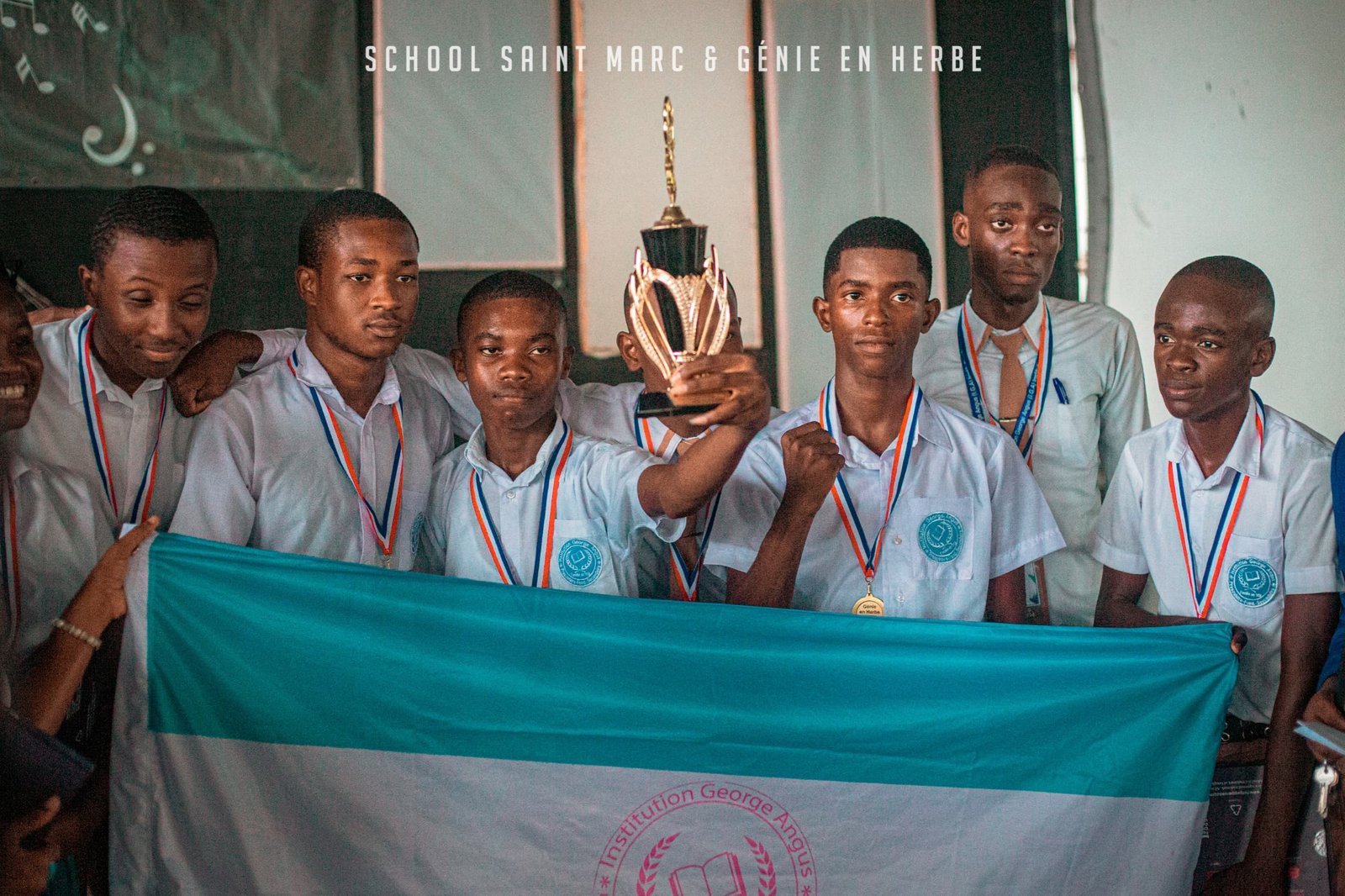
On March 17, 2024, the city of Saint-Marc vibrated to the rhythm of the first edition of the Concours de Génie en Herbe, a unique initiative full of promise for the local educational community. This event, organized by the dynamic Piqûre Intellectuelle team, brought together the best students in the region for a celebration of academic excellence and the spirit of camaraderie.
KOJES is a non-profit youth association founded in November 2020 in Cité Soleil, the largest slum in Haïti and the Caribbean. From its inception, KOJES has been committed to promoting education, culture, and training through various initiatives. One of its flagship projects is a space for social and cultural debate that has allowed many young people to meet and discuss social issues. Although the clashes that resumed in Cité Soleil in September 2022 temporarily halted this section, KOJES was able to recover by launching the KOJES letter-writing competition, aimed at reestablishing this precious connection between young people through literature. Today, the association is embarking on a new challenge with the Jèn Soley Festival, which will take place from September 20 to 22, 2025, under the evocative theme: "Saying to Exist." Among the guests participating in this festival are the renowned Lyonel Trouillot, the talented poet Carl Henry Burrin, the young slam poet Pacôme Emmanuel, the novelist Louis Bernard Henry, the poet Inima Jeudi, and the young poet Adlyne Bonhomme.
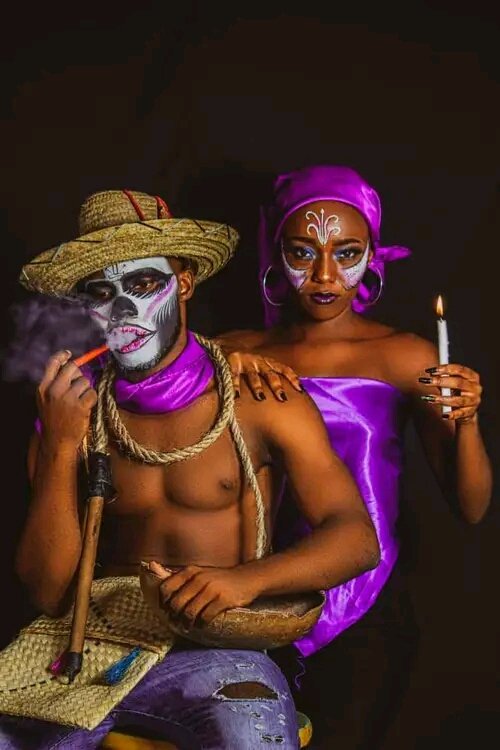
The Guédés Festival is a significant event in the Haitian Vodou religion. It takes place every November 1st and 2nd in Haiti, and it is dedicated to paying homage to the dead. Here are some elements to better understand this celebration: Meaning of Guedes: Guédés are spirits of death in the voodoo pantheon. They symbolize the transition between life and the afterlife. Different names are attributed to these spirits: Papa Guédé, Guédé Nibo, Guédé Masaka, Guédé fouillé, Guédé plumage. In the Voodoo concept, the Guédés maintain a harmonious relationship with the dead. Ritual of the Feast of the Gedes: Vodouists clean the graves and bring flowers to honor the memory of the deceased. They dance and sing to the rhythm of vodou and rara music. Vèvè (sacred symbols) are drawn to invoke the spirits. The color black, symbol of mourning, marks the beginning of life in the voodoo world. Purple mauve evokes transformation, and white symbolizes purity. Relationship with Protestants and Christians: Some Protestants reject the Feast of Geeds and organize days of prayer to chase away “evil spirits”. Christians do not pray for their dead, because their faith teaches them that the deceased are welcomed by the Lord. In short, the Guédés festival is a crucial moment for Vodouists, marking the temporary return of spirits to the world of Vodou. It shows respect for the dead and is an integral part of Haitian culture.

First black nation to free itself from slavery and gain independence from France in 1804 and influenced other liberation movements around the world, inspiring struggles for freedom and equality.

Haïti is blessed with spectacular natural landscapes, including white sand beaches, mountains and rich biodiversity.

Haïti has a rich historical heritage, including sites like the Citadelle Laferrière and the Sans-Souci Palace, listed as UNESCO World Heritage Sites.

Haïti has a rich and diverse culture, influenced by African, European and indigenous elements. Haitian music, dance, art and cuisine are celebrated around the world.