Haiti, a nation rich in history and culture, occupies a special position in the Caribbean region. But where exactly is Haïti located in this tropical archipelago? Discover its geographical location and what makes this country stand out among its island neighbors.
Haïti is located in the Greater Antilles archipelago, a subset of the Caribbean that also includes Cuba, Jamaica, and Puerto Rico. It shares the island of Hispaniola with the Dominican Republic, occupying the western part of this island, the second largest in the Greater Antilles.
Haïti is bordered to the north by the Atlantic Ocean and to the south by the Caribbean Sea. To the west, the country is separated from Cuba by the Windward Canal, while to the east, it shares a 376 km land border with the Dominican Republic. This geographical location places Haïti at a key maritime crossroads in the region.
In addition to its land border with the Dominican Republic, Haïti is close to several other Caribbean territories:
- Cuba: located approximately 80 km to the northwest, on the other side of the Windward Channel.
- The Bahamas: to the north, across the Atlantic Ocean.
- Jamaica: to the southwest, separated by the Caribbean Sea.
This proximity to other islands makes Haïti a central point for historical and cultural exchanges in the region.
Haiti’s Unique Surface Area and Topography
Haïti covers an area of 27,750 km² and is famous for its mountainous terrain, which has earned it the nickname "country of mountains". This landscape contrasts with the heavenly beaches along its coasts. The capital, Port-au-Prince, is located in the West department, on the edge of the bay of the same name.
Haiti: A Country with an Unmissable History in the Caribbean
Haïti occupies a unique place in the Caribbean region. It was on its lands that Christopher Columbus landed in 1492, marking the beginning of European colonization in the Americas. In 1804, Haïti became the first independent country in the Caribbean and the first black state to abolish slavery, making it a symbol of freedom in the region.
How to Locate Haïti in the Caribbean?
On a map, simply locate the Greater Antilles in the northwestern part of the Caribbean. Hispaniola, the island that Haïti shares with the Dominican Republic, is easily spotted as the second largest island in this region, close to Cuba and Puerto Rico. Haïti occupies the western part of this island, between sea and mountains.
Haiti: A Geographic Treasure in the Heart of the Caribbean
Haïti is not just a dot on the Caribbean map, it is a historical, cultural and geographical crossroads. Its strategic position, diverse landscapes and rich history make it a must-see destination in this region of the world.
Whether you are interested in its beaches, its mountains or its role in the history of the Caribbean, Haïti shines with its location and its unique heritage in this vast tropical archipelago.
Share
About the Author
Appolon Guy Alain
Appolon Guy Alain
Full Stack Developer, Créatif, expérimenté, passionné des nouvelles technologies et de l’art.
J'adore Haitï mais c'est pas facile d'être haïtien au yeux des autres nations mais au moins je sais que nous sommes unique dans ce monde Free Haiti 🇭🇹 🇭🇹 🔥 🫣
First black nation to free itself from slavery and gain independence from France in 1804 and influenced other liberation movements around the world, inspiring struggles for freedom and equality.
Natural beauty
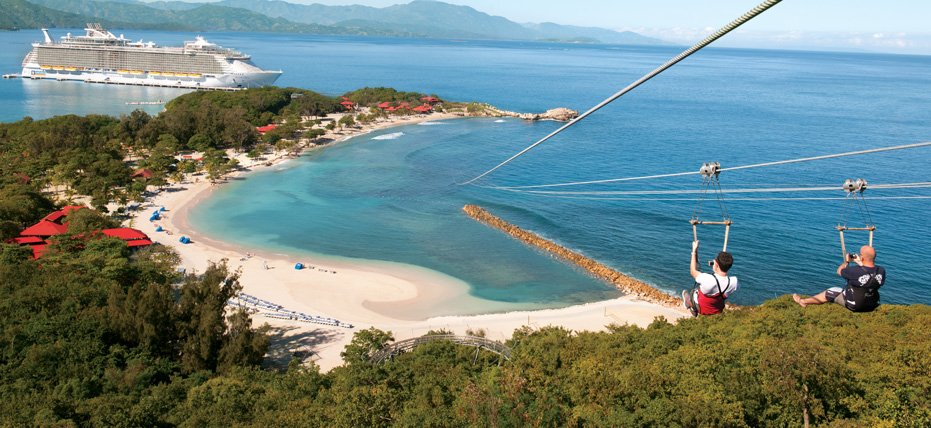
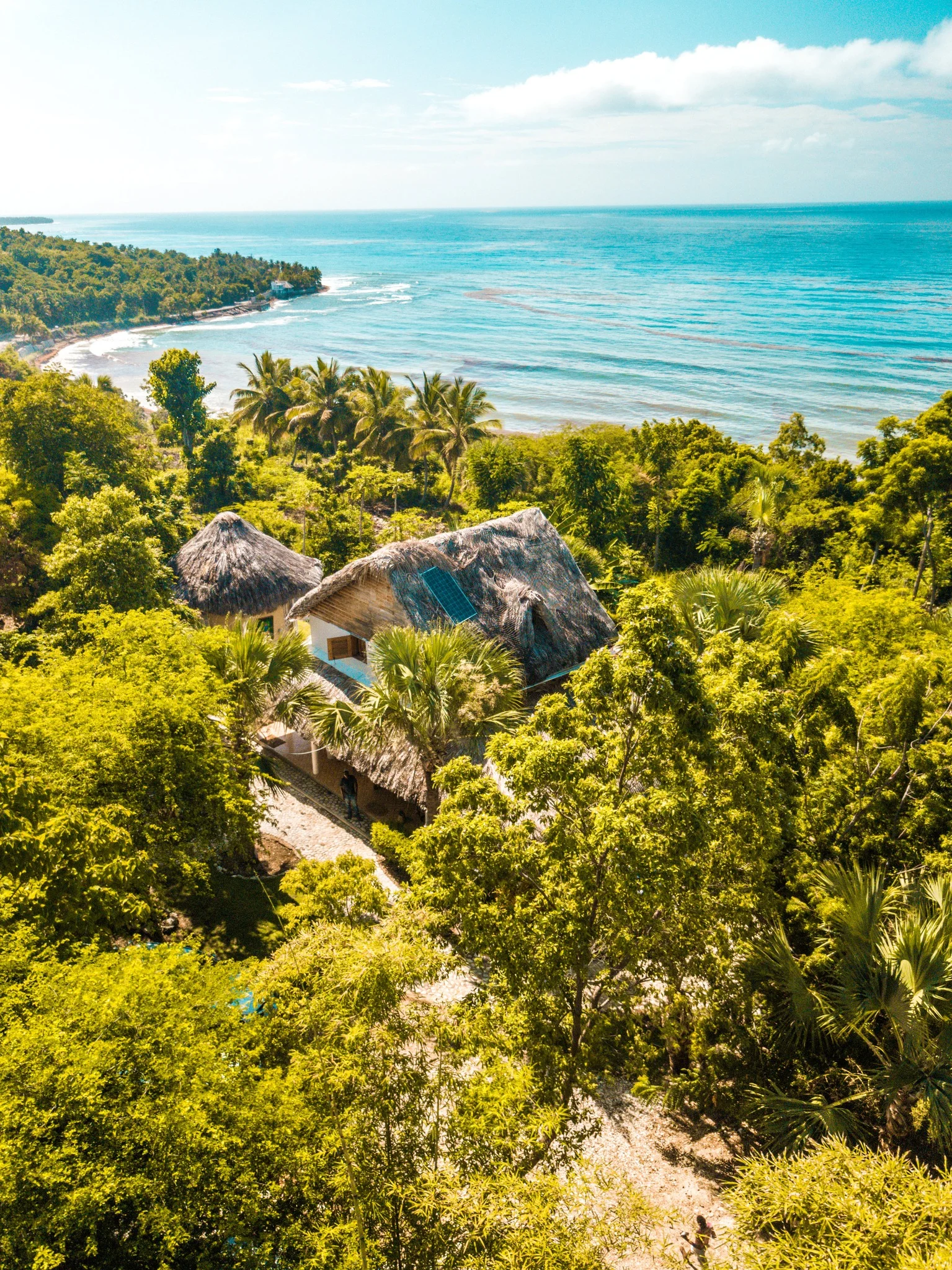
Haïti is blessed with spectacular natural landscapes, including white sand beaches, mountains and rich biodiversity.
Heritage
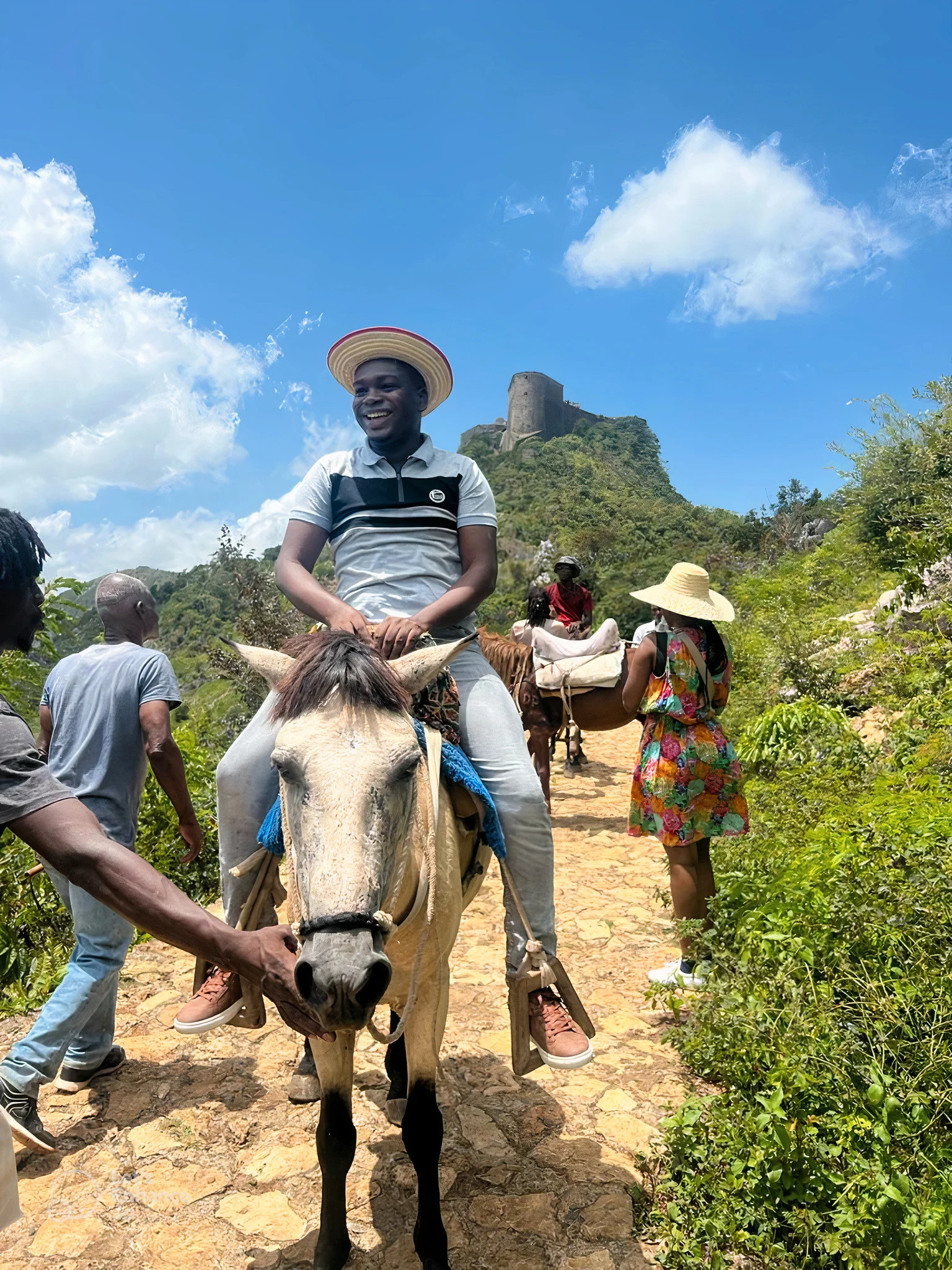
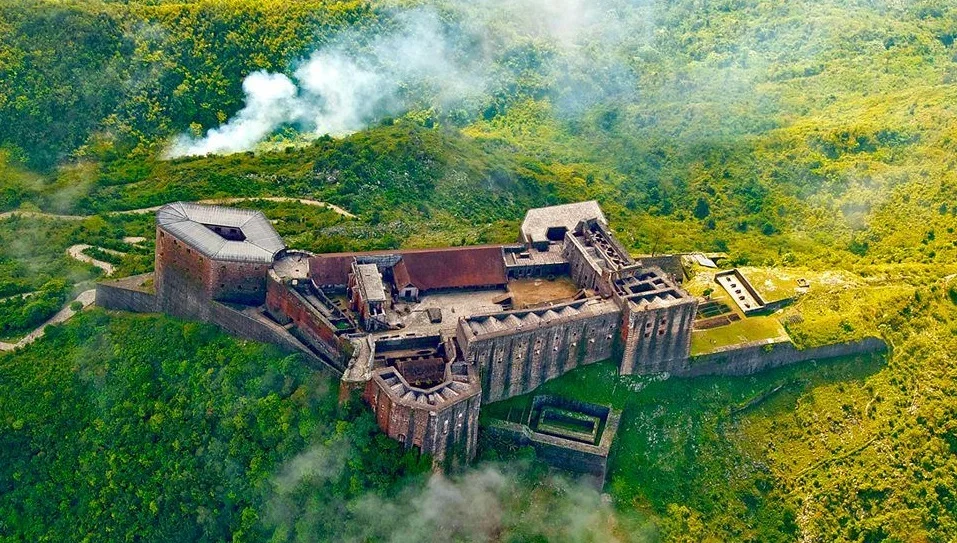
Haïti has a rich historical heritage, including sites like the Citadelle Laferrière and the Sans-Souci Palace, listed as UNESCO World Heritage Sites.
Culture
Haïti has a rich and diverse culture, influenced by African, European and indigenous elements. Haitian music, dance, art and cuisine are celebrated around the world.


























J'adore Haitï mais c'est pas facile d'être haïtien au yeux des autres nations mais au moins je sais que nous sommes unique dans ce monde Free Haiti 🇭🇹 🇭🇹 🔥 🫣
August 08, 2025 - 05:15:36 AM