Haiti, with its unique history and vibrant culture, is a country where language plays a central role in national identity. Haiti’s primary language is Haitian Creole, a rich and expressive language that reflects the country’s cultural mix. Although French is also an official language, Creole is spoken by almost the entire population and is a fundamental part of daily life. In this article, we will explore the origins, uses, and importance of Creole in Haiti.
Haitian Creole originated during the colonial period in the 17th and 18th centuries, when enslaved African populations were forced to communicate with their French colonists and each other, despite their different original languages. Creole developed from French, while incorporating African, Spanish, Taíno, and English influences.
Today, it is considered one of the most developed creoles, with a well-defined grammatical structure and a rich vocabulary that reflects multiple cultural influences.
In 1987, with the adoption of the Constitution, Haitian Creole was recognized as an official language alongside French. This recognition marked a historic turning point, affirming the central role of Creole in Haitian culture and identity.
Creole is much more than just a means of communication:
- It is the common bond between all Haitians, regardless of their social class or region.
- It is used in songs, proverbs and oral stories, which are pillars of Haitian culture.
- It symbolizes the resilience and creativity of the Haitian people in the face of historical challenges.
Creole and French: A Complex Coexistence
In Haiti, approximately 95% of the population speaks Creole, making it the most widely used language in everyday life. However, French remains widely used in official spheres, such as administration, education, and business.
This situation creates a linguistic divide:
- A minority, approximately 10% of the population, fully masters French, often used as a status symbol.
- Creole, although omnipresent, is sometimes perceived as a less prestigious language, a perception that is changing with promotion and standardization efforts.
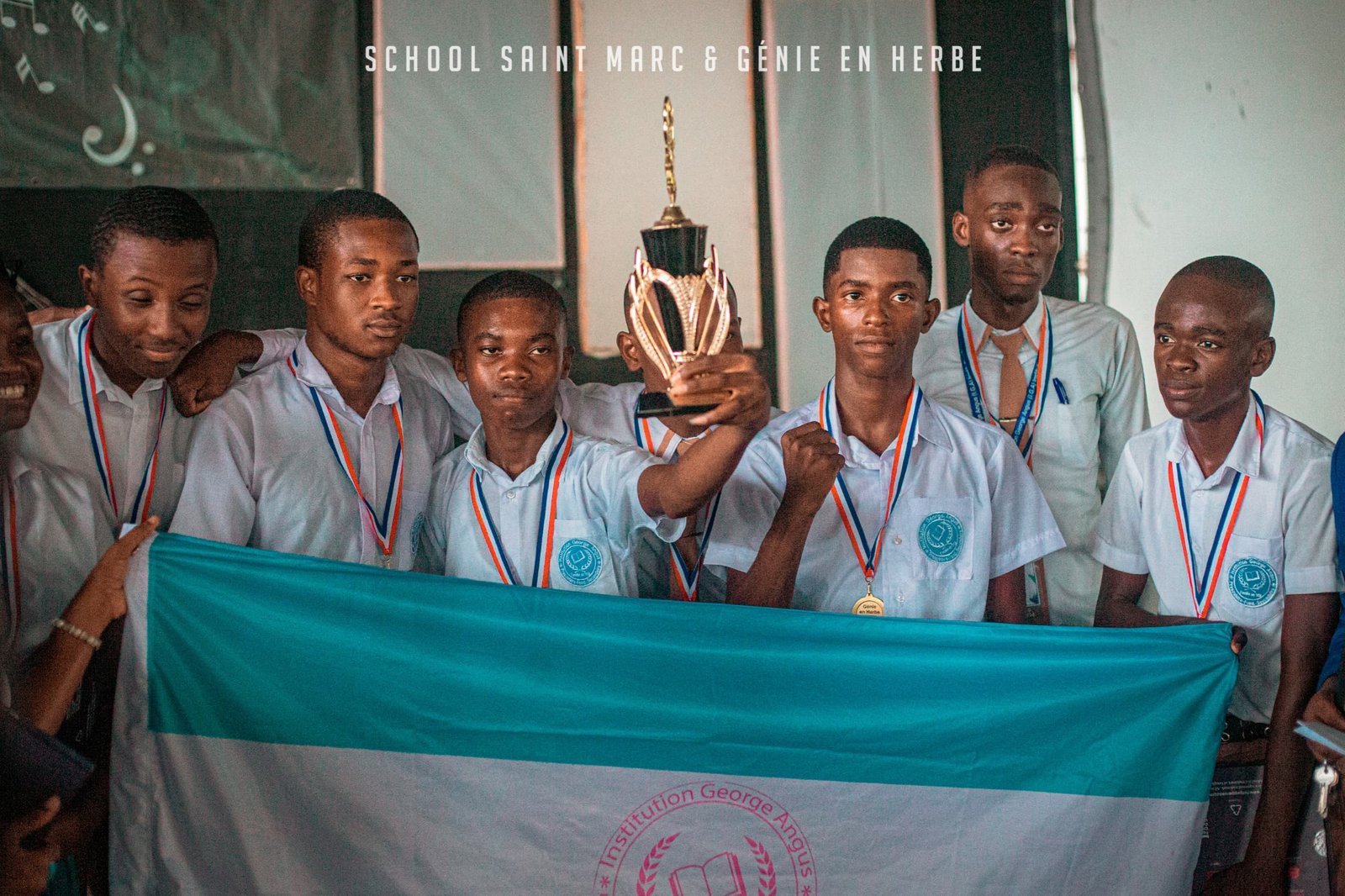
One of the challenges Haïti faces is the integration of Creole into the education system. Historically, education was primarily provided in French, which excluded a large portion of the population.
In recent decades, initiatives have emerged to:
- Introduce instruction in Creole from the earliest years of schooling.
- Train teachers capable of transmitting knowledge in this language.
- Develop textbooks and educational resources in Creole.
These efforts aim to reduce the illiteracy rate, which is still high, and to increase access to education for all.
Haitian Creole in the World
With a large diaspora in the United States, Canada, France and other countries, Haitian Creole is exported beyond national borders.
Initiatives to promote the language include:
- The production of literature, music and films in Creole.
- The recognition of Creole as an official language in regions such as Florida and Massachusetts, where many Haitian communities live.
- International Creole Languages Day, celebrated every year on October 28, which highlights the importance of Creole languages in the world.
- Number of speakers: Approximately 11 million, in Haïti and in the diaspora.
- Alphabet: Uses a standardized spelling since 1979, composed of 32 letters.
- Literature: Authors such as Frankétienne have written major works in Creole, contributing to its promotion.
Haitian Creole is much more than a main language: it is the soul of Haiti, unifying a people rich in cultural and historical diversity. Its recognition and promotion are essential to preserve national identity and offer opportunities to all Haitians.
What are your experiences with Haitian Creole? Share your stories and thoughts in the comments!
Share
About the Author
Appolon Guy Alain
Appolon Guy Alain
Full Stack Developer, Créatif, expérimenté, passionné des nouvelles technologies et de l’art.
First black nation to free itself from slavery and gain independence from France in 1804 and influenced other liberation movements around the world, inspiring struggles for freedom and equality.
Natural beauty
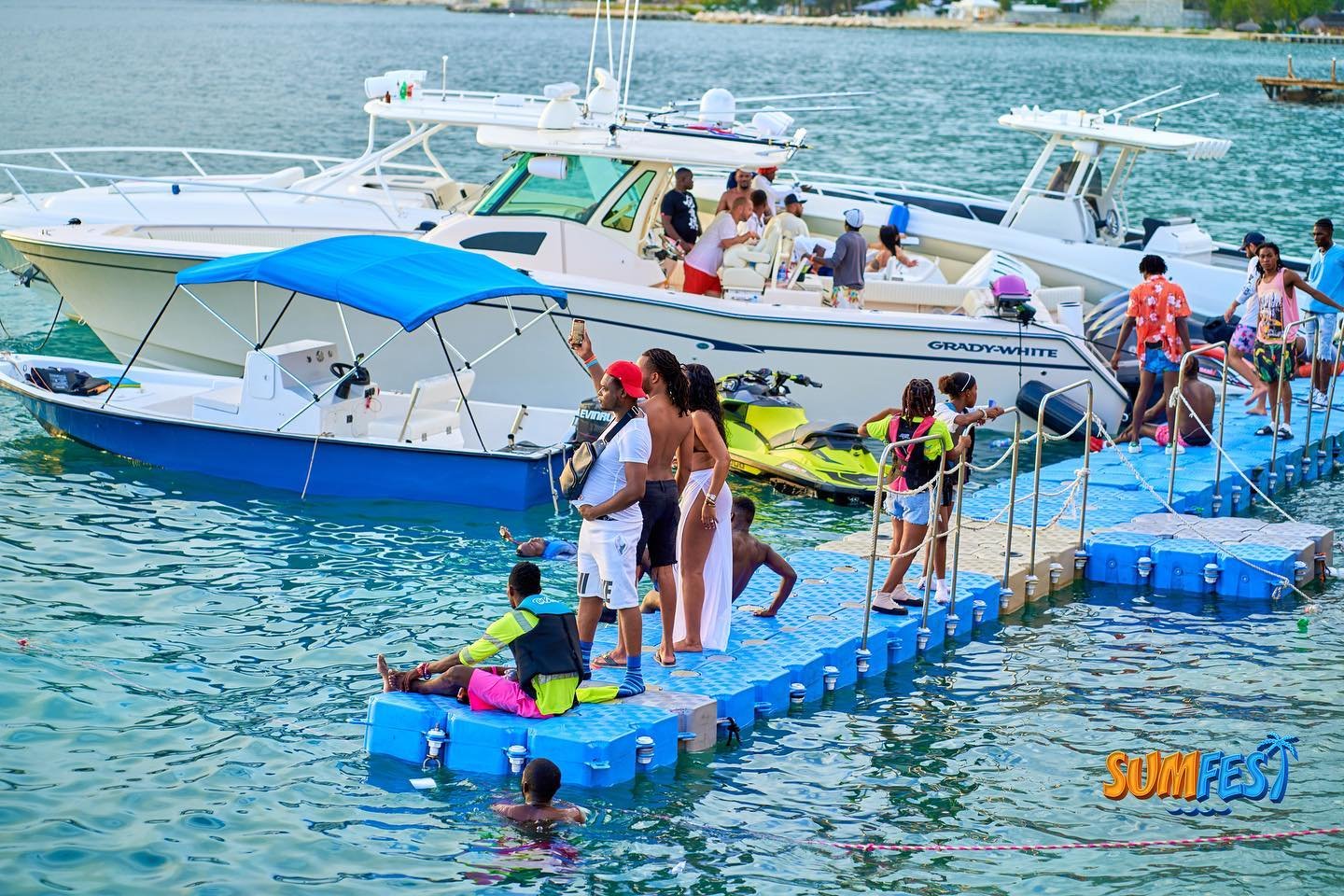
Haïti is blessed with spectacular natural landscapes, including white sand beaches, mountains and rich biodiversity.
Heritage
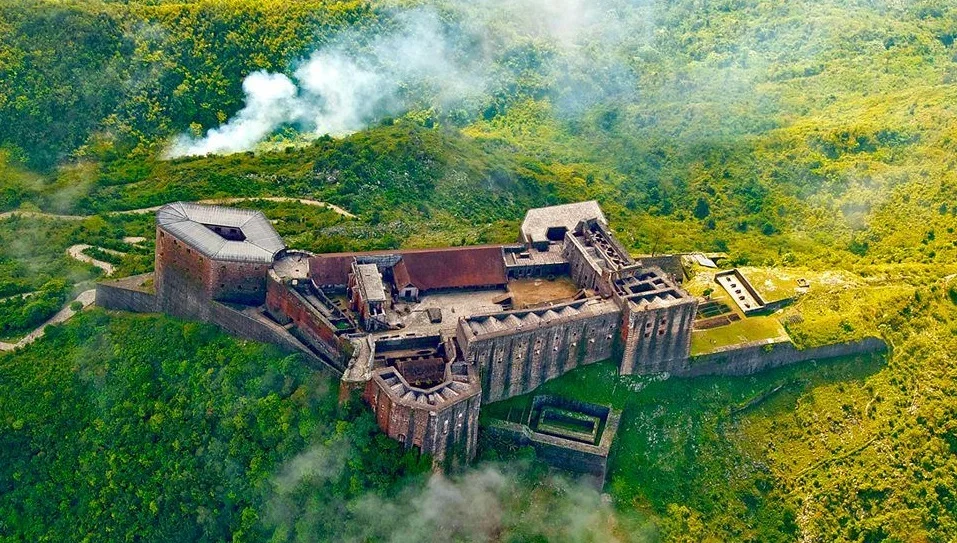
Haïti has a rich historical heritage, including sites like the Citadelle Laferrière and the Sans-Souci Palace, listed as UNESCO World Heritage Sites.
Culture
Haïti has a rich and diverse culture, influenced by African, European and indigenous elements. Haitian music, dance, art and cuisine are celebrated around the world.