Who were the first inhabitants of Haiti? History of the Tainos
Before the arrival of Christopher Columbus in 1492, Haïti was already inhabited by a people who had a deep relationship with the land and nature: the Tainos. These first inhabitants left a cultural and spiritual legacy that continues to influence Haitian identity. Let’s discover who the Tainos were, their way of life, and what they brought to the history of Haiti.
The origins of the Tainos
The Tainos were members of the great family of the Arawaks, a people originally from the Amazon who migrated to the Caribbean several thousand years ago.
- An expansion in the islands: The Tainos settled on several Caribbean islands, including Haiti, the Dominican Republic, Cuba, and Puerto Rico.
- An evocative name: They called Haïti “Ayiti,” which means “land of high mountains,” in homage to the island’s majestic landscapes.
The Tainos built a prosperous society, marked by a rich social organization and culture.
A way of life in harmony with nature
The Tainos lived from agriculture, fishing, and hunting, and had a deep respect for their environment.
- Main crops: Cassava, corn, sweet potatoes, and cotton were among their main crops.
- Ingenious tools: They used agricultural techniques adapted to local conditions, such as crop rotation to preserve soil fertility.
- Crafts: The Tainos were skilled in pottery, weaving, and wood carving.
Their society was based on values of sharing and solidarity, with leaders called caciques who governed their villages.
A deep spirituality
The life of the Taino was imbued with spirituality and mythology.
- The role of the zémis: The zémis, spiritual representations carved in wood or stone, were venerated as protective spirits.
- Ritual ceremonies: The Taino practiced religious ceremonies to honor their gods, agricultural cycles, and natural events.
- A cyclical vision of life: For the Taino, each element of nature had a soul, and life was perceived as a cycle of interdependence between man and his environment.
This spirituality, although transformed by external influences, is still present in certain Haitian traditions.
The meeting with Christopher Columbus
The arrival of Christopher Columbus in 1492 marked the beginning of a tragic era for the Taino.
- A culture shock: The Spanish imposed their domination, introducing diseases and forced labor conditions that decimated the population.
- A rapid decline: In less than 50 years, the Taíno population was almost entirely exterminated, going from several hundred thousand to a few survivors.
- A memory erased: Although few direct traces of the Taínos remain, their influence persists in Haitian culture, notably in place names and certain agricultural practices.
This tragic disappearance remains a poignant reminder of the impacts of colonization.
The legacy of the Taínos in Haiti
Despite their disappearance, the Taínos have left a lasting mark on Haiti.
- Taíno words in the vocabulary: Terms like “hammock” (hammock) and “tobacco” (tobacco) come directly from their language.
- A respect for nature: The importance given to the environment in some Haitian rural traditions reflects the values of the Taino.
- A symbol of resistance: The Taino are today seen as a symbol of resilience in the face of oppression.
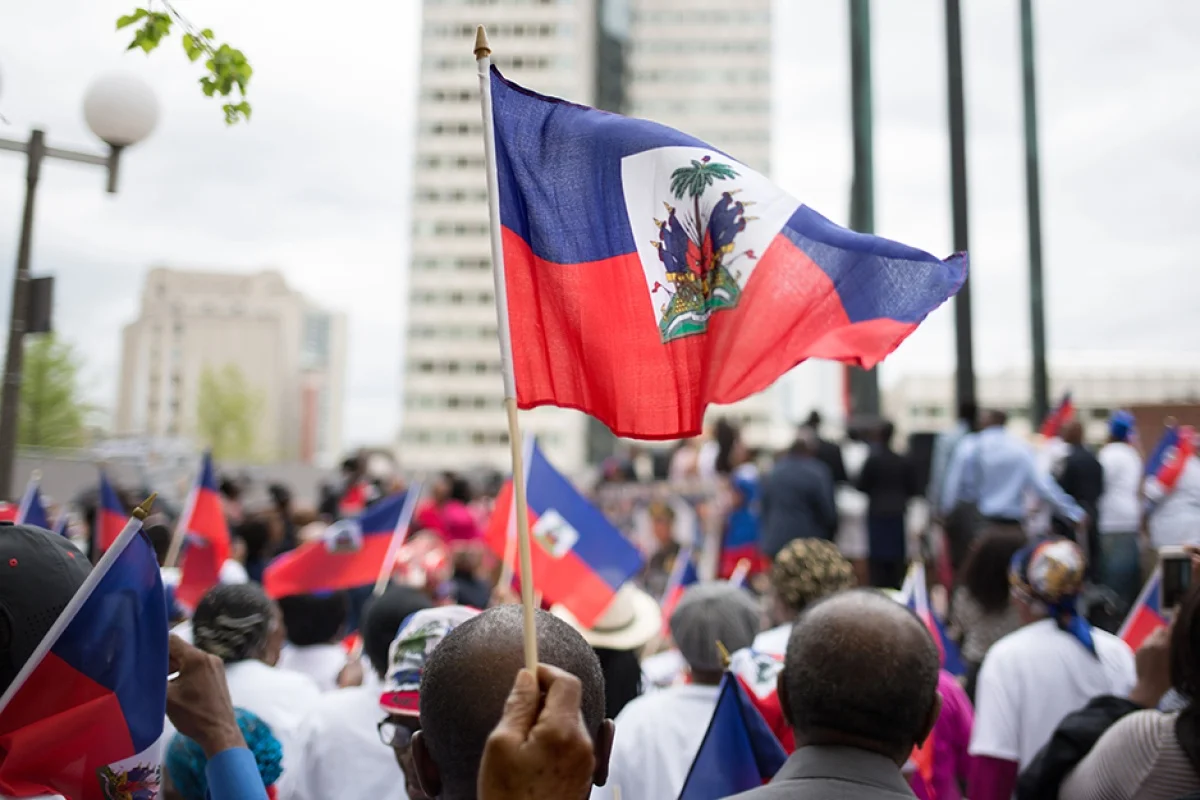
Haiti, with its very name inspired by “Ayiti”, still bears the imprint of its first inhabitants.
A past that inspires the present
The history of the Taino recalls the importance of preserving cultures and traditions in the face of modern challenges. Their harmony with nature and their community spirit remain examples for current generations.
By exploring the heritage of the Taino, we rediscover the deep roots of Haïti and the fascinating history of this people who gave their first name to the land of the high mountains.
And you, what did you know about the Taino before reading this article? Share your thoughts and let’s pay tribute to these first inhabitants who gave so much to the history of our island.