contact@haitiwonderland.com+509 36184317

Discover

Shopping Cart

Why Haïti is called that? Discover its origin

Why Haïti is called that? Discover its origin

Haiti, a name that resonates in world history and culture, finds its roots in a rich and iconic past. This word is not simply a country name; it embodies an identity, a unique geography, and a struggle for freedom. Let’s dive into the origin and meaning of the word “Haiti” to better understand why this choice is deeply significant.

Origin of the name “Haiti”: a footprint of the Taino

Before the arrival of Europeans, the island we know today as Haïti was inhabited by the Taino, an indigenous people with a rich culture and language.

- A Taino name: In the Taino language, “Ayiti” means “land of high mountains” or “mountainous country”.
- Description of the island: This term perfectly reflected the geography of the island, marked by impressive mountain ranges and lush nature.

For the Tainos, the name “Ayiti” represented their connection to the land and their way of life in harmony with nature.

See as well

A return to the origins after independence

With the proclamation of independence in 1804, the leaders of the new Republic decided to break with the colonial name “Saint-Domingue” and adopt “Haiti”.

- A tribute to the first inhabitants: By choosing this name, Haitian leaders, notably Jean-Jacques Dessalines, wanted to honor the Tainos, the first inhabitants of the island.
- An act of freedom: The name change also symbolized a definitive break with the French colonial heritage and a return to an authentically local identity.

Thus, “Haiti” became a symbol of freedom and national pride.

A geographical and cultural significance

The name "Haiti" also reflects the geographical and cultural richness of the country.

- Mountainous country: Haïti is famous for its rugged landscapes, with mountain ranges covering a large part of the territory, such as the Hotte and Selle massifs.
- Exceptional biodiversity: These mountains are home to unique fauna and flora in the Caribbean, reinforcing the importance of the chosen name.

The word "Haiti" highlights the natural beauty of the country, echoing its past and present.

A name that embodies national identity

Adopting the name "Haiti" was not only a symbolic choice, but also a strong political act.

- Black and independent identity: By becoming the first independent black republic in the world, Haïti wanted to mark its uniqueness and its role in world history. - An example for other nations: This name has become a symbol of hope for people seeking freedom, inspiring similar struggles around the world.

Even today, the name “Haiti” is associated with resilience, pride, and a rich history.

Why is “Haiti” such a powerful choice?

The name “Haiti” carries several essential messages:

- Memory and heritage: It honors the Taíno and their culture, while recalling the struggles for freedom.
- Natural beauty: It highlights the country’s unique geographic assets, true treasures for its inhabitants and visitors.
- National pride: It represents the determination of the Haitian people to write their own history.

By bearing this name, Haïti distinguishes itself not only as a country, but also as an idea: that of a freedom conquered and an identity assumed.

A name that carries history and future

Haiti, “land of high mountains,” is not just a name. It is a tribute to a glorious past, a recognition of geographical richness, and a promise for the future.

Through this name, Haïti reminds the world of its pioneering role in the fight for equality and freedom, while celebrating its unique natural and cultural heritage.

Whether you are Haitian or simply curious, the word “Haiti” embodies a universal story of courage and resilience. So, what does this meaningful name mean to you? Share your thoughts and discover even more about this fascinating land!

Share
About the Author
Appolon Guy Alain
Appolon Guy Alain
Appolon Guy Alain

Full Stack Developer, Créatif, expérimenté, passionné des nouvelles technologies et de l’art.

See other articles from Appolon Guy Alain
Leave a comment

Recently Posted

Haiti: Discovering Lake Péligre

At the heart of the majestic Haitian topography, lies a natural gem of breathtaking beauty: Lake Péligre. Nestled in the mountains of Haiti’s central region, this artificial lake is a wonder for local residents and amazed visitors alike. From its historical creation to its contemporary ecological importance, let’s explore together the riches of Lake Péligre. Origin and History: Lac de Péligre is the result of an ambitious engineering project undertaken in the 1950s. At that time, the Haitian government, in collaboration with international partners, undertook the construction of the Péligre Dam on the Artibonite River. The main goal was to provide large-scale electricity to Haïti while regulating river flooding to protect agricultural land downstream. Ecology and Biodiversity: Beyond its usefulness as a source of hydraulic energy, Lake Péligre is home to rich ecological diversity. The calm waters of the lake provide vital habitat for a variety of native fish species, supporting local fishing communities. In addition, the surrounding forests and hills that border the lake are home to diverse flora and fauna, contributing to the preservation of the regional ecosystem. Tourism and Leisure: For outdoor enthusiasts and nature enthusiasts, Lake Péligre offers a multitude of leisure opportunities. Visitors can enjoy peaceful boat rides on the tranquil waters of the lake, offering panoramic views of the surrounding mountains. Additionally, hiking trails winding through lush forests allow hikers to explore the area’s natural beauty. Lake Péligre represents much more than a simple artificial body of water. It is a living testament to human ingenuity and the natural beauty of Haiti. As an emerging tourism destination, it offers visitors an immersive experience in nature, while highlighting the crucial importance of environmental conservation. By preserving this natural treasure, we also preserve the sustainable future of our planet.

Newsletter

Subscribe to our newsletter to stay informed of all our activities and news on Haiti.

The Haïtian Compas: A Musical and Cultural Journey

Music has always been an essential part of Haïtian culture, and among the many genres that have emerged from this Caribbean island, Compas holds a special place. It is a musical style that carries with it the history, cultural diversity and vibrant energy of Haïti. b~Origins and Evolution~b The Compas Haïtien, also known as Kompa, has deep roots in Haïtian and African musical traditions. Its development was influenced by genres such as Dominican merengue, Cuban salsa, jazz and even rock. This fusion of styles has resulted in a distinctive sound that embodies the cultural richness and diversity of Haïti. The Haïtian Compass has evolved over the decades, moving from a more traditional style to more modern and sophisticated forms. Iconic artists such as Nemours Jean-Baptiste and Tabou Combo helped shape the genre and propel it onto the international music scene. b~The Characteristics of the Compass~b Le Compas Haïtien is characterized by its intoxicating rhythm and complex arrangements. Traditional instruments such as guitar, saxophone, drums, and of course, bass, play a crucial role in creating this catchy music. The lyrics, often sung in Haïtian Creole, address varied themes, from love and joy to social and political issues. Dance is an inseparable component of the Haïtian Compass. The irresistible rhythms encourage the dancers to sway to the music. Traditional dance moves, such as "Kompa Direk" and "Kompa Love," reflect the joyful expression and sensuality that characterize this musical genre. b~Global Influence~b Over the years, the Haïtian Compas has transcended the borders of Haïti to conquer the international stages. Haïtian artists helped popularize the genre around the world, bringing with them the warmth and vitality of Haïtian culture. Music festivals dedicated to Compas attract fans from around the world, providing an immersive experience of this catchy music. The Haïtian Compass is much more than a musical genre; it is a standard bearer of Haïtian culture, a mirror reflecting the history, diversity and resilience of the Haïtian people. Discovering the Haïtian Compas means diving into a world of captivating rhythms, passionate dances and captivating stories, while celebrating Haïti’s unique musical heritage. Whether you are a world music lover or simply curious about new experiences, the Compas Haïtien is an invitation to an unforgettable sound journey.

Recently Posted

History

History

First black nation to free itself from slavery and gain independence from France in 1804 and influenced other liberation movements around the world, inspiring struggles for freedom and equality.

Natural beauty

Natural beauty

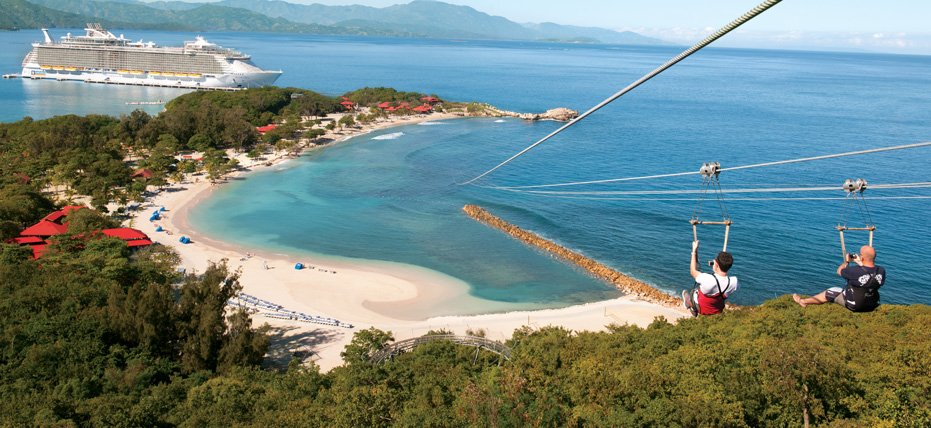
Haïti is blessed with spectacular natural landscapes, including white sand beaches, mountains and rich biodiversity.

Heritage

Heritage

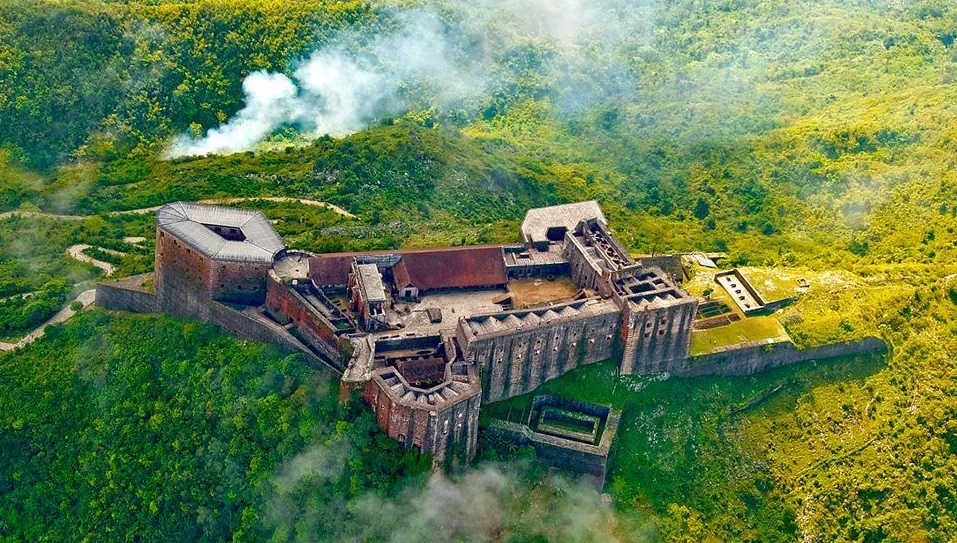
Haïti has a rich historical heritage, including sites like the Citadelle Laferrière and the Sans-Souci Palace, listed as UNESCO World Heritage Sites.

Culture

Culture

Haïti has a rich and diverse culture, influenced by African, European and indigenous elements. Haitian music, dance, art and cuisine are celebrated around the world.

  • +
    • Post