contact@haitiwonderland.com+509 36184317

Discover

Shopping Cart

Haiti: Why do people confuse "Unity is Strength" and "Liberty - Equality - Fraternity"?
Haiti: Why do people confuse  Unity is Strength  and  Liberty - Equality - Fraternity ?
Haiti: Why do people confuse Unity is Strength and Liberty - Equality - Fraternity ?

Haiti: Why do people confuse "Unity is Strength" and "Liberty - Equality - Fraternity"?

What is Haiti's real motto? Understanding the confusion between "Unity is Strength" and "Liberty-Equality-Fraternity."

If you’ve ever debated Haiti’s motto with friends or family, you’re not alone. This confusion between "Unity is Strength" and "Liberty - Equality - Fraternity" is more common than you might think, and it hides a fascinating story worth telling.

Two phrases, two distinct functions

The official answer is clear, according to the 1987 Constitution: Haiti’s national motto is "Liberty - Equality - Fraternity." Yet, "Unity is Strength" holds an equally important place in the hearts of Haitians. Why this ambiguity?

"Unity is Strength": The Legend of the Arms of the Republic

This powerful phrase is not the national motto, but rather the legend inscribed on the Arms of the Republic, which appears at the center of the Haitian flag. It accompanies the palm tree topped with the cap of liberty and the trophy of arms, symbols of the struggle for independence.

This legend resonates deeply in the Haitian soul because it evokes:

- The unity necessary to overcome slavery and colonialism
- The solidarity that enabled the victory of 1804
- A practical and mobilizing message for the nation

"Liberty - Equality - Fraternity": The Constitutional Motto

Enshrined in Article 4 of the 1987 Constitution, this motto places Haïti in the lineage of great democratic revolutions. It reflects:

- The legacy of the Enlightenment and the French Revolution
- The universal values ​​that inspired the Haitian Revolution
- Haiti’s aspiration to embody these principles for the Black world

The roots of a legitimate confusion

1. An overwhelming visual presence

"Unity is Strength" appears on the national flag, an official document ubiquitous in daily life. Every Haitian sees this phrase far more often than the constitutional motto, which is rarely highlighted.

2. A message more rooted in national history

This legend directly recalls the ancestors’ struggle for independence. It speaks to a specifically Haitian collective experience, while "Liberty - Equality - Fraternity" is a universal motto shared with other nations.

3. Variable civic education

Not all Haitians receive the same level of civic education. The subtle distinction between "national motto" and "arms legend" is not always clearly taught in schools.

4. A Dual National Identity

This confusion perhaps reveals a deeper reality: Haïti possesses two complementary souls. One, oriented toward the universal with "Liberty - Equality - Fraternity," the other, rooted in its unique history with "Unity is Strength."

What the law says: a necessary clarification

The 1987 Constitution is clear:

- Article 3: Describes the flag with its two horizontal bands (blue at the top, red at the bottom) and the Arms of the Republic in the center.
- Article 4: Unequivocally establishes that "The national motto is: Liberty - Equality - Fraternity."

The Arms of the Republic, for their part, feature "the Palm Kernel topped with the Cap of Liberty" shading "a Trophy of Arms with the Legend: Unity is Strength."

A Wealth Rather Than a Weakness

This confusion, far from being problematic, testifies to Haiti’s symbolic richness. The two phrases are not opposed; they complement each other:

"Liberty - Equality - Fraternity" expresses Haiti’s universal aspiration and its historical role as the first free Black republic.

"Unity is Strength" recalls the concrete method that made this freedom possible: the unity of the Haitian people in the face of oppression.

What’s the takeaway?

The next time you hear someone say that Haiti’s motto is "Unity is Strength," you can politely correct them while acknowledging the importance of this legend. Because, at heart, the two phrases tell the same story: that of a people who, through their unity and their thirst for freedom, changed the course of world history.

Knowing this distinction means better understanding the symbols that make Haïti a unique nation, proud of its past and looking to the future.

Share
About the Author
Appolon Guy Alain
Appolon Guy Alain
Appolon Guy Alain

Full Stack Developer, Créatif, expérimenté, passionné des nouvelles technologies et de l’art.

See other articles from Appolon Guy Alain
Leave a comment

Recently Posted

Newsletter

Subscribe to our newsletter to stay informed of all our activities and news on Haiti.

Plan your trip to Haïti

Haïti, the pearl of the Caribbean nestled west of the island of Hispaniola, offers a captivating combination of natural beauty and rich history. For an unforgettable trip, follow these wise tips to plan your stay. b~Prior Research~b Before you begin your trip, immerse yourself in Haïti’s rich culture, fascinating history, delicious cuisine and top attractions. This prior immersion will allow you to make the most of your stay and connect more easily with locals. b~Ideal time to travel~b Haïti’s mild climate throughout the year makes it an attractive tourist destination at any time. Your choice of period will depend on your preferences. If you’re passionate about cultural festivities, don’t miss the Haïtian Carnival in February, a vibrant celebration leading up to Lent. For lovers of paradise beaches like Labadee, La Côte des Arcadins, and others, summer offers a perfect mix of sun and fun times in crystal clear waters. If spirituality appeals to you, August 15 marks the Feast of the Assumption, a religious celebration marking the Virgin Mary’s ascension into heaven. And also November 1st and 2nd are dedicated to the Day of the Dead. Families go to the cemetery to honor and decorate the graves of their deceased loved ones, creating an atmosphere steeped in memory and tradition. History buffs may choose to visit on national holidays such as National Independence Day on January 1, Flag Day on May 18, and other significant events. b~Choice of Accommodation~b Haïti offers a range of accommodation options, from luxury hotels to family-friendly B&Bs. Adapt your choice according to your budget and preferences, favoring local accommodation for a more authentic experience. b~Unmissable Tourist Sites~b Among the gems to explore, discover the majestic Citadelle Laferrière, listed as a UNESCO world heritage site, the Sans Souci Palace, the La Visite National Park, the Milot Cathedral, Fort Jacques, the Heroes of Vertières, the Bassin Bleu , the Saut-Mathurine Waterfall, the Marie-Jeanne Cave, Kenscoff and Furcy, as well as the Saut d’Eau Waterfall. Also explore the artistic wealth of Haïti through its artisan markets. b~Taste Local Cuisine~b Haïtian cuisine is a symphony of exotic flavors. Be sure to sample local dishes such as griot and pea-sticky rice at local markets for an authentic culinary experience. b~Local Culture~b Haïtian culture, influenced by a rich history, is diverse and vibrant. Respect local customs, be open-minded and willing to learn. The warmth and hospitality of the Haïtians add a unique dimension to your experience. b~Means of Transport~b Opt for modern means of land transport such as Capital Coach Line, Transport Chic, Sans-Souci Tours, Le Transporteur, Grand Nord. For aerial explorers, easily book your flight with Sunrise Airways. Car rental is also an option for those looking for a more private experience. b~Language and Communication~b Although Haïtian Creole is the main language, French is also widely used. Learn a few basic phrases in Creole to facilitate exchanges and enrich your experience. By meticulously planning your trip to Haïti, you open yourself up to discovering the natural beauty, cultural richness, and warm hospitality of this Caribbean gem. Get ready to experience a unique and memorable adventure in Haïti.


Recently Posted

History

History

First black nation to free itself from slavery and gain independence from France in 1804 and influenced other liberation movements around the world, inspiring struggles for freedom and equality.

Natural beauty

Natural beauty

Haïti is blessed with spectacular natural landscapes, including white sand beaches, mountains and rich biodiversity.

Heritage

Heritage

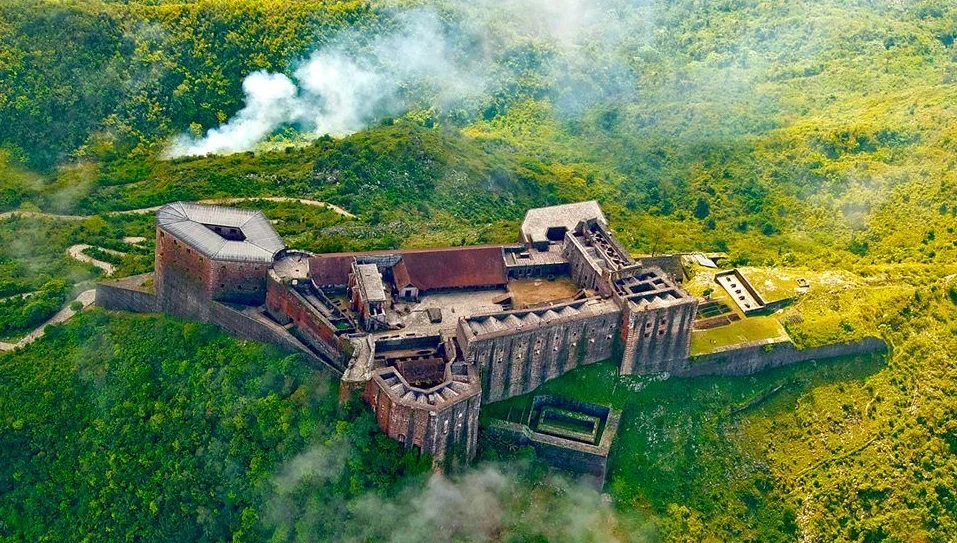
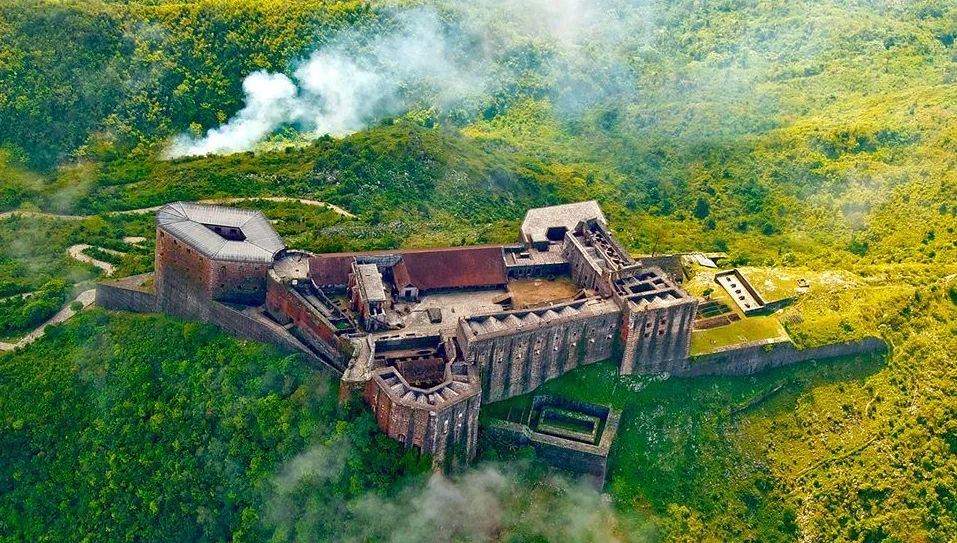
Haïti has a rich historical heritage, including sites like the Citadelle Laferrière and the Sans-Souci Palace, listed as UNESCO World Heritage Sites.

Culture

Culture

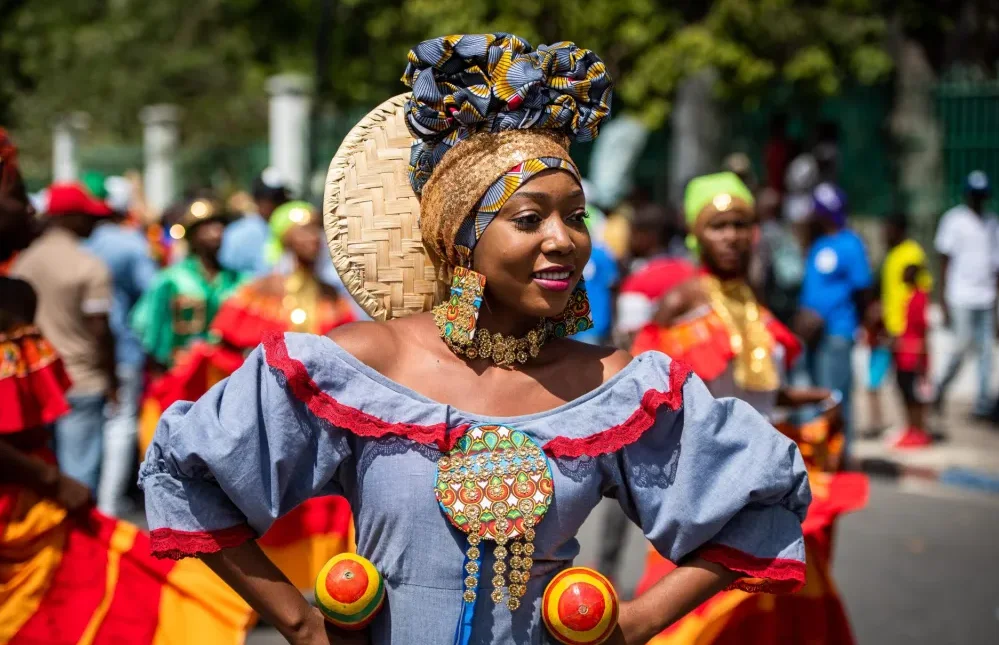
Haïti has a rich and diverse culture, influenced by African, European and indigenous elements. Haitian music, dance, art and cuisine are celebrated around the world.

  • +
    • Post