contact@haitiwonderland.com+509 36184317

Discover

Shopping Cart

Article 2 of the Haitian Constitution: The National Colors, a Symbol of Identity

Article 2 of the Haitian Constitution: The National Colors, a Symbol of Identity

Article 2 of the Haitian Constitution of 1987, amended in 2011, establishes that the national colors are blue and red. These two colors are not simply aesthetic choices; they embody the history, culture, and aspirations of the Haitian people.

Let’s dive into the deeper meanings and key facts associated with these emblematic colors.

ARTICLE 2: The national colors are: blue and red.

Haïti
Haïti
Haïti

1. Blue: Unity and Hope

Blue represents the unity of the Haitian people, a reminder that all social classes contributed to the birth of the nation.

- Key figure: Approximately 95% of the Haitian population is of African descent, and blue reflects their common struggle for freedom.
- Historical fact: Blue was retained from the old French flag, but reinterpreted to symbolize national unity in the Haitian context.

The blue on the flag is also an invitation to hope and solidarity between citizens, whatever their differences.

Haïti
Haïti
Haïti

2. Red: courage and sacrifice

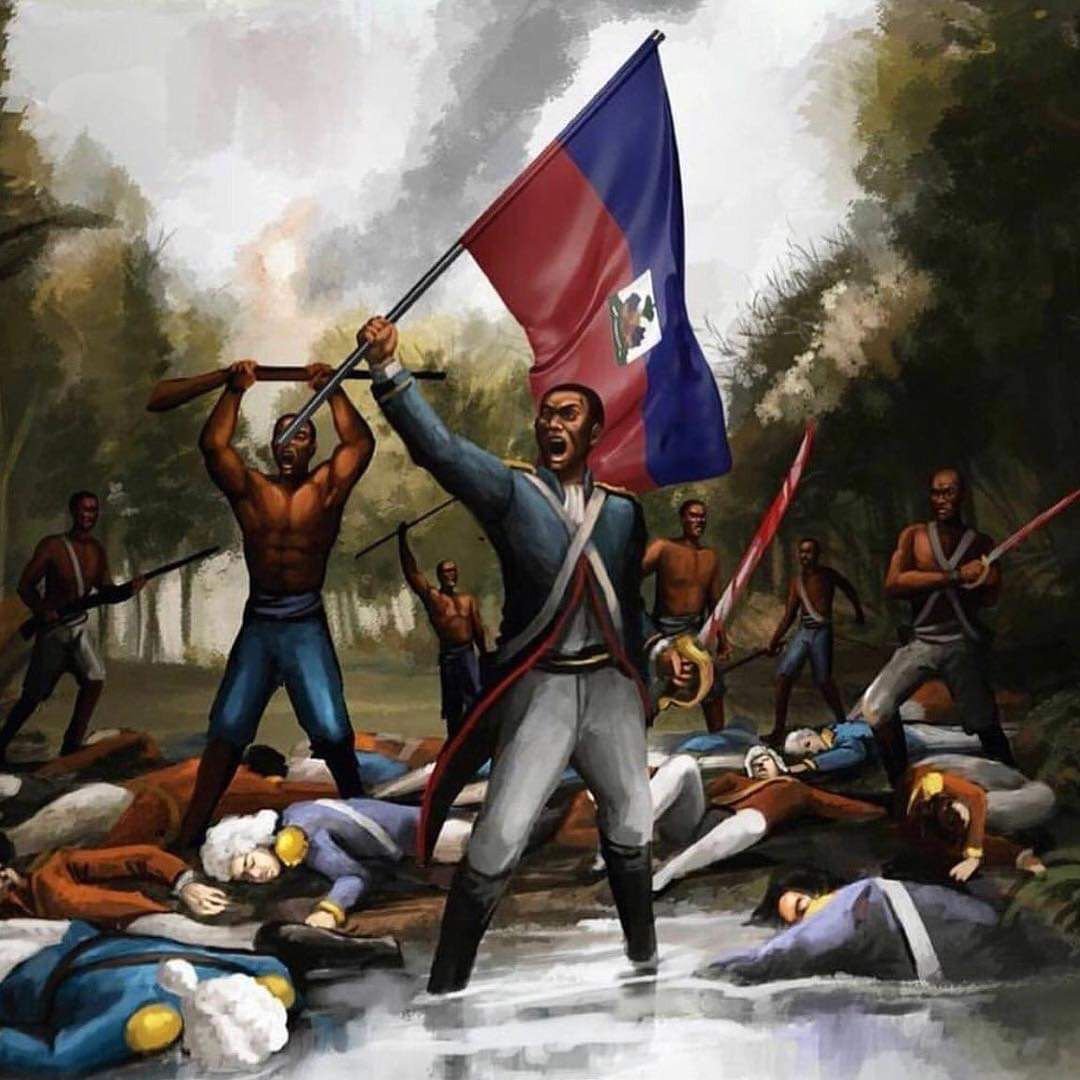
Red, for its part, embodies the blood shed by the heroes of the Haitian Revolution, a tribute to the courage and sacrifices made for independence.

- Key figure: The Haitian Revolution cost the lives of approximately 100,000 fighters, but allowed the liberation of more than 500,000 slaves.
- Concrete example: The Battle of Vertières, in 1803, was a brilliant demonstration of bravery, crowned by victory against the Napoleonic army.

Red is therefore a constant reminder of the price of freedom and the importance of protecting this heritage.

Haïti
Haïti
Haïti

3. A history marked by the evolution of the flag

Since its creation, the blue and red flag has undergone changes, while remaining a symbol of national pride.

- Notable fact: The original flag of 1803 was blue and red, but horizontal. Designed by Jean-Jacques Dessalines, it expressed the rejection of colonial powers.
- Key figure: The current version, with the addition of the national emblem in the center, was officially adopted in 1986.

These modifications reflect the adaptation of the nation through the ages, while maintaining its fundamental values.

Haïti
Haïti
Haïti

4. A source of inspiration for the world

The Haitian flag is one of the first in the world to symbolize the resistance and victory of the oppressed against the colonizers.

- Concrete example: During the Bandung Conference in 1955, the Haitian flag inspired several African nations in their quest for independence.
- Key figure: Haïti is one of the few nations whose flag is celebrated each year on May 18, during Flag Day.

This shows how powerful symbols blue and red are, not only for Haiti, but for all those who fight for freedom.

Haïti
Haïti
Haïti

A symbol of unity and resilience

The blue and red colors of Article 2 of the Haitian Constitution are not just hues. They embody the national identity, courage and hope of a people proud of their history and resilient in the face of challenges.

By wearing these colors, each Haitian also carries a message of solidarity, freedom and unity that transcends generations. Blue and red are not just symbols, they are the soul of the Haitian nation.

Share
About the Author
Appolon Guy Alain
Appolon Guy Alain
Appolon Guy Alain

Full Stack Developer, Créatif, expérimenté, passionné des nouvelles technologies et de l’art.

See other articles from Appolon Guy Alain
Anpil lanmou pou ou gran fre kontinye travay pou mete peyiw an vale 🇭🇹🫶

Thanks

September 11, 2025 - 08:43:57 PM
Leave a comment

Recently Posted

The Port-au-Prince Book Fair announces the opening of author registration for its second edition

The Port-au-Prince Book Fair is a literary initiative of the cultural organization Port-au-Prince Book Fair (OCSLP), based on the desire to promote Haitian culture in general, with a particular focus on literature. The organizers of the event have just announced the registration of authors, who will number 20, and those of publishing houses, who will number 5 for the second edition, which will take place on Friday, December 13, 2024, in the premises of the French Institute in Haiti. The registration deadline is Thursday, October 10 of this year. Please note that the first to arrive who have met the required criteria will be eligible to take part in this second edition of the event, according to the organizers’ admission. This rigorous and restricted selection of only 20 authors aims to guarantee an enriching experience for authors and the public, thus promoting authentic exchanges around the works presented. Independent authors and publishing houses interested in registering their authors to participate in this second edition of the fair are invited to submit their application via this link: https://form.jotform.com/louirardjohn8/salon-du-livre-de-port-au-prince. For publishing and distribution houses planning to exhibit on the day of the event, you can register by clicking on this link: https://form.jotform.com/242596699603068. You are requested to contact them at the following address: salondulivre2023@gmail.com in case of difficulties. The Port-au-Prince Book Fair remains faithful to its philosophy, which is to offer a platform to young authors and to promote the richness of Haitian literary production, by supporting new authors who contribute to its growth. This event is a continuation of the first edition, aimed at allowing the emergence of an environment conducive to exchanges, where young authors can meet, share their experiences and engage in dialogue with readers and book professionals. According to the organizers of the event, your participation as a young author will be essential to enrich the fair and offer a diverse experience to visitors. The invitation to join this noble initiative is extended to young authors who have not yet published 5 books. You who are concerned, the ball is now in your court. Do not hesitate to go and make this day, December 13, 2024, an unforgettable day for all book lovers.

Newsletter

Subscribe to our newsletter to stay informed of all our activities and news on Haiti.

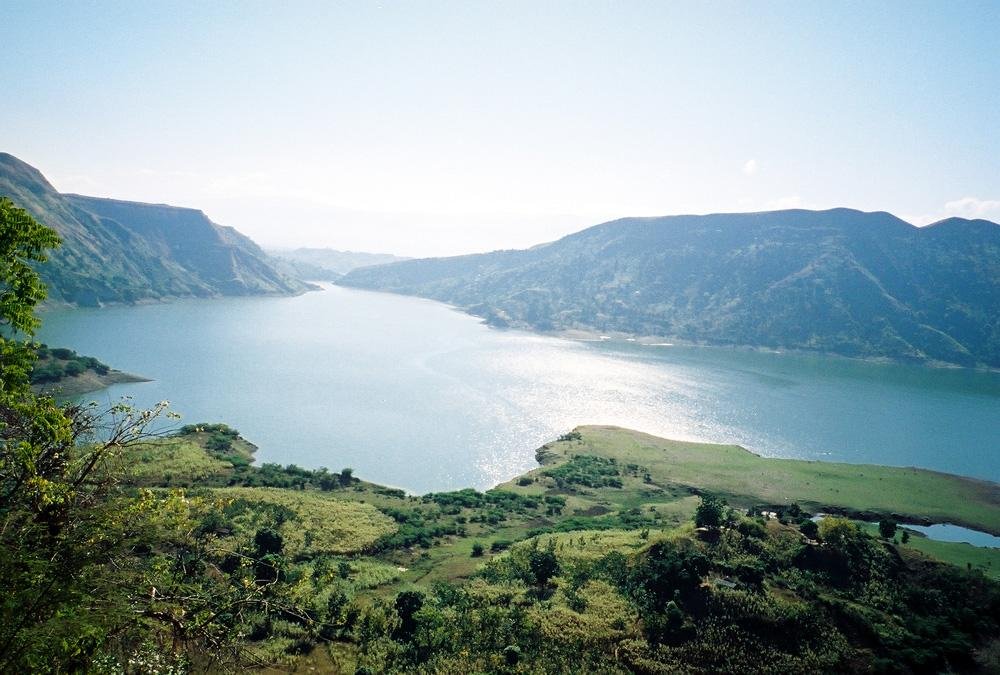
Haiti: Discovering Lake Péligre

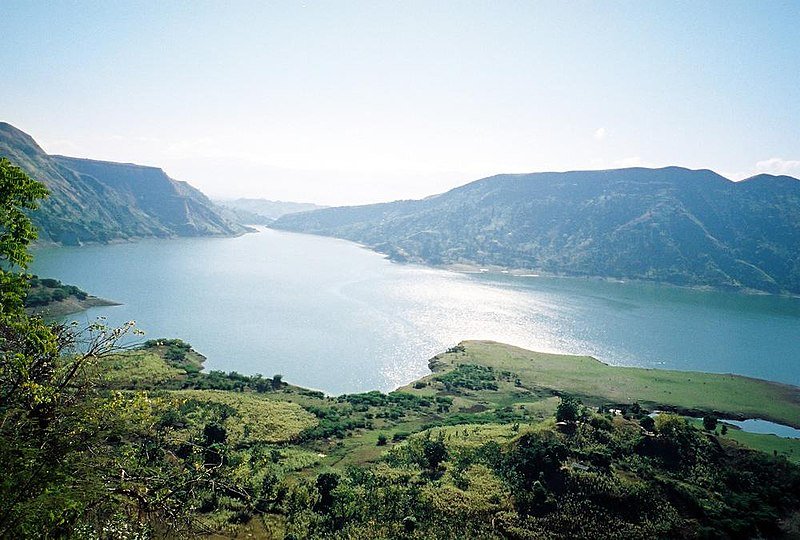
At the heart of the majestic Haitian topography, lies a natural gem of breathtaking beauty: Lake Péligre. Nestled in the mountains of Haiti’s central region, this artificial lake is a wonder for local residents and amazed visitors alike. From its historical creation to its contemporary ecological importance, let’s explore together the riches of Lake Péligre. Origin and History: Lac de Péligre is the result of an ambitious engineering project undertaken in the 1950s. At that time, the Haitian government, in collaboration with international partners, undertook the construction of the Péligre Dam on the Artibonite River. The main goal was to provide large-scale electricity to Haïti while regulating river flooding to protect agricultural land downstream. Ecology and Biodiversity: Beyond its usefulness as a source of hydraulic energy, Lake Péligre is home to rich ecological diversity. The calm waters of the lake provide vital habitat for a variety of native fish species, supporting local fishing communities. In addition, the surrounding forests and hills that border the lake are home to diverse flora and fauna, contributing to the preservation of the regional ecosystem. Tourism and Leisure: For outdoor enthusiasts and nature enthusiasts, Lake Péligre offers a multitude of leisure opportunities. Visitors can enjoy peaceful boat rides on the tranquil waters of the lake, offering panoramic views of the surrounding mountains. Additionally, hiking trails winding through lush forests allow hikers to explore the area’s natural beauty. Lake Péligre represents much more than a simple artificial body of water. It is a living testament to human ingenuity and the natural beauty of Haiti. As an emerging tourism destination, it offers visitors an immersive experience in nature, while highlighting the crucial importance of environmental conservation. By preserving this natural treasure, we also preserve the sustainable future of our planet.

Caractéristique d’un lapin

Les lapins sont des mammifères appartenant à la famille des Leporidae. Voici quelques-unes de leurs caractéristiques principales : 1. **Physique** : Les lapins ont un corps couvert de fourrure douce, des oreilles longues et droites, de grands yeux sur les côtés de leur tête, et une queue courte et duveteuse. Ils possèdent de puissantes pattes arrière adaptées au saut. 2. **Taille et poids** : La taille et le poids peuvent varier considérablement selon la race, allant d’environ 500 grammes pour les plus petits à plus de 5 kilogrammes pour les plus grands. 3. **Comportement** : Les lapins sont connus pour être sociaux et peuvent vivre en groupes dans la nature. Ils communiquent entre eux par différents moyens, y compris par des sons et des mouvements corporels. Les lapins creusent des terriers pour y vivre et se protéger des prédateurs. 4. **Alimentation** : Ils sont herbivores, se nourrissant principalement de foin, d’herbes, de feuilles, de fleurs, et de certains légumes. Leur système digestif est adapté pour traiter une grande quantité de fibres. 5. **Reproduction** : Les lapins sont réputés pour leur capacité à se reproduire rapidement, avec des gestations courtes d’environ 28 à 31 jours. Une portée peut compter de un à douze lapereaux, selon la race. 6. **Sens** : Ils ont une excellente vision périphérique pour détecter les mouvements tout autour d’eux, mais ont une zone aveugle juste devant leur nez. Leur ouïe est également très développée, leur permettant de capter des sons à de grandes distances. 7. **Espérance de vie** : En captivité, les lapins peuvent vivre de 7 à 10 ans, selon la race et les soins prodigués, tandis que dans la nature, leur espérance de vie est généralement plus courte en raison des prédateurs et des maladies. Ces animaux nécessitent des soins appropriés, notamment un régime alimentaire équilibré, de l’exercice, et une attention particulière à leur bien-être émotionnel et physique pour vivre une vie saine et heureuse en captivité.

Recently Posted

History

History

First black nation to free itself from slavery and gain independence from France in 1804 and influenced other liberation movements around the world, inspiring struggles for freedom and equality.

Natural beauty

Natural beauty

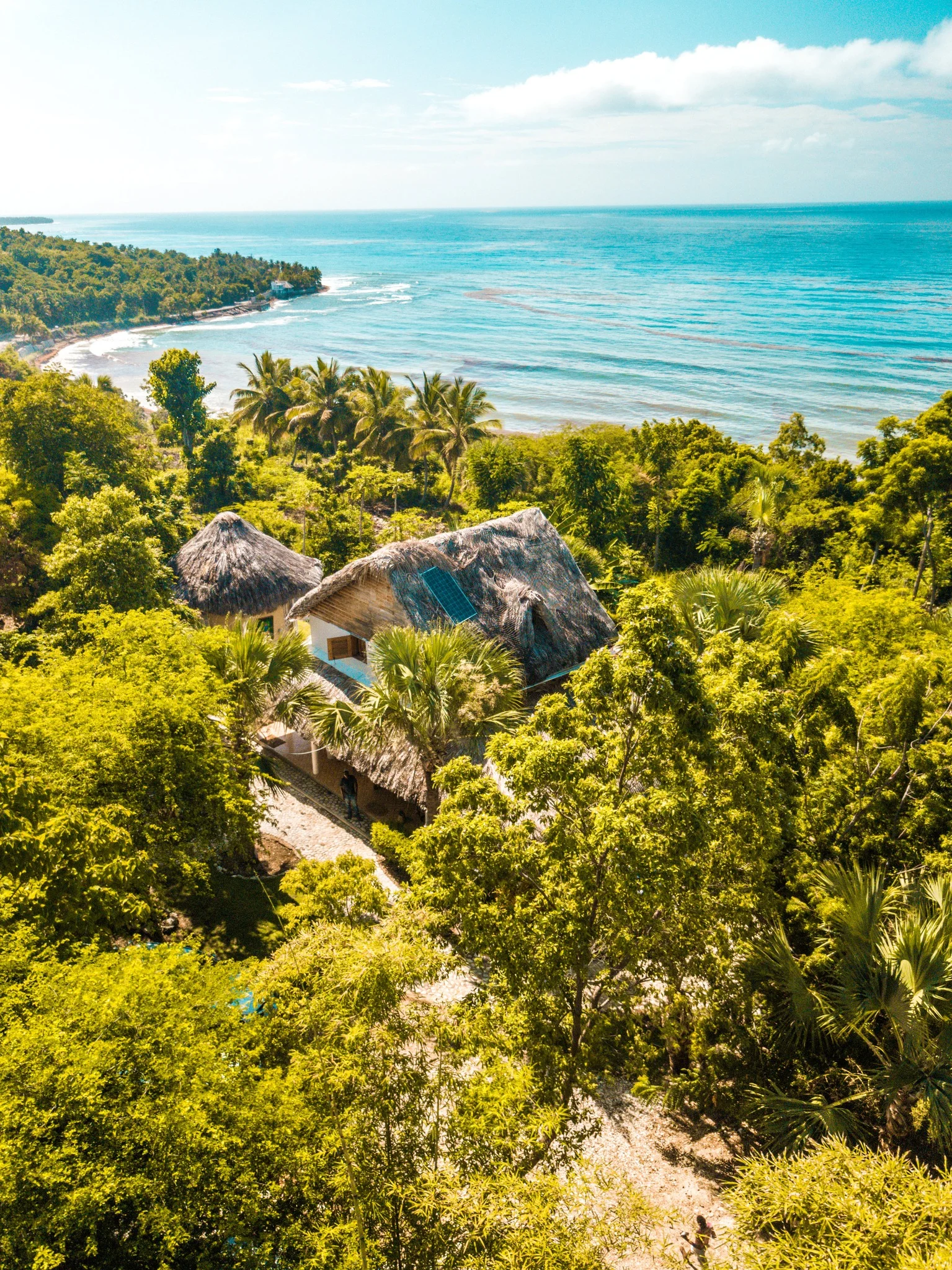
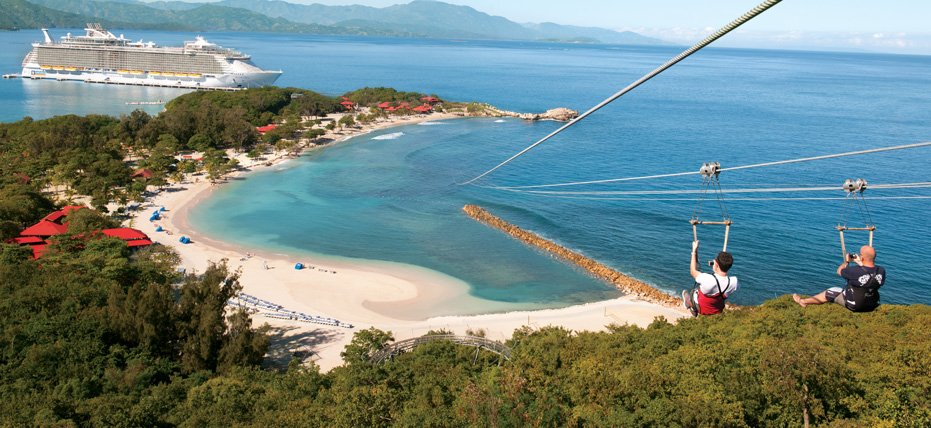
Haïti is blessed with spectacular natural landscapes, including white sand beaches, mountains and rich biodiversity.

Heritage

Heritage

Haïti has a rich historical heritage, including sites like the Citadelle Laferrière and the Sans-Souci Palace, listed as UNESCO World Heritage Sites.

Culture

Culture

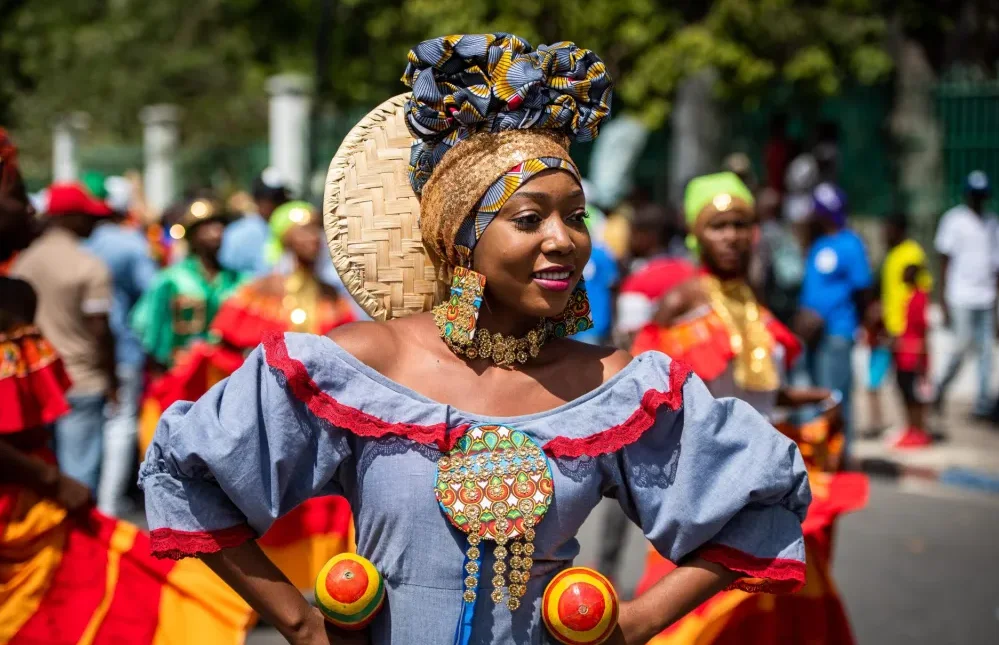
Haïti has a rich and diverse culture, influenced by African, European and indigenous elements. Haitian music, dance, art and cuisine are celebrated around the world.

  • +
    • Post