contact@haitiwonderland.com+509 36184317

Discover

Shopping Cart

Holidays and Celebrations in Haiti

Holidays and Celebrations in Haiti

A complete calendar of national and religious holidays in Haiti. From Independence Day to Christmas, explore the vibrant culture of the Pearl of the Antilles.

Haiti, the world’s first independent Black republic, has a calendar rich in celebrations that reflect its heroic history, vibrant culture, and deep spiritual traditions. From national holidays commemorating independence to religious celebrations blending Catholicism and Vodou, discover the key moments that animate Haitian life throughout the year.

Independence: The Day of Glory (January 1st)

January 1st marks the most important date in the Haitian calendar. It was on this historic date that Haiti’s independence was proclaimed in 1804, making the former colony of Saint-Domingue the first free Black nation in the world. The official ceremony takes place with great pomp on the Place d’Armes in Gonaïves, the emblematic site of this historic proclamation.

Forefathers’ Day (January 2)

From the day after independence, Haïti honors its ancestors and the heroes who fought for freedom. This day of remembrance, celebrated on January 2, perpetuates the memory of those who sacrificed their lives so that future generations could live in freedom.

Haitian Carnival: Explosion of Joy and Color (February)

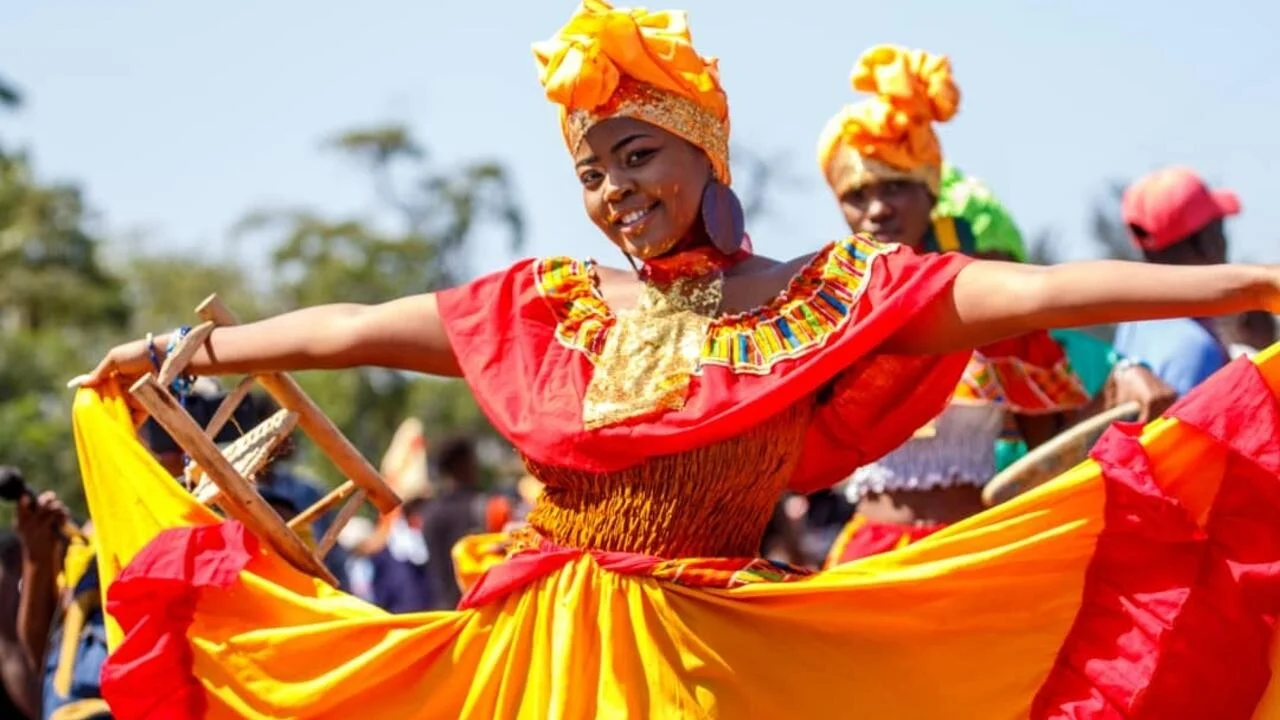
The three Shrovetide days preceding Lent transform Haïti into a gigantic street theater. Port-au-Prince, Jacmel, and Cap-Haïtien come alive with spectacular parades, floats, and groups of musicians playing the compas and rara. The Haitian carnival is recognized as one of the most festive in the Caribbean.

Labor and Agriculture Day (May 1st)

May 1st in Haïti has a dual significance: a celebration of workers in all sectors and a recognition of the vital importance of agriculture to the national economy.

Flag Day: Symbol of Unity (May 18th)

Every May 18th, Haïti celebrates the creation of its bicolor flag in Arcahaie in 1803. This event marked a decisive turning point in the War of Independence, symbolizing the unity between Black and Mulatto people in the struggle for freedom.

Commemoration of Dessalines (October 17th)

October 17th honors Jean-Jacques Dessalines, founder of the Haitian nation and first emperor, tragically assassinated in 1806. This date commemorates the price paid for independence.

The Battle of Vertières (November 18)

November 18 commemorates the decisive Battle of Vertières, which sealed the defeat of the French troops and paved the way for independence. This military victory remains etched in Haitian collective memory.

Religious Holidays: Between Catholicism and Vodou

Haïti is distinguished by a unique religious syncretism, where Catholic traditions and Vodou practices coexist harmoniously.

Major Christian Holidays

- Good Friday and Easter: Celebration of the Passion and Resurrection of Christ
- Ascension: Commemorated 40 days after Easter
- Corpus Christi: Honors the presence of Christ in the Eucharist
- Assumption (August 15): Major Marian feast celebrating Mary’s ascension into heaven
- Christmas (December 25): Joyful celebration of the birth of Jesus

All Saints’ Day and All Souls’ Day: When Two Traditions Meet

November 1st and 2nd perfectly illustrate Haitian syncretism. While Catholics honor the saints and pray for the deceased, Vodou practitioners celebrate the Gede deities, the loas of death and fertility. These days are marked by visits to cemeteries and traditional ceremonies.

Other Important Commemorations in Haiti

January 12, 2010 Earthquake: Remembrance Day

January 12 is now etched in the collective memory as the day a devastating earthquake struck Haiti, causing thousands of casualties and massive destruction. This commemoration honors those lost and celebrates the resilience of the Haitian people.

Historical Dates to Remember

- March 29: Ratification of the Constitution
- April 7: Death of Toussaint Louverture, precursor of independence
- July 28: Landing of the American Marines in 1915
- December 6: Arrival of Christopher Columbus in 1492

Family Celebrations

Like everywhere else in the world, Haïti also celebrates:
- Valentine’s Day (February 14): Celebration of love
- Mother’s Day: The last Sunday in May
- Father’s Day: A day dedicated to dads

Why Visit Haïti During its Holidays?

Discovering Haïti during its celebrations means immersing yourself in an authentic culture where history, spirituality, and joie de vivre blend harmoniously. Whether you attend the solemn Independence ceremonies, dance to the rhythm of the carnival or participate in the All Saints’ Day pilgrimages, you will live unique experiences that reveal the deep soul of this extraordinary country.

Haiti, a land of freedom and resilience, invites you to discover its exceptional intangible heritage through a festive calendar that honors both its glorious past and its living traditions.

Plan your trip to Haïti with these important dates in mind for an unforgettable cultural experience in the heart of the world’s first Black republic.

Share
About the Author
Appolon Guy Alain
Appolon Guy Alain
Appolon Guy Alain

Full Stack Developer, Créatif, expérimenté, passionné des nouvelles technologies et de l’art.

See other articles from Appolon Guy Alain
Leave a comment

Recently Posted

Haitian traditions

Haiti, the pearl of the Antilles, is a country rich in history and traditions. Its vibrant and diverse culture is reflected through its national holidays, cultural festivities, traditional foods, religious beliefs, folk tales, and traditional games. Let’s immerse ourselves in the social fabric of Haïti to discover the beauty of its traditions. b~National Holidays:~b National holidays in Haïti are moments of pride and national unity as January 1, Independence Day, commemorates the victory of Haitian slaves over French colonial forces in 1804, making Haïti the first independent country in Haiti. Latin America and the Caribbean or the commemoration of the Battle of Vertières on November 18. The Battle of Vertières was one of the last great battles of the revolution. It took place in Vertières, near the town of Cap-Haitien. b~Cultural Festivities:~b Haïti is also famous for its cultural festivities, particularly Carnival, which is an explosion of color, dance, and music. Artistic and craft events, such as the Rara festival, are an opportunity for artists to showcase their talent. The Rara, a musical parade, combines folklore and spirituality, creating a unique experience. b~Traditional Foods:~b Haitian cuisine is a delight for the taste buds. Dishes like griot (fried pork), diri djon djon (rice with black mushrooms), and the legendary joumou (joumou soup) are an integral part of Haitian culinary tradition. Bold flavors, spices and cooking methods inherited from African and French tradition make Haitian cuisine unforgettable. b~Vodou:~b Vodou, often misunderstood, is a synchretic religion that incorporates elements of Catholicism, African animism, and indigenous beliefs. It plays a significant role in the daily lives of Haitians, influencing music, dance, and religious rites. Vodou is a profound expression of Haitian spirituality. The Tales (Krik Krak, Tim Tim, Bwa Sèch): Haitian folk tales, passed down from generation to generation, are rich in morality and wisdom. b~Konbit :~b The concept of Konbit represents community solidarity. Haitians come together to perform community tasks, whether in agricultural fields or for construction projects. It is a living example of the collective spirit that permeates Haitian society. The most recent major project to date concerns the construction of the canal from the Massacre River to Ouanaminthe, which took place between September and December 2023. Thousands of inhabitants of the north of the country mobilized all their forces to erect a canal allowing to collect water intended for irrigation of their plantations, with the aim of obtaining better harvests. Despite their modest means, they were motivated by the slogan "KPK" (Kanal la pap kanpe), a direct response to Dominican President Luis Abinader who warned them and did everything in his power to stop the construction of the canal. This channel represents the deep solidarity of Haitians and reaffirms national pride. Despite economic challenges, the people of northern Haïti have demonstrated exceptional determination to work together for a common goal. The slogan “Kanal la pap kanpe” embodies their resilience in the face of external pressures and demonstrates their unwavering will to continue the construction of the canal. b~Traditional Games:~b Traditional games are an essential part of daily life in Haiti. Games like lido, sote kòd, Yoyo, Ralba, Marèl, TiTaTo, Kay, lago kache, Monte kap, teke mab, woule sèk, twa fwa se manbo, and domino bring people together, promoting camaraderie and fun. Haitian traditions are a harmonious blend of spirituality, community, and cultural diversity. Every aspect, from national holidays to traditional games, helps weave the rich cultural tapestry that makes Haïti proud. These traditions are the beating heart of the nation, a precious heritage that continues to be passed down from generation to generation.


Newsletter

Subscribe to our newsletter to stay informed of all our activities and news on Haiti.

Recently Posted

History

History

First black nation to free itself from slavery and gain independence from France in 1804 and influenced other liberation movements around the world, inspiring struggles for freedom and equality.

Natural beauty

Natural beauty

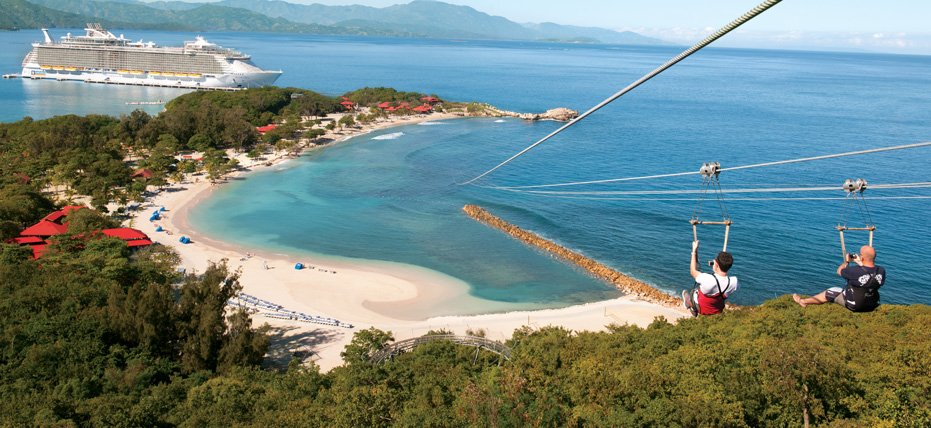
Haïti is blessed with spectacular natural landscapes, including white sand beaches, mountains and rich biodiversity.

Heritage

Heritage

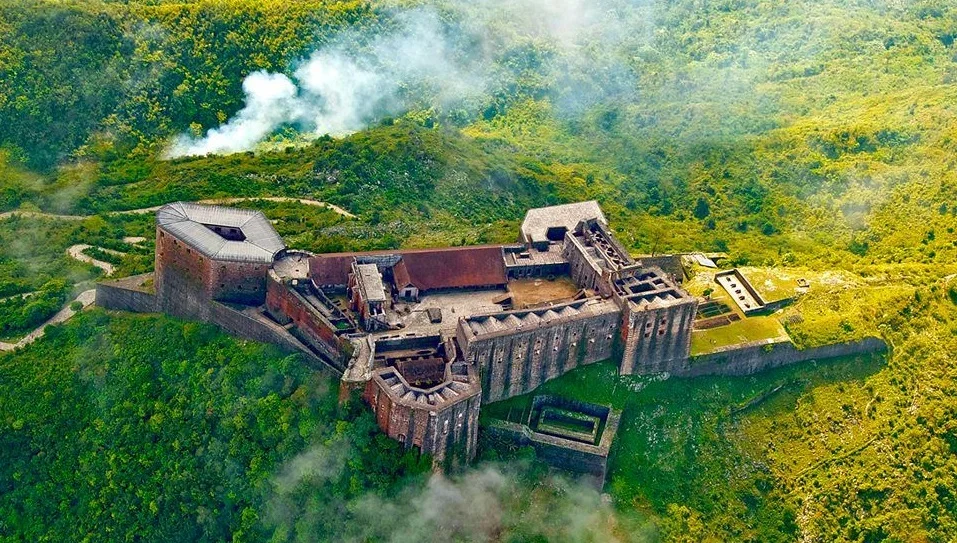
Haïti has a rich historical heritage, including sites like the Citadelle Laferrière and the Sans-Souci Palace, listed as UNESCO World Heritage Sites.

Culture

Culture

Haïti has a rich and diverse culture, influenced by African, European and indigenous elements. Haitian music, dance, art and cuisine are celebrated around the world.

  • +
    • Post