contact@haitiwonderland.com+509 36184317

Discover

Shopping Cart

Living in prose and poetry: A successful bet for the Cultural Association Salon du Livre de Port-au-Prince

Living in prose and poetry: A successful bet for the Cultural Association Salon du Livre de Port-au-Prince

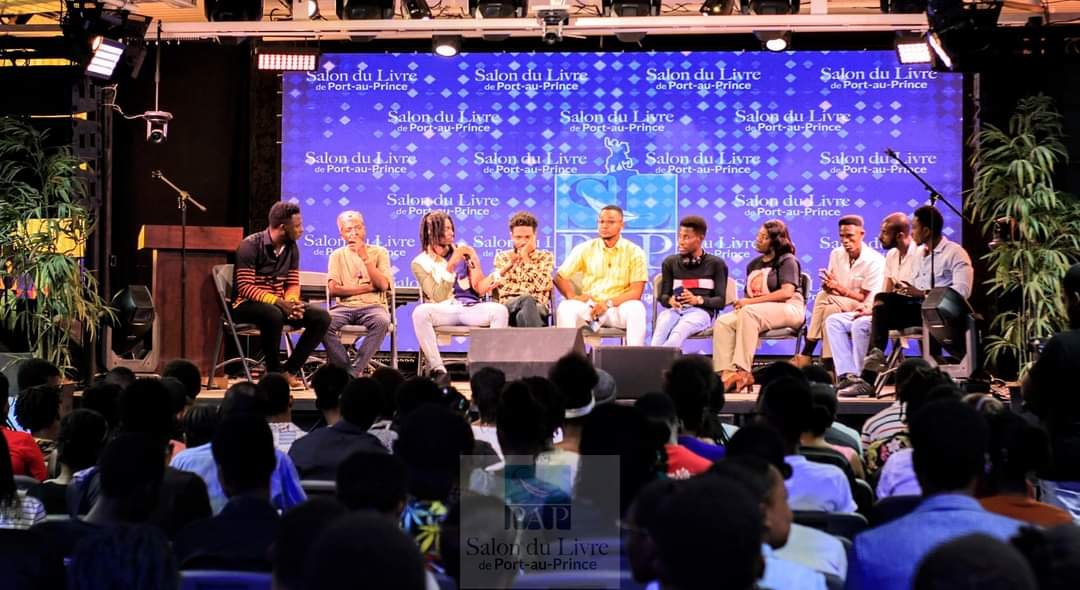
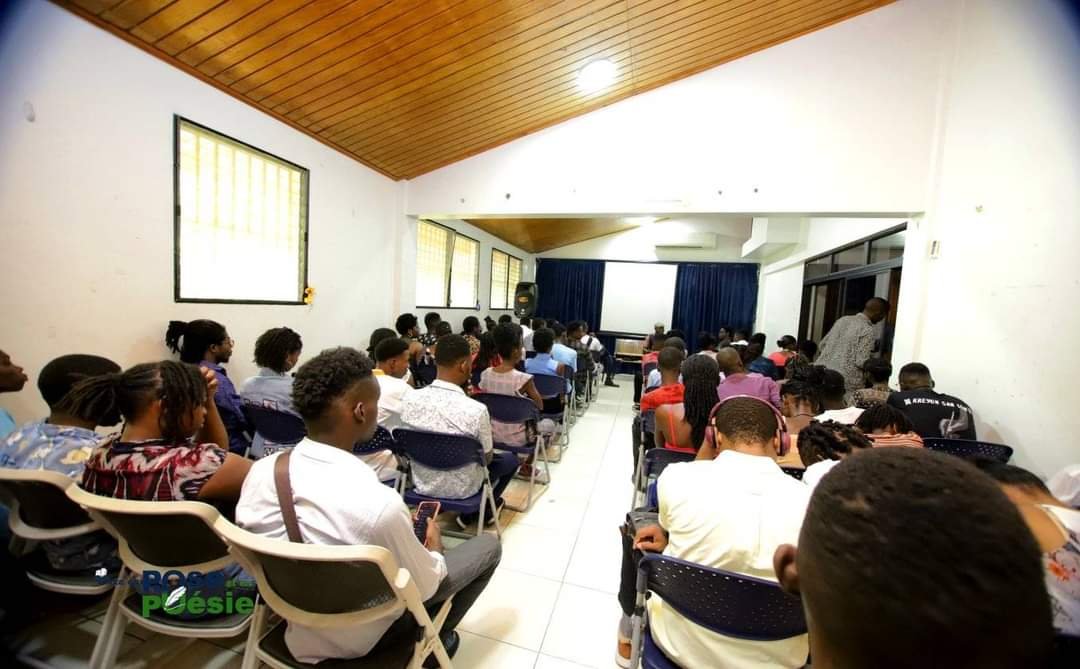
On Saturday, July 27, the Pyepoudre cultural center, located at number 312 on the road to Bourdon, was transformed into a real creative hive thanks to the initiative of the Cultural Association Salon du Livre de Port-au-Prince entitled ’’Living in prose and poetry’’. This event, placed under the theme "from Haiti, a country that lives in us", fully kept its promises. Bringing together young talents from all walks of life to express their genius through song, rap, slam, dance and poetry. This artistic event was a great success with a young audience who came in large numbers to follow the activity. It also highlighted the growing commitment of Haitian youth to culture.

A memorable day for the public

The first part of the day was enlivened by the intervention of the young poet and art history student at the UEH, Dakovens Paulin, followed by that of the cultural journalist Carl-Henry Pierre, who presented the novel "L’Autre face de la mer" by Louis-Philippe DAlembert.

The two speakers respectively took care to approach the novel in its sociological and psychoanalytical dimension in their interventions, they also offered the young audience the opportunity to reflect on the theme of exile and its importance in the life of the Haitian being. The conference ended with an enriching exchange between the speakers and the public. The rest of the day was marked by varied artistic performances that captivated an enthusiastic audience eager for such an event.

See as well

A total success

The success of this activity bears the mark of another point of honor, in the very beautiful calendar of the Cultural Association Salon du Livre de port-au-prince. According to the organizers of the event, the objective was not only to promote young talents, but also to create a space conducive to the development of Haitian culture and to constitute a communication network between the talents of Port-au-Prince. "The second edition of Vivre en prose et en poésie was a great celebration, a beautiful cultural atmosphere. But also, a moment of reunion between some long-time comrades, some actors of the Haitian cultural environment. The feedback is positive. We are satisfied within the team with our achievement. Already, very much alive and ready for the future. We are for a strong and useful Haitian culture," declared Emmanuel Pacorme, the general coordinator of the association. Moreover, Marcus Jusma, a young sociology student at the U.E.H, declared that he had a pleasant time "in summary, I can say that this day was a great journey into the world of literature and culture of my country". he finally admitted, his face full of enthusiasm.

Another representation of Haitian youth

The Cultural Association Salon du Livre de Port-au-Prince embodies a part of Haitian youth that wants to be the bearer of a voice different from that associated with violence. At a time when Haitian youth is often reduced to an image of armed gangs defying public authorities, this association shows another side of Haiti. It demonstrates that the prospect of an alternative future for the country is possible thanks to a youth determined to promote literature, arts and culture.

The day of prose and poetry organized by the Cultural Association Salon du Livre de Port-au-Prince was a real success. It not only highlighted the talents of Haitian youth, but also strengthened the bond between young artists and the public. This second edition of "Living in Prose and Poetry" will remain a powerful testimony to the vitality and cultural richness that characterize Haïti in its deepest intimacy.

Share
About the Author
Moise Francois
Moise Francois
Moise Francois

Journalist editor, poet and apprentice lawyer.

See other articles from Moise Francois
Leave a comment

Recently Posted

Haiti: The History of the World’s First Free Black Nation

Haiti, the pearl of the Antilles, is a Caribbean island with a rich and complex history. However, its special status as the world’s first free black nation gives it a unique place in the annals of history. This small island was the scene of an extraordinary revolution which resulted in independence, thus marking the beginning of a new era for the black community and the abolition of slavery. Let’s delve into the captivating story of the birth of the first black republic, Haiti. b~The colonial era and slavery~b Haiti’s history dates back to the arrival of Europeans in the 15th century, when Christopher Columbus discovered the island. European settlers, mainly Spanish and French, introduced slavery to exploit the island’s resources, including sugar, coffee and cotton. The indigenous Native American population was decimated, paving the way for the massive importation of African slaves. b~The Haitian Revolution~b On August 14, 1791, Haitian slaves rose up against their oppressors, sparking the Haitian Revolution. Under the leadership of iconic figures such as Toussaint Louverture, Jean-Jacques Dessalines and Henri Christophe, the insurgent slaves inflicted defeats on European armies, demonstrating fierce resistance and a desperate quest for freedom. b~The Declaration of Independence and the creation of the Republic of Haiti~b On January 1, 1804, Haïti proclaimed its independence, becoming the world’s first free black nation. This historic declaration symbolized the end of slavery and the triumph of the will of a people determined to live free. The Republic of Haïti was born in struggle and blood, asserting its autonomy in the face of the colonial powers. b~Post-independence challenges~b However, independence did not mean the end of challenges for Haiti. The country had to face external pressure, reparations imposed by France in exchange for recognition of its independence, as well as internal unrest. Despite these obstacles, Haïti strove to build a free and sovereign nation. The story of Haïti is that of a nation that overcame countless challenges to emerge as a pioneer of freedom for the black population. The Haitian Revolution remains a unique example of resistance, courage and determination, and Haïti continues to carry the torch of independence in the contemporary world. The legacy of this small Caribbean island still resonates today, reminding the world that freedom is a universal right that can be won even in the most difficult circumstances.

Newsletter

Subscribe to our newsletter to stay informed of all our activities and news on Haiti.

Recently Posted

History

History

First black nation to free itself from slavery and gain independence from France in 1804 and influenced other liberation movements around the world, inspiring struggles for freedom and equality.

Natural beauty

Natural beauty

Haïti is blessed with spectacular natural landscapes, including white sand beaches, mountains and rich biodiversity.

Heritage

Heritage

Haïti has a rich historical heritage, including sites like the Citadelle Laferrière and the Sans-Souci Palace, listed as UNESCO World Heritage Sites.

Culture

Culture

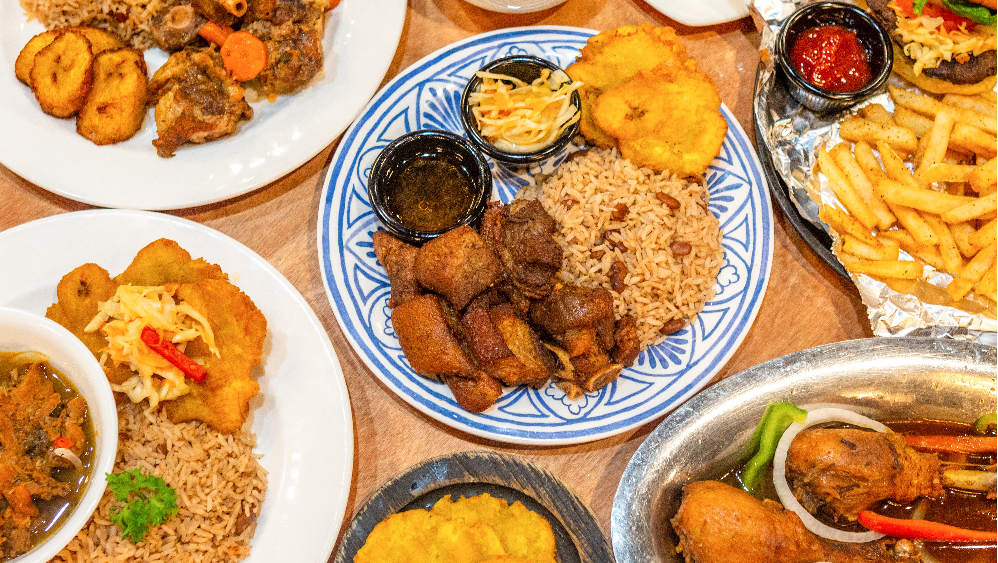
Haïti has a rich and diverse culture, influenced by African, European and indigenous elements. Haitian music, dance, art and cuisine are celebrated around the world.

  • +
    • Post