



Haiti: The Rendez-Vous Christ Church inspires youth at a major conference
Discover how the Rendez-Vous Christ Church inspires Haitian youth at an unforgettable conference. Join us! #Haiti #Youth #Insp
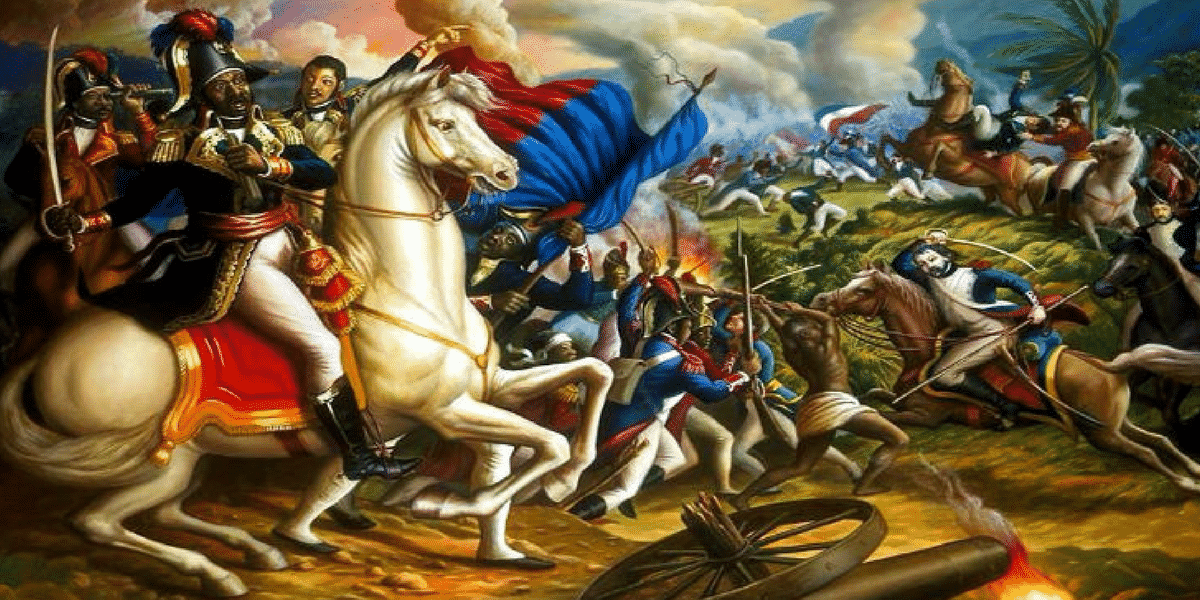
Every year, on November 18, Haïti celebrates one of the most significant events in its history: the Battle of Vertières. This date, a symbol of courage and determination, recalls the decisive victory of Haitian troops over French colonial forces in 1803, thus paving the way for the independence of Haiti, proclaimed on January 1, 1804.
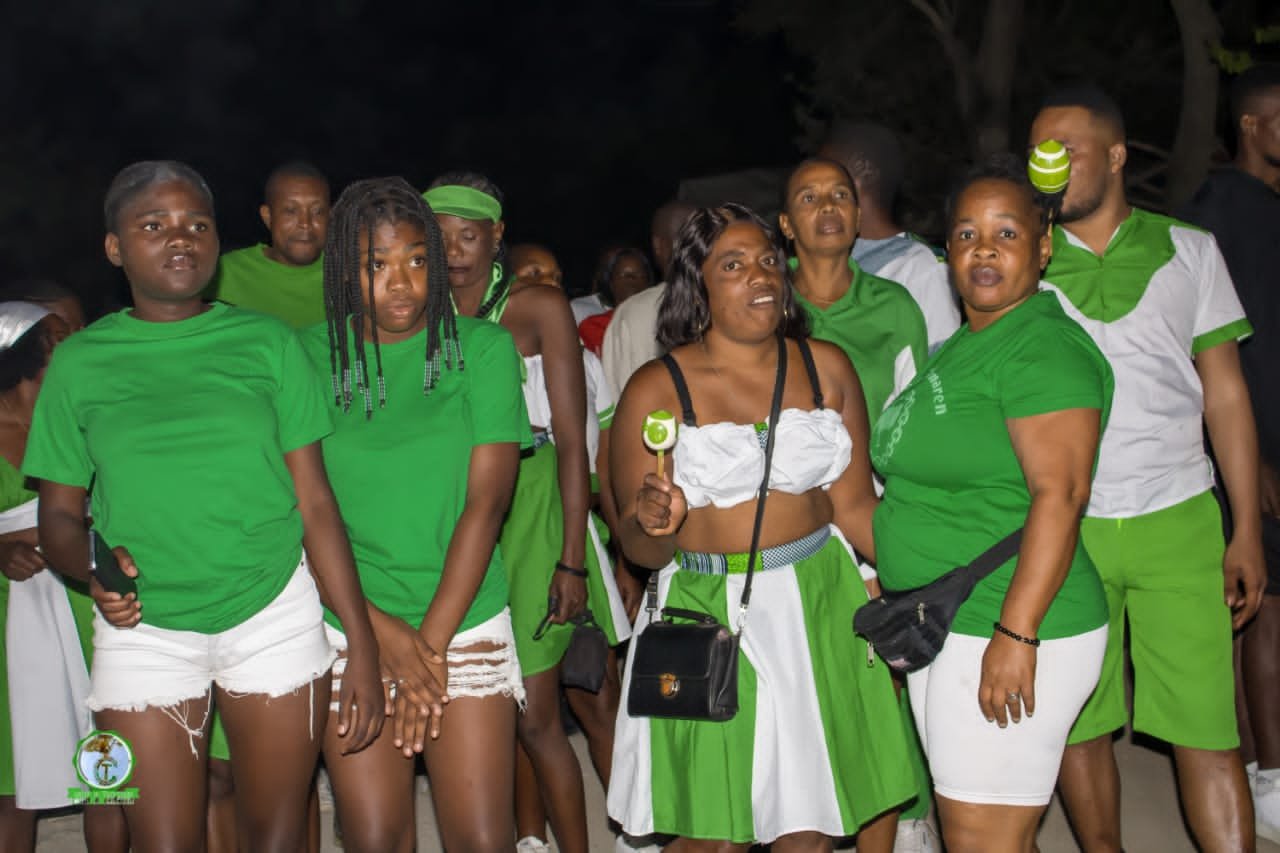
Haitian culture is a true treasure, woven from the creativity of its artists, its rich heritage and the diversity of its cultural expressions. Among these cultural gems, the rara stands as a true national emblem, uniting Haitians through its captivating rhythms and centuries-old traditions. During the first Rara weekend, this very essence of Haitian culture shone brightly, revealing palpable social cohesion. Despite the absence of law enforcement, tranquility reigned in Petit-Goâve, testifying to the ability of citizens to come together in peace and conviviality. However, media attention was mainly focused on the first plain, leaving a certain imbalance in the coverage of the festivities. Ratyèfè, three-time reigning champion, once again captivated minds with his talent and artistic mastery, offering an unparalleled spectacle. But his rival, Lambi gran dlo, was not to be outdone, displaying a determination to compete for first place. The event was also marked by unfortunate incidents, reminding us that despite the beauty of tradition, tensions can arise. Clashes between fans of different groups tarnished the festive atmosphere, highlighting the need for careful management of celebrations to avoid such excesses. At the heart of this musical competition, where each group aspires to recognition and victory, a complex picture of rivalries and alliances emerges. Chenn tamarin, although appearing asleep in the first moments, shows signs of waking up, ready to shake up the established order. On Sunday evening, Lambi gran dlo honored the memory of one of its loyal supporters, while Grap Kenèp was the scene of violence between fans, recalling the fragility of social cohesion when passion runs wild. In this whirlwind of emotion and competition, it is crucial to keep in mind that it is the journalist who must look to the events, and not the other way around. This is how we draw up the first ranking for this first weekend: 1. Ratyèfè 2. Lambi grand dlo 3. Chenn tamarind Beyond the results, it is the preservation of unity and mutual respect that must remain at the heart of these celebrations, making the rara not only a musical festival, but above all a symbol of the wealth and resilience of the people Haitian.
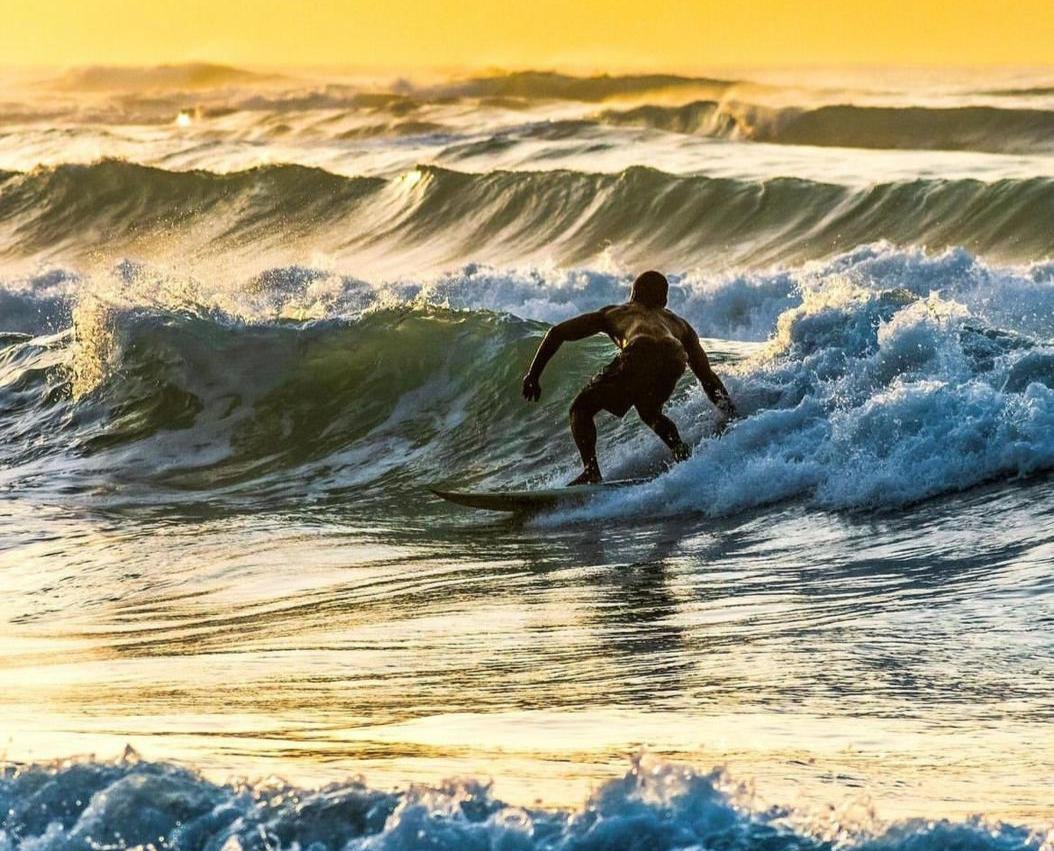
Haïti Surf, a hidden space on the coast of Jacmel which offers an unforgettable surfing experience in a breathtaking tropical setting. Situated among the crystal clear waves of the Caribbean Sea, Haïti Surf is a paradise for water sports enthusiasts and adventure-seeking travelers.
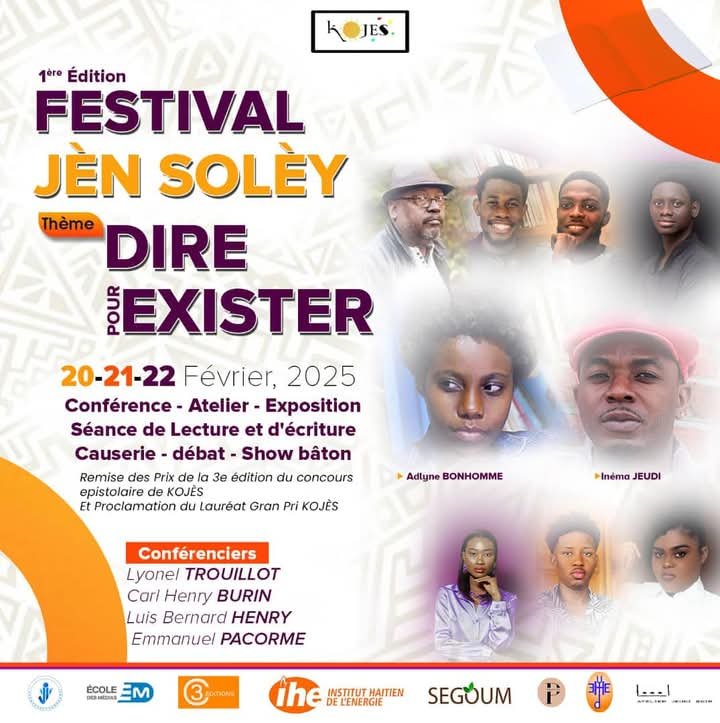
KOJES is a non-profit youth association founded in November 2020 in Cité Soleil, the largest slum in Haïti and the Caribbean. From its inception, KOJES has been committed to promoting education, culture, and training through various initiatives. One of its flagship projects is a space for social and cultural debate that has allowed many young people to meet and discuss social issues. Although the clashes that resumed in Cité Soleil in September 2022 temporarily halted this section, KOJES was able to recover by launching the KOJES letter-writing competition, aimed at reestablishing this precious connection between young people through literature. Today, the association is embarking on a new challenge with the Jèn Soley Festival, which will take place from September 20 to 22, 2025, under the evocative theme: "Saying to Exist." Among the guests participating in this festival are the renowned Lyonel Trouillot, the talented poet Carl Henry Burrin, the young slam poet Pacôme Emmanuel, the novelist Louis Bernard Henry, the poet Inima Jeudi, and the young poet Adlyne Bonhomme.
On Thursday, May 15, 2025, the Karibe Hotel hosted the launch conference of the 4th edition of the national essay contest organized by Centre Muse Haïti. The event was attended by members of the Centre, including Father Gilbert Peltrop, contest coordinator, Mr. Arnold Antonin, special guest of this edition, as well as representatives from institutions such as the Ministry of National Education, represented by Emmanuel Bernard speaking on behalf of Minister Antoine Augustin; the OPC; the State University of Haiti, represented by Rector Dieuseul Prédélus; LONAPÉ, represented by Mr. Hervé Boursiquot; the Ombudsman Me Wilner Morin; and representatives of the UNDP, BINUH, and UNESCO, represented respectively by Mr. Xavier Michon, Armor BouBarkri (on behalf of Ms. Maria Isabel Salvador), and Ms. Erica Francillon Célestin (on behalf of Mr. Éric Voli Bi), partners of Centre Muse in this initiative. Members of the press were also present.
Imagine a place where summer never ends, where each dawn brings the promise of a day bathed in light. A place where the waves tirelessly murmur their melody on shores of gold and ivory, where time seems suspended in an eternal promise of warmth and beauty. The sun, faithful lover, caresses with its golden rays 1,700 kilometers of coastline, drawing a living picture where the cerulean blue of the ocean blends into the infinite azure of the sky. This paradise is not a mirage, it is Haiti, jewel of the Antilles, which opens its arms to you all year round. While in many regions of the world, access to beaches is often limited to the summer period, Haïti stands out for its beaches accessible all year round. Located in the Caribbean, this tropical destination offers pristine shores and turquoise waters that invite relaxation and adventure, whatever the season. Are you ready to experience an endless summer? Haïti extends its arms to you, and believe us, it’s an embrace you won’t want to let go of. Let’s find out together why this jewel of the West Indies deserves its place at the top of your list of dream destinations.
Located in the southern metropolis of Haiti, within the commune of Camp Perrin, near the city of Les Cayes, Saut Mathurine is one of the largest and impressive waterfalls in Haiti. this natural site is a true treasure for nature lovers, adventurers and tourists in search of authentic beauty. If the southern region of Haïti is known for its many lush beaches under the weight of the Antilles sun, its numerous caves, forts of all kinds and other important historical sites. Among all this great natural wealth, there are cities which stand out for their exceptional side. And which does not leave those who are willing to visit them indifferent. The Mathurine jump is precisely one of them. The Saut Mathurine stands out for its impressive height and powerful flow, creating a breathtaking natural spectacle. The waterfall, which flows forcefully into a pool, is made up of clear, turquoise waters, while providing an idyllic and peaceful setting for those who bathe there. In other words, visitors can take advantage of this enchanting setting to relax, picnic or swim in the fresh and invigorating waters of Mathurine Falls.
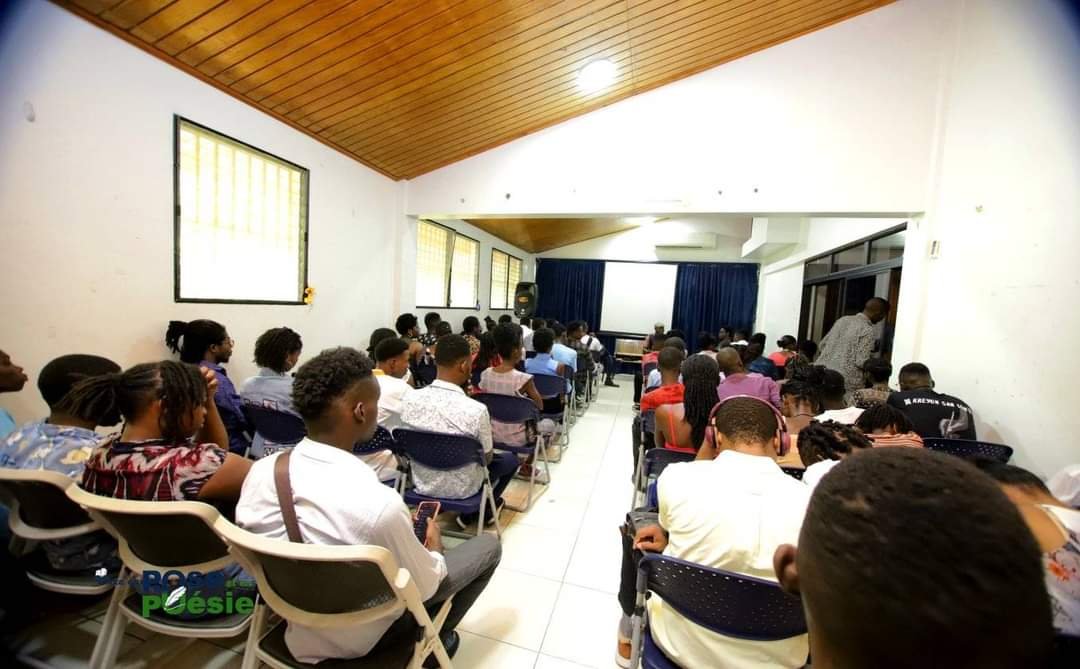
On Saturday, July 27, the Pyepoudre cultural center, located at number 312 on the road to Bourdon, was transformed into a real creative hive thanks to the initiative of the Cultural Association Salon du Livre de Port-au-Prince entitled ’’Living in prose and poetry’’. This event, placed under the theme "from Haiti, a country that lives in us", fully kept its promises. Bringing together young talents from all walks of life to express their genius through song, rap, slam, dance and poetry. This artistic event was a great success with a young audience who came in large numbers to follow the activity. It also highlighted the growing commitment of Haitian youth to culture.
Le Makaya est bien plus qu’une simple fête ; il est un pilier spirituel du vaudou haïtien, une tradition vivante qui lie les croyances ancestrales aux rituels de purification, de guérison et de renouveau. Célébré principalement à la fin du mois de décembre, le Makaya tire ses racines de l’Afrique, en particulier des civilisations bantoues, et se déroule dans un contexte profondément spirituel où les liens avec les ancêtres et les forces naturelles sont essentiels. Le terme "Makaya", qui signifie "feuilles" en Kikongo, est intrinsèquement lié à la nature et aux plantes, éléments essentiels du vaudou. Ce lien direct avec la nature fait du Makaya un moment de purification, où les croyants se connectent à la terre et aux esprits par l’intermédiaire des végétaux. La tradition du Makaya vient des peuples Bantous, principalement du Congo, et de leurs pratiques spirituelles qui ont été transposées, adaptées et enrichies par la diaspora haïtienne pendant la période de l’esclavage. La période du Makaya commence le 21 décembre, lors du solstice d’hiver, une date symbolique marquant la victoire de la lumière sur les ténèbres, le commencement du renouveau solaire. Dans le vaudou, cette époque est perçue comme un moment d’introspection où la nuit la plus longue de l’année se transforme lentement en jour, apportant avec elle des forces purificatrices et régénératrices.
Haiti, the jewel of the Caribbean, is full of historical and tourist treasures just waiting to be explored. From its historic monuments to its idyllic beaches to its vibrant culture, the country offers a unique experience to every visitor. But today, there is no need to pack your bags to discover these wonders. Thanks to virtual reality, Haïti invites itself to your home with Haïti Wonderland, an immersive adventure that transports you to the heart of its most emblematic sites, wherever you are in the world.
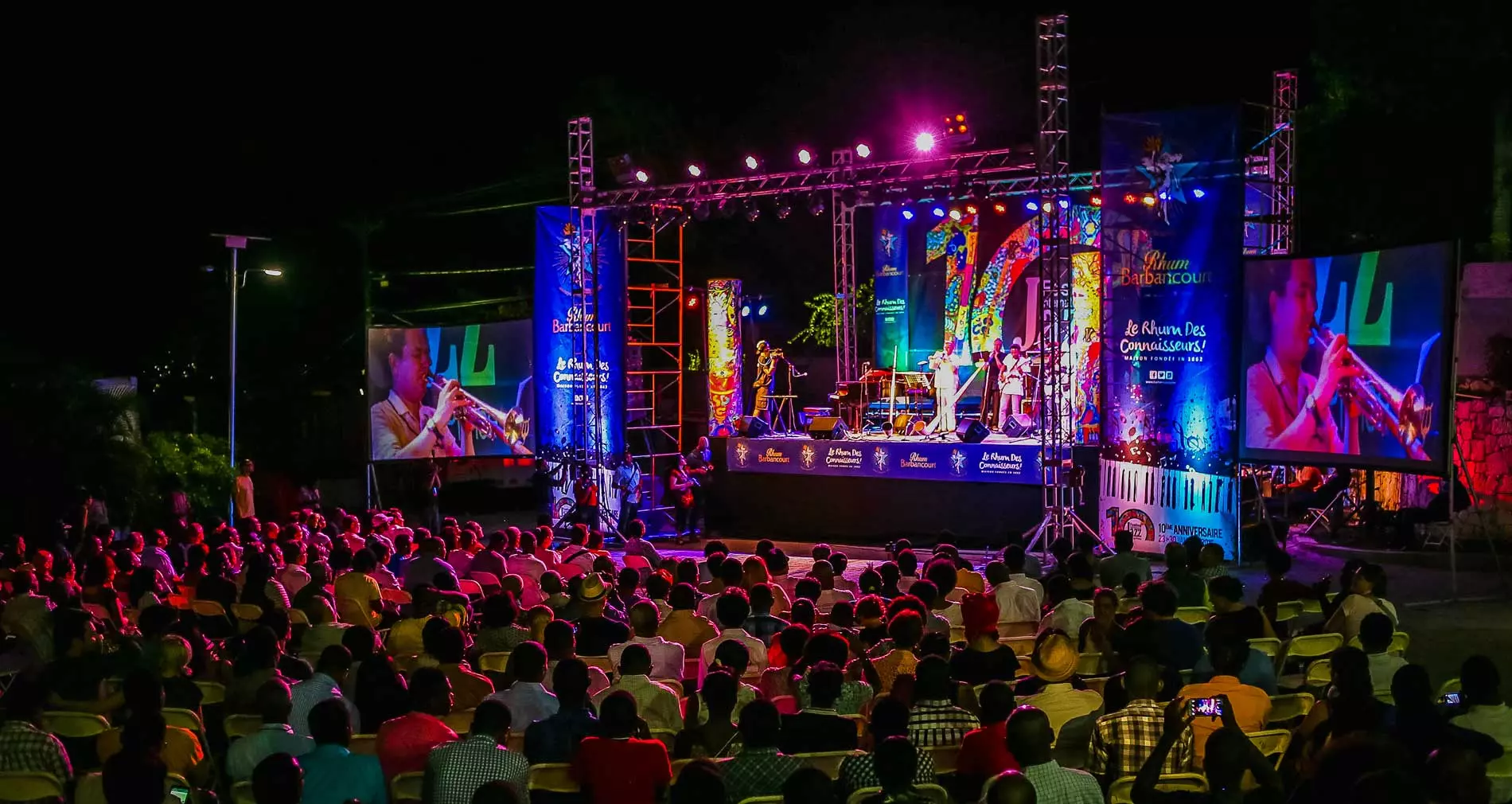
The Port-au-Prince International Jazz Festival, known as PapJazz, is one of the most prestigious cultural events in Haiti. This annual event attracts jazz lovers from around the world, transforming the Haitian capital into a true musical crossroads. If you are looking to discover the best of Haitian culture, PapJazz is a must-visit experience.
Haiti, an independent republic since 1804, is a country located in the Caribbean, precisely in the Gulf of Mexico. Occupying the eastern part of an island that it shares with the Dominican Republic, it extends over an area of 27,750 square kilometers. Famous for its tropical climate and tourist attractions such as Labadie, Cocoyer Beach, the Citadel and the Sans Souci Palace, the country attracts visitors from all over the world. Its diverse landscape includes impressive mountainous terrain as well as coastal plains which play an important role in its economy. Among its natural attractions are the majestic Massif de la Selle and inland fishing areas such as Lake Azuei. Despite its natural wealth, Haïti faces major economic challenges, including deforestation and land degradation, which hamper its sustainable development.
Haiti, often nicknamed "the Pearl of the Antilles", is a Caribbean island nation that shines with its cultural wealth. This richness is the result of a unique blend of African, French, Spanish and indigenous influences, shaped by a tumultuous history and remarkable resilience. Let’s explore together the varied facets of this vibrant and profound culture.
Haiti, the world’s first independent black republic, played an exceptional role in the quest for independence for other nations. Although often overshadowed by other historical events, Haiti’s contribution to the liberation of other countries was significant and deserves to be highlighted. b~The Haitian Revolution~b At the turn of the 19th century, Haïti threw off the chains of slavery and achieved the impossible by freeing itself from French colonial rule. In 1804, the country proclaimed its independence, ushering in a new era for oppressed peoples around the world. b~Inspiration for Latin America~b The Haitian Revolution was a major source of inspiration for independence movements in Latin America. Iconic figures such as Simón Bolívar and Francisco de Miranda recognized the courage and determination of Haitians as a driving force for their own struggles. By materially and ideologically supporting these movements, Haïti contributed to the emergence of several independent nations in South America. b~Influence in Africa~b Beyond the Americas, Haïti also played a crucial role in the quest for independence in Africa. African leaders have left a legacy that has inspired entire generations of freedom fighters on the African continent. The idea that oppressed people could rise up against their oppressors found a powerful echo in the struggles for independence in Africa. b~Support for Liberation Movements~b Throughout its history, Haïti has provided substantial support to liberation movements around the world. Whether through troop dispatches, financial resources or active diplomacy, the country has demonstrated its solidarity with those fighting for their autonomy. Haiti’s contributions have often been discreet but crucial. Haiti, as a pioneer of independence and freedom, has left a lasting impact on the world stage. His legacy resonates across continents, reminding the world that the quest for freedom is universal. By recognizing and celebrating Haiti’s role in the independence of other nations, we not only honor its history, but we also commit to promoting a future where all people have the opportunity to shape their destiny.

First black nation to free itself from slavery and gain independence from France in 1804 and influenced other liberation movements around the world, inspiring struggles for freedom and equality.

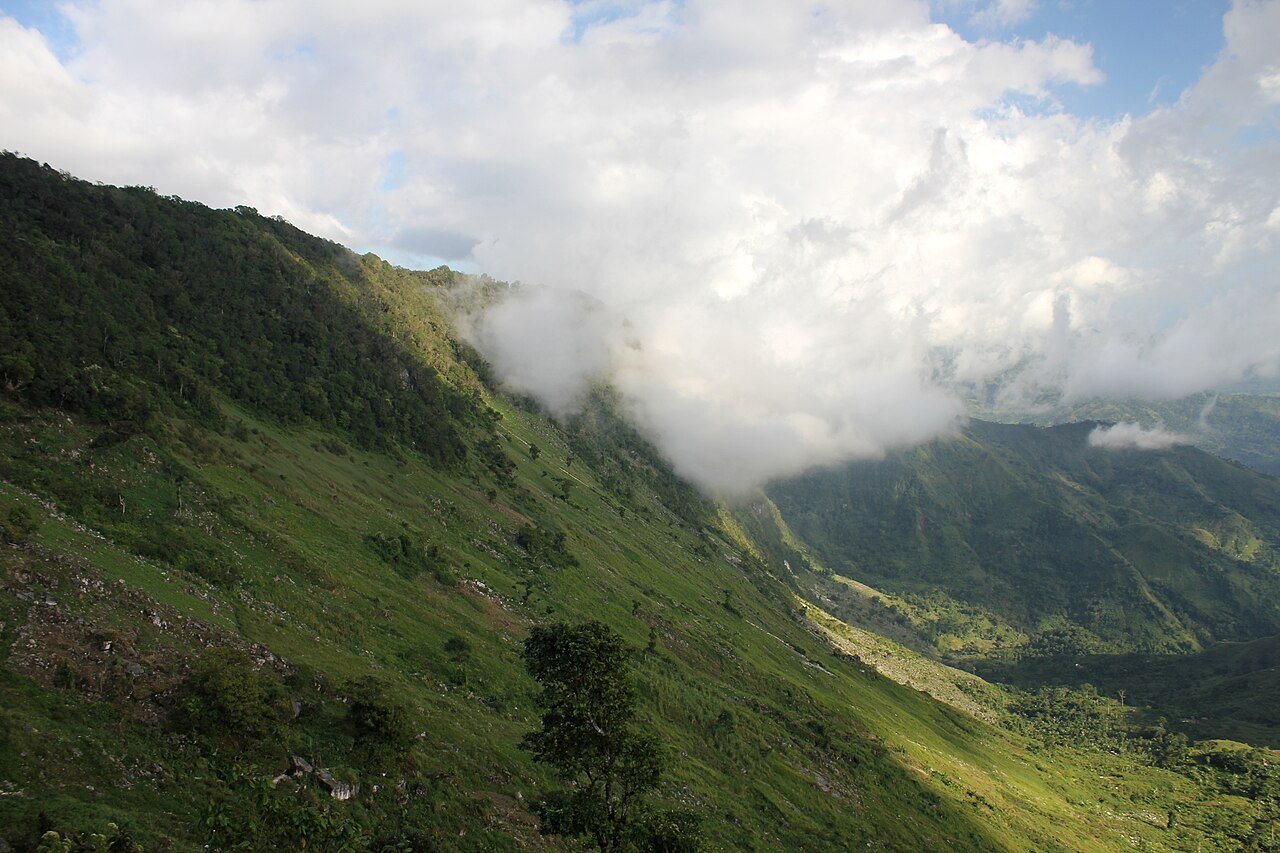
Haïti is blessed with spectacular natural landscapes, including white sand beaches, mountains and rich biodiversity.

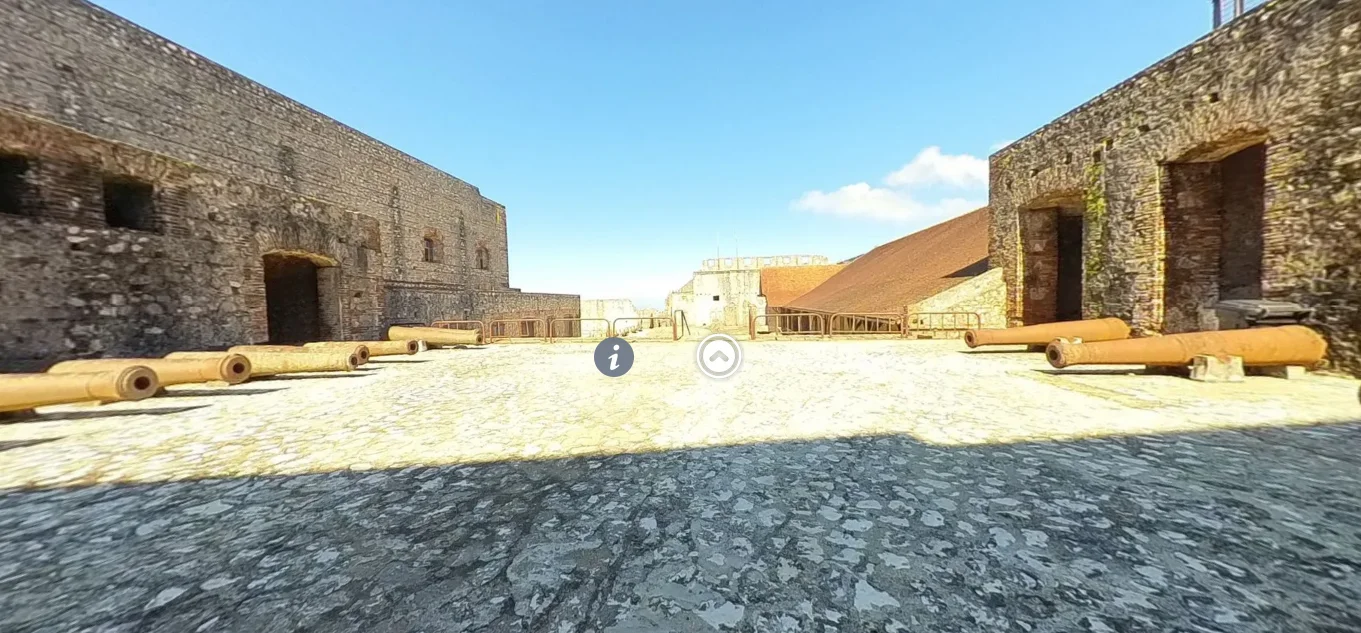
Haïti has a rich historical heritage, including sites like the Citadelle Laferrière and the Sans-Souci Palace, listed as UNESCO World Heritage Sites.

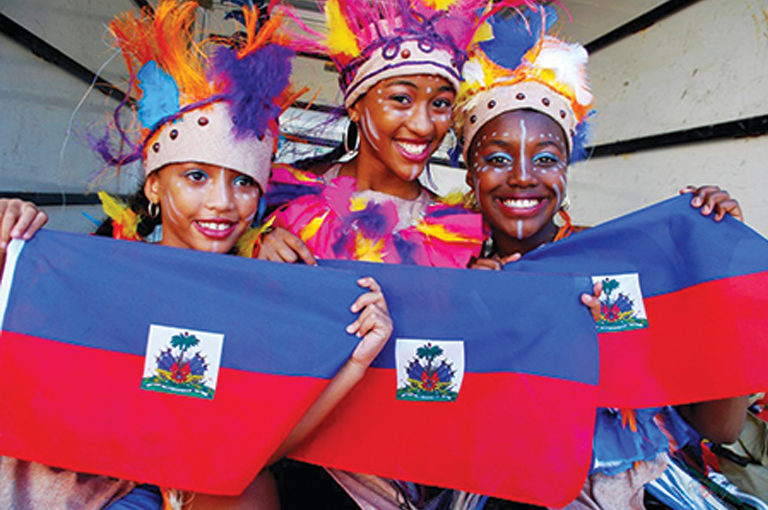
Haïti has a rich and diverse culture, influenced by African, European and indigenous elements. Haitian music, dance, art and cuisine are celebrated around the world.