



A Pre-Parade to Kick Off the Festivities
Jacmel Opens Carnival 2026 with Splendor and Creativity
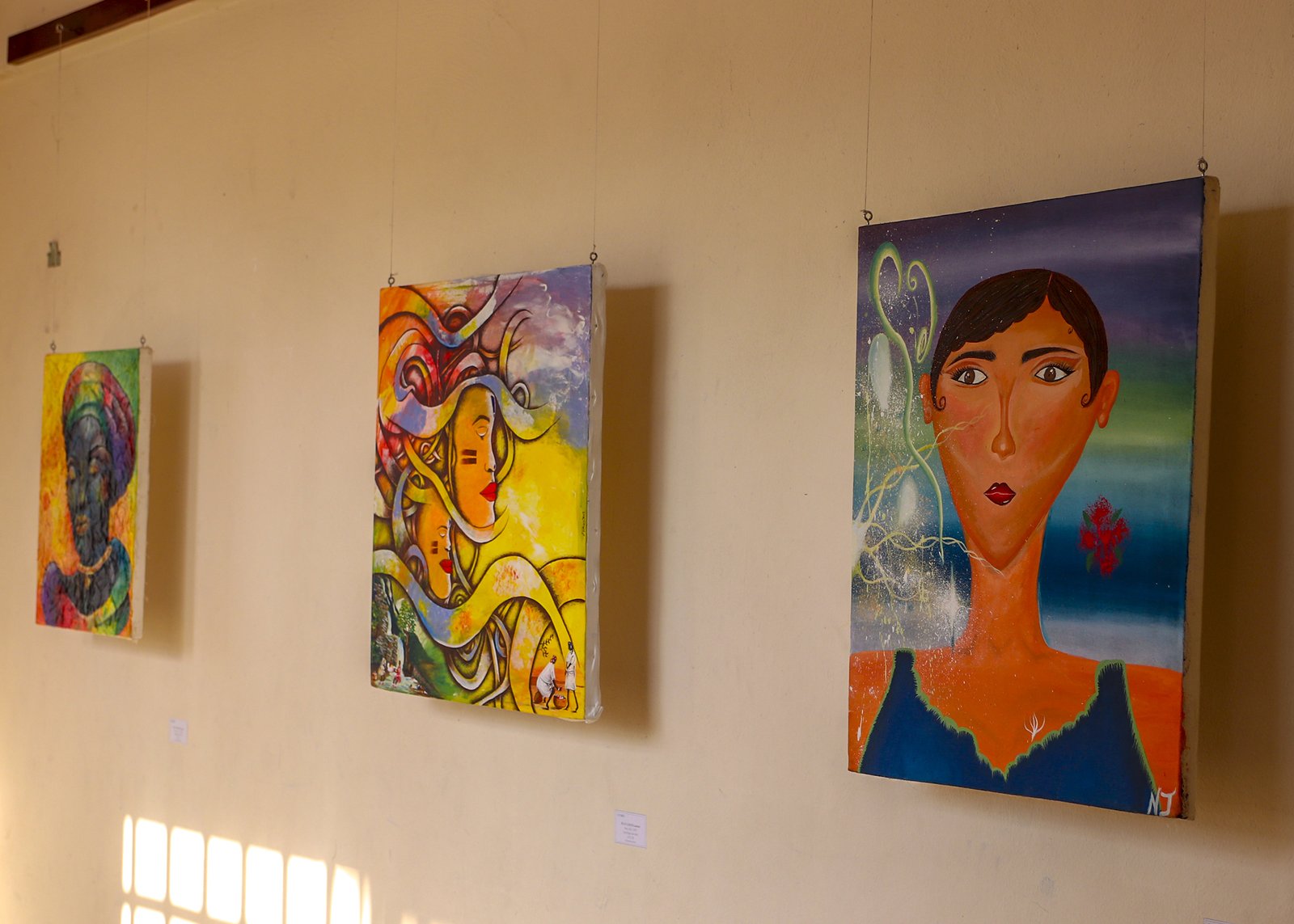
From March 8 to 21, 2025, the Emmanuel Charlemagne Municipal Cultural Center welcomes a vibrant and emotional celebration of femininity with MUSES, a unique exhibition as part of Women’s Fortnight. This event delves into the very essence of Haitian women, representing them in all their complexity, strength, and beauty through the works of four exceptional artists. Let yourself be swept away by this unique artistic experience that invites you to rediscover women in a new light!
With its heavenly beaches, vibrant culture and fascinating history, Haïti is a captivating destination that deserves to be discovered. The first black country to gain its independence, Haïti is a country of contrasts, where mountains meet crystal clear waters and where every street corner reveals a unique part of culture. While we often hear about its challenges, Haïti also offers an unsuspected wealth for travelers in search of authenticity, heritage and adventures
Discover the profound meaning of Haiti's mottoes: "Unity is Strength" and "Liberty-Equality-Fraternity." History, symbols, and legacy of the first free Black republic.
On Sunday, June 16, 2024, the historic city of Cap-Haïtien was the scene of an extraordinary event: A gala in the heart of the city, a fashion evening and a dazzling parade captivated the attention of locals and visitors , marking an unforgettable moment in the region’s cultural and fashion calendar.
After "No to violence", the theme of the previous edition, "I read, I grow" is the theme around which the 18th edition of Week-end Poétique will take place, scheduled for January 31, 2025 at Carrefour. As a special guest, this edition will welcome Jean-Rony Charles, author of Pitié, a short story that, in its depth, focuses on the human condition, in particular the precarious life situations that many people face on a daily basis. Exhibitions, workshops, performances and book signings are among the various activities on the program for this 18th edition. The Week-end Poétique is not only a relaxing activity, but a real space for engagement, offering activities that have a direct impact on the Carrefour community. Events of a social, cultural, artistic, literary, etc. nature constitute its heart and contribute to enriching local life.
Cheffe Leen! A name that’s been making the rounds on social media in recent weeks! And for good reason: the Haitian chef represented Haïti in the Guinness World Records in an extraordinary culinary competition. This challenge consisted of cooking for eight days non-stop, a bold way to showcase the richness of Haitian cuisine. It was in France, more precisely at the Anba Le Pont restaurant, located in Saint-Denis, that Leen Excellent embarked on this exceptional adventure. Starting on Monday, April 7, 2025, she cooked non-stop for nine consecutive days, totaling 187 hours of actual cooking time (after deducting statutory breaks). A historic achievement, combining endurance, passion, and cultural pride. So, if you were Chef Leen, what would be the first dish you would cook to represent Haitian cuisine to the world? The Haïti Wonderland editorial team asked a few readers this question: some readily answered white rice with pea and vegetable sauce, which they call GOAT. Others opted for a good lalo, a tasty pye kochon stew, a good tchaka, or even the famous morning rice. Given this diversity, I’ve chosen to present each dish mentioned in the survey over the weeks.
"Liberty-Equality-Fraternity" vs. "Unity is Strength": finally understand the difference between Haiti's two mottos and their historical complementarity.
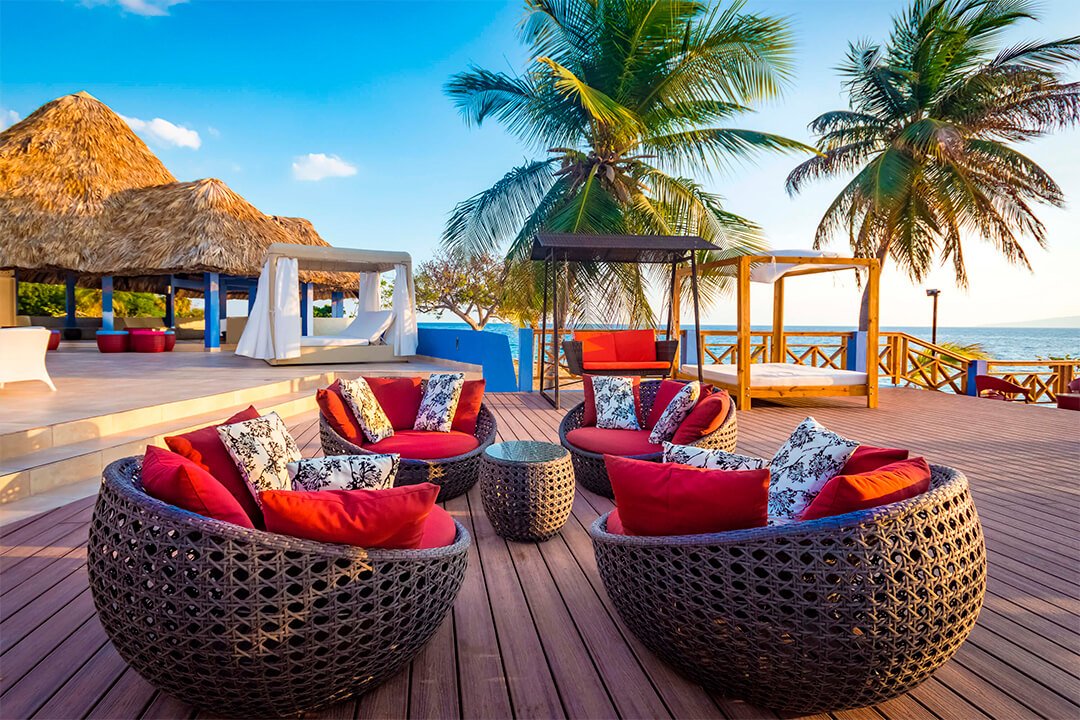
Valentine’s Day is a special occasion to celebrate love and create unforgettable memories with your significant other. What if this year, you celebrated it under the Caribbean sun, in an idyllic setting, between heavenly beaches, verdant mountains and vibrant culture? Haiti, with its authentic charm and warm hospitality, is a perfect destination for a romantic getaway. Whether you are looking for relaxation, adventure or cultural discoveries, here are five magical ways to celebrate Valentine’s Day in Haiti.
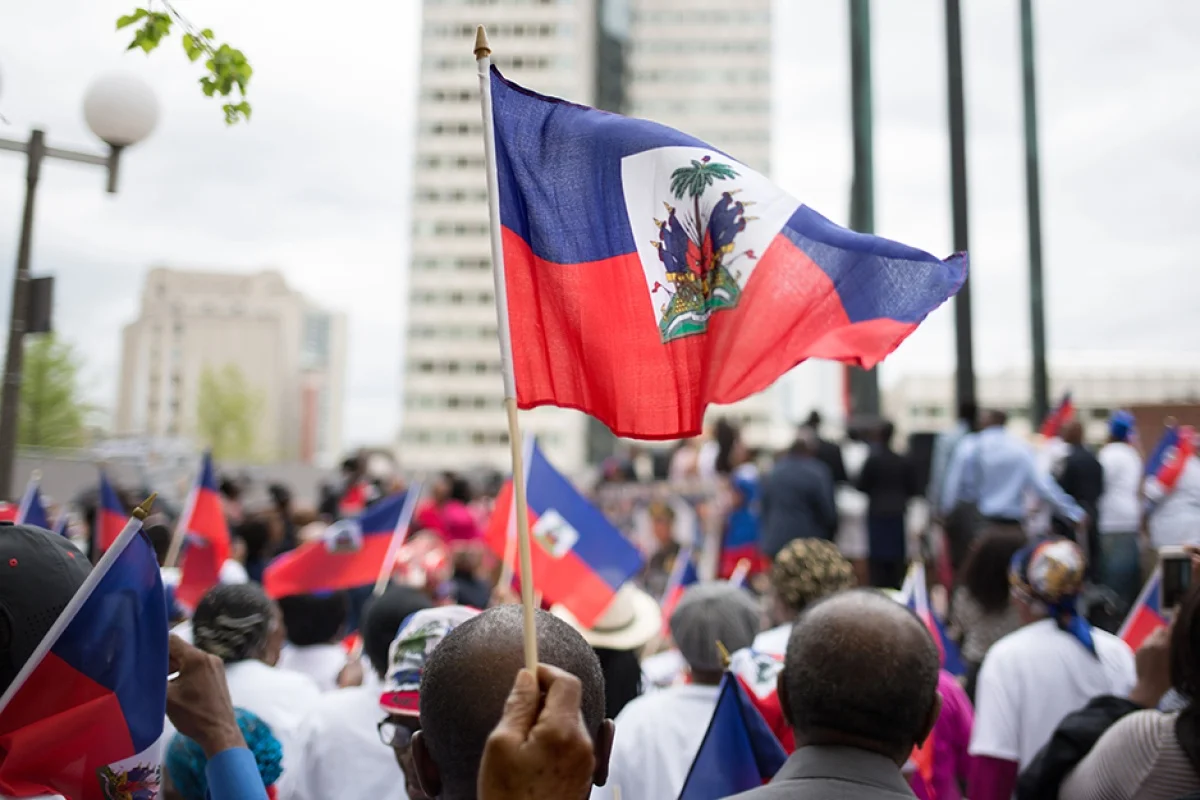
The Haitian flag is much more than just a national emblem. It is a symbol of the struggle for independence, cultural identity, and the resilience of a people. Every year on May 18, Haitians come together to celebrate their flag with a unique fervor. This article explores the significance of this day and the different ways it is celebrated across the country.
Edikanèt is an association dedicated to education in the Haitian Creole language on the Internet. Founded in 2019 at Lycée Toussaint Louverture, the organization works to promote, recognize, and use Haitian Creole in all educational, social, and institutional spaces in the country. It was created by three young activists committed to this cause: Luc Cadet FIGARO, Alan Joe JEAN, and Marcus JUSMA. From the beginning, Edikanèt set itself key goals: promoting education in Creole across all regions of Haiti; creating educational materials in Creole; fighting against linguistic discrimination toward Creole speakers; and elevating Creole as a language of instruction, culture, and prestige. This initiative was born out of awareness of the persistent marginalization of Haitian Creole in Haitian society. Their most recent major initiative was a quiz competition held in July 2025, focused on general knowledge—such as Haitian history, geography, culture, mathematics, Creole grammar, and other subjects related to learning in Creole. The winner, Roobens D. Victor, came out first among 113 participants.
Since its tumultuous birth as the first independent Black republic in 1804, Haïti has been a beacon of resistance, independence, and pride for people around the world. At the heart of its national identity is an anthem of profound power and meaning: La Dessalinienne.
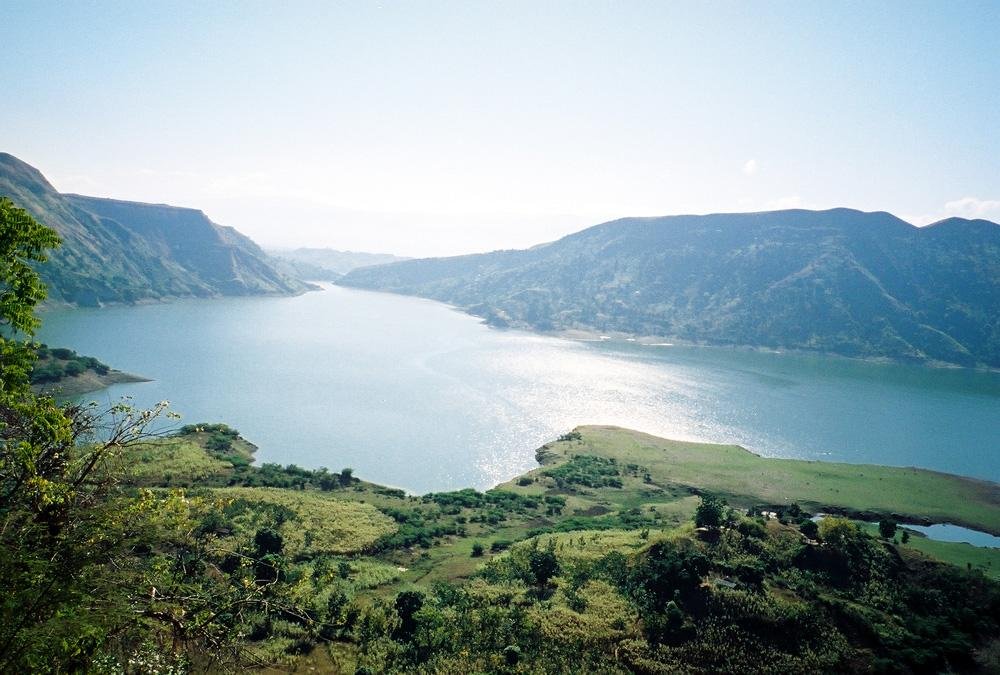
The Center department, commonly called Plateau Central, is one of the ten (10) departments of Haïti most robust in the face of certain natural phenomena. Before becoming one of the ten (10) departments of Haiti, the Center department was part of the Great North. It is renowned for its natural landscapes, its biosphere climate and its resistance to certain natural phenomena. In addition to its natural productions such as corn, millet and livestock, the Center department is also known for its high mountains which constitute a robust defense against certain natural phenomena such as earthquakes and floods. Composed mainly of high mountains, the department of Charlemagne Peralte and Benoît Batravil is the only one of the ten (10) not to have an outlet to the sea. However, its inhabitants take advantage of the vast rivers, rivers and lakes which cross it . With an area of 3,487 km², the population of the Center department is estimated at 678,626 according to a study carried out in 2009. On this same area, the department is divided into four (4) districts and twelve (12) communes. Bordered to the east by the Dominican Republic, the Center department connects other departments of the country such as Nord and Artibonite, and connects the two countries of the island through border areas like Balladère, Hinche and Cerca Carvajal. In the Center department, there are sites that could attract tourists for their natural beauty. In Saut d’Eau, there is the Saut d’Eau waterfall, in Hinche we find the Zim basin, the Péligre lake, the Péligre hydroelectric dam, the Artibonite river, and the Deux river (2 ) Rooms in Thomonde, more precisely in "El Manni", not far from the communal section of Caille-Epin. Thanks to its strong mountains and its natural climate, the Center department remains one of the most resistant departments in the event of an earthquake in Haiti.
The Lagon des Huîtres National Park, one of the jewels of Haitian biodiversity, is a true natural sanctuary. This park is home to twenty-one lagoons forming an ecosystem of inestimable richness. The Pichon waterfall, with its twelve majestic waterfalls, embodies the wild beauty and natural power of the site. The park’s vegetation is dominated by Bayahondes (Prosopis juliflora), creating a dry forest that serves as a refuge for diverse wildlife. Among the most notable residents are the graceful Greater Flamingo (Phoenicopterus roseus) and the Ricord Iguana (Cyclura ricordi), a species endemic to the island of Hispaniola. The red, gray and white mangroves of the Lagon des Huîtres site play an essential role in providing protected habitats for a multitude of species.

First black nation to free itself from slavery and gain independence from France in 1804 and influenced other liberation movements around the world, inspiring struggles for freedom and equality.

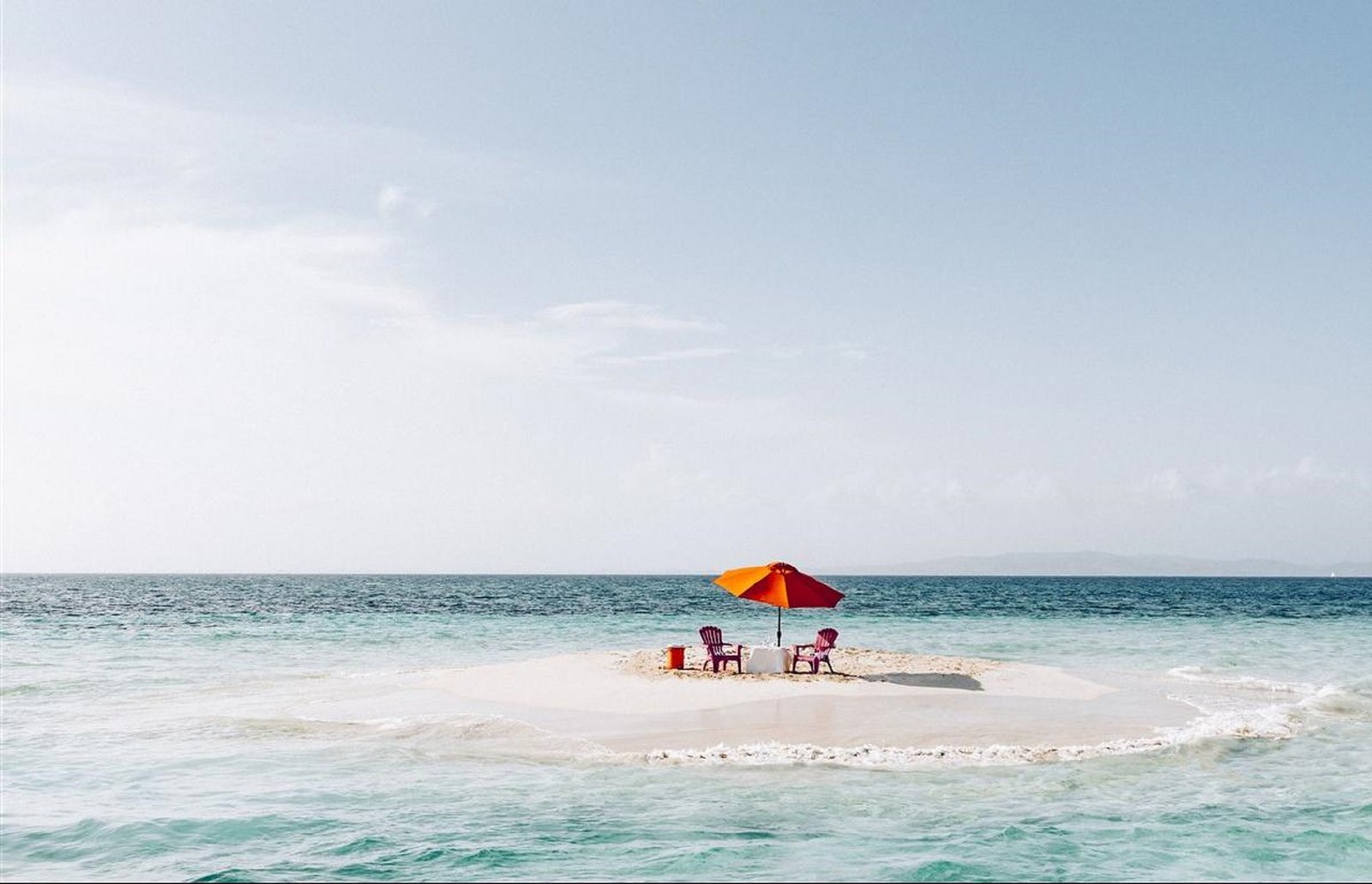
Haïti is blessed with spectacular natural landscapes, including white sand beaches, mountains and rich biodiversity.

Haïti has a rich historical heritage, including sites like the Citadelle Laferrière and the Sans-Souci Palace, listed as UNESCO World Heritage Sites.

Haïti has a rich and diverse culture, influenced by African, European and indigenous elements. Haitian music, dance, art and cuisine are celebrated around the world.