contact@haitiwonderland.com+509 36184317

Discover

Shopping Cart

Haïti : Citadelle la FerrièreHaïti : Citadelle la Ferrière

News / Theater / View Recent Posts

History November 21, 2023

Haïti, a rich and impoverished country

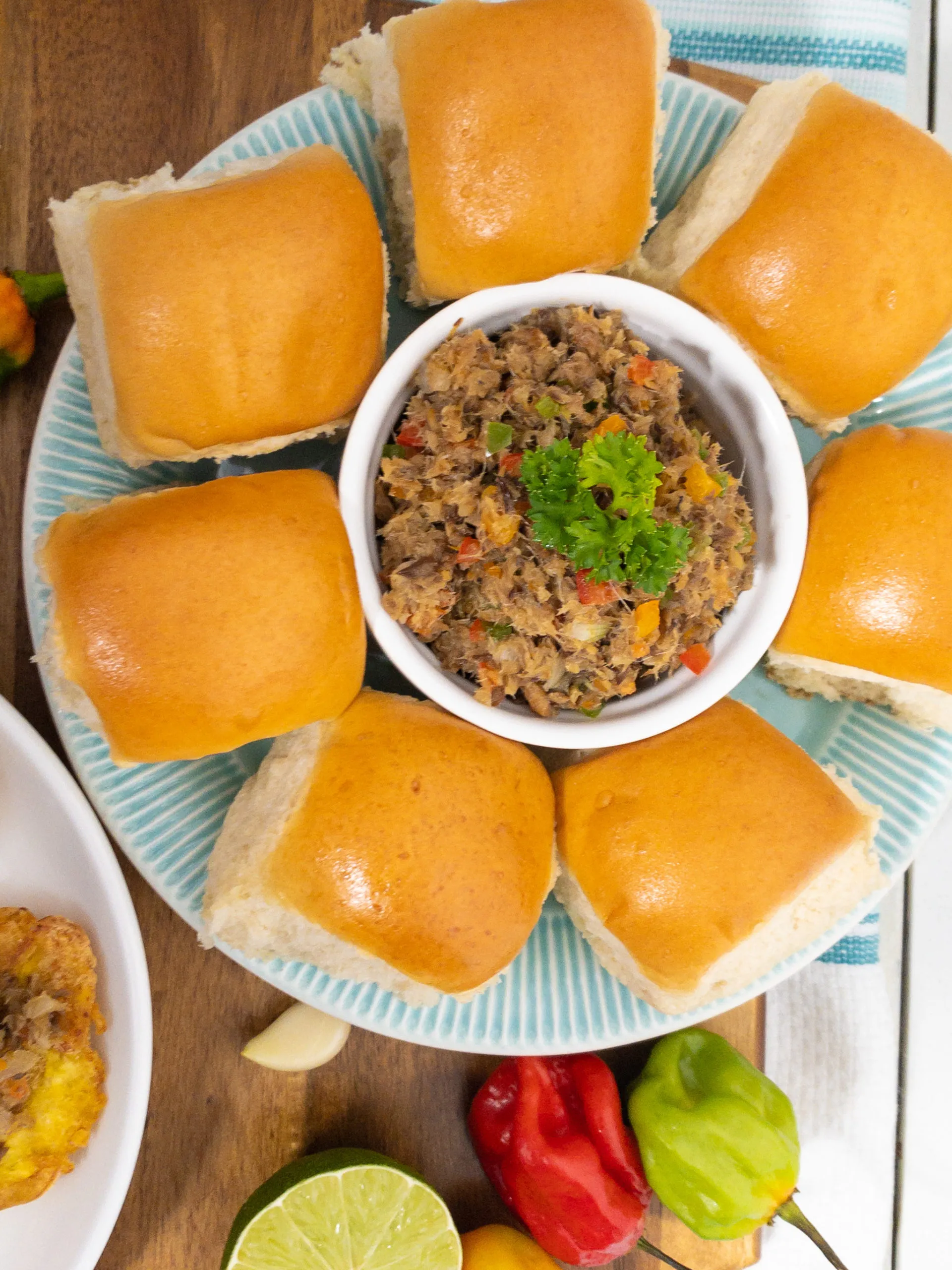
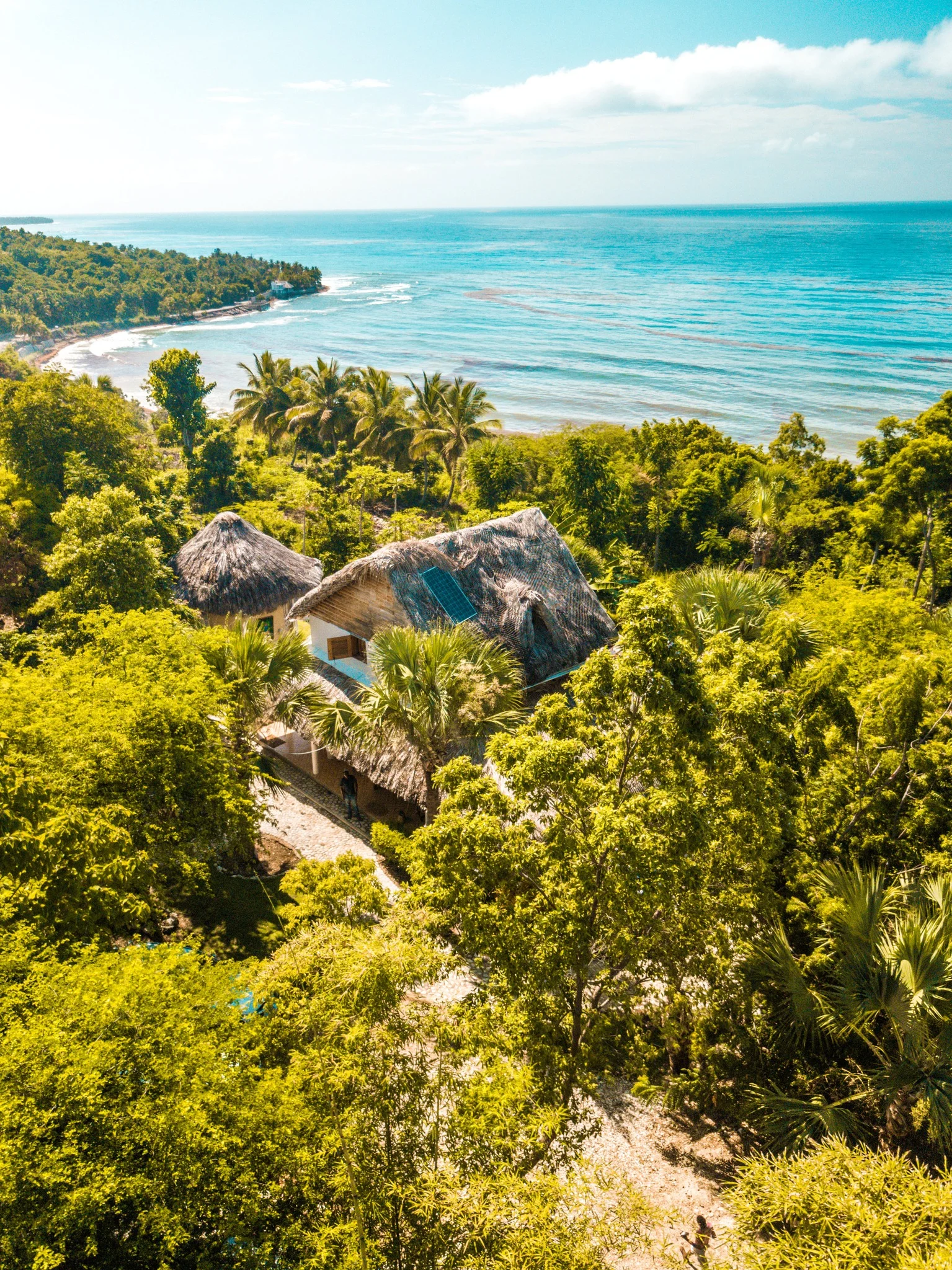
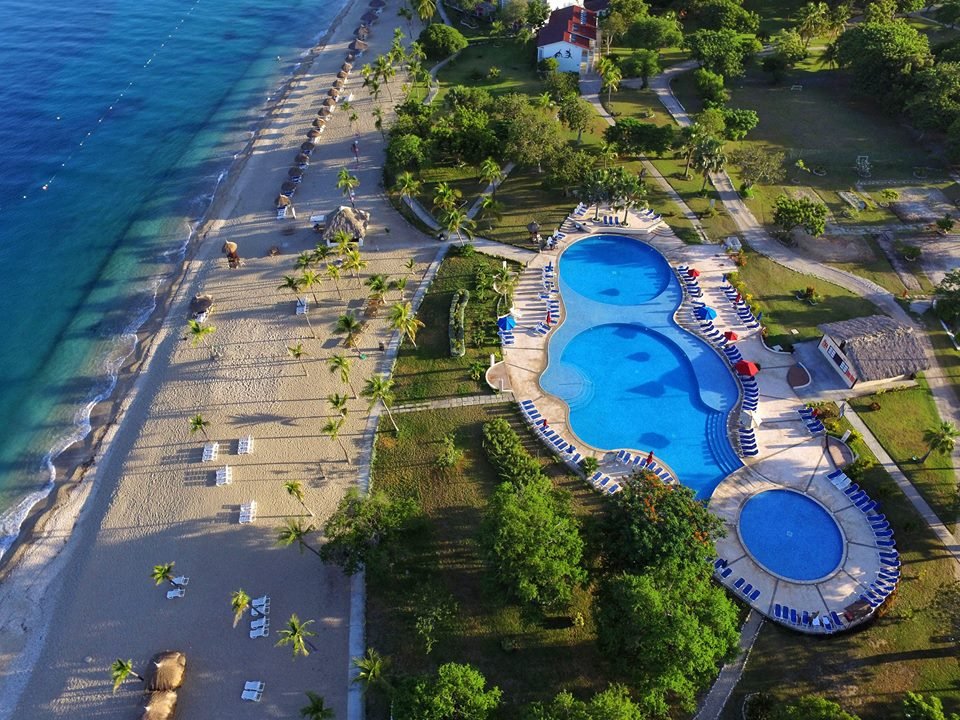
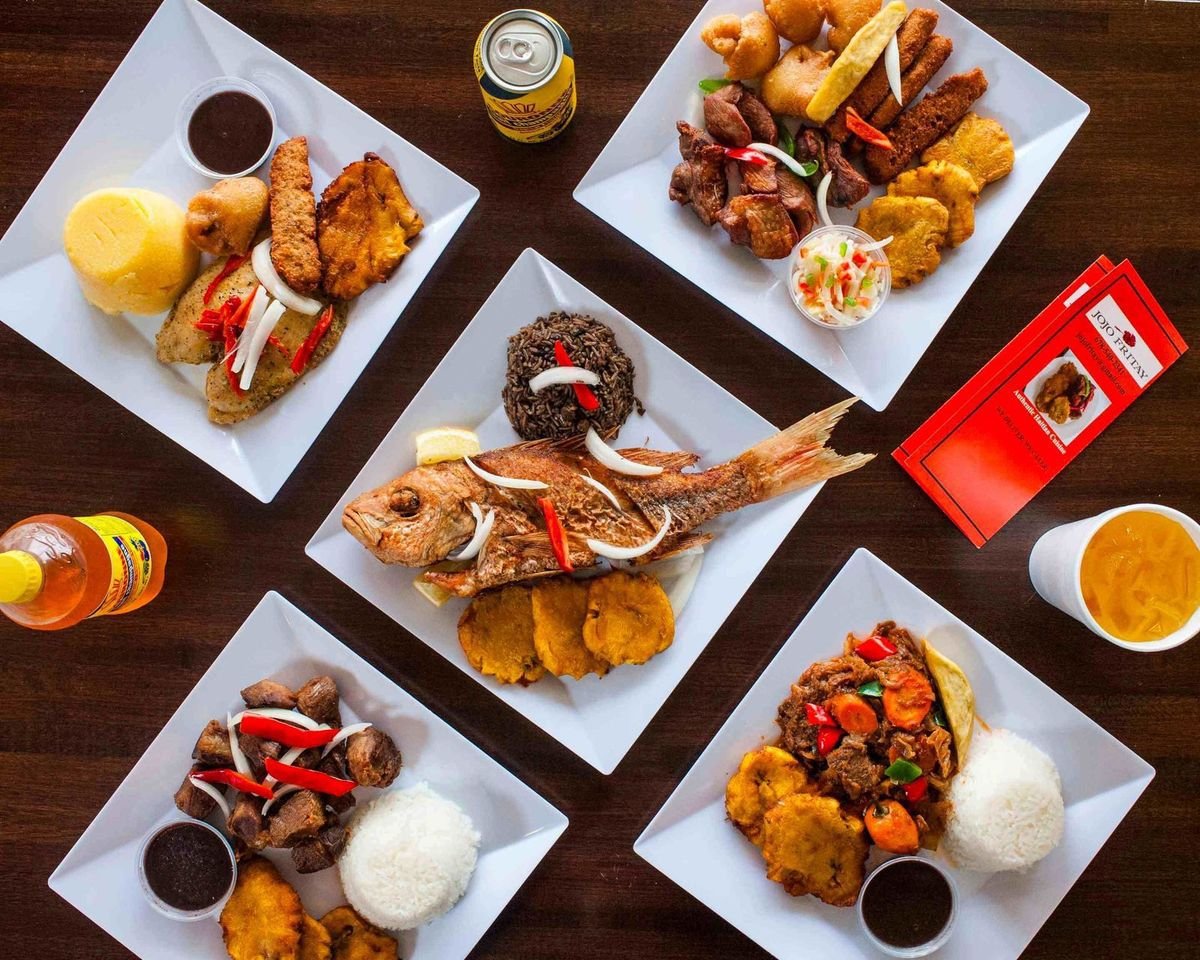
Located in the western part of the island of Hispaniola, Haïti is a land imbued with natural, cultural and historical wealth. Unfortunately, behind the beauty of its landscapes, the richness of its culture and the delicacy of its cuisine lies a complex reality marked by the debt of its independence and the persistent interference of third countries, casting a shadow over its stability. b~The Natural Beauty of Haïti~b Haïti, nicknamed the "Pearl of the Antilles", dazzles with the diversity of its landscapes. From majestic mountains and lush valleys to meandering rivers and sandy beaches, the country offers natural beauty worth celebrating. The famous Citadelle Laferrière mountains and the refreshing waterfalls of Bassin-Bleu are just a few examples of the splendor that characterizes this nation. b~A Rich and Diverse Culture~b Haïti stands out for its vibrant and diverse culture. A heritage of African, French and indigenous influence, Haïtian music, dance and art reflect a unique fusion. Colorful festivals, like Carnival, are celebrations of this cultural richness, attracting visitors from all over the world. b~Delicious Cuisine~b Haïtian cuisine, tasty and spicy, is another aspect worth celebrating. Dishes like griot, sticky rice, and the legendary joumou soup, traditionally prepared to commemorate independence, are all culinary delights that demonstrate the country’s gastronomic ingenuity. b~Heritage Treasures and Paradise Beaches~b Haïti’s heritage treasures, such as the remains of the Sans-Souci Palace and the Citadelle Laferrière, listed as UNESCO World Heritage Sites, are testimonies to the architectural grandeur of Haïti’s past. At the same time, beaches like Labadee and Jacmel offer havens of peace with crystal clear waters, attracting travelers in search of a tropical paradise. b~A Fascinating Story~b The history of Haïti is both fascinating and tragic. It was the first country in the Americas to gain its independence, in 1804, after a courageous slave revolt. However, this independence came with a heavy financial price. France demanded exorbitant compensation, thus laying the foundations for Haïti’s foreign debt. b~The Debt of Independence and Foreign Interference~b Despite these treasures, Haïti struggles with the reality of its independence debt. After gaining its freedom, the country was forced to pay France a considerable sum in compensation for losses associated with the abolition of slavery. This debt has been a major economic burden for Haïti, hindering its development. Additionally, foreign interference continues to create significant challenges. External political and economic interventions have often contributed to the country’s instability, hindering its ability to build a sustainable future for its citizens. b~In conclusion~b Haïti remains a country of multiple riches, but its challenges persist. Despite its natural beauty, rich culture and fascinating history, the nation needs enlightened international support and lasting solutions to overcome the obstacles that stand in its way. Haïti’s wealth lies not only in its enchanting landscapes, but also in the potential of its people to be resilient and prosper despite persistent challenges.

Par Haïti Wonderland |
Learn more
Beache June 17, 2024

There are several reasons why a foreign national might be interested in visiting Haiti

There are several reasons why a foreign national might be interested in visiting Haiti: Rich and diverse culture: Haïti has a unique culture resulting from a mixture of African, European (particularly French) and Caribbean influences. This is reflected in its music, cuisine, art and traditions. Fascinating history: Haïti was the first country in Latin America and the Caribbean to gain independence in 1804 after a successful slave revolt. Its history is rich in significant events and important historical figures. Magnificent natural landscapes: The island of Haïti offers a variety of breathtaking landscapes, from white sandy beaches to lush green mountains, picturesque waterfalls and isolated islands. Hospitality of the locals: Haitians are known for their warmth and hospitality towards foreign visitors, making the travel experience very pleasant and enriching on a human level. Opportunities for Sustainable Tourism: Haïti offers opportunities for sustainable tourism, including encouraging visits that directly benefit local communities and environmental conservation. Exploring historic sites: Historic sites such as the UNESCO-listed Citadelle Laferrière offer visitors a chance to discover colonial architecture and remains from pre-Columbian times. Vibrant cultural celebrations: Haïti is famous for its colorful festivals and cultural celebrations throughout the year, such as Carnival, where music, dance and traditional costumes are in the spotlight. In summary, visiting Haïti can offer a deep and authentic cultural experience, as well as an exploration of the unique natural and historical beauties of this Caribbean nation.

Par | 1
Learn more
City April 03, 2024

Exploring Cayes-Jacmel, Haiti: Discovering a tourist and cultural treasure.

Nestled in the splendid mountains of the southeastern region of Haiti, the picturesque commune of Cayes-Jacmel emerges as a rare pearl, offering an incomparable tourist and cultural experience. With its lush green landscapes, rich cultural heritage and exciting activities, this destination promises an unforgettable journey for travelers seeking authenticity and natural beauty. As soon as you arrive in Cayes-Jacmel, you will be captivated by the splendor of its landscapes. The plains and hills that dominate the terrain offer a breathtaking spectacle, ideal for picturesque hikes and leisurely walks. The town is also full of crystal clear waterways, perfect for a refreshing break or a relaxing fishing session. Explore the hidden trails and let yourself be enchanted by the thriving biodiversity of the region, where nature reigns supreme. Without forgetting the magnificent beaches of Kabic like "Ti Mouillage", where the fine sand and turquoise waters invite relaxation and water sports. Cayes-Jacmel is steeped in rich history and vibrant culture, reflected in its majestic temples and churches. With more than thirty-two temples of all faiths, including Baptist churches, Churches of God and Catholic churches, the town is a symbol of religious diversity and tolerance. Immerse yourself in the region’s fascinating past by visiting the magistrate’s court and police station, witnesses to its political and legal legacy. Experience the excitement of local life by participating in the lively festivals and cultural events of Cayes-Jacmel. Immerse yourself in the haunting rhythms of Haitian music during community celebrations, and discover traditional crafts at local markets. Don’t miss the town’s annual festival, where dance, gastronomy and the arts combine to create a festive and warm atmosphere. Whether you’re a sports lover, adventure enthusiast, or simply looking for relaxation, Cayes-Jacmel has something to offer every traveler. Play football or basketball on the local pitches, or dance the night away at one of the town’s lively nightclubs. For an authentic experience, join a fishing excursion with the locals, or explore the region’s hidden gems on an exciting jeep tour. With its breathtaking natural beauty, rich cultural heritage and captivating activities, Cayes-Jacmel emerges as an incomparable tourist and cultural destination in Haiti. Whether you are looking for adventure, relaxation or cultural discoveries, this picturesque town promises you an unforgettable experience, imbued with the very essence of Haitian life. Embark on a journey to the heart of the magic of Cayes-Jacmel and let yourself be enchanted by its charm.

Par Grégory Henderson LEFRUIT |
Learn more
History November 24, 2023

Holidays in Haiti

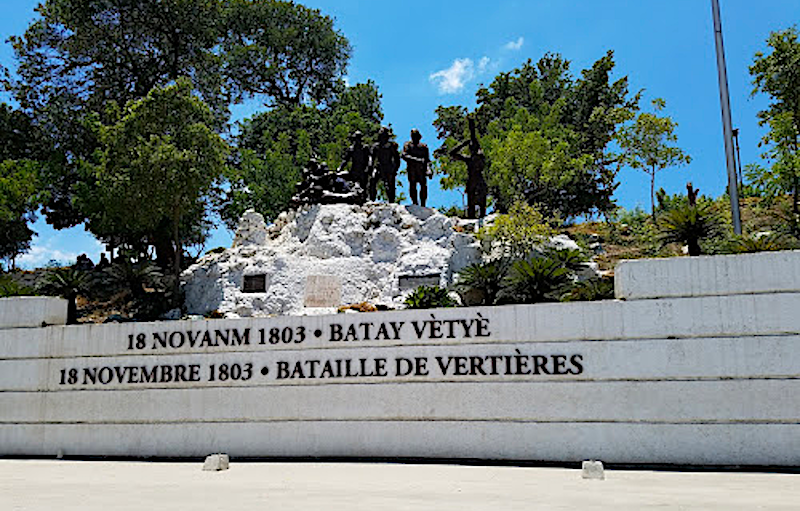
Haiti, the pearl of the Antilles, is a country rich in history and culture. Its public holidays are moments of celebration, commemoration and reflection on its glorious past. Each date has a special meaning, plunging Haitians into a festive and memorable atmosphere. b~January 1: National Independence Day and New Year~b January 1st is a doubly special day in Haiti. On the one hand, it is National Independence Day, commemorating the victory of Haitian slaves over French colonial forces in 1804. On the other hand, it is New Year’s Eve, marking the start of a new year full of promises and hopes. b~January 2: Feast of the Forefathers~b January 2 is dedicated to the memory of ancestors. It is an opportunity for Haitians to remember their roots, to celebrate the cultural heritage passed down from generation to generation. b~February: Carnival, Shrove Monday, Fat Tuesday, Ash Wednesday~b The month of February is marked by Carnival, one of the most colorful and dynamic festivities in Haiti. The streets fill with parades, lively music and wild dancing. Mardi Gras is the culmination of Carnival, followed by Ash Wednesday, marking the start of Lent. b~April: Easter, Maundy Thursday, Good Friday~b Easter celebrations in Haïti include the religious traditions of Maundy Thursday and Good Friday. It is a time of prayer and reflection for many Haitians. b~May 1: Agriculture and Labor Day~b May 1 is dedicated to celebrating the work and importance of agriculture in the life of the country. It is an opportunity to recognize the efforts of workers and to highlight the agricultural sector. b~May 18: Flag Festival~b Flag Day celebrates the Haitian flag, a symbol of independence and national pride. Haitians honor their colors and remember the courage of their ancestors in the fight for freedom. b~May 23: National Sovereignty Day~b This day commemorates the recognition of Haitian sovereignty by France in 1805. It is a moment of national pride and reaffirmation of independence. b~May - August: Ascension~b The Ascension is celebrated between May and August, a religious festival marking the ascension of Jesus Christ into heaven. b~June: Fête-Dieu~b Fête-Dieu, also known as the Feast of the Body and Blood of Christ, is an important religious celebration in June. b~August 15: Assumption of Mary~b The Assumption of Mary is a Christian holiday marking the ascension of the Virgin Mary into heaven. It is celebrated with fervor in Haiti. b~September 20: Birth Anniversary of Jean-Jacques Dessalines~b This date commemorates the birth of Jean-Jacques Dessalines, one of the founding fathers of Haïti and a key leader in the struggle for independence. b~October 17: Death of Dessalines~b October 17 is a day of commemoration of the death of Jean-Jacques Dessalines, recalling his impact on Haitian history. b~November 1: All Saints’ Day~b All Saints’ Day is a religious holiday honoring all saints, celebrated with prayers and visits to cemeteries. b~November 2: Day of the Dead~b All Souls’ Day is an opportunity to pay homage to the deceased by decorating graves and participating in religious ceremonies. b~November 18: Commemoration of the Battle of Vertières~b This day honors the decisive Haitian victory at the Battle of Vertières in 1803, marking the end of the French occupation. b~December 5: Discovery Day~b December 5 celebrates the discovery of the island by Christopher Columbus in 1492. b~December 25: Christmas~b Christmas celebrations in Haïti are marked by family reunions, festive meals and religious traditions. Public holidays in Haïti are much more than breaks from everyday life; these are moments that embody the soul and resilience of a people. Each celebration provides an opportunity to come together, remember the past and look to the future with hope and determination.

Par Appolon Guy Alain |
Learn more

Recently Posted

Haiti: The Center department, one of the departments most resistant to natural earthquakes

The Center department, commonly called Plateau Central, is one of the ten (10) departments of Haïti most robust in the face of certain natural phenomena. Before becoming one of the ten (10) departments of Haiti, the Center department was part of the Great North. It is renowned for its natural landscapes, its biosphere climate and its resistance to certain natural phenomena. In addition to its natural productions such as corn, millet and livestock, the Center department is also known for its high mountains which constitute a robust defense against certain natural phenomena such as earthquakes and floods. Composed mainly of high mountains, the department of Charlemagne Peralte and Benoît Batravil is the only one of the ten (10) not to have an outlet to the sea. However, its inhabitants take advantage of the vast rivers, rivers and lakes which cross it . With an area of ​​3,487 km², the population of the Center department is estimated at 678,626 according to a study carried out in 2009. On this same area, the department is divided into four (4) districts and twelve (12) communes. Bordered to the east by the Dominican Republic, the Center department connects other departments of the country such as Nord and Artibonite, and connects the two countries of the island through border areas like Balladère, Hinche and Cerca Carvajal. In the Center department, there are sites that could attract tourists for their natural beauty. In Saut d’Eau, there is the Saut d’Eau waterfall, in Hinche we find the Zim basin, the Péligre lake, the Péligre hydroelectric dam, the Artibonite river, and the Deux river (2 ) Rooms in Thomonde, more precisely in "El Manni", not far from the communal section of Caille-Epin. Thanks to its strong mountains and its natural climate, the Center department remains one of the most resistant departments in the event of an earthquake in Haiti.

Recently Posted

History

History

First black nation to free itself from slavery and gain independence from France in 1804 and influenced other liberation movements around the world, inspiring struggles for freedom and equality.

Natural beauty

Natural beauty

Haïti is blessed with spectacular natural landscapes, including white sand beaches, mountains and rich biodiversity.

Heritage

Heritage

Haïti has a rich historical heritage, including sites like the Citadelle Laferrière and the Sans-Souci Palace, listed as UNESCO World Heritage Sites.

Culture

Culture

Haïti has a rich and diverse culture, influenced by African, European and indigenous elements. Haitian music, dance, art and cuisine are celebrated around the world.

  • +
    • Post