Haitian Cuisine: Carnival Beignets Recipe! (Benyen Kanaval!)
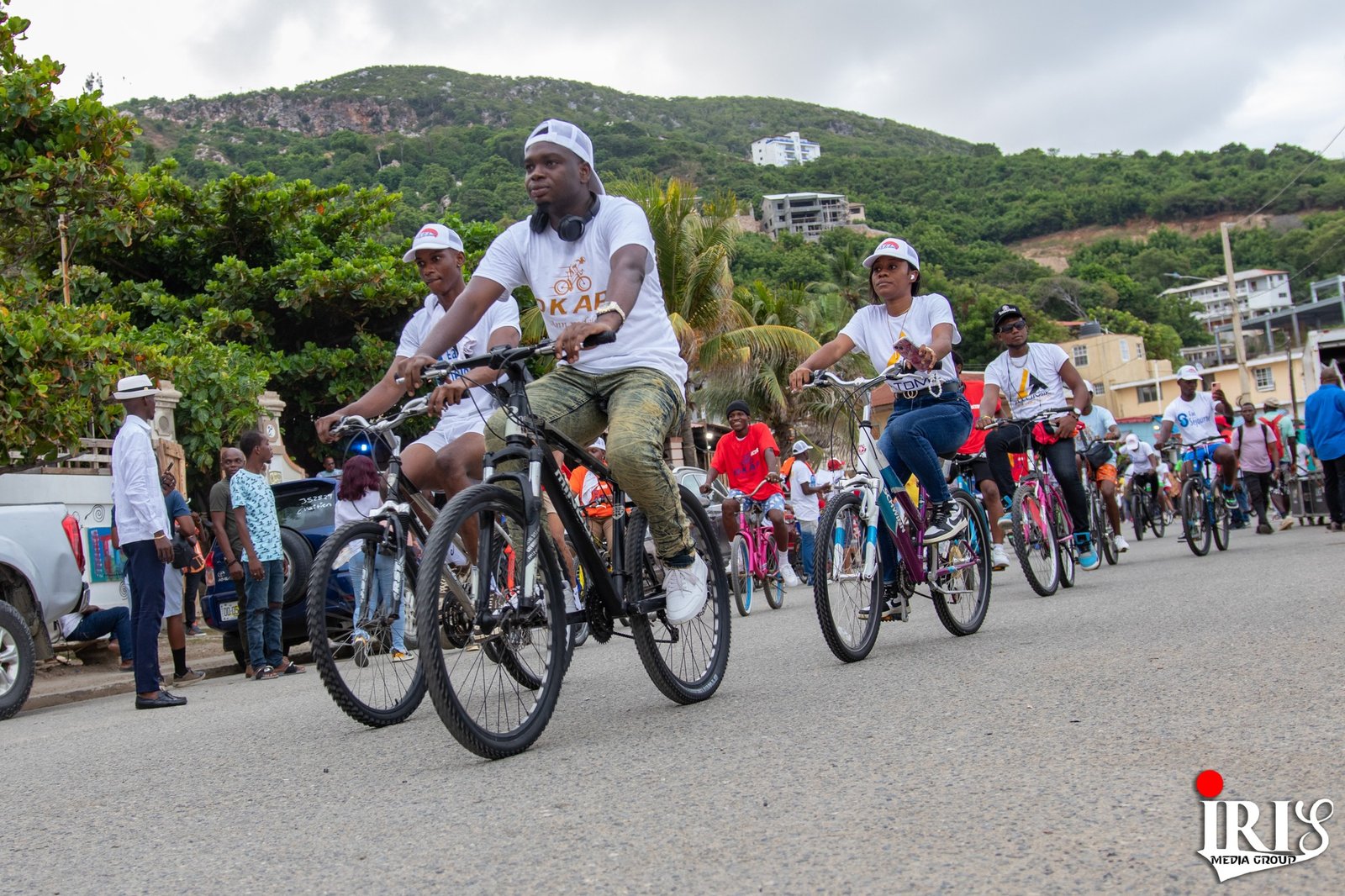
It’s Carnival time! Instead of lamenting the traditions that are disappearing, let’s recreate some memories in your kitchen during this festive season by making beignets! "Benyen kanaval"!

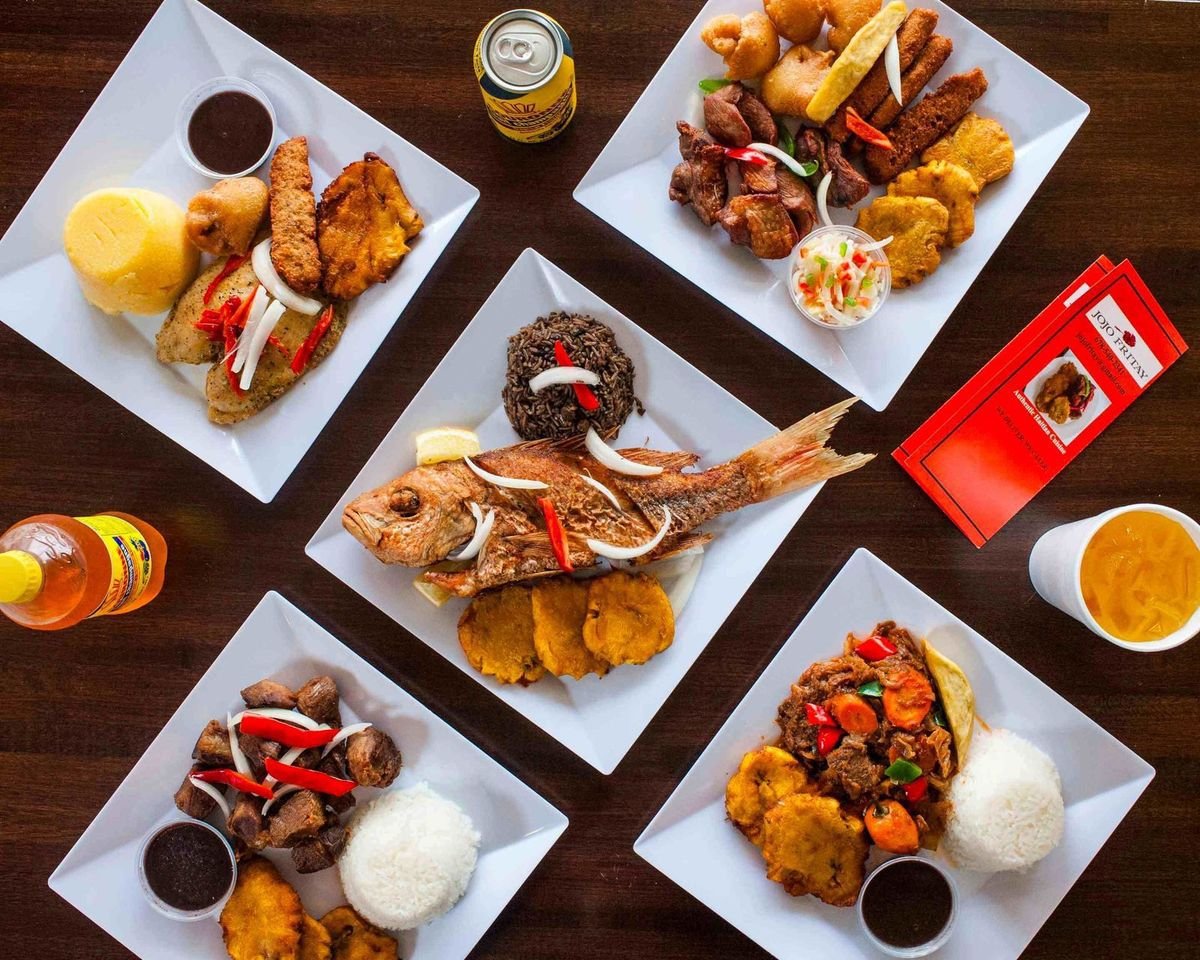
La cuisine haïtienne, riche et colorée, offre des plats savoureux comme le "Diri kole ak sòspwa" et le "Legim". Le Diri kole ak sòspwa, un mélange réconfortant de riz et de haricots rouges, est un pilier de l’alimentation haïtienne, souvent accompagné de viande ou de poisson. Le Legim, quant à lui, est un ragoût végétarien épicé fait de chou, de carottes, et d’épinards, épaissi avec de la purée d’aubergine et enrichi d’épices. Ces plats, profondément ancrés dans la tradition, symbolisent la fusion unique des influences africaines, françaises et taïno qui caractérise la cuisine haïtienne.
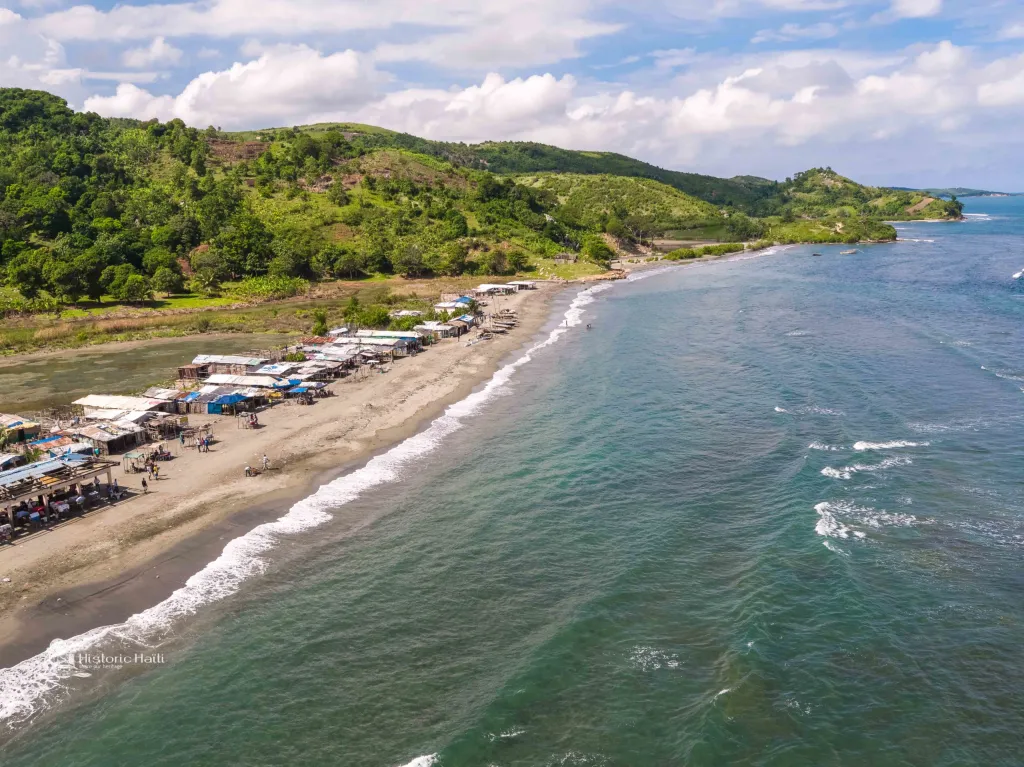
Haiti, an independent republic since 1804, is a country located in the Caribbean, precisely in the Gulf of Mexico. Occupying the eastern part of an island that it shares with the Dominican Republic, it extends over an area of 27,750 square kilometers. Famous for its tropical climate and tourist attractions such as Labadie, Cocoyer Beach, the Citadel and the Sans Souci Palace, the country attracts visitors from all over the world. Its diverse landscape includes impressive mountainous terrain as well as coastal plains which play an important role in its economy. Among its natural attractions are the majestic Massif de la Selle and inland fishing areas such as Lake Azuei. Despite its natural wealth, Haïti faces major economic challenges, including deforestation and land degradation, which hamper its sustainable development.
Haiti, often nicknamed the "Pearl of the Antilles", is a country rich in history, culture and natural beauty. Located on the island of Hispaniola, Haïti offers a unique and unforgettable experience to its visitors. Discover with us the wonders of this captivating country.
The Guédés Festival is a significant event in the Haitian Vodou religion. It takes place every November 1st and 2nd in Haiti, and it is dedicated to paying homage to the dead. Here are some elements to better understand this celebration: Meaning of Guedes: Guédés are spirits of death in the voodoo pantheon. They symbolize the transition between life and the afterlife. Different names are attributed to these spirits: Papa Guédé, Guédé Nibo, Guédé Masaka, Guédé fouillé, Guédé plumage. In the Voodoo concept, the Guédés maintain a harmonious relationship with the dead. Ritual of the Feast of the Gedes: Vodouists clean the graves and bring flowers to honor the memory of the deceased. They dance and sing to the rhythm of vodou and rara music. Vèvè (sacred symbols) are drawn to invoke the spirits. The color black, symbol of mourning, marks the beginning of life in the voodoo world. Purple mauve evokes transformation, and white symbolizes purity. Relationship with Protestants and Christians: Some Protestants reject the Feast of Geeds and organize days of prayer to chase away “evil spirits”. Christians do not pray for their dead, because their faith teaches them that the deceased are welcomed by the Lord. In short, the Guédés festival is a crucial moment for Vodouists, marking the temporary return of spirits to the world of Vodou. It shows respect for the dead and is an integral part of Haitian culture.
The word “Haiti” is deeply rooted in the history and culture of the island, representing much more than just a name. It symbolizes an identity, a heritage, and a unique geography. But what is the true meaning of this iconic word? Let’s explore its origins, history, and symbolic significance.
Summer in Haiti, which generally runs from June to September, is a time marked by sunny days, high temperatures, and a lively atmosphere. If you’re wondering what this season is like in one of the jewels of the Caribbean, here’s what you need to know about summer in Haiti.
For more than 200 years, Haïti has stood at the intersection of possibility and exclusion. The first black republic in the world was born in revolution, forged by boldness, and blessed with strategic geography. And yet, through a combination of political instability, external interference, and poor infrastructure, Haïti has long remained isolated from the global economic systems that build prosperity. But today, on the quiet northern coast between Fort-Liberté and Phaeton, a new possibility is rising up from the ground. It’s not another aid project. It’s not a symbolic ribbon-cutting. It is Port Chinourette Terminal, a bold and meticulously planned cargo port that could finally put Haïti back on the map, not as a beneficiary of generosity, but as a competitive player in global trade. Port Chinourette is more than a logistics terminal. It’s a strategic inflection point. The kind of once-in-a-century infrastructure investment that can create jobs, stimulate industries, decentralize growth, and transform the economy of an entire nation. With capacity to handle up to three-million TEUs annually by 2040, it is the most ambitious port project in Haiti’s recent history. But its true power lies not only in its size, but in what it unlocks.
Haiti, a country often associated with its socio-economic challenges, also has an incredible wealth of talent and potential in various fields, including sports. One of the brightest jewels in this treasure is Melchie Dumornay, a young footballer who has just been voted CONCACAF MVP. This prestigious title highlights not only her exceptional abilities, but also the enormous potential that Haïti has to impress the world.
In Arabic, the family of words Amin, Iman or imam, imana designate faith, trust, security. This word is also present in the Swahili language (Kenya, Tanzania, East Congo Kinshasa) in the form imani: trust. "The term Imana is not the equivalent of God-Goddess which is a Western vision of divinity. Indeed,: "the term "imana" does not designate above all a personal being that should be honored and implored, but a diffuse fluid that should be captured." In other words, Imana is a neutral vital force that manifests itself in the inner cosmos of each living being." ¹ Imana, by Michel Darlin Johancy is a musical, symphonic and spiritual journey through three geographies: an inner geography of meditation, a cultural identity journey and an artistic musical stroll. These three itineraries unfold in Haitian spaces. This symphonic and spiritual journey takes place in 10 stages or 10 movements.
Perched in the heights, above the commune of Pétion-ville, the commune of Kenscoff is a jewel lit up above the metropolitan area of Port-au-Prince. The commune is located in the department of the West of Haiti, and is about 10 kilometers from the city center of Port-au-Prince, the capital of the country. The city of Kenscoff was founded in 1930, and was elevated to the rank of commune in 1934. The commune has an area of 202.76 square kilometers and is made up of five communal sections: Belle-fontaine, Bongars, Grand-fonds, Sourcailles. And Nouvelle-Touraine. Kenscoff is one of the most mountainous communes in Haiti.
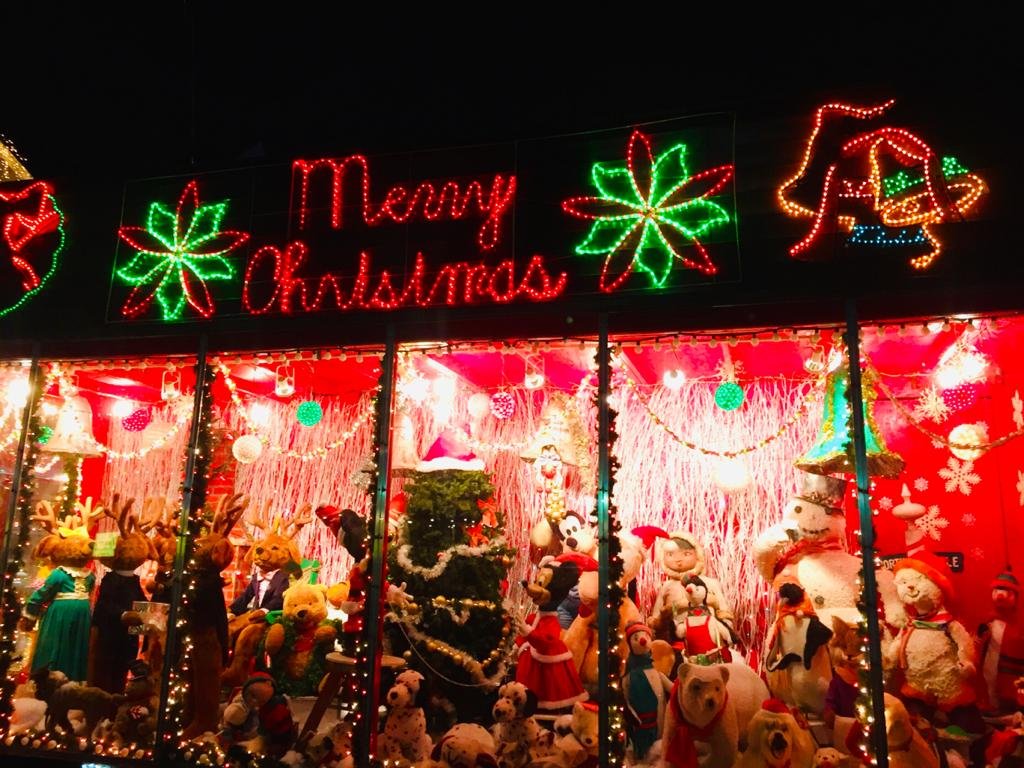
The holiday season in Haïti is full of magic, and Christmas songs play an essential role in this warm and festive atmosphere. Between traditions, wild rhythms and nostalgic melodies, Christmas music in Haïti reflects the cultural richness of the country. Here is a selection of 10 unforgettable Haitian Christmas songs, which continue to make hearts vibrate and leave a mark on minds.
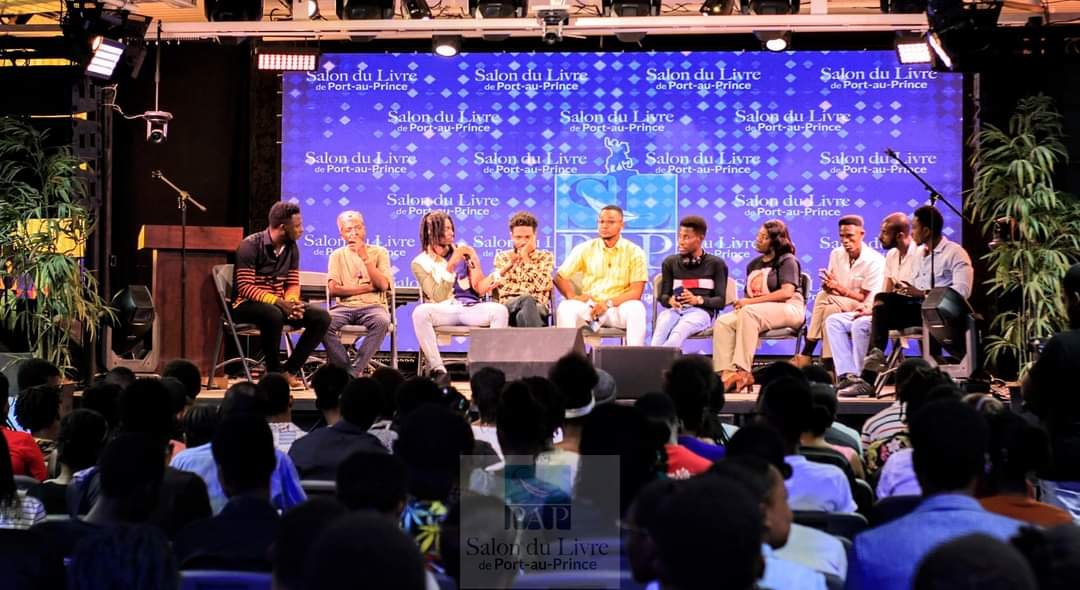
On Saturday, July 27, the Pyepoudre cultural center, located at number 312 on the road to Bourdon, was transformed into a real creative hive thanks to the initiative of the Cultural Association Salon du Livre de Port-au-Prince entitled ’’Living in prose and poetry’’. This event, placed under the theme "from Haiti, a country that lives in us", fully kept its promises. Bringing together young talents from all walks of life to express their genius through song, rap, slam, dance and poetry. This artistic event was a great success with a young audience who came in large numbers to follow the activity. It also highlighted the growing commitment of Haitian youth to culture.
The question of whether Haïti is on the African continent sometimes comes up, but the answer is clear: Haïti is not on the African continent. This island country is located on the island of Hispaniola in the Caribbean and is part of the American continent, specifically Central America and the Antilles. However, the historical and cultural connection between Haïti and Africa is deep and deserves a more detailed exploration.

First black nation to free itself from slavery and gain independence from France in 1804 and influenced other liberation movements around the world, inspiring struggles for freedom and equality.

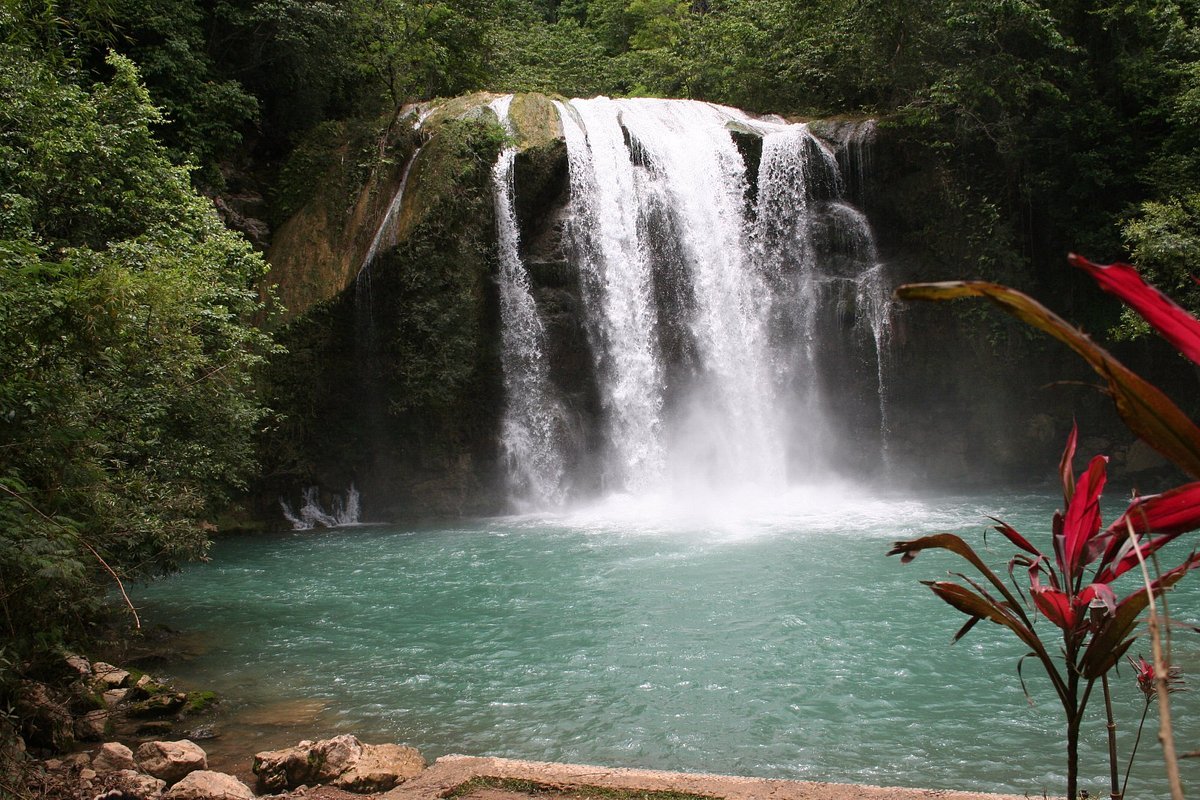
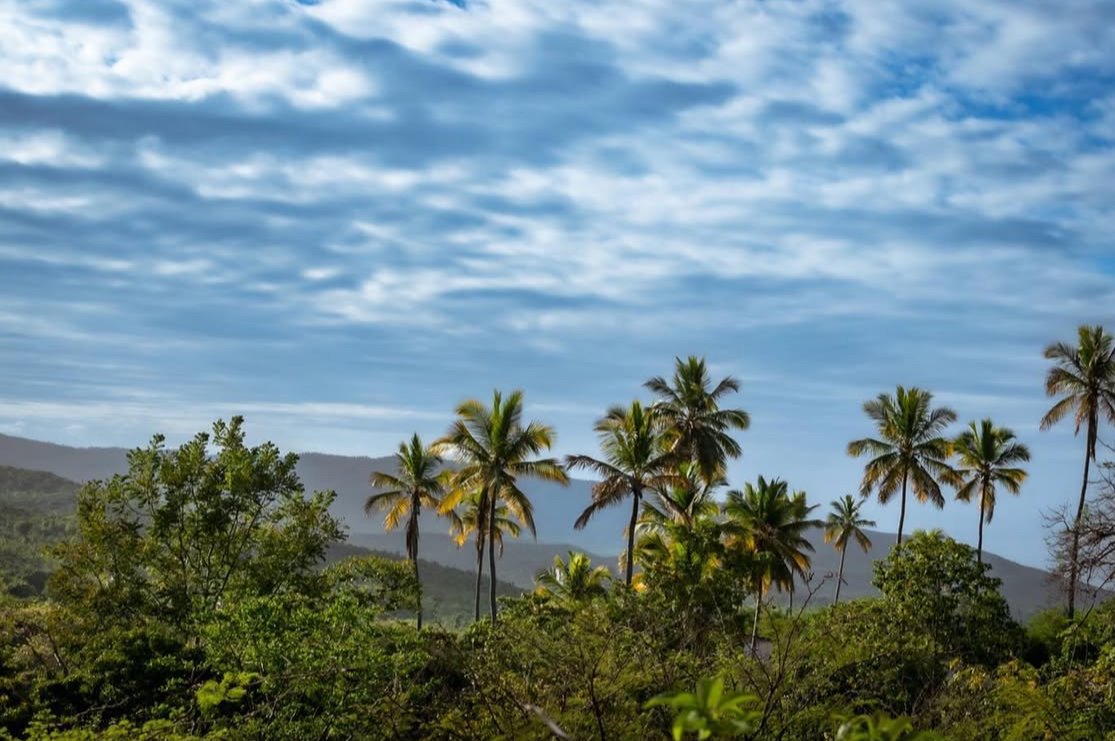
Haïti is blessed with spectacular natural landscapes, including white sand beaches, mountains and rich biodiversity.

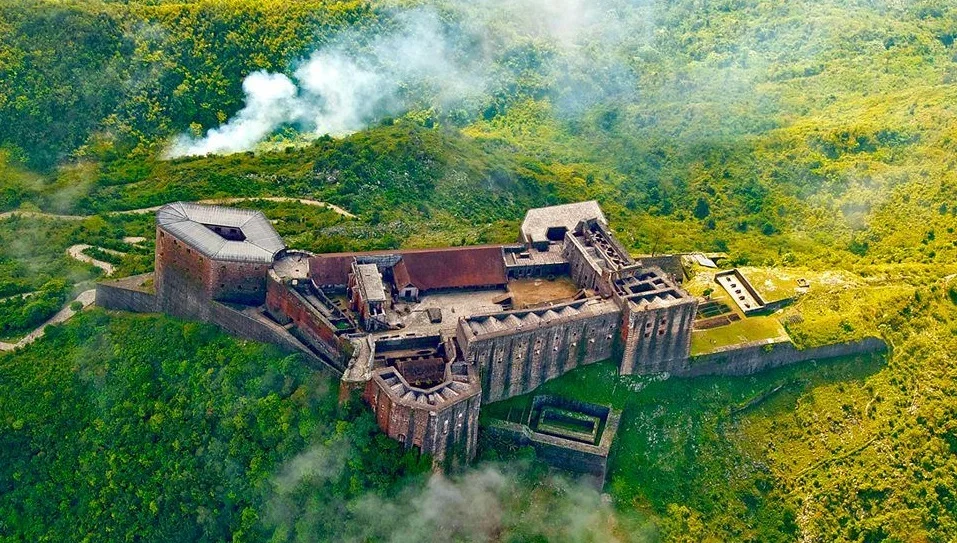
Haïti has a rich historical heritage, including sites like the Citadelle Laferrière and the Sans-Souci Palace, listed as UNESCO World Heritage Sites.

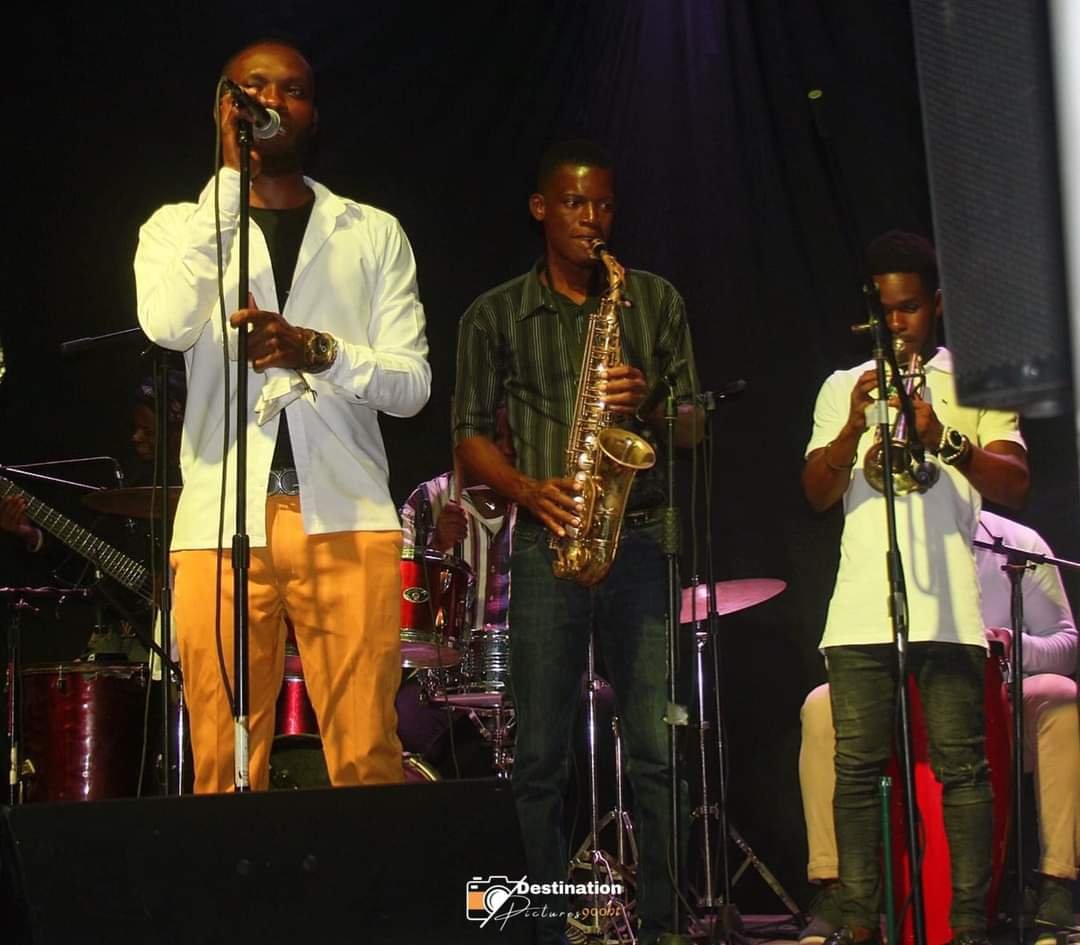
Haïti has a rich and diverse culture, influenced by African, European and indigenous elements. Haitian music, dance, art and cuisine are celebrated around the world.