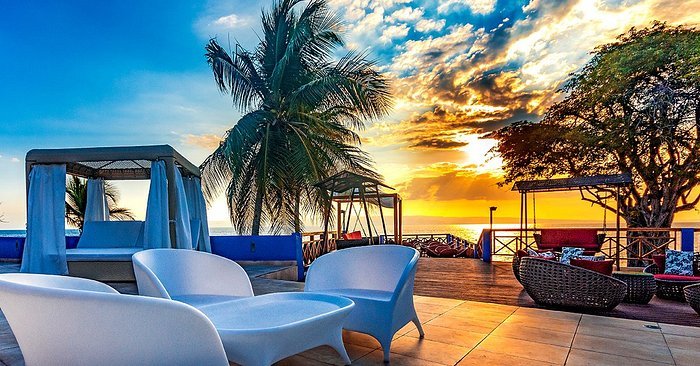


Haiti, a Natural Paradise
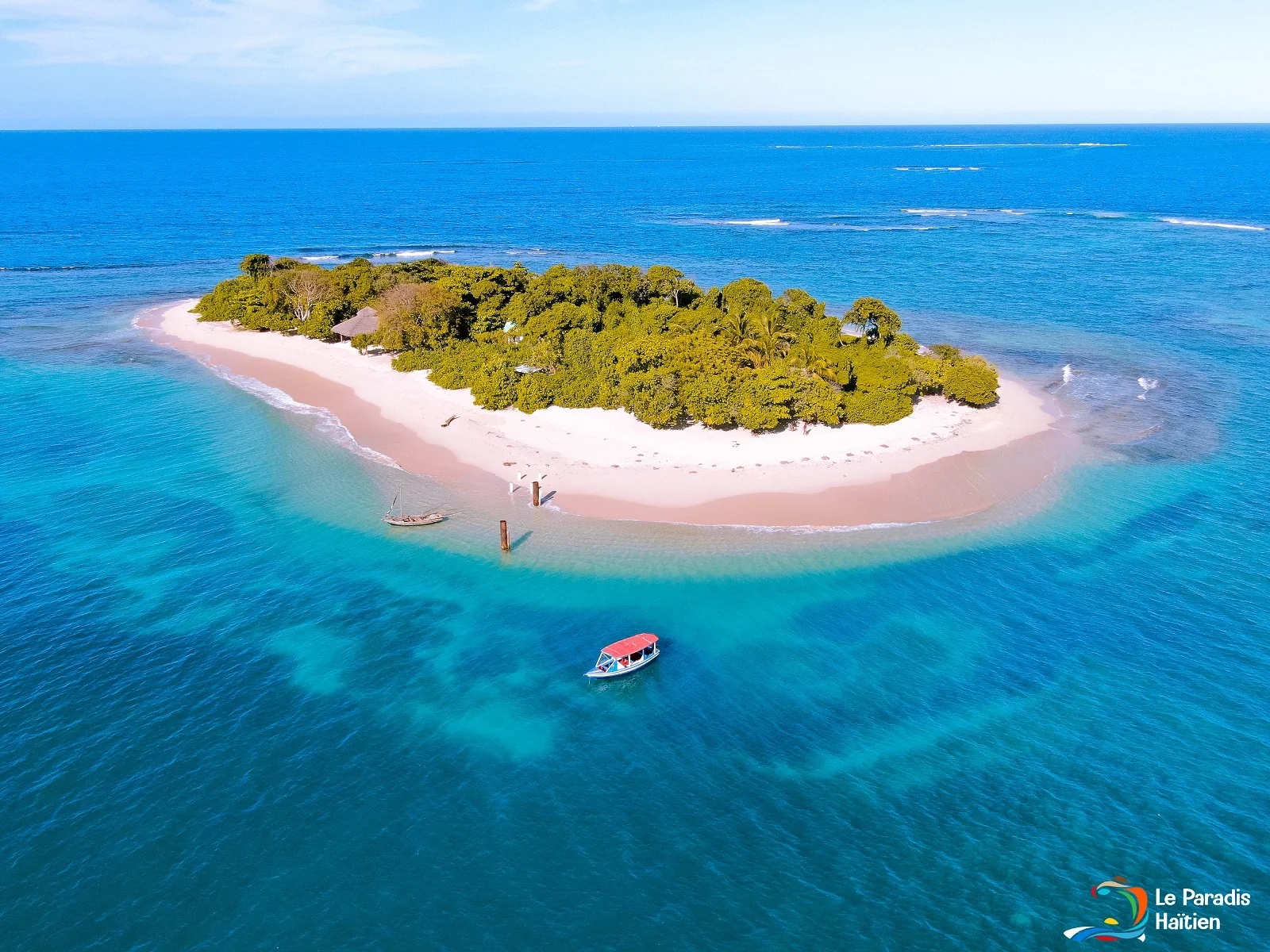
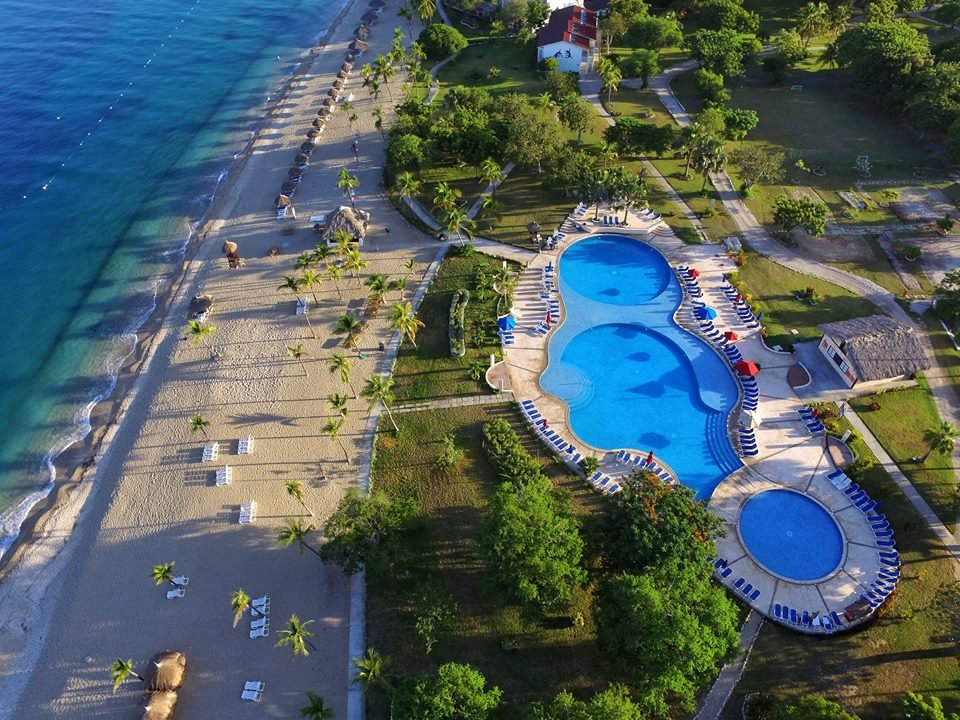
From heavenly beaches to majestic mountains, Haïti is full of natural treasures that enchant visitors in search of tranquility and authenticity. Among the must-sees, we find:
Haiti, a captivating Caribbean island, is a tropical paradise often overlooked by travelers. Between white sand beaches, mountainous landscapes, vibrant culture and fascinating history, this island gem offers a unique and unforgettable experience. If you are looking for an authentic destination, off the beaten track, Haïti is the perfect place for an adventure rich in discoveries. Here is why Haïti deserves its place among the most beautiful places to explore.
Read the article in :
From heavenly beaches to majestic mountains, Haïti is full of natural treasures that enchant visitors in search of tranquility and authenticity. Among the must-sees, we find:

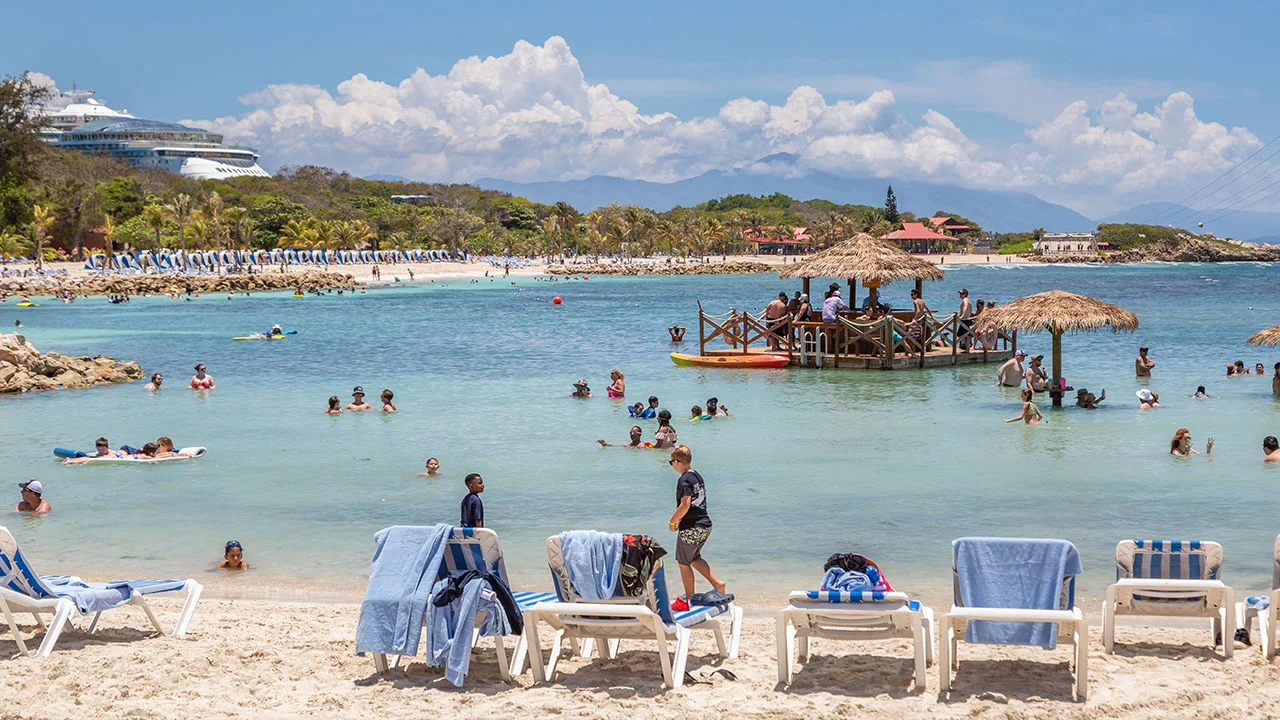
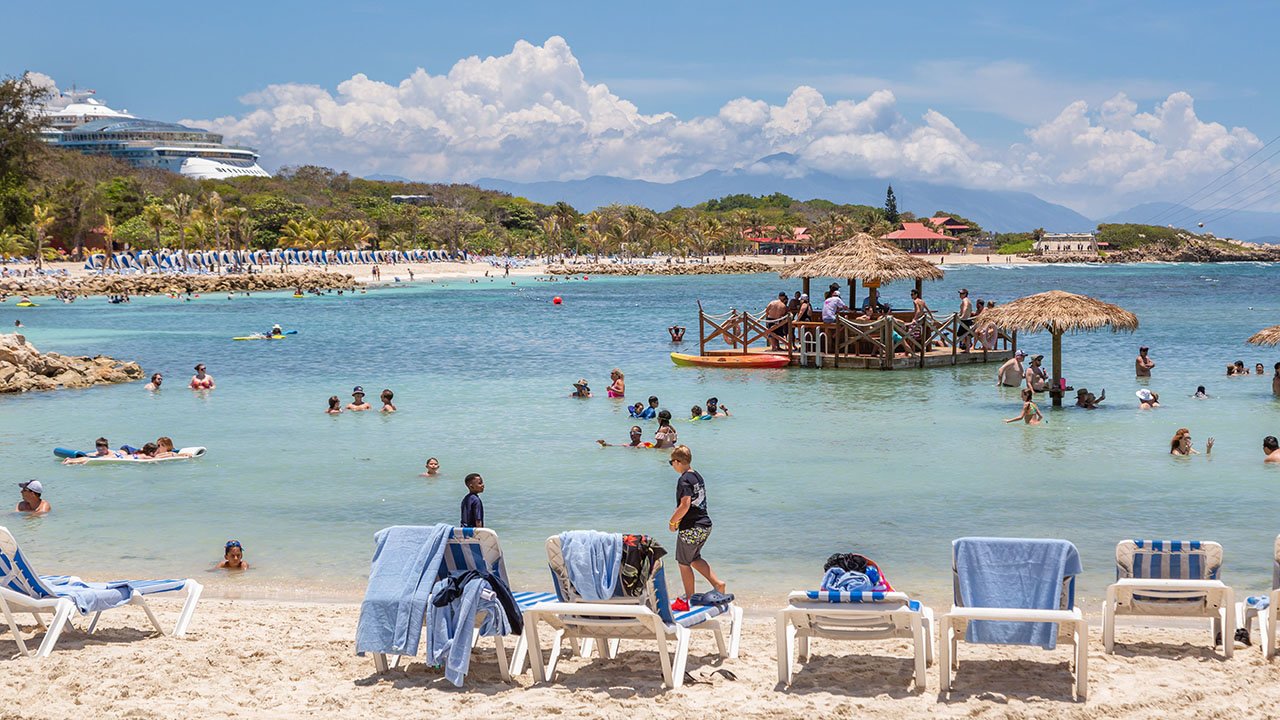
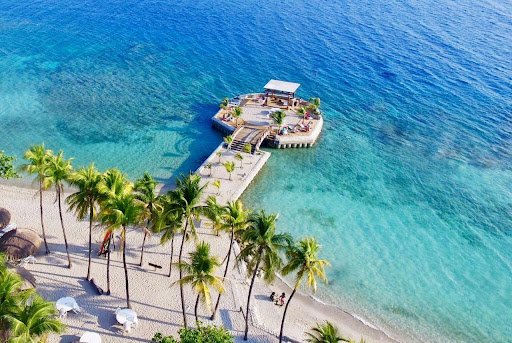
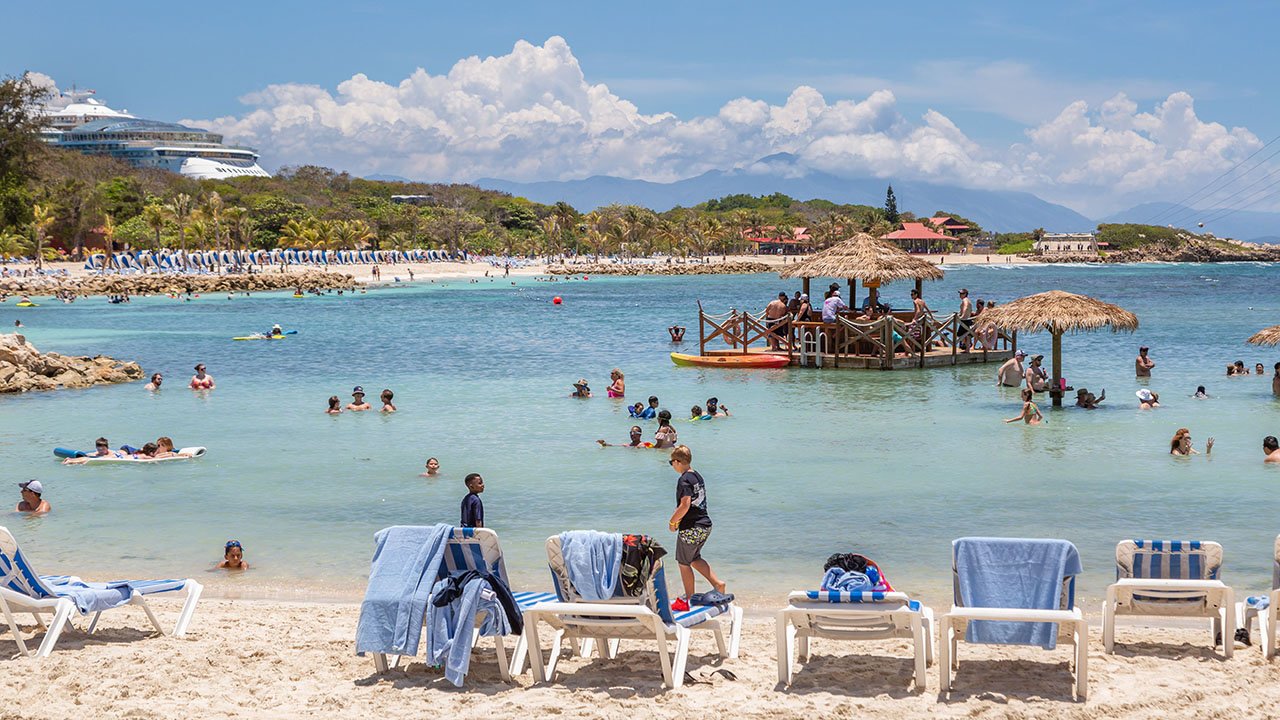
The crystal clear waters of Labadee and the beaches of Jacmel offer dream landscapes, perfect for relaxation and water sports.

This sacred waterfall, nestled in the heart of a lush forest, is a popular place for pilgrims and nature lovers. Visitors discover a mystical atmosphere that connects nature to spirituality.

Ideal for hiking enthusiasts, the Kenscoff Mountains, near Port-au-Prince, offer breathtaking panoramas, with unique flora and fauna that provide an insight into Haitian biodiversity.

Haïti is the first independent black country in the world, with an exceptional historical heritage:

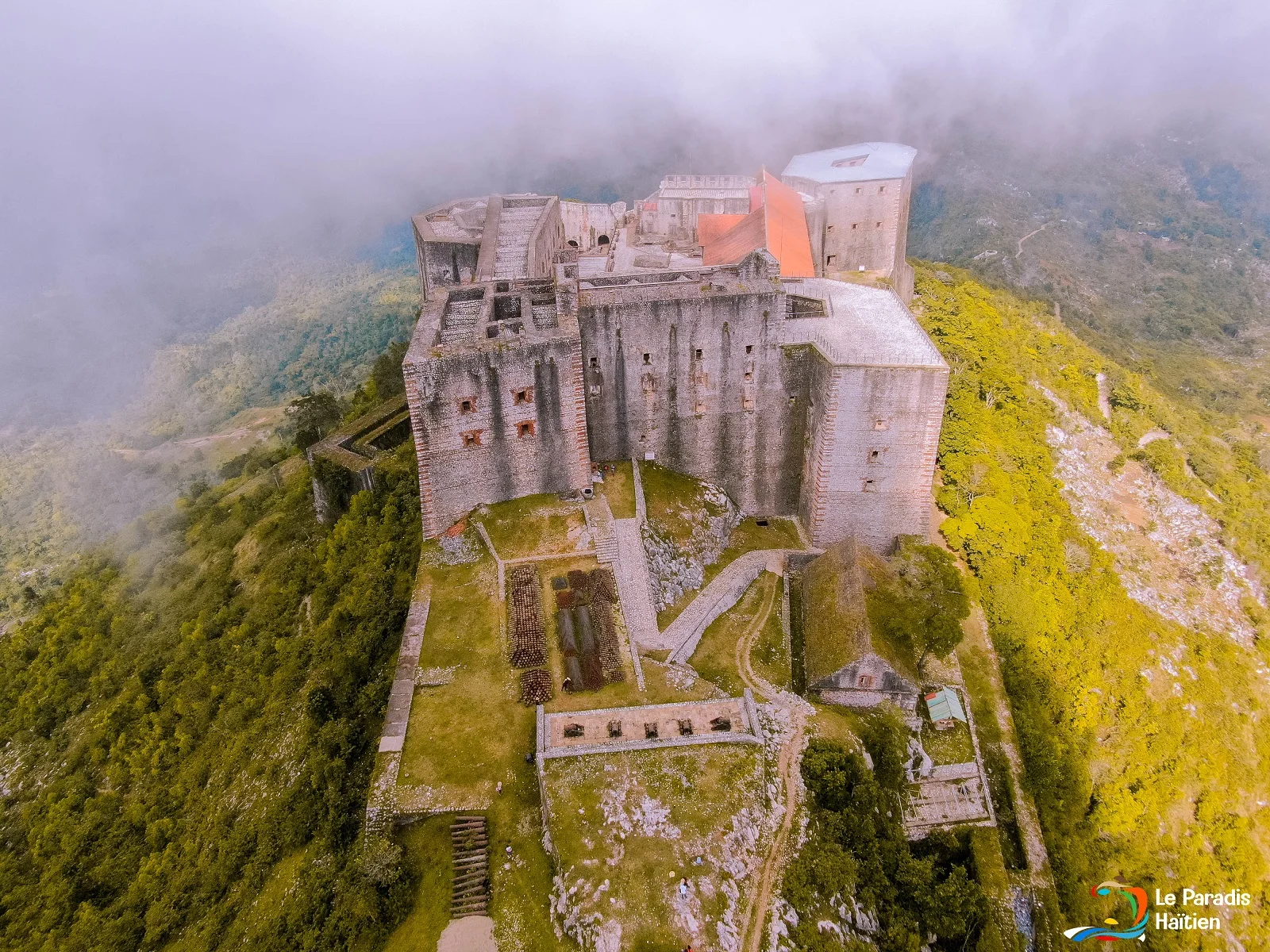
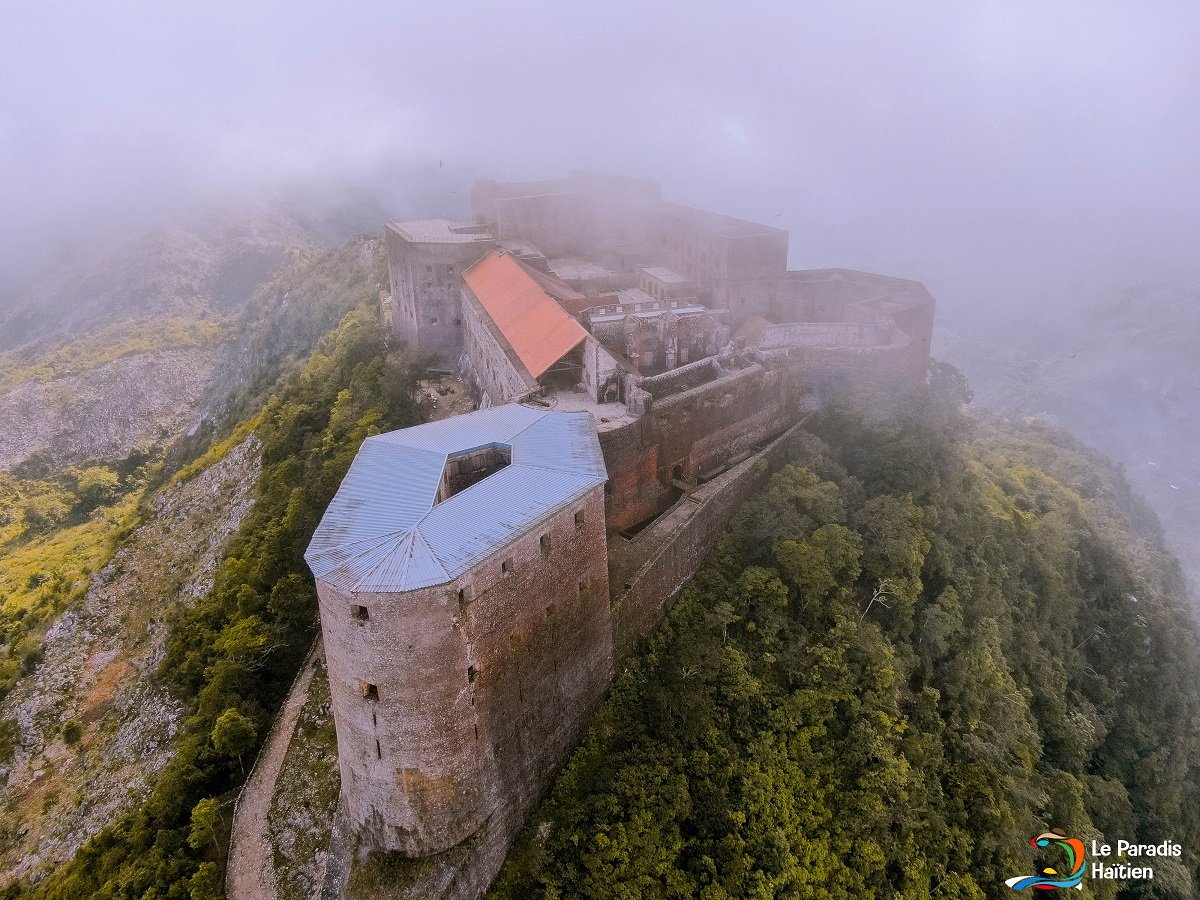
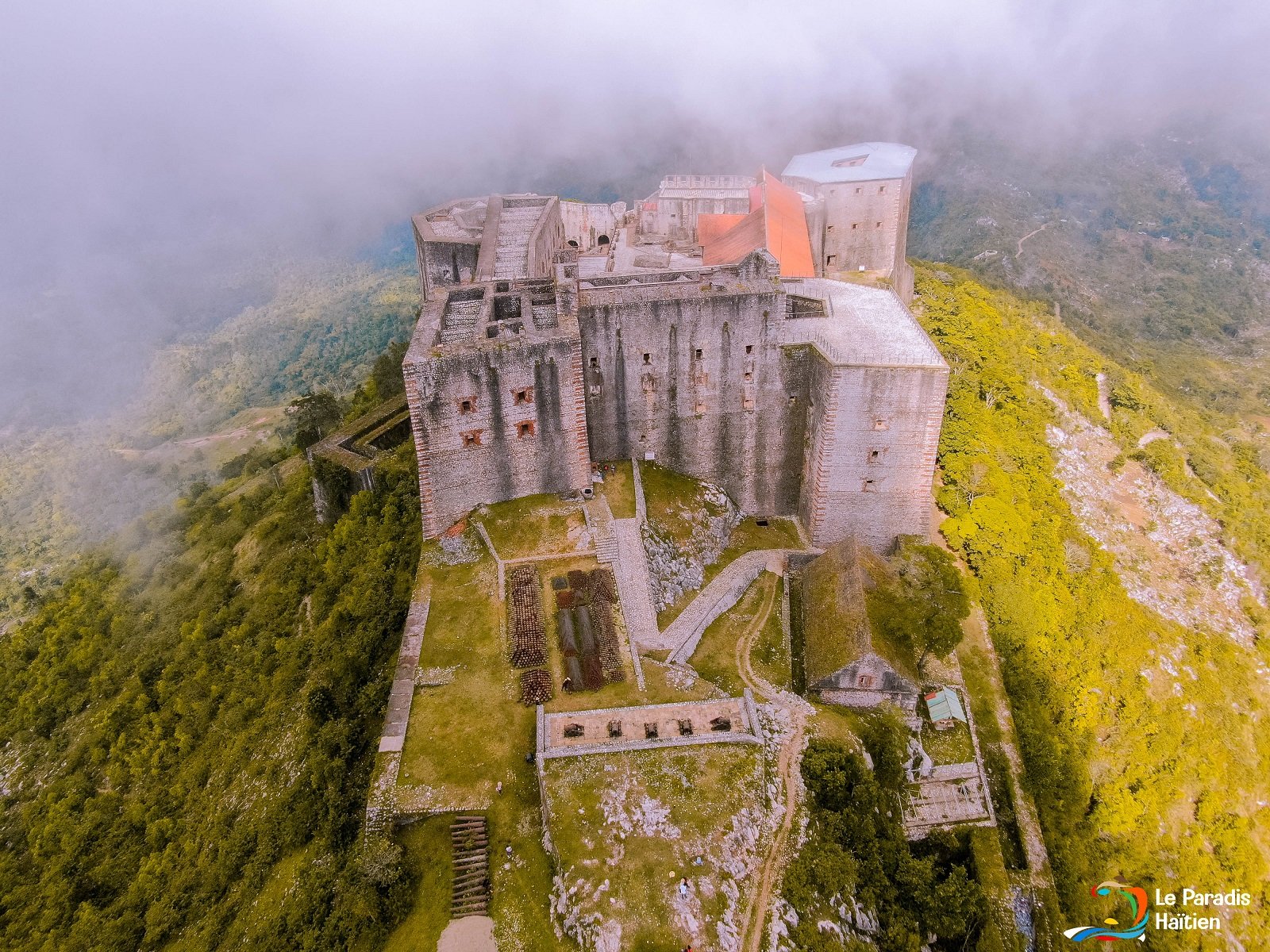
Listed as a UNESCO World Heritage Site, this iconic fortress is a symbol of freedom and resistance. Perched atop the Bonnet-à-l’Evêque mountain, it offers a breathtaking view of northern Haiti.

Located in Milot, this royal palace is often compared to the Palace of Versailles for its grandeur and architecture.

Haitian culture is a fascinating blend of African, European and indigenous traditions. It is expressed through music, dance, religion and art.

This festive event, with its colorful costumes and lively rhythms, attracts visitors from all over the world. Jacmel, a city renowned for its artistic heritage, becomes a place of celebration and celebration of Haitian culture.

Haïti is a country of talented artists, particularly in naïve painting, famous for its bright colors and scenes of daily life.

Haitian cuisine is a true culinary journey that combines African, French and Caribbean influences.

Soup Joumou is an iconic dish in Haitian culture, often served to celebrate Haitian independence on January 1st. This dish symbolizes freedom and resilience. During the colonial era, Haitian slaves were not allowed to consume this soup, considered a delicacy reserved for French colonists. After independence in 1804, Haitians appropriated this soup as a symbol of national pride and freedom.

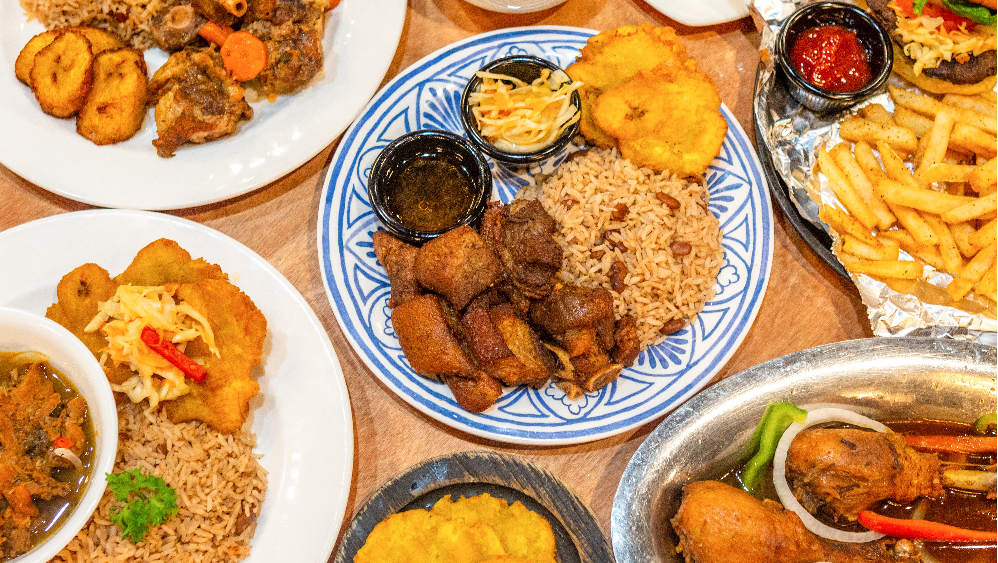
This marinated and fried pork dish is often accompanied by bananas pesées and pikliz (a spicy cabbage salad). It is emblematic of Haitian cuisine.

Freshly caught shrimp, fish and lobster are often prepared with local spices, offering an explosion of flavors.
To learn more about Haitian cuisine, check out this article: https://haitiwonderland.com/haiti/cuisine/les-delices-de-la-cuisine-haitienne--20-plats-incontournables/24


Facebook : https://www.facebook.com/haitiwonderland
Youtube : https://www.youtube.com/@haitiwonderland
Instagram : https://www.instagram.com/haitiwonderland/
Twitter : https://twitter.com/haitiwonderland
Linkedin : https://www.linkedin.com/in/haitiwonderland/
Local trade in Haiti, while rich in diversity and potential, faces numerous challenges, including the low visibility of local producers and the lack of adequate infrastructure for marketing their products. This includes the massive influx of products from foreign countries, which unfairly overwhelms the small Haitian market with very poor-quality products. It is in this context that Phanord Cabé, CEO of the online media Hebdo24, unveiled his ambitious project, "Mache Ayisyen." It is a digital platform dedicated to the promotion and sale of local Haitian products. Scheduled for launch in April 2025, Mache Ayisyen aims to connect Haitian producers and consumers through an online platform. The objective is clear: to encourage the consumption of local products while providing much-needed visibility to the country’s small businesses. By focusing on the growth of local commerce, this initiative could be a catalyst for boosting the Haitian economy.
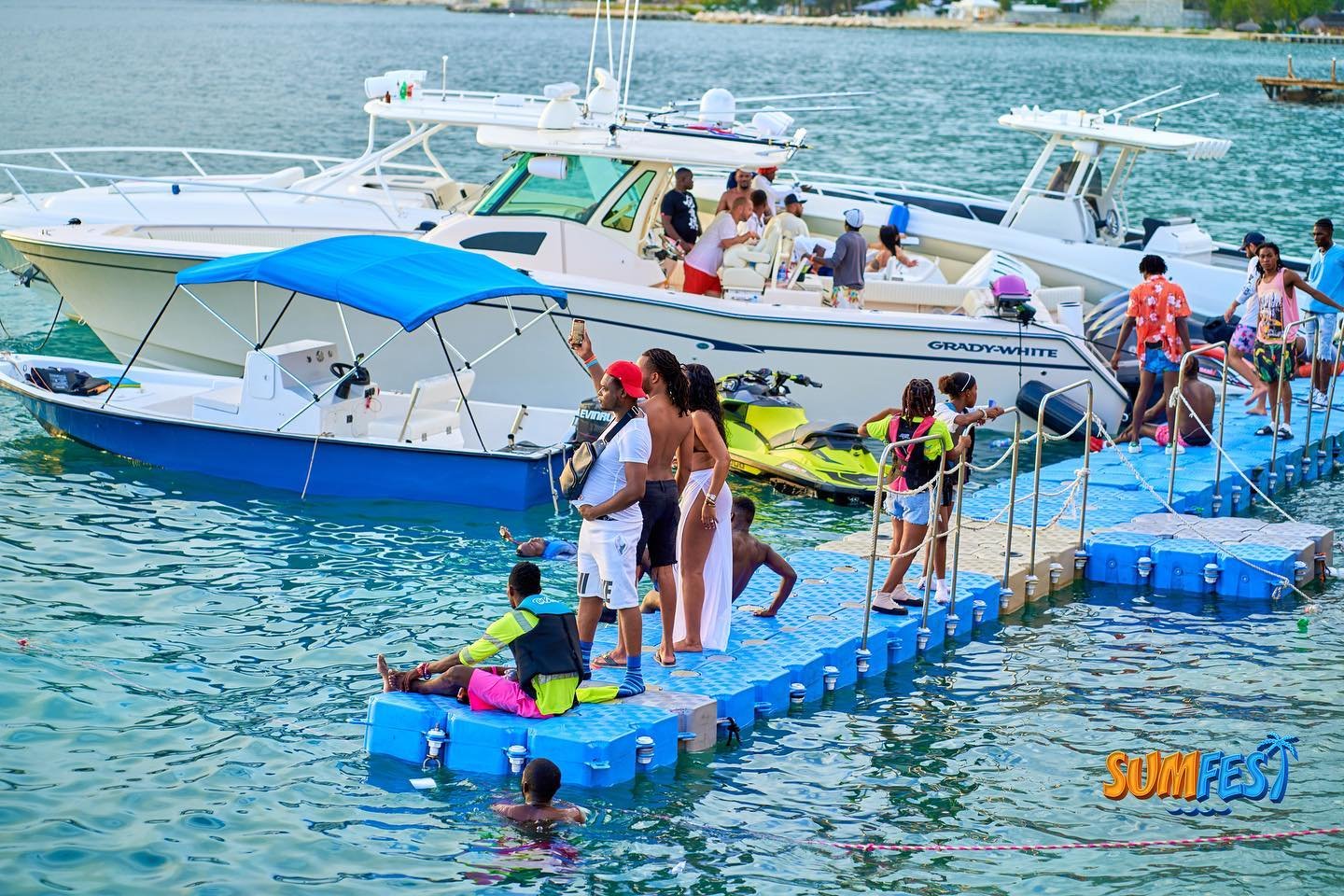
If you’re looking for an unforgettable musical experience this summer, look no further than Sumfest in Haiti. This unmissable festival brings together the biggest names in the Haitian music scene for a crazy weekend, all in an idyllic setting by the sea. This is why Sumfest is the event not to be missed for all music lovers. Haitian music and culture.
Subscribe to our newsletter to stay informed of all our activities and news on Haiti.
As the new season of Rara looms on the horizon, certain groups such as Saint Jacques Majeur, Ratyèfè, Florida Band, Lambi Grand, and Grap Kenèp are already preparing to light up the streets of Petit-Goâve with their flamboyant costumes and their captivating melodies. For these groups, the future looks bright, promising a season full of passion and success. However, other rara bands are still hesitant about which direction to take. Despite these uncertainties, optimism reigns regarding the success of this new season for all rara groups in the commune of Petit-Goâve. Rara, anchored in the Vodou tradition, is much more than a simple artistic manifestation. It embodies the very essence of Haitian culture, highlighting questions of memory, tradition and identity. This increasingly popular form of artistic expression attracts a large audience and arouses unprecedented enthusiasm. Groups like Ratyèfè, Grap Kenèp, Florida Band and Chenn Tamaren, recognized for their ability to delight their fans, play a crucial role in the continued growth of rara in the town. The rara season traditionally begins on Dead Thursday and ends on the night of Easter Sunday or quasimodo Monday. To mark the beginning of this sacred period, groups organize opening ceremonies, honoring the spirits of the deceased in rituals steeped in spirituality. These ceremonies, often held in cemeteries or in the "Bitasyons" of groups, symbolize the deep link between the rara and Vodou traditions.
Haiti, located in the Caribbean, occupies the western third of the island of Hispaniola, which it shares with the Dominican Republic to the east. Its capital, Port-au-Prince, is the political, economic and cultural heart of the country. With an area of approximately 27,750 km², Haïti is home to nearly 12 million people, making it one of the most densely populated countries in the Caribbean region. This island nation’s rich and tumultuous history, unique cultural heritage and resilience in the face of challenges make it a fascinating and inspiring country.
Located in the southern metropolis of Haiti, within the commune of Camp Perrin, near the city of Les Cayes, Saut Mathurine is one of the largest and impressive waterfalls in Haiti. this natural site is a true treasure for nature lovers, adventurers and tourists in search of authentic beauty. If the southern region of Haïti is known for its many lush beaches under the weight of the Antilles sun, its numerous caves, forts of all kinds and other important historical sites. Among all this great natural wealth, there are cities which stand out for their exceptional side. And which does not leave those who are willing to visit them indifferent. The Mathurine jump is precisely one of them. The Saut Mathurine stands out for its impressive height and powerful flow, creating a breathtaking natural spectacle. The waterfall, which flows forcefully into a pool, is made up of clear, turquoise waters, while providing an idyllic and peaceful setting for those who bathe there. In other words, visitors can take advantage of this enchanting setting to relax, picnic or swim in the fresh and invigorating waters of Mathurine Falls.
Port-au-Prince, Haiti’s vibrant capital, is much more than just a city. It’s a melting pot of flavors, a place where street food reigns supreme, offering a unique and authentic culinary experience. In the heart of this bustling metropolis, every corner transforms into a gourmet market, an ode to Haitian gastronomy. The tantalizing smells of grilled meats, spicy sauces, and simmering dishes invite you on a sensory exploration. Improvised stalls, often set up on rickety wooden tables, line the streets, offering a variety of culinary delights. From "griots" to "tassot," including "bannann peze" and "pikliz," each dish tells a story, a tradition passed down from generation to generation. For culinary adventurers, Haitian street food is an unforgettable experience. Every bite is a testament to the creativity and passion of the impromptu chefs, who transform simple ingredients into delicious and authentic dishes. Tell us in the comments which dish you ate until you lost your breath on the streets of Port-au-Prince, or share a great experience you’ve had!

First black nation to free itself from slavery and gain independence from France in 1804 and influenced other liberation movements around the world, inspiring struggles for freedom and equality.

Haïti is blessed with spectacular natural landscapes, including white sand beaches, mountains and rich biodiversity.

Haïti has a rich historical heritage, including sites like the Citadelle Laferrière and the Sans-Souci Palace, listed as UNESCO World Heritage Sites.

Haïti has a rich and diverse culture, influenced by African, European and indigenous elements. Haitian music, dance, art and cuisine are celebrated around the world.