contact@haitiwonderland.com+509 36184317

Discover

Shopping Cart

Introducing Haiti: Discover the Island’s Authentic Beauty, History and Culture

Introducing Haiti: Discover the Island’s Authentic Beauty, History and Culture

Haïti is a small but fascinating Caribbean country with a unique history, vibrant culture and stunning landscapes. Located on the island of Hispaniola, which it shares with the Dominican Republic, Haïti is distinguished by its resilience, historical independence, and natural and cultural wealth. This article offers you a detailed overview of this impressive country, from its history to the geographical and cultural features that make it a must-see destination.

Haïti
Haïti
Haïti

A Little History: The First Independent Black Country

On January 1, 1804, Haïti became the world’s first independent black country, marking a major turning point in world history. After a long struggle led by black slaves, Haïti managed to free itself from French colonial rule, a feat unique in the annals of history. This struggle, known as the Haitian Revolution, is an example of emancipation that has inspired many other independence movements around the world. Haiti’s victory demonstrated that a people could resist and free themselves from colonial oppression. As of 2023, the country has a population of approximately 12 million, many of whom retain a deep sense of pride in the legacy of this independence.

Haïti
Haïti
Haïti

Geography: Exceptional Natural Beauty

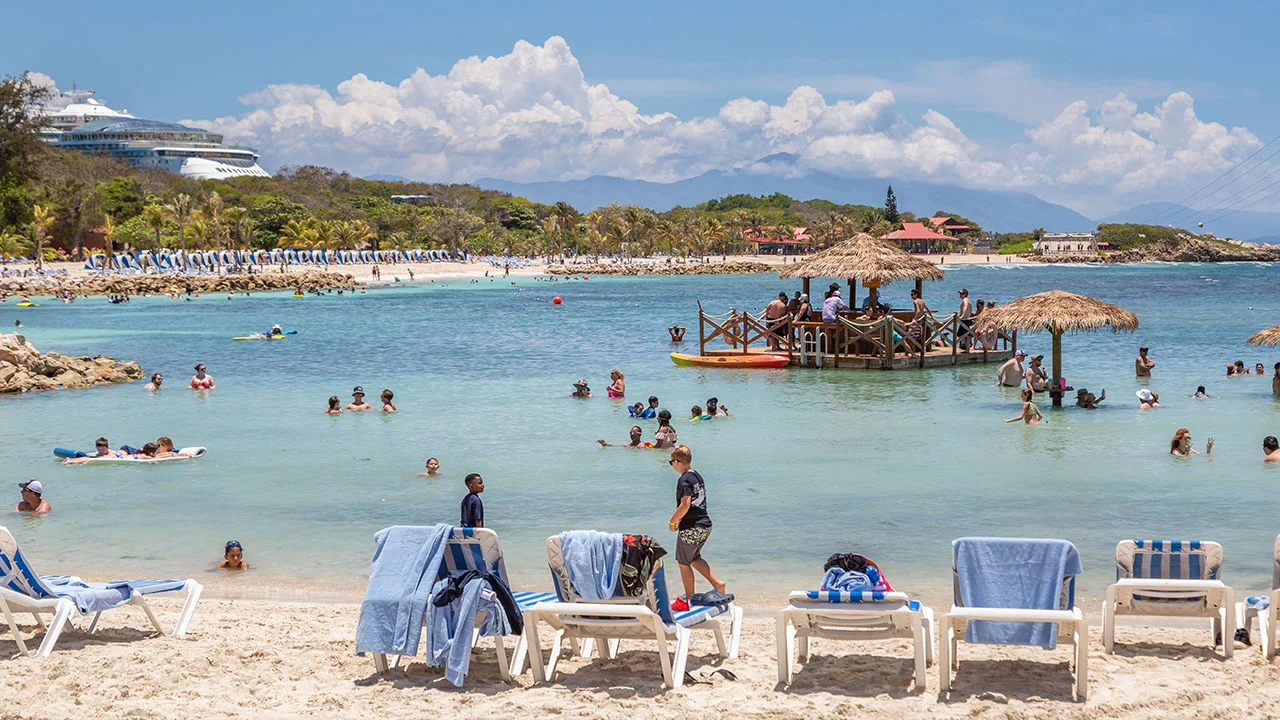
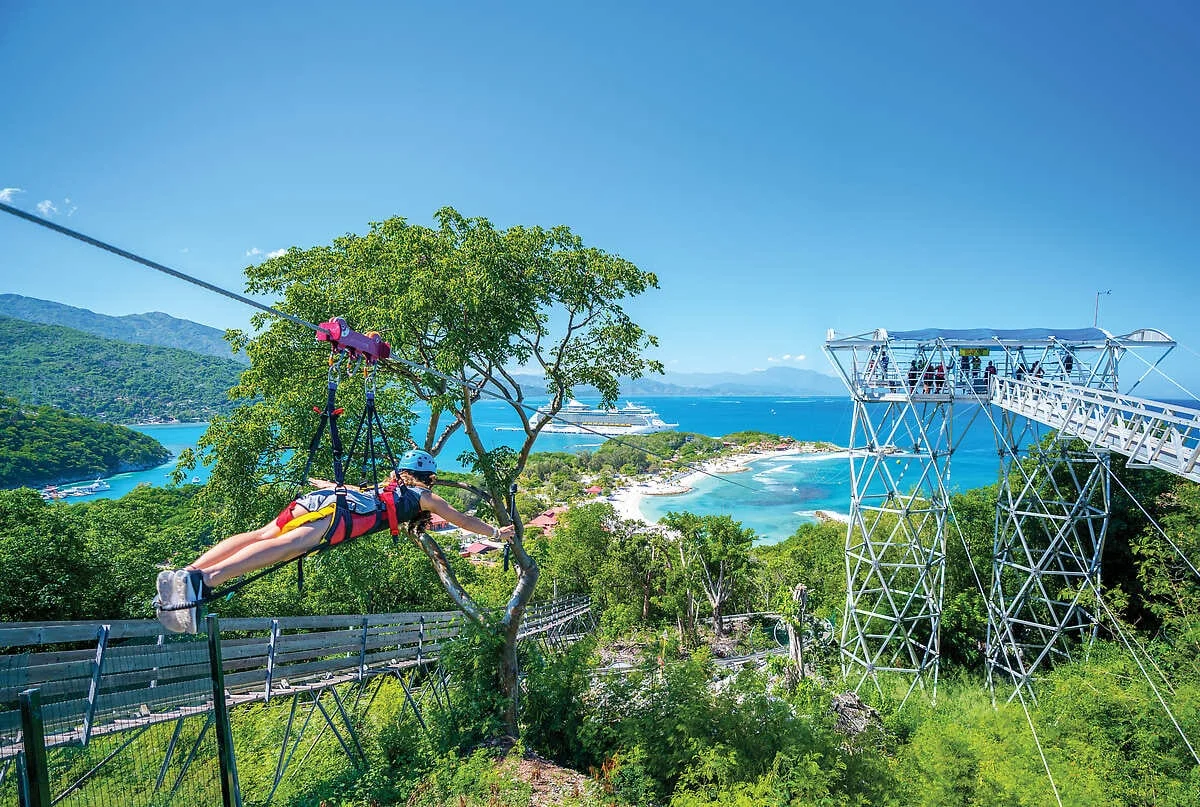
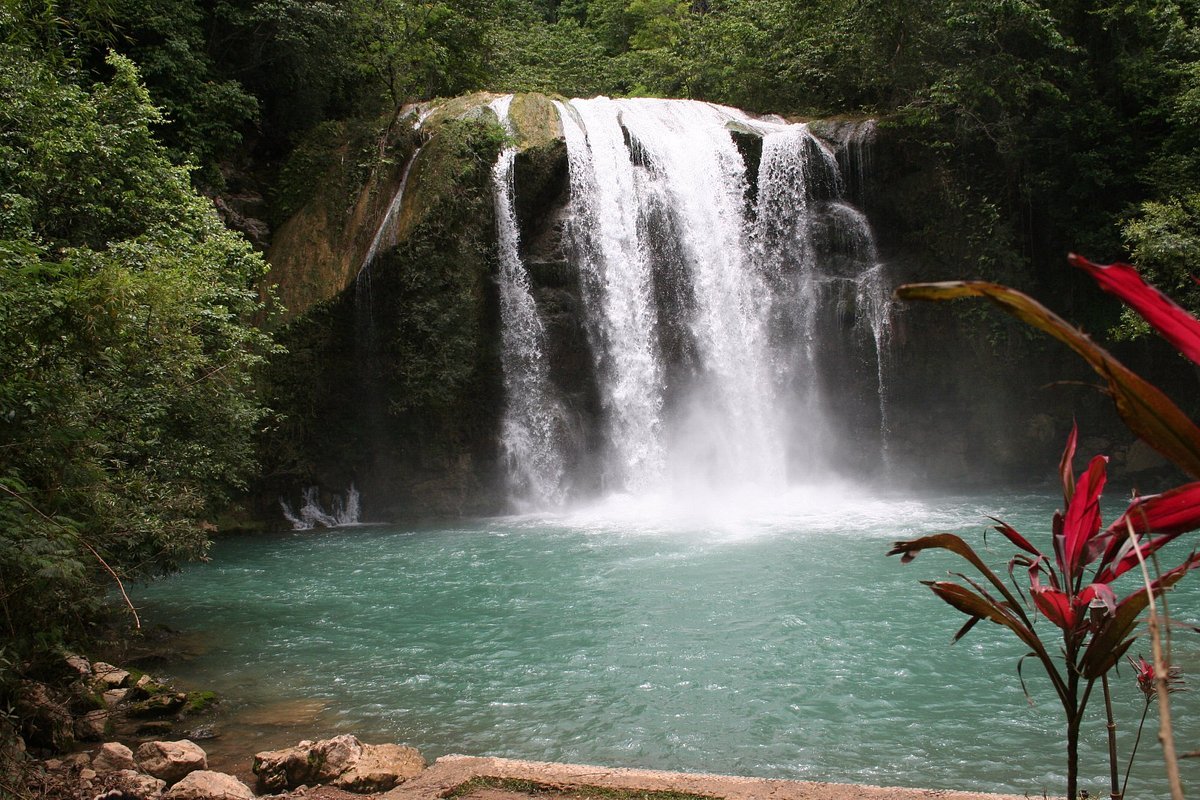
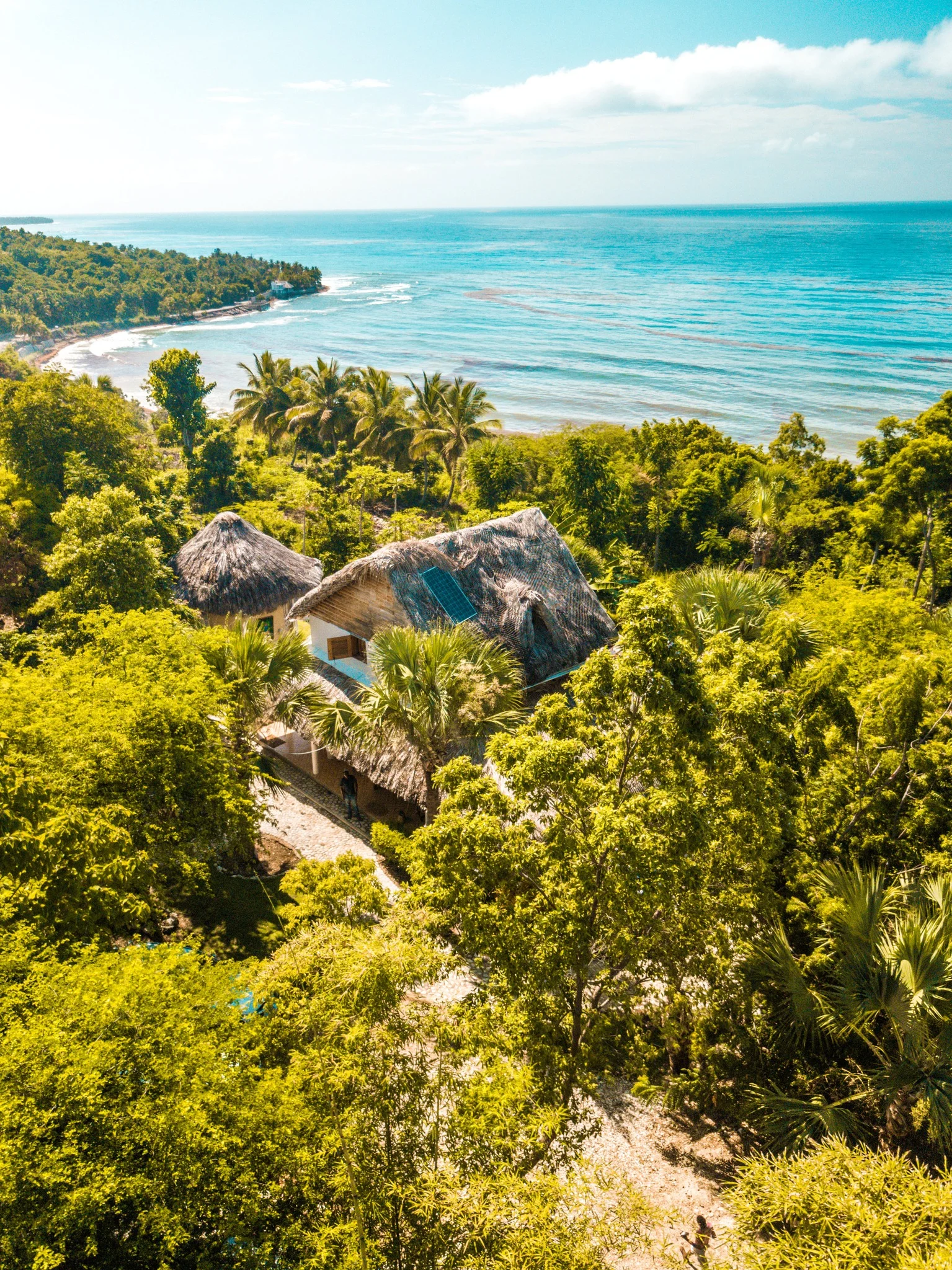
Haïti covers an area of ​​27,750 km². Located in the Caribbean region, the island of Hispaniola is shared between Haïti to the west and the Dominican Republic to the east. Haïti has a varied geography, ranging from mountains to paradisiacal beaches. The country is dominated by mountains, with peaks that exceed 2,500 meters in altitude, such as the Montagne de la Selle, the highest point in the country. Its geographical diversity also includes beaches such as Labadie, Bassin-Bleu, and rivers of great beauty. The country enjoys a tropical climate, with average temperatures around 27°C, making it an ideal destination all year round.

Haïti
Haïti
Haïti

Language and culture: A melting pot of traditions

Haïti has two official languages: French and Haitian Creole. Creole is spoken by approximately 95% of the population, and it has become a strong symbol of Haitian identity, rooted in the history of the Revolution. Haitian culture is a rich blend of African, French and indigenous influences, visible in its arts, music and dances. Haïti is particularly famous for its folk art, especially painting and sculptures, which are known worldwide for their unique style. Haitian music is also a central part of its culture, with genres like kompa, zouk, and rasin punctuating the country’s festivities.

Haïti
Haïti
Haïti

World Heritage and Historic Monuments

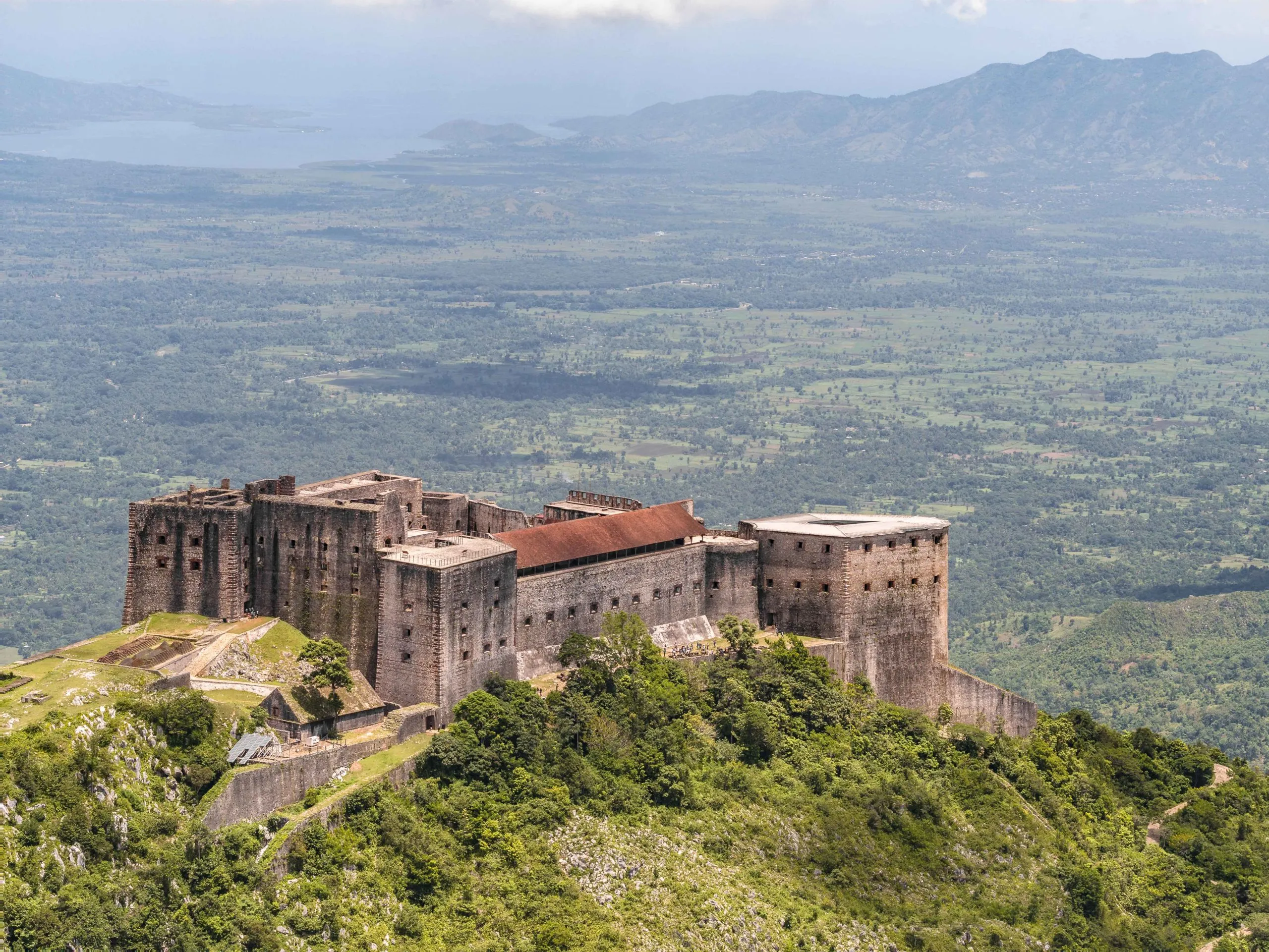
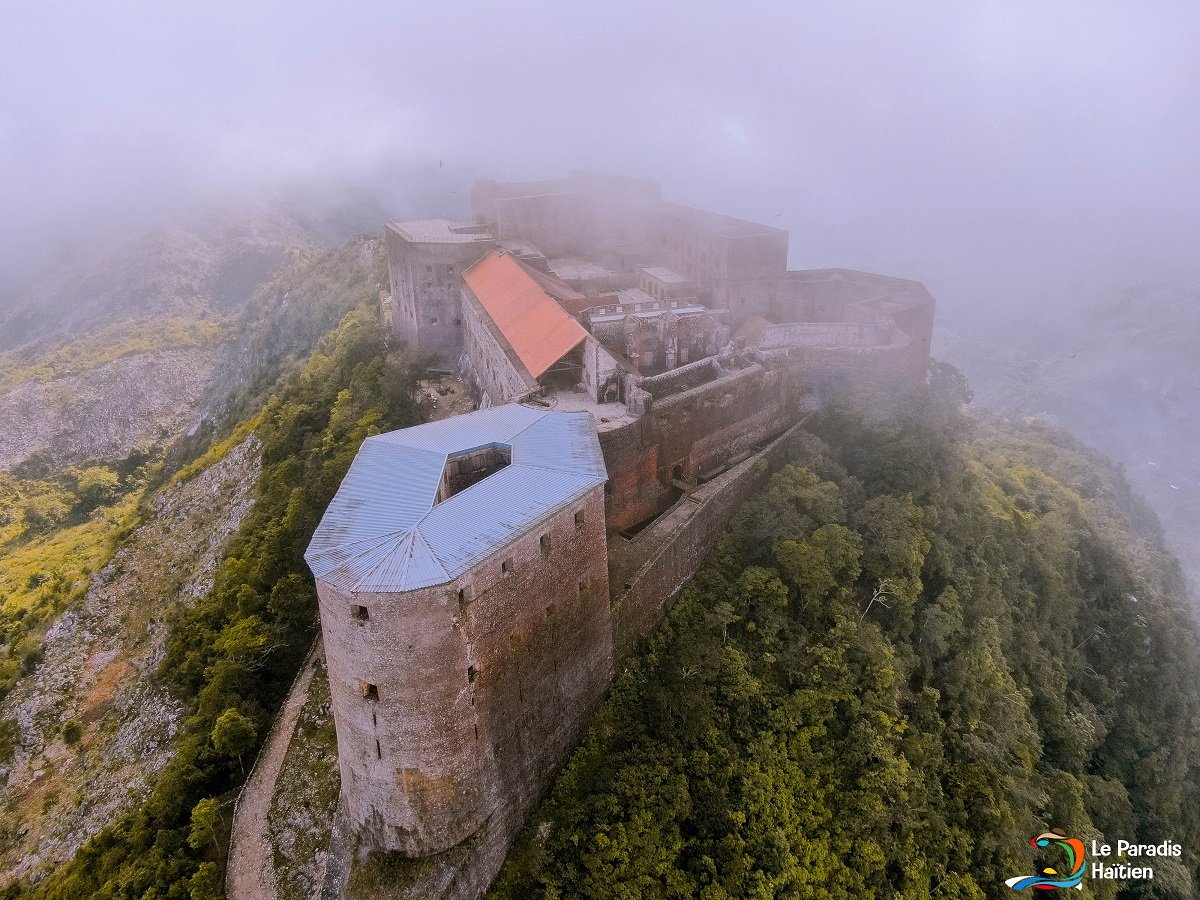
Haïti is proud of its heritage, and this is reflected in its historic sites, including the Citadelle Laferrière, a UNESCO World Heritage Site. Built by freed slaves after the war for independence, the Citadelle is a symbol of victory over French colonizers. Another important site is the Sans Souci Palace, the royal residence of King Christophe. This historic heritage is of major importance, and Haïti attracts tourists who are passionate about history to explore these iconic monuments. The country also has other valuable cultural sites such as the Musée du Panthéon National Haïtien (MUPANAH), which displays relics and objects that have marked the country’s history.

Haïti
Haïti
Haïti

Nature: A treasure trove of biodiversity

Haïti is blessed with impressive biodiversity, with over 1,100 species of plants, some of which are endemic, as well as 300 species of birds. The country is home to many protected natural areas, such as La Visite National Park, which is a prime example of the richness of its ecosystem. The country also has heavenly beaches, such as Île-à-Rat, a favorite spot for nature and sea lovers. These natural wonders are crucial to the country’s economy, particularly the tourism sector, which is a driver of growth. In 2019, the tourism sector accounted for approximately 4% of Haiti’s GDP, although it remains underexploited.

Haiti: Ministry of Tourism

Haiti: Ministry of Tourism

In its quest to revitalize its tourism industry and highlight its natural and cultural riches, Haïti relies on a key player: the Ministry of Tourism. As a government entity dedicated to the promotion and development of tourism, this ministry plays a crucial role in transforming Haïti into a leading tourist destination. One of the main objectives of the Ministry of Tourism is to strengthen the attractiveness of Haïti to international travelers. To do this, it develops innovative marketing campaigns, highlighting the country’s pristine beaches, fascinating historical sites, rich culture and exquisite cuisine. These efforts aim to change the perception of Haïti and generate interest among potential tourists around the world. In collaboration with private sector players, the ministry is committed to supporting and promoting local tourism businesses. By encouraging entrepreneurship and innovation in the tourism sector, the ministry helps create jobs and stimulate the local economy. The Ministry of Tourism also attaches great importance to the preservation of the environment and cultural heritage of Haiti. It implements policies and initiatives aimed at protecting the country’s natural sites, national parks and historic monuments. By encouraging sustainable and responsible tourism, the ministry ensures that future generations will also be able to enjoy the beauty and cultural richness of Haiti. Finally, the Ministry of Tourism works closely with other national and international organizations to promote Haiti’s tourism development. Through strategic partnerships and exchanges of best practices, Haïti benefits from the expertise and support necessary to strengthen its tourism sector and increase its competitiveness in the global market. Haiti’s Ministry of Tourism is a key player in transforming the country into an attractive and sustainable tourist destination. Through its continued efforts to promote tourism, support local businesses, and preserve Haiti’s natural and cultural heritage, the ministry is paving the way for a bright future for the country’s tourism industry.

An economy in transition

Haiti’s economy is growing, despite challenges such as political crises, natural disasters, and persistent poverty. Agriculture remains one of the economic pillars, with products such as coffee, bananas, mangoes, and sugarcane. The country also has untapped mineral resources, including gold and copper. However, Haïti faces a high poverty rate, with approximately 60% of its population living below the poverty line. The government and various international organizations are working to improve infrastructure and promote foreign investment, particularly in free zones and the textile industry.

A Resilient People

Haiti, despite the challenges, is an example of resilience. The Haitian people have overcome many obstacles over the centuries, including devastating natural disasters such as the 2010 earthquake, which killed more than 230,000 people and displaced millions more. The Haitian people’s ability to rise up after these tragedies is a testament to their strength and indomitable spirit. Haitians are known for their solidarity, community spirit, and ability to keep their culture alive in the face of adversity.

Haïti
Haïti
Haïti

Haiti, a country to discover

Haïti is much more than its challenges. It is a country rich in history, culture, and nature, with a proud and resilient people. Its independence, historical sites, exquisite cuisine, and beautiful landscapes make it a must-see destination for travelers. Haïti is a nation of hope and determination, a model of resistance and freedom. The country has enormous potential and continues to fight to improve the living conditions of its people while preserving its heritage and culture.

Haïti deserves to be seen in a positive light, not only for its historic struggle for independence, but also for its spirit of solidarity, diversity, and the beauty of its landscapes. If you have visited Haïti or would like to share other fascinating aspects of this country, leave a comment below.

Share
About the Author
Appolon Guy Alain
Appolon Guy Alain
Appolon Guy Alain

Full Stack Developer, Créatif, expérimenté, passionné des nouvelles technologies et de l’art.

See other articles from Appolon Guy Alain
Leave a comment

Recently Posted

Newsletter

Subscribe to our newsletter to stay informed of all our activities and news on Haiti.

Haiti: A Little-Known Pillar of World Independence

Haiti, the world’s first independent black republic, played an exceptional role in the quest for independence for other nations. Although often overshadowed by other historical events, Haiti’s contribution to the liberation of other countries was significant and deserves to be highlighted. b~The Haitian Revolution~b At the turn of the 19th century, Haïti threw off the chains of slavery and achieved the impossible by freeing itself from French colonial rule. In 1804, the country proclaimed its independence, ushering in a new era for oppressed peoples around the world. b~Inspiration for Latin America~b The Haitian Revolution was a major source of inspiration for independence movements in Latin America. Iconic figures such as Simón Bolívar and Francisco de Miranda recognized the courage and determination of Haitians as a driving force for their own struggles. By materially and ideologically supporting these movements, Haïti contributed to the emergence of several independent nations in South America. b~Influence in Africa~b Beyond the Americas, Haïti also played a crucial role in the quest for independence in Africa. African leaders have left a legacy that has inspired entire generations of freedom fighters on the African continent. The idea that oppressed people could rise up against their oppressors found a powerful echo in the struggles for independence in Africa. b~Support for Liberation Movements~b Throughout its history, Haïti has provided substantial support to liberation movements around the world. Whether through troop dispatches, financial resources or active diplomacy, the country has demonstrated its solidarity with those fighting for their autonomy. Haiti’s contributions have often been discreet but crucial. Haiti, as a pioneer of independence and freedom, has left a lasting impact on the world stage. His legacy resonates across continents, reminding the world that the quest for freedom is universal. By recognizing and celebrating Haiti’s role in the independence of other nations, we not only honor its history, but we also commit to promoting a future where all people have the opportunity to shape their destiny.

Haiti: A look back at the First Rara Weekend in Petit-Goave

Haitian culture is a true treasure, woven from the creativity of its artists, its rich heritage and the diversity of its cultural expressions. Among these cultural gems, the rara stands as a true national emblem, uniting Haitians through its captivating rhythms and centuries-old traditions. During the first Rara weekend, this very essence of Haitian culture shone brightly, revealing palpable social cohesion. Despite the absence of law enforcement, tranquility reigned in Petit-Goâve, testifying to the ability of citizens to come together in peace and conviviality. However, media attention was mainly focused on the first plain, leaving a certain imbalance in the coverage of the festivities. Ratyèfè, three-time reigning champion, once again captivated minds with his talent and artistic mastery, offering an unparalleled spectacle. But his rival, Lambi gran dlo, was not to be outdone, displaying a determination to compete for first place. The event was also marked by unfortunate incidents, reminding us that despite the beauty of tradition, tensions can arise. Clashes between fans of different groups tarnished the festive atmosphere, highlighting the need for careful management of celebrations to avoid such excesses. At the heart of this musical competition, where each group aspires to recognition and victory, a complex picture of rivalries and alliances emerges. Chenn tamarin, although appearing asleep in the first moments, shows signs of waking up, ready to shake up the established order. On Sunday evening, Lambi gran dlo honored the memory of one of its loyal supporters, while Grap Kenèp was the scene of violence between fans, recalling the fragility of social cohesion when passion runs wild. In this whirlwind of emotion and competition, it is crucial to keep in mind that it is the journalist who must look to the events, and not the other way around. This is how we draw up the first ranking for this first weekend: 1. Ratyèfè 2. Lambi grand dlo 3. Chenn tamarind Beyond the results, it is the preservation of unity and mutual respect that must remain at the heart of these celebrations, making the rara not only a musical festival, but above all a symbol of the wealth and resilience of the people Haitian.

Recently Posted

History

History

First black nation to free itself from slavery and gain independence from France in 1804 and influenced other liberation movements around the world, inspiring struggles for freedom and equality.

Natural beauty

Natural beauty

Haïti is blessed with spectacular natural landscapes, including white sand beaches, mountains and rich biodiversity.

Heritage

Heritage

Haïti has a rich historical heritage, including sites like the Citadelle Laferrière and the Sans-Souci Palace, listed as UNESCO World Heritage Sites.

Culture

Culture

Haïti has a rich and diverse culture, influenced by African, European and indigenous elements. Haitian music, dance, art and cuisine are celebrated around the world.

  • +
    • Post