contact@haitiwonderland.com+509 36184317

Discover

Shopping Cart

12 Must-See Hotels in Haiti
Haïti : Royal Oasis

12 Must-See Hotels in Haiti

Welcome to Haiti, a hidden gem of the Caribbean, where warm hospitality, pristine beaches and rich culture await you. If you are planning to visit this heavenly country, we have compiled a list of 12 most notable hotels to make your stay unforgettable.

Marriott
Marriott
Marriott

1. Marriott - Port-au-Prince

Located in the heart of the capital, the Port-au-Prince Marriott offers a perfect blend of luxury and comfort. With elegantly appointed rooms, delicious cuisine and panoramic city views, this hotel is an ideal choice for discerning travelers.

Royal Decameron Indigo Beach Resort

2. Royal Decameron Indigo Beach Resort & Spa - Montrouis

Nestled on the coast of Montrouis, this all-inclusive resort offers a relaxing getaway with its white sand beaches, crystal clear waters and a variety of water activities. Perfect for families, couples or travelers looking for relaxation.

Hotel Montana
Hotel Montana
Hotel Montana

3. Hotel Montana - Pétion-Ville

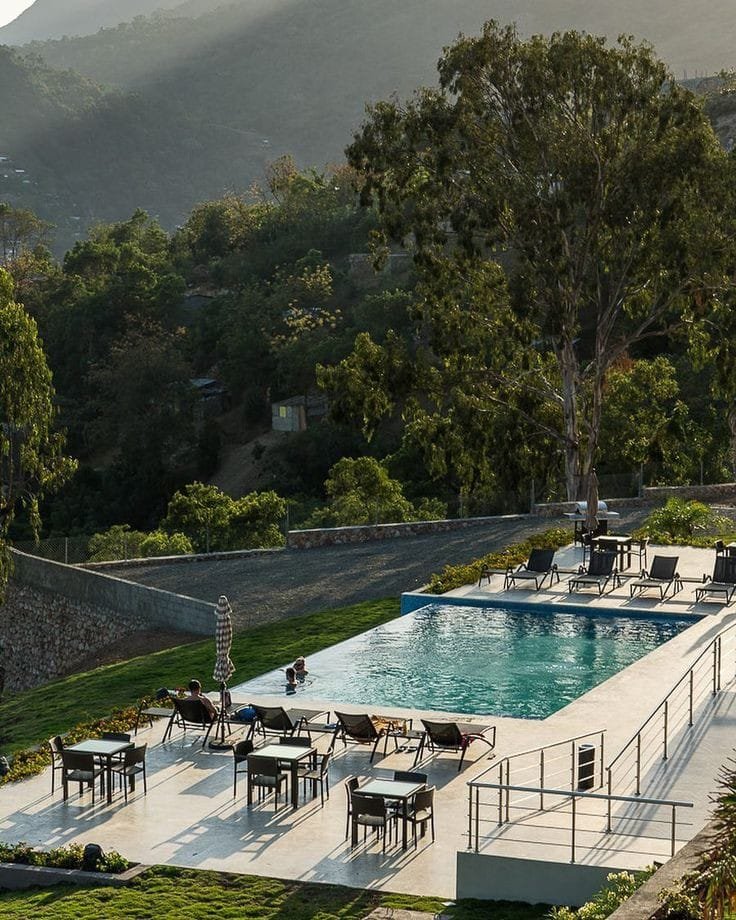
Perched in the hills of Pétion-Ville, Hotel Montana offers breathtaking views of Port-au-Prince. With its peaceful ambiance, lush gardens and attentive service, this establishment is an oasis of tranquility.

Karibe Hotel
Karibe Hotel
Karibe Hotel

4. Karibe Hotel - Pétion-Ville

The Karibe Hotel is renowned for its blend of elegance and modernity. Spacious rooms, world-class spa facilities, and gourmet restaurants make this hotel a top choice.

Kinam Hotel
Kinam Hotel
Kinam Hotel

5. Kinam Hotel - Pétion-Ville

Kinam Hotel is a choice address for business and leisure travelers. With its contemporary design, refreshing swimming pool and fine dining options, it promises an unforgettable experience.

El Rancho Hotel
El Rancho Hotel
El Rancho Hotel

6. El Rancho Hotel - Pétion-Ville

The El Rancho Hotel, steeped in history and charm, offers well-appointed rooms, exotic gardens and recreational facilities. It’s a perfect getaway for those looking for an authentic atmosphere.

Hotel Cyvadier
Hotel Cyvadier
Hotel Cyvadier

7. Hotel Cyvadier - Jacmel

Located in Jacmel, this hotel offers a unique experience with its colonial architecture, its rooms overlooking the Caribbean Sea and its artistic atmosphere. An ideal location for travelers looking to explore Haitian culture.

Manoir Adriana
Manoir Adriana
Manoir Adriana

8. Manoir Adriana Hotel - Jacmel

The Manoir Adriana Hotel Jacmel, a three-star establishment, proudly stands just 5 minutes from Lakou New York. With its 30 rooms offering modern comfort, this hotel promises a pleasant and relaxing experience. Ideally located, it allows easy access to the lively heart of downtown Jacmel, about a 20-minute walk away. An oasis of tranquility close to the hustle and bustle of the city, Manoir Adriana offers the perfect balance between convenience and serenity for travelers looking for a memorable getaway in Jacmel.

Royal Oasis
Royal Oasis
Royal Oasis

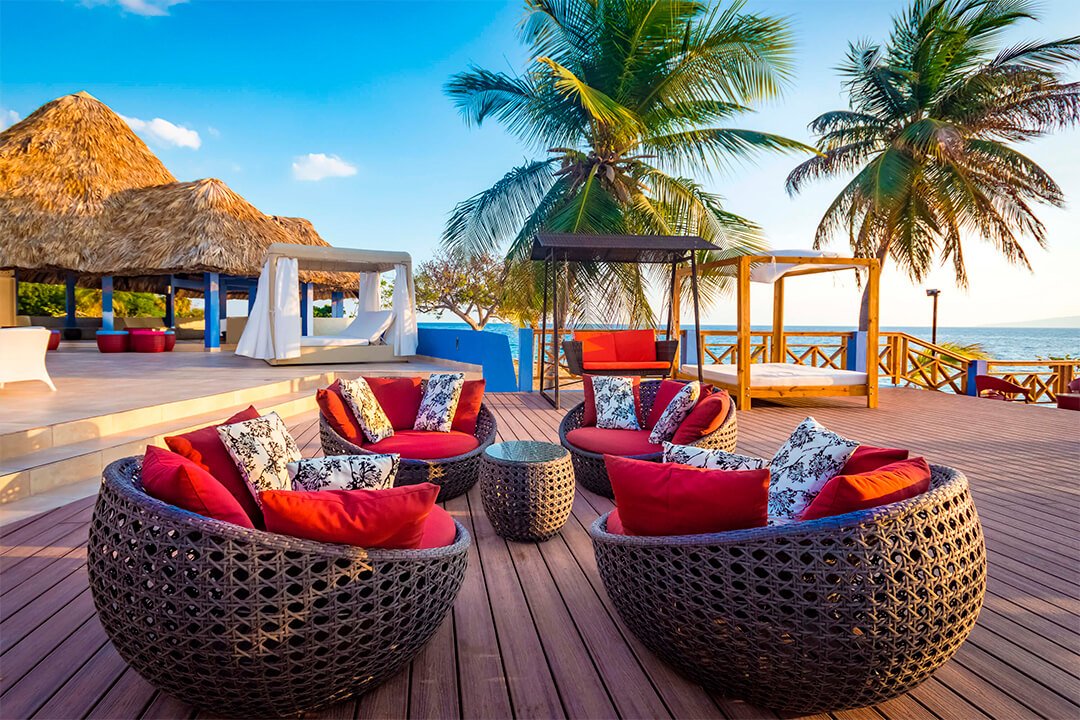
9. Royal Oasis - Pétion-Ville

The Royal Oasis is synonymous with sophistication. Elegant rooms, fine restaurants and first-class amenities make this one of the most exclusive hotels in Haiti.

Hotel Villa
Hotel Villa
Hotel Villa

10. Hotel Villa Therese - Pétion-Ville

With its intimate atmosphere, Hotel Villa Therese offers a peaceful refuge. Tropical gardens, a refreshing swimming pool and exceptional hospitality make this an ideal retreat.

Le Plaza Hotel
Le Plaza Hotel
Le Plaza Hotel

11. Le Plaza Hotel - Port-au-Prince

Located in the heart of the city, The Plaza Hotel is a blend of history and modernity. Elegant rooms, world-class meeting facilities and impeccable service make it an ideal choice for business travelers.

Wahoo Bay Beach Hotel

12. Wahoo Bay Beach Hotel - Montrouis

This seaside resort in Montrouis offers a heavenly experience with its white sand beaches, water sports facilities and ocean view rooms. An ideal place to relax and recharge your batteries.

In conclusion, whether you are looking for luxury, relaxation or cultural immersion, these hotels in Haïti offer a variety of options to suit all tastes. Prepare to be wowed by the natural beauty and warm hospitality of this enchanting Caribbean country.

Share
About the Author
Appolon Guy Alain
Appolon Guy Alain
Appolon Guy Alain

Full Stack Developer, Créatif, expérimenté, passionné des nouvelles technologies et de l’art.

See other articles from Appolon Guy Alain
Leave a comment

Recently Posted

Newsletter

Subscribe to our newsletter to stay informed of all our activities and news on Haiti.

Jean-Jacques Dessalines, leader of the Haitian Revolution

In the annals of the history of Haiti, an island located in the Caribbean at the entrance to the Gulf of Mexico and shared with the Dominican Republic, Jean-Jacques Dessalines emerges like a phoenix from the ashes of oppression. Born a slave on September 20, 1758 in the home of Henri Duclos, in Cormier (Grande-Rivière-du-Nord), in the French colony of Saint-Domingue, Dessalines was a Creole of African (Afro-Caribbean) origin. Freed during the 1794 abolition achieved through slave revolts, actually served as an officer in the French army during the French Revolution. At that time, the ideas of freedom and equality were at the heart of the concerns of the inhabitants of the colonies. Dessalines actively participated in the fighting against the Spanish and British forces, alongside the French, in Santo Domingo. Having risen to the rank of Lieutenant General, Jean-Jacques Dessalines turned against the French during the Leclerc expedition, sent to Saint-Domingue by Bonaparte to reestablish colonial authority and slavery during the Haitian Revolution. After the capture and deportation of Toussaint Louverture to France on June 7, 1802, Dessalines assumed a leading role in continuing the struggle for independence. He led numerous battles, including the battle of Crête-à-Pierrot in March 1802, where he galvanized his soldiers with his famous declaration: “Let those who want to remain slaves of the French leave the fort, let those, on the contrary, who want to die as free men, line up around me.” On January 1, 1804, Jean-Jacques Dessalines achieved the long-awaited goal of independence by proclaiming Haïti as a sovereign nation, becoming the second country in the Americas to gain independence from a colonial power. He became the first leader of the newly formed nation and was named Emperor under the name James I. However, his imperial reign was marked by authoritarian and brutal policies, including the massacre of many white settlers and the redistribution of land to peasants that was in the hands of the generals of the independence army. In addition, he organized the hunt for delinquents in the city while implementing rigorous agrarian policies, considering that they represented a threat to the stability of the nation, these controversial actions caused divisions within Haitian society. Dessalines was assassinated on October 17, 1806 following a plot organized by some of his generals in the Haitian army. His death marked the end of his brief but influential period in power. Despite the controversies surrounding his methods, he is recognized as the main architect of Haiti’s independence and his name was honored in 1903 by being attributed to the Haitian national anthem, La Dessalinienne, composed by Justin Lhérisson.Finally, the great visionary man Jean Jacques Dessalines remains an emblematic figure in the history of Haiti, recognized for his role in the fight for independence and the end of slavery in the region.

Haïti et son Rôle Pionnier dans l’Abolition de l’Esclavage Mondial

For centuries, the institution of slavery has darkened human history, leaving behind a legacy of pain, oppression and the struggle for freedom. However, in this dark tale, one nation stands out for its courage and determination to break the chains of oppression: Haiti. Located in the Caribbean, Haïti played a pioneering role in the abolition of slavery, laying the foundation for the fight for freedom and equality around the world. The history of slavery in Haïti dates back to the arrival of Europeans on the island, which was then called Santo Domingo, in the 15th century. French colonists quickly established an economy based on sugar and coffee production, cruelly exploiting millions of African slaves deported to work on plantations. However, this brutal system engendered fierce resistance from slaves, whose fight for freedom ultimately led to one of the most significant revolutions in history. In 1791, under the leadership of iconic figures such as Toussaint Louverture, Jean-Jacques Dessalines and Henri Christophe, Haitian slaves rose up against their oppressors in an unprecedented rebellion. This revolt resulted in a war of independence that lasted more than a decade, but ultimately resulted in the proclamation of Haiti’s independence in 1804, making that country the first post-colonial nation ruled by people from slavery. The impact of the Haitian Revolution on the abolition of slavery worldwide cannot be overstated. By breaking the chains of oppression and proclaiming their independence, Haitians have sent a powerful message to all oppressed peoples around the world: freedom is possible, and it is worth the struggle. The example of Haïti inspired other movements for the abolition of slavery in the Americas and beyond, thus helping to shake the very foundations of the institution of slavery. Haiti’s participation in the fight against slavery was not limited to its territory; it also extended to external actions where Haitian men were sent or actively participated in movements for the abolition of slavery in other regions of the world. For example, Haitian President Alexandre Pétion supported Simón Bolívar, the leader of the South American revolution, by providing him with weapons, money and even men, which contributed to the liberation of several countries in America Latin of colonial domination. Haïti also provided support for independence movements in Central America. Haitian fighters, led by General Jean-Pierre Boyer, helped Venezuelan patriots fight against Spanish rule, contributing to the liberation of that region. The Haitian government financially and diplomatically supported movements for the abolition of slavery in countries such as Venezuela, Colombia and Mexico, contributing to the gradual eradication of this institution throughout the region. Although Haïti did not directly participate in the American Civil War, many Haitians and descendants of Haitians played crucial roles in the abolitionist movement in the United States. Figures who were of Haitian origin or of Haitian ancestry, were important voices in the fight against slavery and for equal rights in the United States. The legacy of the Haitian Revolution remains a symbol of resistance and courage for future generations. Today, as the world continues to struggle against injustice and oppression in various forms, Haiti’s history reminds us that the fight for freedom is a universal fight, one that transcends borders and times. Haiti’s participation in the abolition of slavery throughout the world remains a crucial chapter in the history of humanity. Through their courage and determination, Haitians have paved the way for a future where freedom and equality are inalienable rights for all.

Recently Posted

History

History

First black nation to free itself from slavery and gain independence from France in 1804 and influenced other liberation movements around the world, inspiring struggles for freedom and equality.

Natural beauty

Natural beauty

Haïti is blessed with spectacular natural landscapes, including white sand beaches, mountains and rich biodiversity.

Heritage

Heritage

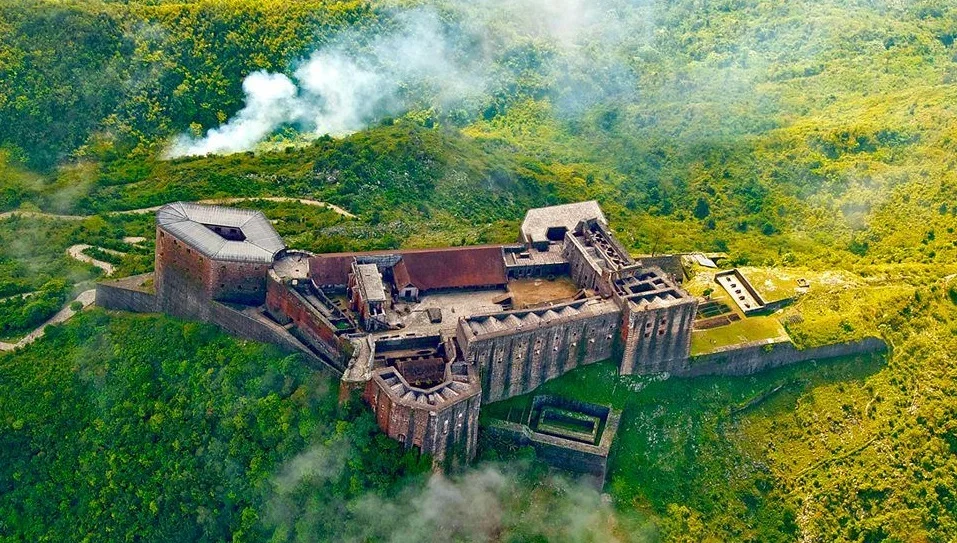
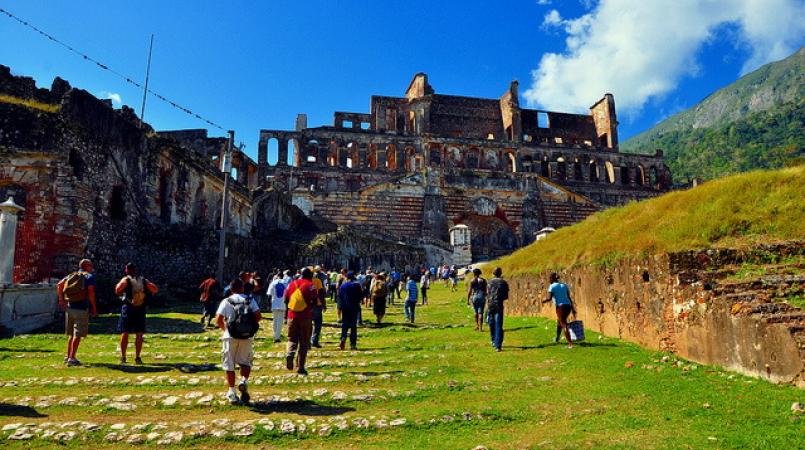
Haïti has a rich historical heritage, including sites like the Citadelle Laferrière and the Sans-Souci Palace, listed as UNESCO World Heritage Sites.

Culture

Culture

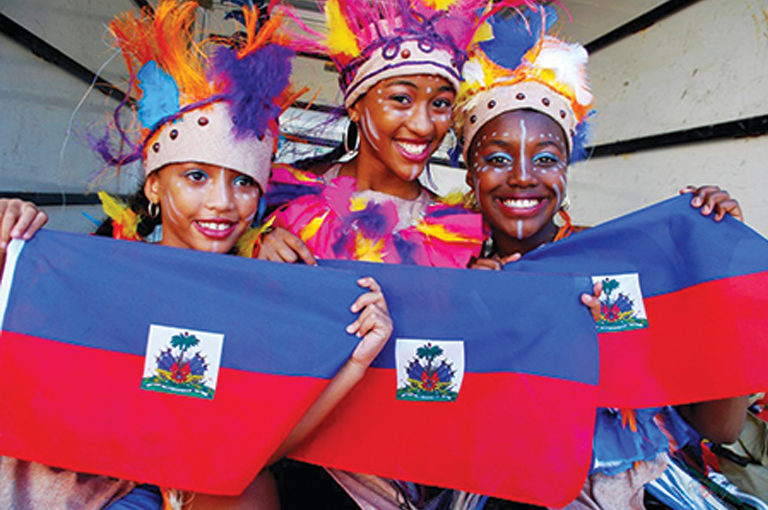
Haïti has a rich and diverse culture, influenced by African, European and indigenous elements. Haitian music, dance, art and cuisine are celebrated around the world.

  • +
    • Post