Haiti, this jewel of the Caribbean, is known for its revolutionary history, vibrant culture, and breathtaking landscapes. But how many people call this land rich in tradition and diversity home? This article explores Haiti’s current population and how it has changed over time, while providing an overview of the challenges and opportunities related to its demographics.
Currently, Haiti’s population is estimated at 12.4 million, according to United Nations data. This figure makes Haïti the most populous country in the French-speaking Caribbean and the third largest in the region, after Cuba and the Dominican Republic.
Some key statistics:
- Population growth rate: About 1.5% per year, a moderate increase that reflects a still relatively high birth rate.
- Population Density: With approximately 452 inhabitants per square kilometer, Haïti is one of the most densely populated countries in the region.
These figures highlight the vitality of the Haitian people, while posing challenges for the management of resources and infrastructure.
Since its independence in 1804, the Haitian population has continued to grow. In 1950, Haïti had approximately 3.1 million inhabitants. This figure has quadrupled in just 70 years, due to a high birth rate and increasing life expectancy.
- In 1980, the population reached 5.4 million.
- In 2000, it exceeded 8 million.
- Today, it is approaching 12.5 million, reflecting a constant demographic dynamic.
This rapid growth also reflects the importance of young people in Haitian society, with 40% of the population under 18.
A Contrasting Geographic Distribution
Haiti’s population is primarily urban, although the country remains marked by a strong rurality:
- Port-au-Prince, the capital, is the economic and political heart of the country, with a population of approximately 3 million, or nearly 25% of the national population.
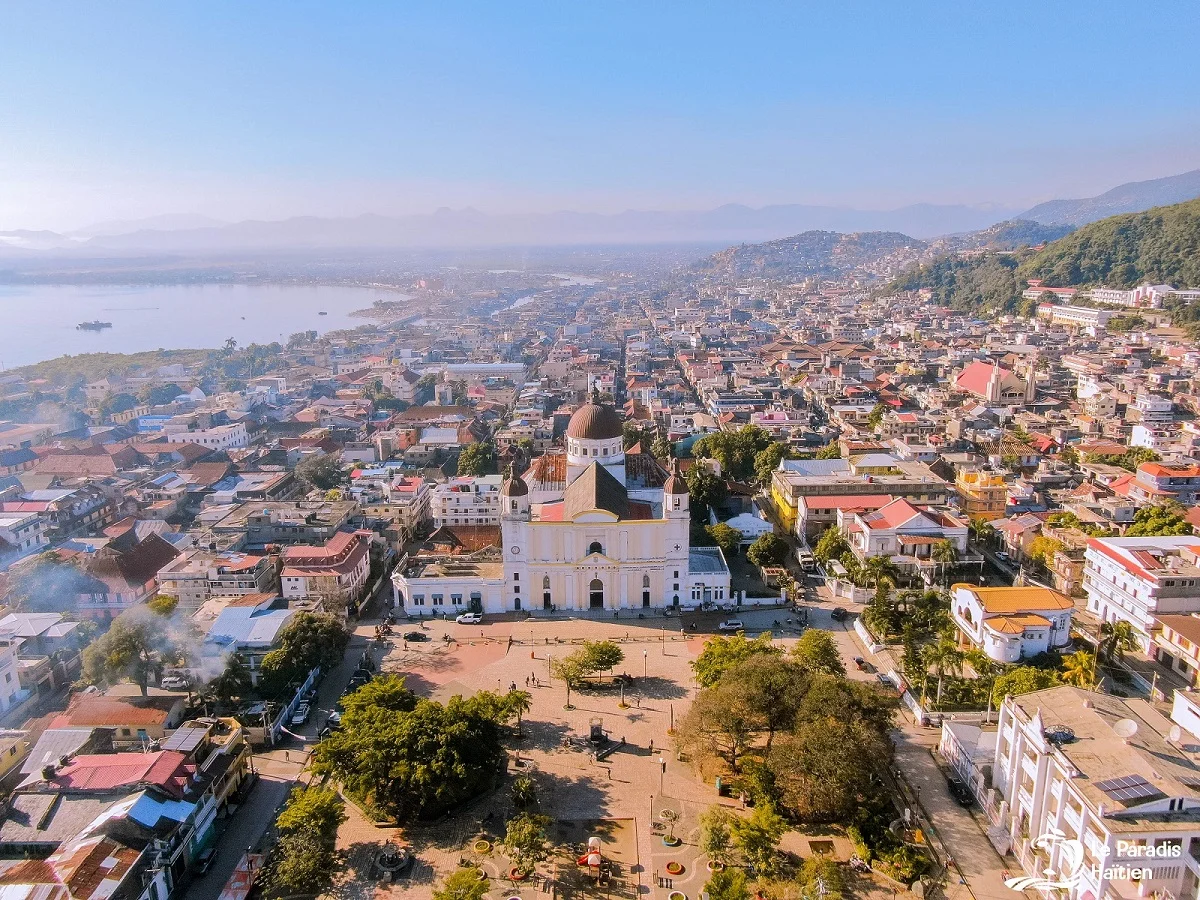
- Secondary cities such as Cap-Haïtien, Les Cayes and Gonaïves also play an important role, but remain less densely populated.
- Rural areas are still home to nearly 40% of the population, although the rural exodus to large cities continues to accelerate.
This distribution highlights the challenges associated with rapid urbanization, particularly in terms of housing, education and public health.
The Challenges and Opportunities of a Young Population
With a predominantly young population, Haïti has enormous human potential. However, this youthfulness comes with significant challenges:
- Education: Approximately 60% of children attend primary school, but only 20% reach secondary school. Investing in education is therefore essential to transform this youth into an economic and social force.
- Employment: Unemployment affects nearly 40% of young workers, highlighting the need to diversify the economy to create more opportunities.
- Health: Health services must be strengthened to meet the growing needs of the population.
Despite these challenges, a young population can be a major asset for Haiti, particularly in the areas of innovation, entrepreneurship and community development.
Migration and Diaspora: A Key Component
A large portion of Haitians live abroad, forming a diaspora estimated at 4 million people. These communities, spread mainly across North America, Europe, and the Caribbean, play a crucial role in the country’s economy:
- In 2023, remittances from the Haitian diaspora represented nearly 35% of the national GDP, or approximately US$4 billion.
- The diaspora also contributes to Haiti’s cultural influence internationally, with artists, writers, and entrepreneurs sharing their heritage with the world.
Haiti’s population continues to grow, but to turn this growth into an opportunity, the country must invest in its infrastructure, education, and health. With a resilient and dynamic population, Haïti has the human resources to meet the challenges of the 21st century.
In conclusion, the Haitian population, rich in history and diversity, is one of the pillars of national identity. If you know other notable facts or interesting figures about the Haitian population, share them in the comments to enrich the discussion!
Share
About the Author
Appolon Guy Alain
Appolon Guy Alain
Full Stack Developer, Créatif, expérimenté, passionné des nouvelles technologies et de l’art.
First black nation to free itself from slavery and gain independence from France in 1804 and influenced other liberation movements around the world, inspiring struggles for freedom and equality.
Natural beauty
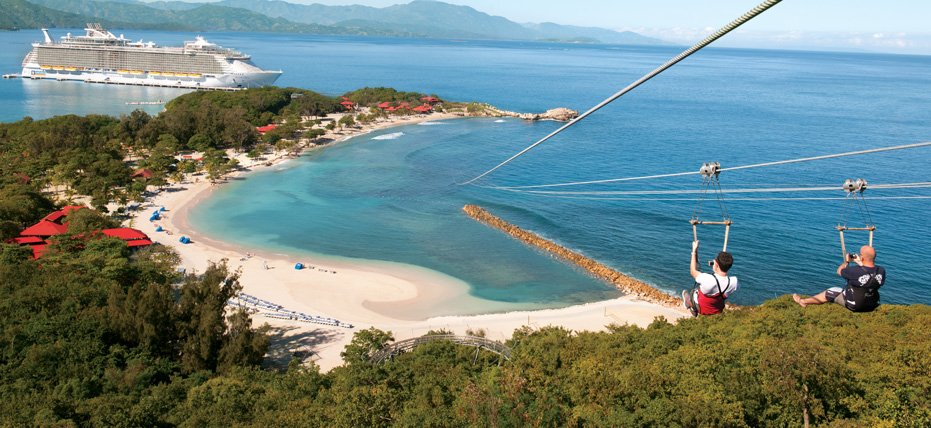
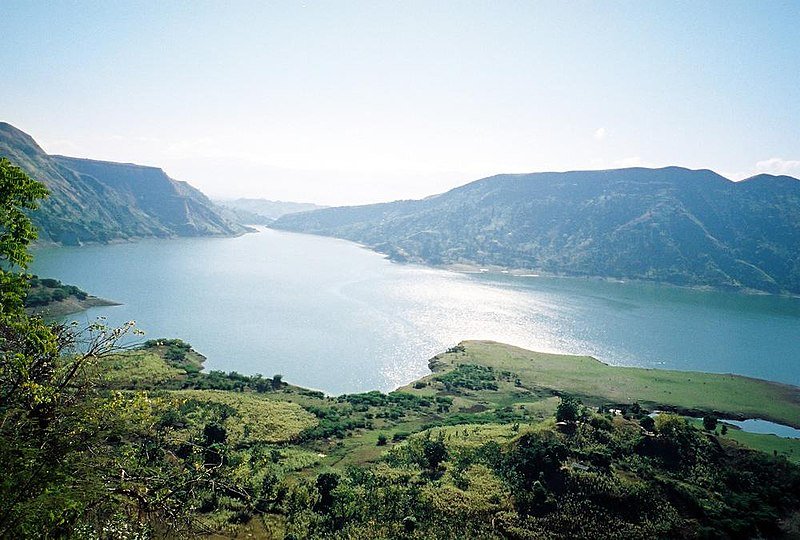
Haïti is blessed with spectacular natural landscapes, including white sand beaches, mountains and rich biodiversity.
Heritage
Haïti has a rich historical heritage, including sites like the Citadelle Laferrière and the Sans-Souci Palace, listed as UNESCO World Heritage Sites.
Culture
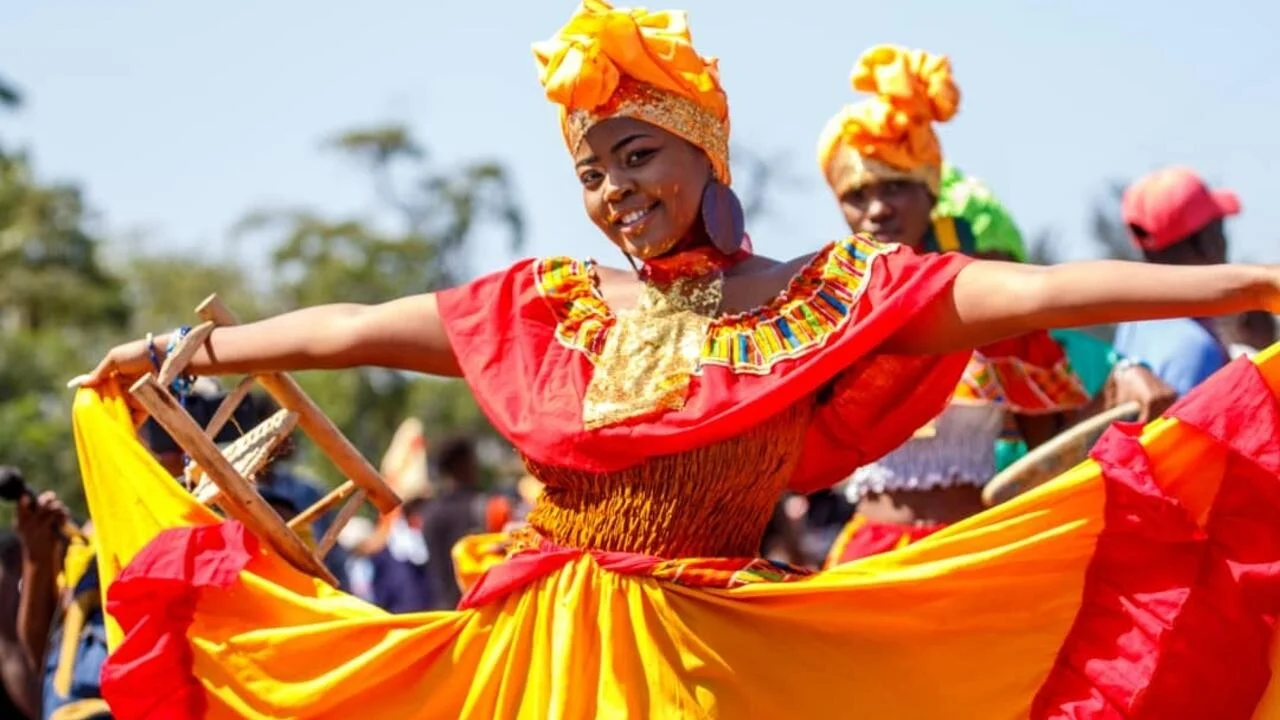
Haïti has a rich and diverse culture, influenced by African, European and indigenous elements. Haitian music, dance, art and cuisine are celebrated around the world.