contact@haitiwonderland.com+509 36184317

Discover

Shopping Cart

What is the emblem of Haiti?

What is the emblem of Haiti?

The national emblem of Haïti is a powerful symbol of the country’s identity, history, and values. It embodies the struggle for independence and the fundamental principles that unite Haitians. This article explores in depth the national emblem of Haiti, its elements, meaning, and importance to the Haitian nation.

The National Emblem of Haiti: Coat of Arms

The national emblem of Haïti consists of the country’s coat of arms, an important and distinctive symbol. This coat of arms was adopted in 1807 and is featured on the flag and official documents of the Republic of Haiti. The emblem is divided into several symbolic elements that reflect the country’s history, culture, and fundamental values.

Haïti
Haïti
Haïti

The Elements of the Emblem of Haiti

The emblem of Haïti is rich in symbolism. At the center of the coat of arms is a palm tree (symbol of freedom), with cannons and flags representing the defense of the nation. A Haitian flag flies around the palm tree, evoking the struggle for independence.

Two crossed arrows, accompanied by laurel branches, symbolize the military victory and the honor of the Haitian people in their quest for freedom. On the bottom of the coat of arms, a banner bears the national motto: "L’Union fait la force", a principle that reaffirms the importance of national solidarity.

The blue and red colors that appear on the emblem symbolize unity and freedom. The blue represents the descendants of slaves who fought for independence, while the red represents the brotherhood between all Haitians.

The Meaning of the Coat of Arms

The coat of arms of Haïti has a deep and historical meaning. The palm tree, at the center of the emblem, symbolizes the freedom acquired after the Haitian revolution. It also represents the perseverance of the Haitian people in the face of adversity.

The cannons and flags on the sides are reminders of the heroic fight of the Haitians for their independence. These symbols embody the defense of the country and the spirit of resistance that allowed Haïti to become the first country to abolish slavery and found an independent black republic.

The laurel branches are a reference to military victory, but also to peace, honor and integrity. They are a sign of triumph and the dignity regained by the Haitian people after centuries of oppression.

Haïti
Haïti
Haïti

The Emblem as a Symbol of National Pride

The emblem of Haïti plays a central role in the construction of national identity. It is a constant reminder of the sacrifices and struggles that allowed Haïti to obtain its independence. Each element of the emblem is a symbol of Haitian pride and the sovereignty of the country.

Haitians both inside and outside the country view this emblem as a source of dignity and resilience. It is worn with pride during national celebrations and events where the unity and solidarity of the Haitian people are highlighted.

A Living Emblem of Haitian History

The national emblem of Haïti is much more than a simple design: it is a living testimony to the country’s history. It recalls not only the war of independence, but also the slave revolt and the victory over colonial oppression. As such, it represents the ideals of liberty, equality, and fraternity that have shaped Haiti.


Haitians continue to reclaim their emblem and bring it to life, whether it is seen flying in the streets during protests or finding it in art, music, and discussions about the nation. The emblem is a testament to the continuity of Haiti’s history and soul across generations.

Haïti
Haïti
Haïti

The Emblem of Haiti: A Universal Symbol

Although specific to Haiti, the national emblem also has a universal dimension. It embodies the principles of the struggle for freedom, human dignity, and solidarity. These values ​​resonate throughout the world, especially in Haitian communities in the diaspora, where the symbol continues to serve as a rallying point and collective pride.

The emblem of Haïti is therefore much more than a decorative element. It embodies the heritage, culture, and strength of the Haitian people, and it is a powerful vector of national identity, inspiring respect and solidarity on a global scale.

Share
About the Author
Appolon Guy Alain
Appolon Guy Alain
Appolon Guy Alain

Full Stack Developer, Créatif, expérimenté, passionné des nouvelles technologies et de l’art.

See other articles from Appolon Guy Alain
Leave a comment

Recently Posted

Haiti: seaside resorts

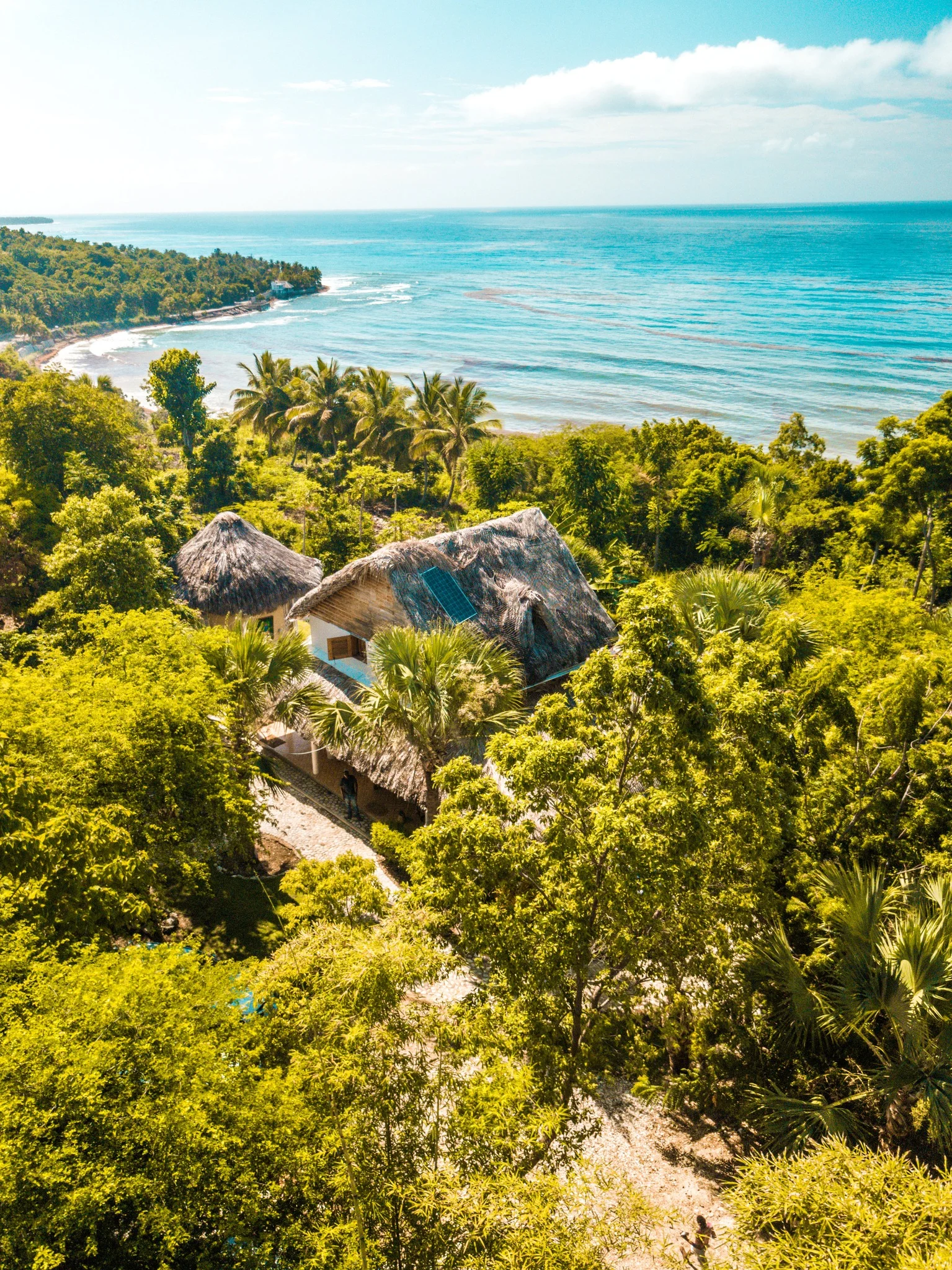
Haiti, often recognized for its rich history, vibrant culture and mountainous landscape, is also blessed with a stunning coastline lined with picturesque beaches. Haitian beach resorts offer a unique experience where white sand meets the crystal clear waters of the Caribbean Sea. These beach destinations are emerging as hidden gems, ready to be discovered by travelers hungry for sun and adventure. A Rich and Cultural History Haiti’s resorts don’t just offer breathtaking scenery; they are also steeped in rich history and culture. Visitors can explore historic sites such as the Citadelle Laferrière, a majestic fortress built in the early 19th century, or the Palais Sans-Souci, a former royal residence dating back to the colonial era. Additionally, Haitian music, dance and cuisine bring a lively and colorful touch to the seaside experience, giving visitors an authentic insight into local culture. Heavenly Beaches Haiti’s beaches are some of the most beautiful in the Caribbean, offering miles of pristine white sand bordered by sparkling turquoise waters. Destinations such as Jacmel, Labadee and Île-à-Vache offer tranquil retreats where visitors can relax in the tropical sun or indulge in a host of water activities, such as snorkeling, sailing and boating. kayak. Whether you’re looking for excitement or tranquility, Haiti’s beaches offer something for everyone. An Emerging Ecotourism Haïti is also becoming a popular destination for ecotourism enthusiasts. With its unique biodiversity and unspoilt landscapes, the country offers unique opportunities for bird watching, jungle hiking and discovering spectacular natural sites such as the Saut-d’Eau waterfalls and caves. Environmentally conscious travelers will find in Haïti a perfect balance between adventure and nature conservation. Haiti’s resorts offer much more than spectacular beaches. They offer immersion in a vibrant culture, fascinating history and preserved nature. By choosing to visit Haiti, travelers have the opportunity to discover a jewel of the Caribbean, while contributing to the economic development and well-being of this extraordinary country.

Newsletter

Subscribe to our newsletter to stay informed of all our activities and news on Haiti.

Haiti: Flora and Fauna

Haiti, located on the western part of the Caribbean island of Hispaniola, is often associated with its rich and complex history. However, beyond its cultural and historical aspects, Haïti is home to a remarkable diversity of fauna and flora that deserves to be explored and preserved. This article highlights the ecological wealth of Haiti, emphasizing its unique flora and fauna. Fauna: Haïti is home to a variety of animal species, some of which are endemic to the island. The country’s tropical rainforests are home to a great diversity of birds. The rugged mountains provide suitable habitat for rare species. The waters surrounding Haïti are also rich in biodiversity. Colorful corals, tropical fish and sea turtles find refuge in the coral reefs along the coast. Conservation efforts are crucial to protect these fragile marine ecosystems and preserve marine life. Flora: Haiti’s landscapes are adorned with a wide variety of plants and flowers. The tropical rainforests are home to majestic trees, the Hispaniola pine and the gum tree. These forests play an essential role in climate regulation and the preservation of biodiversity. The coastal plains are dotted with palm trees, including Haiti’s iconic royal palm. Botanical gardens, such as the Jardin Botanique des Cayes, are havens of greenery where you can admire a wide variety of tropical plants, some of which are endemic to the region. Haiti, with its unique flora and fauna, is an ecological gem that deserves to be preserved for future generations. Awareness, conservation and sustainable development are key elements to ensure the survival of this natural wealth. By investing in the protection of its environment, Haïti can not only preserve its ecological heritage, but also promote sustainable tourism and strengthen the resilience of its ecosystems in the face of current global challenges.

Haïti: The Pearl of the Antilles

Located in the Caribbean Sea, Haïti is often nicknamed "The Pearl of the Antilles". This laudatory title not only reflects the beauty of its idyllic beaches, but also the history, culture and natural wealth of this island nation. Throughout the centuries, Haïti has acquired this prestigious reputation for various reasons, which go beyond its picturesque landscapes. b~Natural Beauty:~b Haïti is blessed with an abundance of natural beauty. Its sandy beaches, crystal clear waters, majestic mountains and lush valleys make it a dream destination for travelers from all over the world. Generous nature has endowed Haïti with impressive ecological diversity, which has helped shape its image as the pearl of the Antilles. b~Cultural Wealth:~b Beyond its landscapes, it is the richness of Haïtian culture which contributes to its reputation as a pearl. Haïti has a fascinating history, blending influences from indigenous Taino people, European settlers and African slaves. This cultural fusion gave rise to a unique artistic and musical tradition, embodied in expressions such as voodoo, naive painting and compass music. b~Historical Heritage:~b Haïti has played a central role in the history of the struggle for freedom and equality. In 1804, it became the first independent republic in Latin America and the Caribbean, after a revolution led by freed slaves. This courageous act of independence established Haïti as a symbol of resistance and determination, adding a historic dimension to its status as the pearl of the Antilles. b~Natural Resources~b Haïti is abundant in valuable natural resources, which has contributed to its nickname as the Pearl. Mineral-rich mountains, fertile soils and abundant water reserves have made Haïti a land of opportunity. Haïti, the pearl of the Antilles, is much more than just a tourist destination. It is a country whose natural beauty, cultural richness, historical heritage and natural resources contribute to a unique identity. It remains a jewel in the crown of the Caribbean, reminding the world of the strength and resilience of the Haïtian people.

Recently Posted

History

History

First black nation to free itself from slavery and gain independence from France in 1804 and influenced other liberation movements around the world, inspiring struggles for freedom and equality.

Natural beauty

Natural beauty

Haïti is blessed with spectacular natural landscapes, including white sand beaches, mountains and rich biodiversity.

Heritage

Heritage

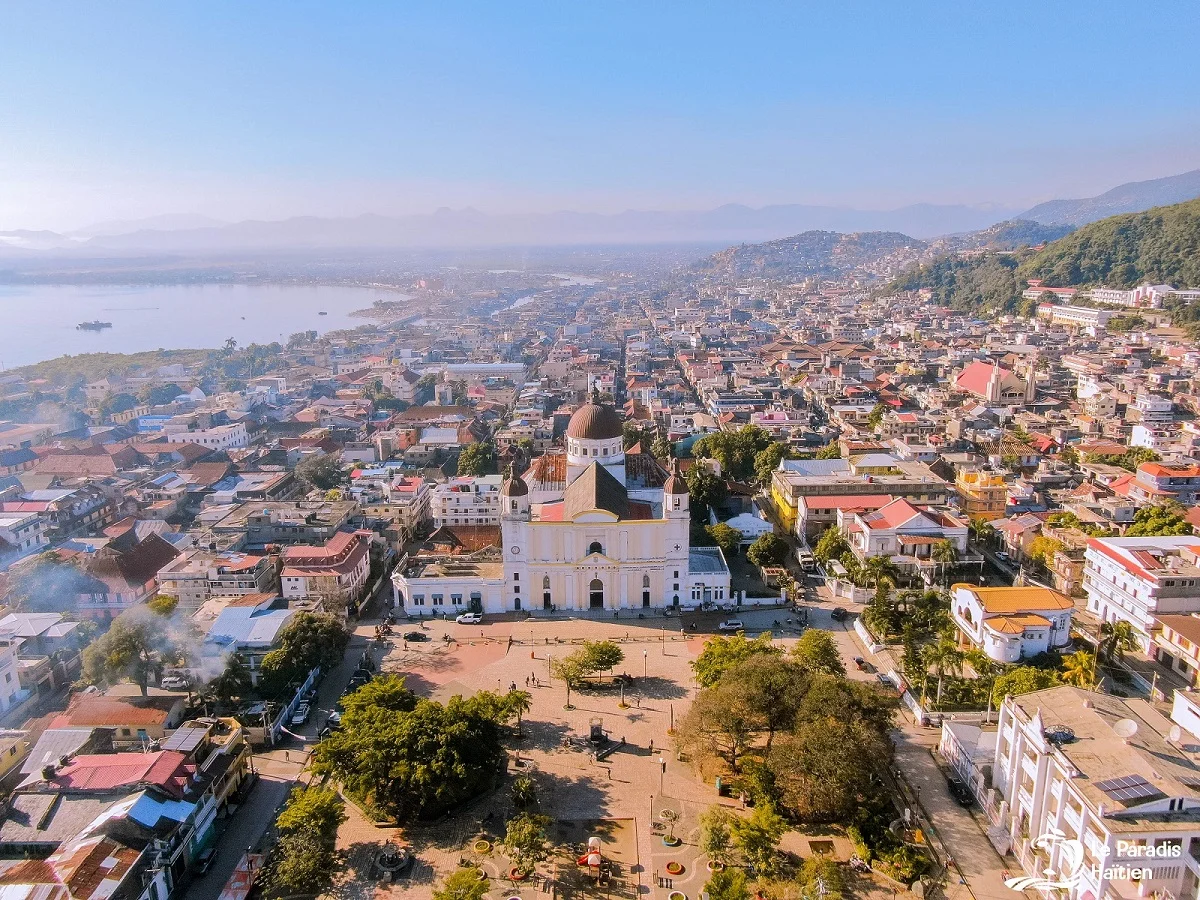
Haïti has a rich historical heritage, including sites like the Citadelle Laferrière and the Sans-Souci Palace, listed as UNESCO World Heritage Sites.

Culture

Culture

Haïti has a rich and diverse culture, influenced by African, European and indigenous elements. Haitian music, dance, art and cuisine are celebrated around the world.

  • +
    • Post