contact@haitiwonderland.com+509 36184317

Discover

Shopping Cart

Did you know? Haïti has the largest cave system in the Caribbean.

Did you know? Haïti has the largest cave system in the Caribbean.

Few people know that Haiti, often celebrated for its beaches and rich history, is also home to the largest cave system in the Caribbean. These underground formations, scattered across the country, are natural and cultural treasures that bear witness to millions of years of geological evolution and human interactions. Let’s dive into this fascinating universe together.

A spectacular underground network

Haiti’s caves are a veritable natural labyrinth. Among the best known are the Marie-Jeanne cave in Port-à-Piment, the Saint-François cave in the North, and the Dondon caves. These cavities, sculpted by centuries of erosion, reveal stalactites, stalagmites and impressive limestone formations.

The Marie-Jeanne Cave, for example, is considered the longest explored cave in the Caribbean, with nearly 4 kilometers of mapped galleries. It offers a unique immersion in an underground world rich in biodiversity and mysteries.

A natural and cultural wealth

Haitian caves are not limited to their natural beauty; they also have an inestimable cultural value. The Taínos, the first inhabitants of the island, used these caves as refuges and sacred places. To this day, petroglyphs and other artifacts testify to their spiritual practices and their connection with nature.

These caves also served as refuges during the colonial period and revolutions, offering protection and discretion to resistance fighters.

A paradise for explorers

With its countless caves, Haïti is a destination of choice for speleology enthusiasts. The diversity of its caves, ranging from simple accessible cavities to complex and unexplored systems, attracts adventurers and researchers from all over the world.

The unique biodiversity of these caves is also remarkable: some are home to endemic species, such as bats and insects adapted to permanent darkness.

A sustainable tourism opportunity

Haiti’s cave system represents immense potential for the development of sustainable ecotourism. In 2021, local initiatives began to highlight these sites while raising awareness among visitors about their preservation. The Marie-Jeanne cave, for example, hosts guided tours that combine exploration and environmental education.

This type of tourism not only helps protect these natural treasures, but also generates income for local communities.

A heritage to protect

However, this natural heritage faces increasing threats, including deforestation, which disrupts the ecological balance of the caves, and unregulated human activities. Preserving these sites is crucial to ensure their survival and allow future generations to discover them.

As a nation proud of its riches, Haïti is increasing its efforts to protect these underground wonders through partnerships between scientists, local communities and international organizations.

An invitation to explore

Whether you are passionate about nature, history or adventure, Haiti’s cave system is an unforgettable experience. These cavities hidden beneath the surface offer a unique insight into the country’s geological and cultural diversity.

Have you ever explored Haiti’s caves? If so, share your thoughts in the comments. And if you haven’t yet, get ready to live an extraordinary adventure in the bowels of this fascinating country. Haïti and its underground wonders await you!

Share
About the Author
Appolon Guy Alain
Appolon Guy Alain
Appolon Guy Alain

Full Stack Developer, Créatif, expérimenté, passionné des nouvelles technologies et de l’art.

See other articles from Appolon Guy Alain
Leave a comment

Recently Posted

Haiti: A look back at the First Rara Weekend in Petit-Goave

Haitian culture is a true treasure, woven from the creativity of its artists, its rich heritage and the diversity of its cultural expressions. Among these cultural gems, the rara stands as a true national emblem, uniting Haitians through its captivating rhythms and centuries-old traditions. During the first Rara weekend, this very essence of Haitian culture shone brightly, revealing palpable social cohesion. Despite the absence of law enforcement, tranquility reigned in Petit-Goâve, testifying to the ability of citizens to come together in peace and conviviality. However, media attention was mainly focused on the first plain, leaving a certain imbalance in the coverage of the festivities. Ratyèfè, three-time reigning champion, once again captivated minds with his talent and artistic mastery, offering an unparalleled spectacle. But his rival, Lambi gran dlo, was not to be outdone, displaying a determination to compete for first place. The event was also marked by unfortunate incidents, reminding us that despite the beauty of tradition, tensions can arise. Clashes between fans of different groups tarnished the festive atmosphere, highlighting the need for careful management of celebrations to avoid such excesses. At the heart of this musical competition, where each group aspires to recognition and victory, a complex picture of rivalries and alliances emerges. Chenn tamarin, although appearing asleep in the first moments, shows signs of waking up, ready to shake up the established order. On Sunday evening, Lambi gran dlo honored the memory of one of its loyal supporters, while Grap Kenèp was the scene of violence between fans, recalling the fragility of social cohesion when passion runs wild. In this whirlwind of emotion and competition, it is crucial to keep in mind that it is the journalist who must look to the events, and not the other way around. This is how we draw up the first ranking for this first weekend: 1. Ratyèfè 2. Lambi grand dlo 3. Chenn tamarind Beyond the results, it is the preservation of unity and mutual respect that must remain at the heart of these celebrations, making the rara not only a musical festival, but above all a symbol of the wealth and resilience of the people Haitian.

Newsletter

Subscribe to our newsletter to stay informed of all our activities and news on Haiti.

Haiti: The Rara season in Petit-Goâve: A celebration of life, unity and resilience

As the new season of Rara looms on the horizon, certain groups such as Saint Jacques Majeur, Ratyèfè, Florida Band, Lambi Grand, and Grap Kenèp are already preparing to light up the streets of Petit-Goâve with their flamboyant costumes and their captivating melodies. For these groups, the future looks bright, promising a season full of passion and success. However, other rara bands are still hesitant about which direction to take. Despite these uncertainties, optimism reigns regarding the success of this new season for all rara groups in the commune of Petit-Goâve. Rara, anchored in the Vodou tradition, is much more than a simple artistic manifestation. It embodies the very essence of Haitian culture, highlighting questions of memory, tradition and identity. This increasingly popular form of artistic expression attracts a large audience and arouses unprecedented enthusiasm. Groups like Ratyèfè, Grap Kenèp, Florida Band and Chenn Tamaren, recognized for their ability to delight their fans, play a crucial role in the continued growth of rara in the town. The rara season traditionally begins on Dead Thursday and ends on the night of Easter Sunday or quasimodo Monday. To mark the beginning of this sacred period, groups organize opening ceremonies, honoring the spirits of the deceased in rituals steeped in spirituality. These ceremonies, often held in cemeteries or in the "Bitasyons" of groups, symbolize the deep link between the rara and Vodou traditions.

Recently Posted

History

History

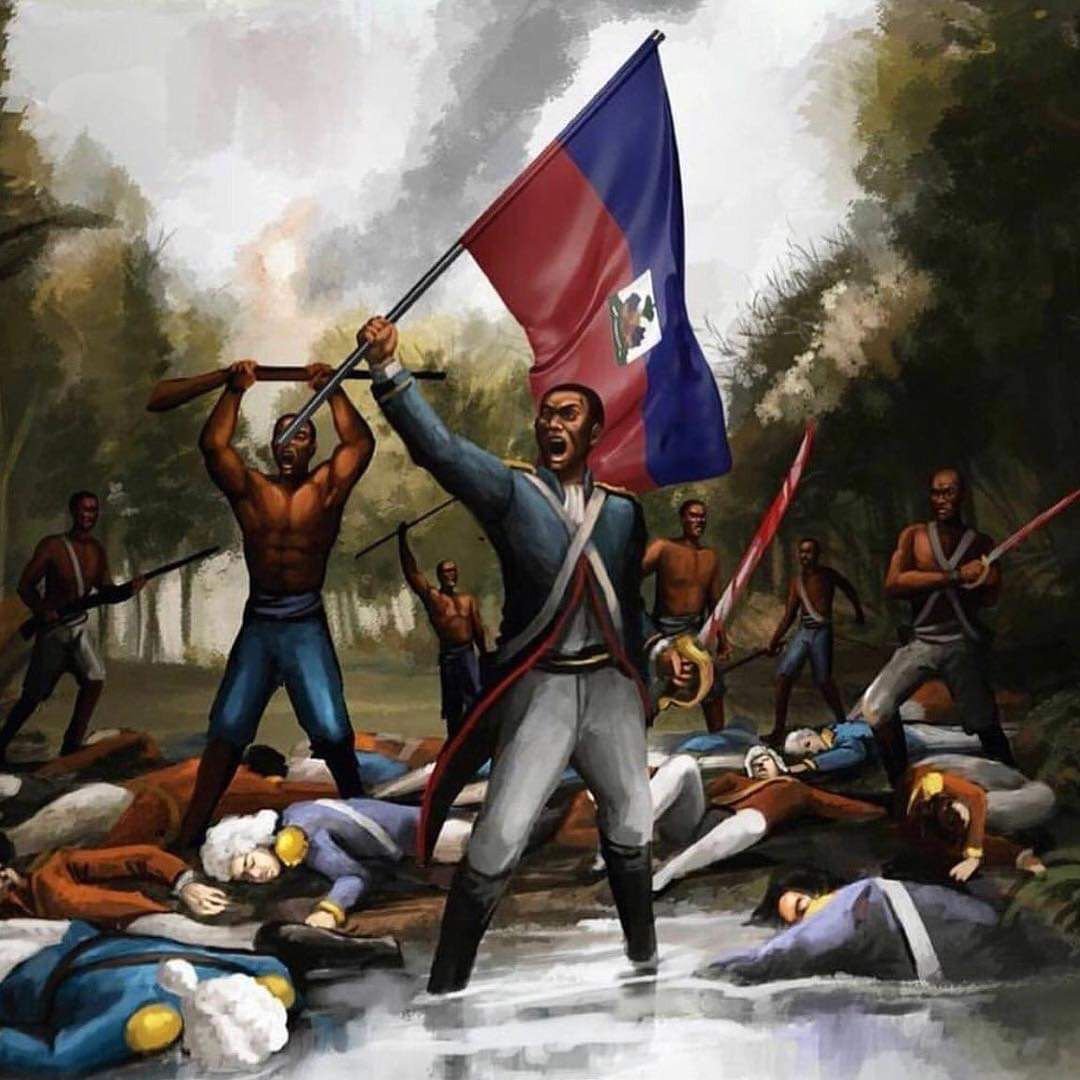
First black nation to free itself from slavery and gain independence from France in 1804 and influenced other liberation movements around the world, inspiring struggles for freedom and equality.

Natural beauty

Natural beauty

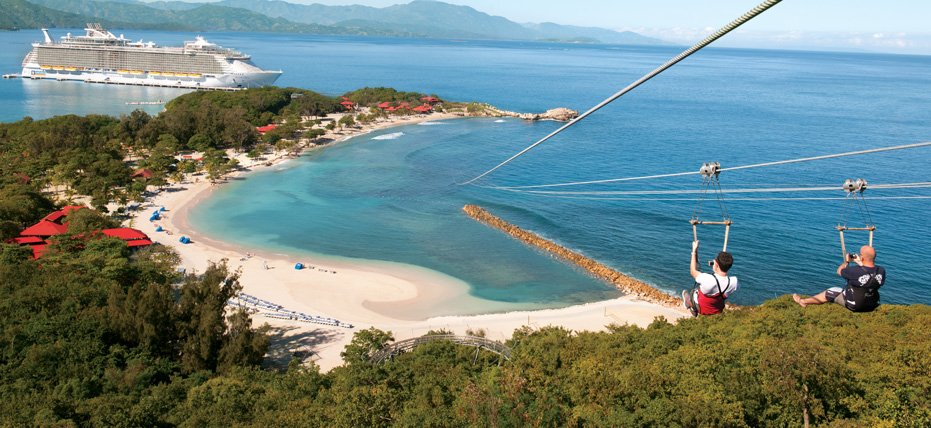
Haïti is blessed with spectacular natural landscapes, including white sand beaches, mountains and rich biodiversity.

Heritage

Heritage

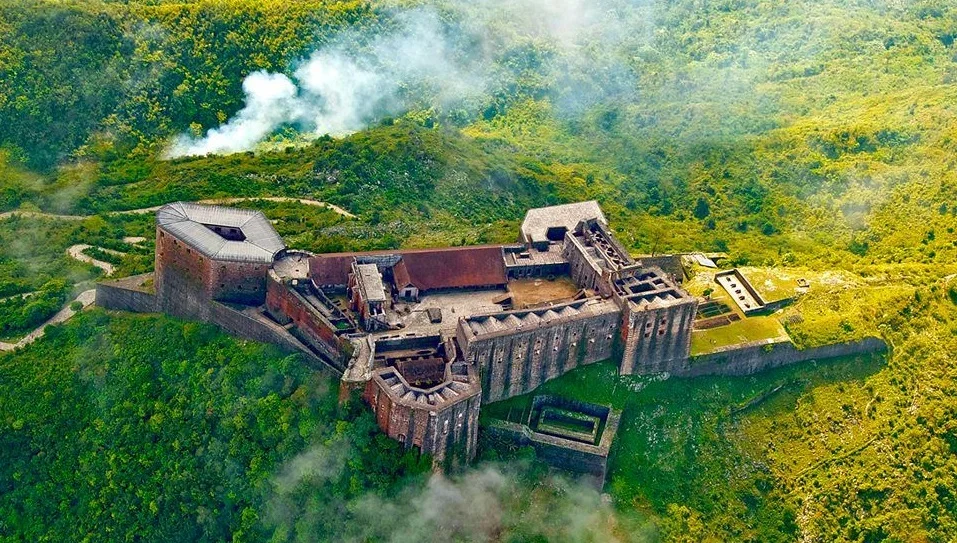
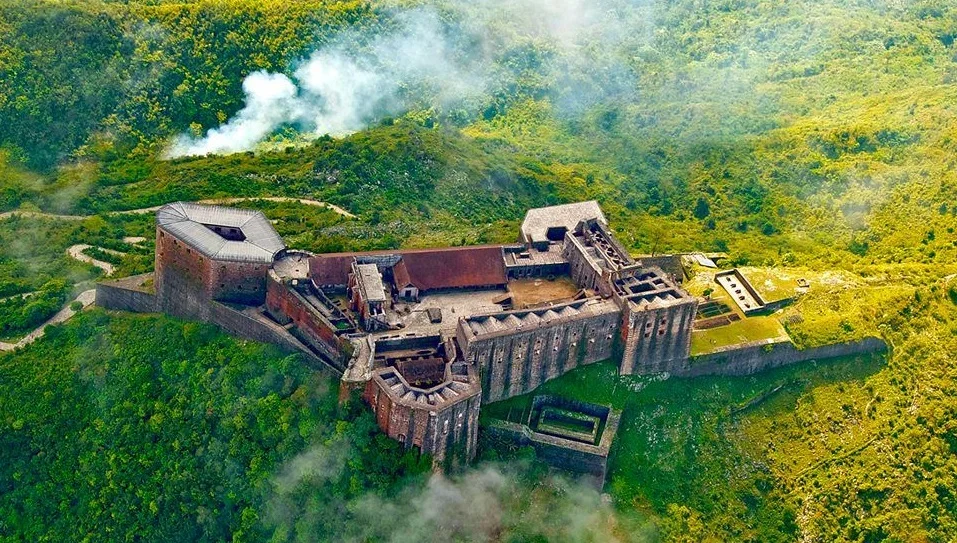
Haïti has a rich historical heritage, including sites like the Citadelle Laferrière and the Sans-Souci Palace, listed as UNESCO World Heritage Sites.

Culture

Culture

Haïti has a rich and diverse culture, influenced by African, European and indigenous elements. Haitian music, dance, art and cuisine are celebrated around the world.

  • +
    • Post